
Aging cannot be stopped, but everyday food choices can support overall health, energy, skin appearance, digestion, and recovery. Many fruits, vegetables, legumes, whole grains, and healthy fats contain nutrients such as vitamin C, fiber, antioxidants, minerals, and plant compounds. These foods should not be treated as quick fixes, but they can be useful parts of a balanced diet. Adding variety is important because different foods support the body in different ways. These options can help make meals more nutrient-rich while keeping everyday eating simple and practical.
1. Lemon
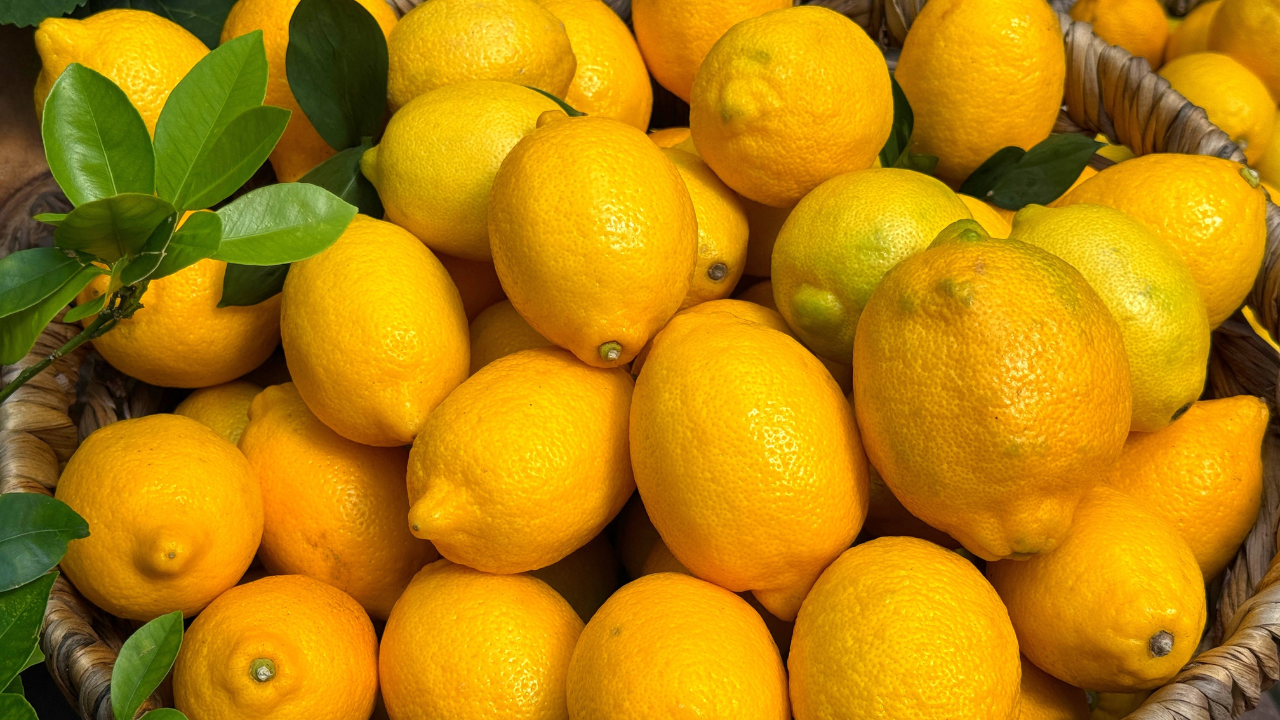
Lemon is a simple citrus fruit that can add brightness to food while contributing vitamin C. Vitamin C plays a role in collagen production, which is important for skin structure and general tissue health. Lemon also contains antioxidants that may help protect cells from oxidative stress as part of a balanced diet. It can be used in water, salad dressings, marinades, sauces, and cooked vegetables. Because its flavor is strong, a small amount can make meals taste fresher without adding much sugar or fat.
2. Pomegranate
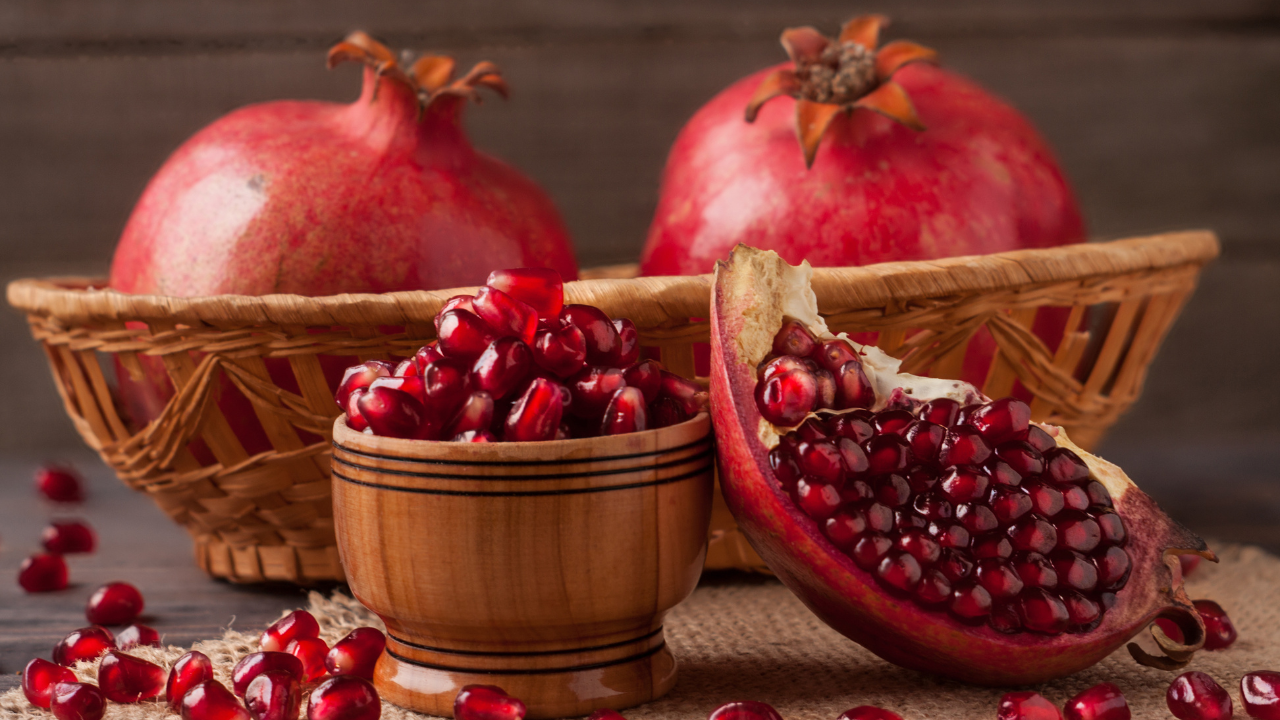
Pomegranate is known for its deep red seeds and high antioxidant content. These plant compounds may help protect cells from everyday damage caused by oxidative stress. The seeds add crunch, color, and tart sweetness to meals without needing much preparation. They work well in yogurt, salads, grain bowls, desserts, and roasted vegetable dishes. Pomegranate is especially useful when you want a fresh ingredient that adds both flavor and visual appeal.
3. White Beans
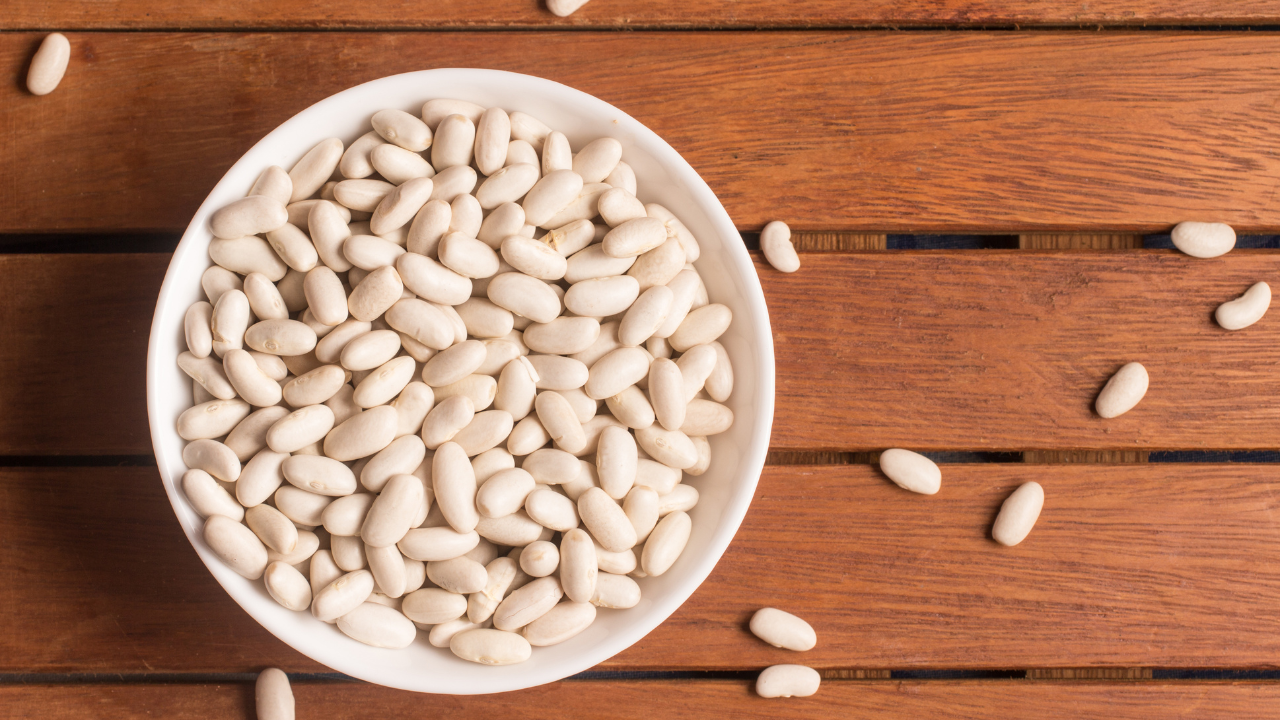
White beans are a useful source of plant-based protein, fiber, iron, copper, and potassium. Their fiber content can support digestion and help make meals feel more filling. Iron supports oxygen transport in the body, while potassium plays a role in normal fluid balance and muscle function. White beans have a mild flavor, so they can be added to soups, stews, salads, dips, and pasta dishes. They are also practical because canned versions are easy to keep on hand for quick meals.
4. Chicken Soup
Chicken soup is often associated with comfort, especially during colder months or when someone feels unwell. It can provide protein, fluids, and warmth in a form that is easy to eat. When made with vegetables, herbs, and a balanced broth, it can also offer minerals and added flavor. Some research has explored its potential anti-inflammatory effects, especially in relation to cold symptoms, but it should not be viewed as a cure. As a meal, it remains a practical option for hydration, comfort, and gentle nourishment.
5. Blueberries
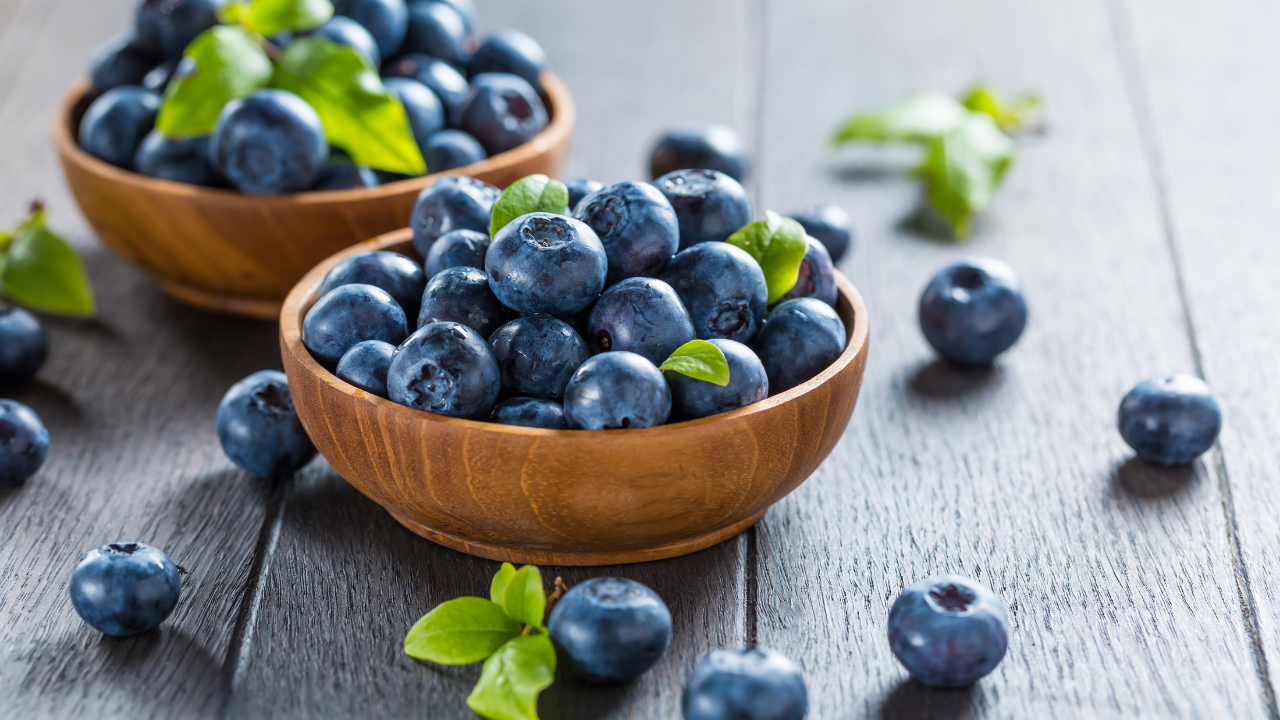
Blueberries contain flavonoids and other antioxidants that make them a strong addition to everyday meals. These compounds are often studied for their role in brain and heart health. Their natural sweetness makes them easy to add to yogurt, oatmeal, smoothies, salads, or baked goods. Blueberries are also convenient because they can be used fresh or frozen. Including them regularly can help add color, fiber, and plant compounds to the diet.
6. Red Grapes
Red grapes contain resveratrol, a plant compound found mainly in their skins. Resveratrol is often discussed for its antioxidant and anti-inflammatory properties. Grapes are easy to eat as a snack and can also be added to salads, cheese boards, or grain dishes. Their natural sweetness makes them a useful alternative to more processed sweets. Eating grapes with the skin provides more of the compounds linked to their potential benefits.
7. Ginger
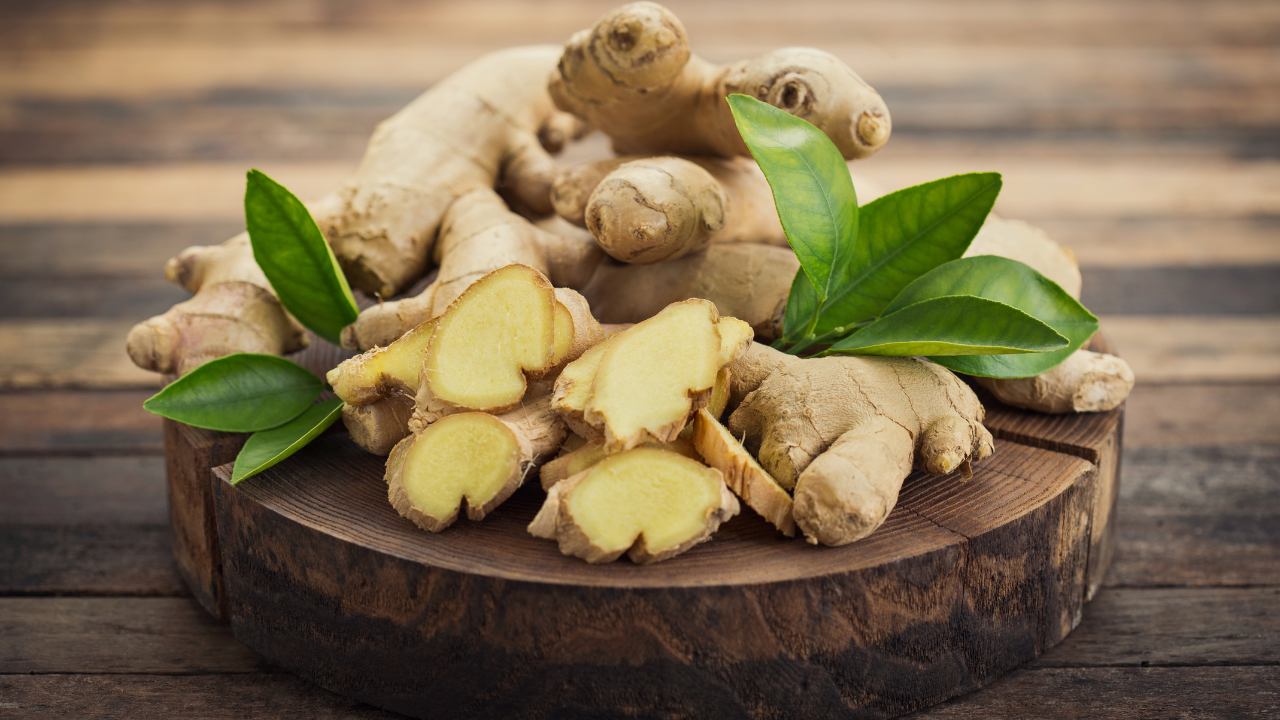
Ginger is a flavorful root that can add warmth and depth to both sweet and savory dishes. It contains antioxidant compounds and has been studied for its possible role in reducing exercise-related muscle discomfort. Ginger can be used fresh, dried, grated, steeped into tea, or added to soups, stir-fries, sauces, and marinades. Its strong flavor means a small amount can make a noticeable difference. It is also useful when you want to build flavor without relying heavily on salt or sugar.
8. Guava
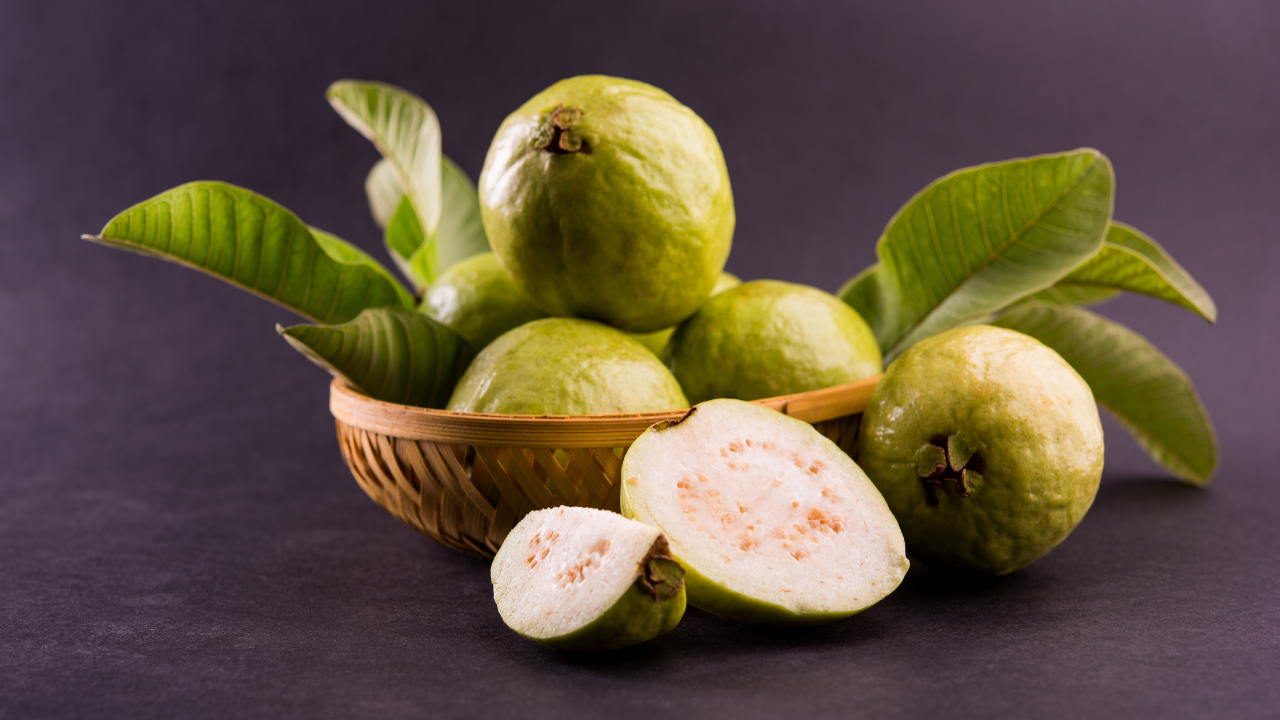
Guava is a tropical fruit that provides a high amount of vitamin C. This nutrient supports immune function and contributes to collagen formation, which is important for skin and connective tissue. Guava also contains fiber, making it a satisfying fruit choice. It can be eaten fresh, blended into smoothies, added to fruit salads, or used in sauces. Its sweet-tart flavor makes it stand out from more common fruits.
9. Oats
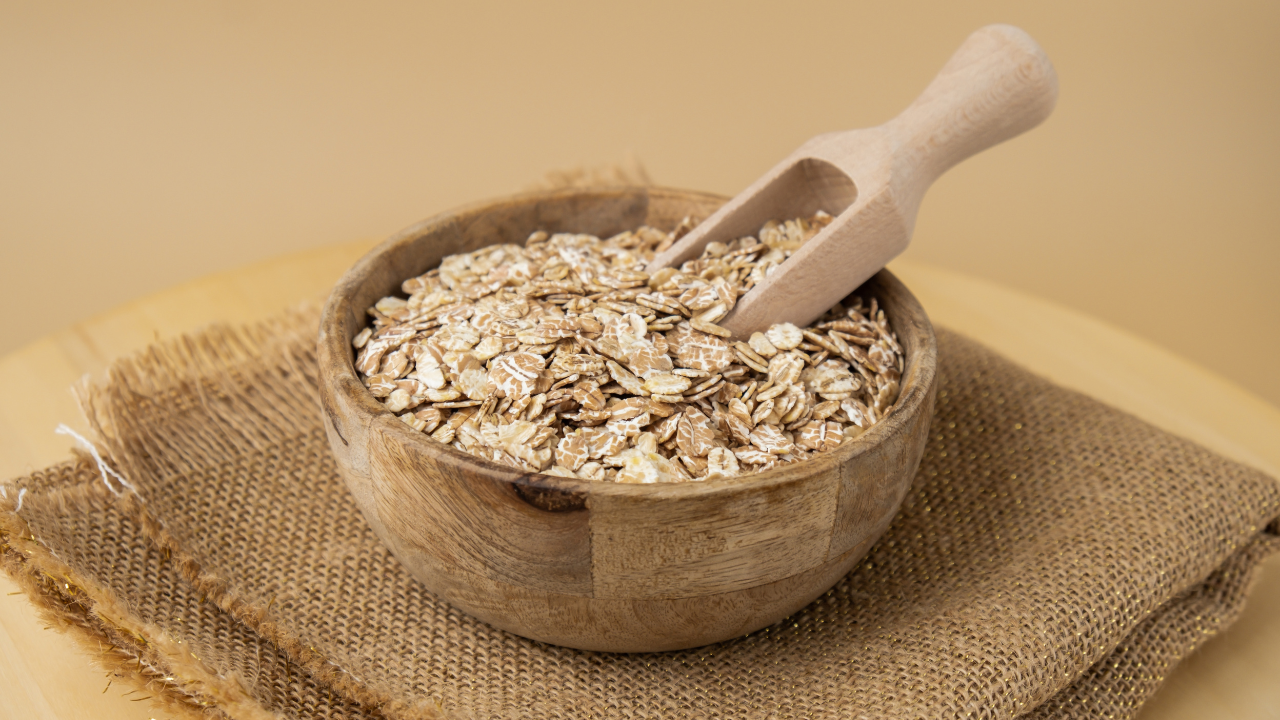
Oats are a whole grain that can support a steady, filling breakfast or snack. They contain soluble fiber, which is often linked with heart health and digestive support. Oats can also provide slow-release carbohydrates, making them useful before active parts of the day. They work well in oatmeal, overnight oats, granola, smoothies, and baked goods. Choosing plain oats allows more control over added sugar and toppings.
10. Barley
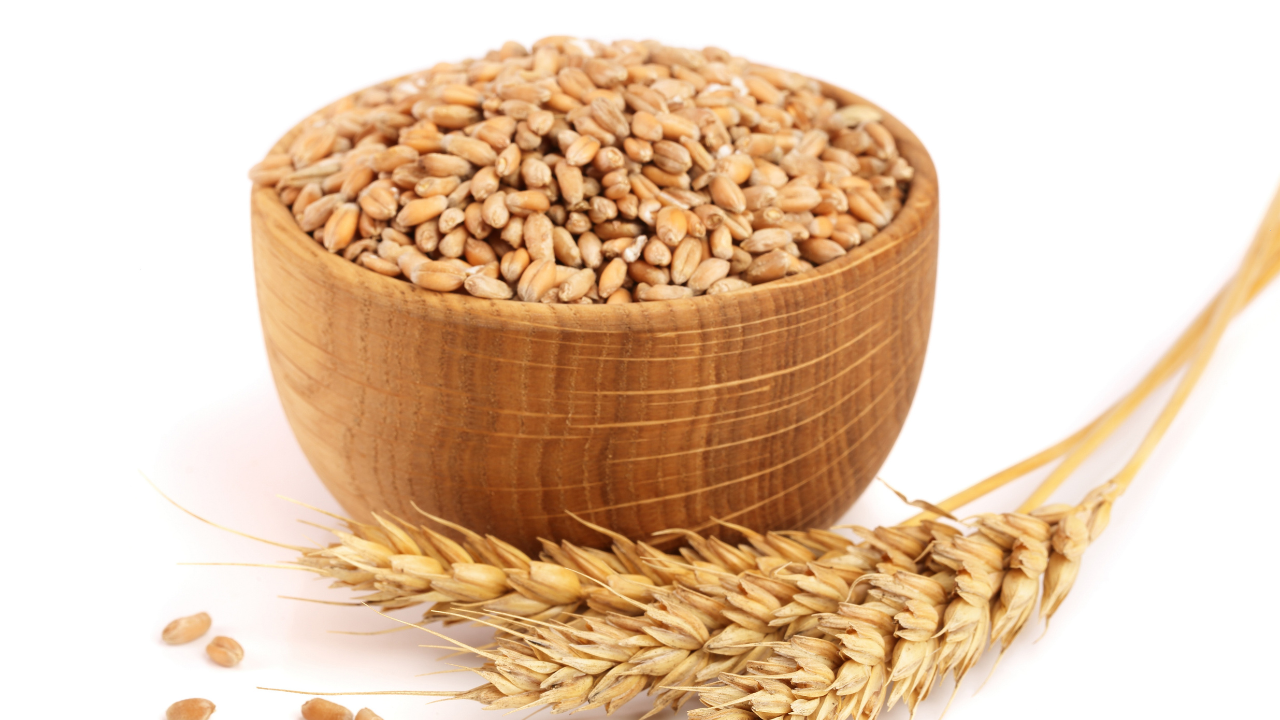
Barley is a whole grain with a chewy texture and mild nutty flavor. It contains fiber, including beta-glucan, which is often associated with heart and digestive health. Barley can make soups, stews, grain bowls, and salads more filling. It is also a practical ingredient for meal prep because it holds its texture well after cooking. Using more whole grains like barley can add variety beyond rice or pasta.
11. Sweet potato
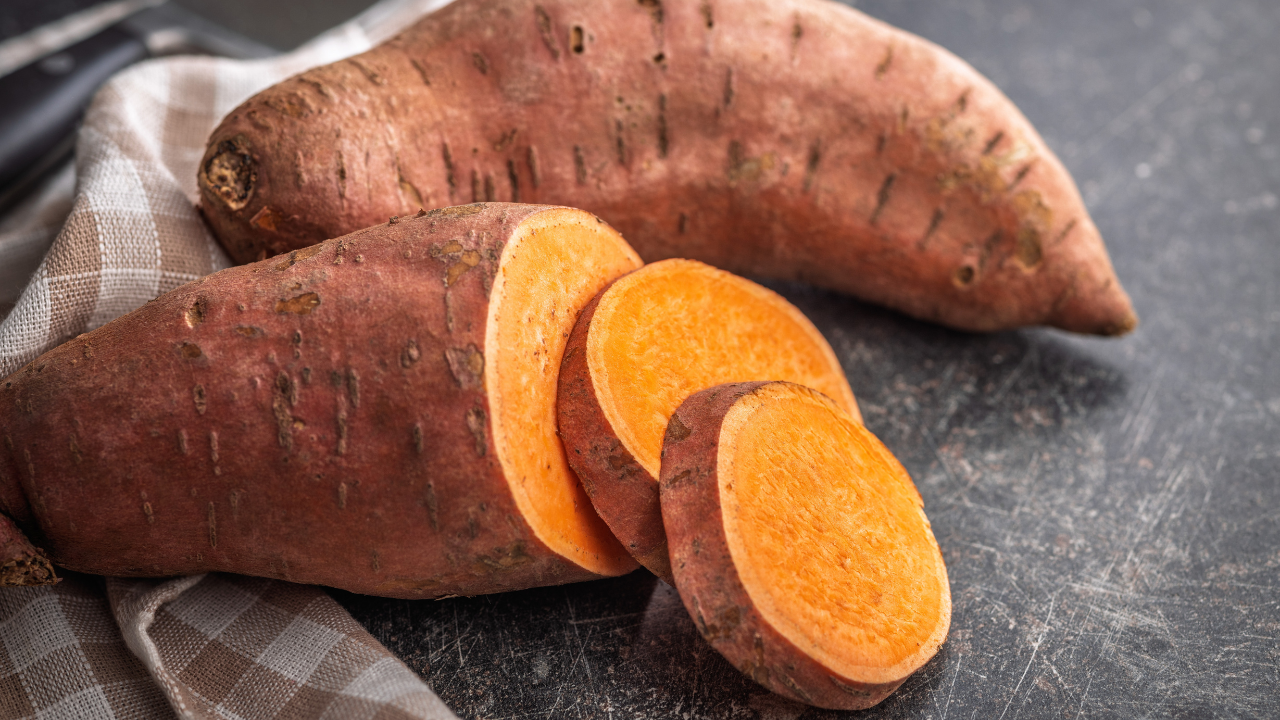
Sweet potatoes are rich in beta-carotene, a plant pigment that the body can convert into vitamin A. Vitamin A supports normal immune function, vision, and skin health. Their natural sweetness makes them useful in both savory and lightly sweet dishes. They can be roasted, mashed, baked, added to soups, or used in grain bowls. Sweet potatoes also provide fiber, which helps make meals feel more satisfying.
12. Turmeric
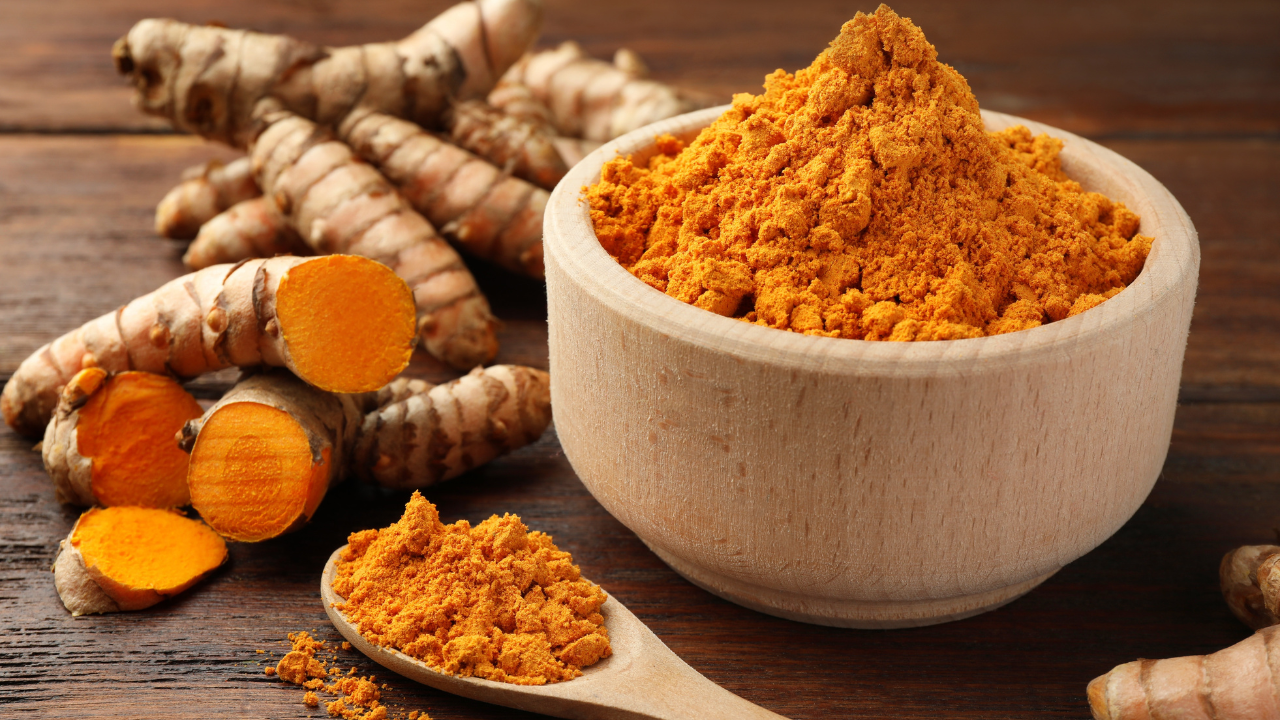
Turmeric is a bright yellow spice often used in curries, soups, rice dishes, and warm drinks. It contains curcumin, a plant compound studied for its antioxidant and anti-inflammatory properties. While turmeric is not a quick solution on its own, it can be a useful seasoning in a balanced diet. Pairing it with black pepper and a small amount of fat may help improve absorption. Its earthy flavor works well in savory dishes and can add color without artificial ingredients.
13. Peanut butter
Peanut butter provides protein, fat, and calories in a compact serving, which can be useful after exercise or as part of a filling snack. It pairs well with carbohydrates such as toast, bananas, oatmeal, or smoothies. Choosing versions with minimal added sugar and salt can make it a more balanced option. Because it is calorie-dense, portion size matters. Used thoughtfully, peanut butter can add richness, flavor, and staying power to simple meals.
14. Tomato
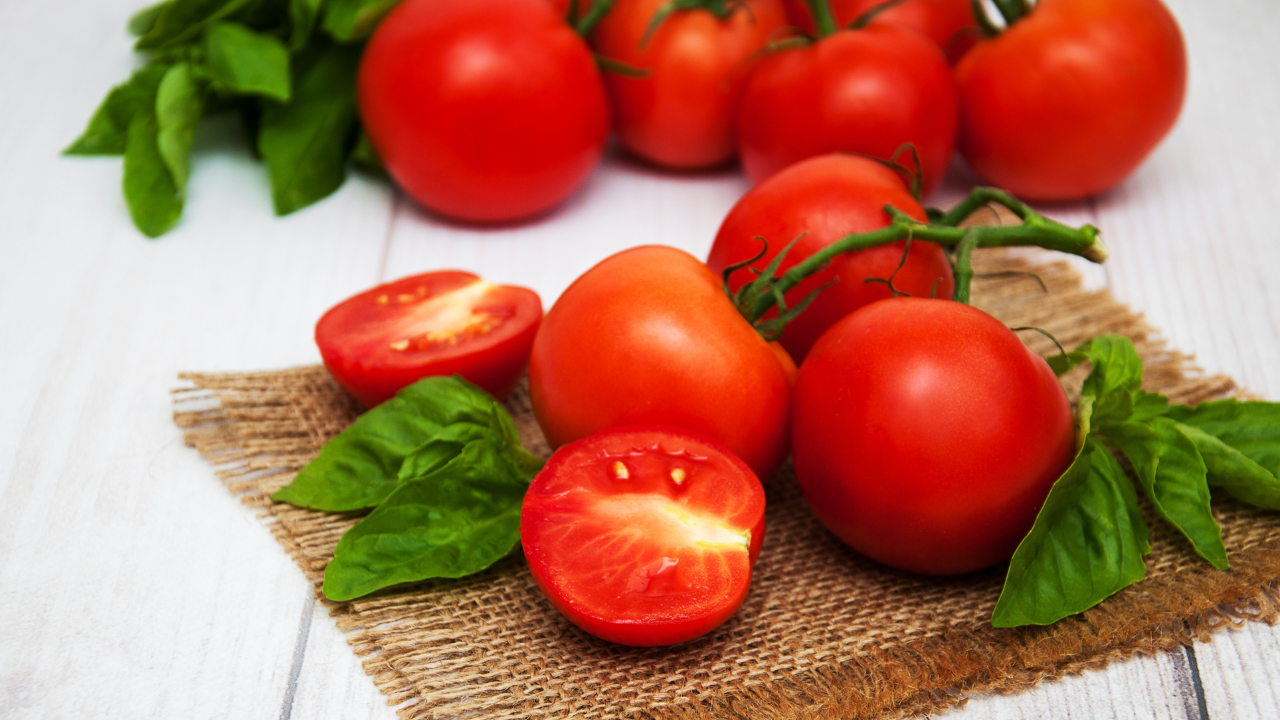
Tomatoes contain lycopene, a red plant pigment studied for its potential role in heart and prostate health. They also provide vitamin C, potassium, and other plant compounds. Cooked tomatoes can be especially useful because heating helps make lycopene more available to the body. Tomatoes work well in sauces, soups, salads, stews, and roasted dishes. Their balance of acidity and sweetness also helps brighten many meals.
15. Spinach
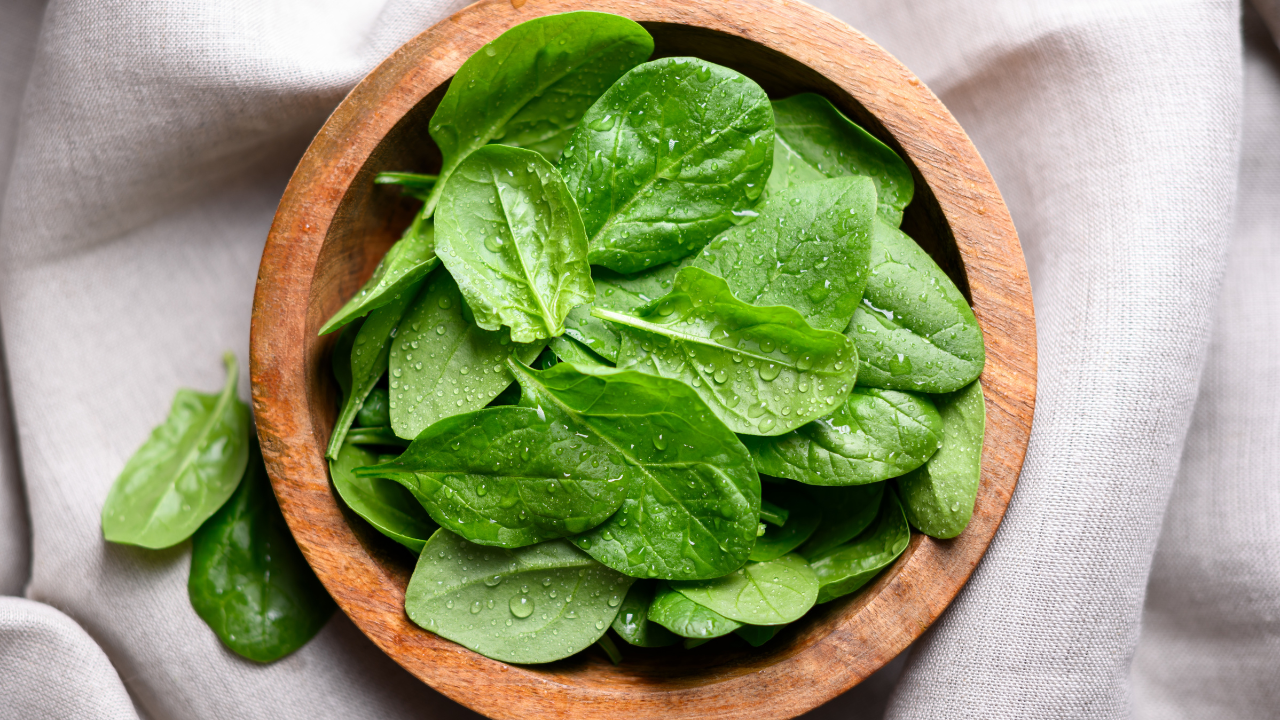
Spinach is a leafy green that provides magnesium, iron, calcium, and vitamins, along with antioxidants. It can support overall nutrition and is easy to add to many meals. Raw spinach works well in salads, sandwiches, and smoothies, while cooked spinach fits into soups, pasta, eggs, and grain bowls. Because it wilts quickly, it can be added near the end of cooking. Its mild flavor makes it one of the easiest greens to use regularly.
16. Celery
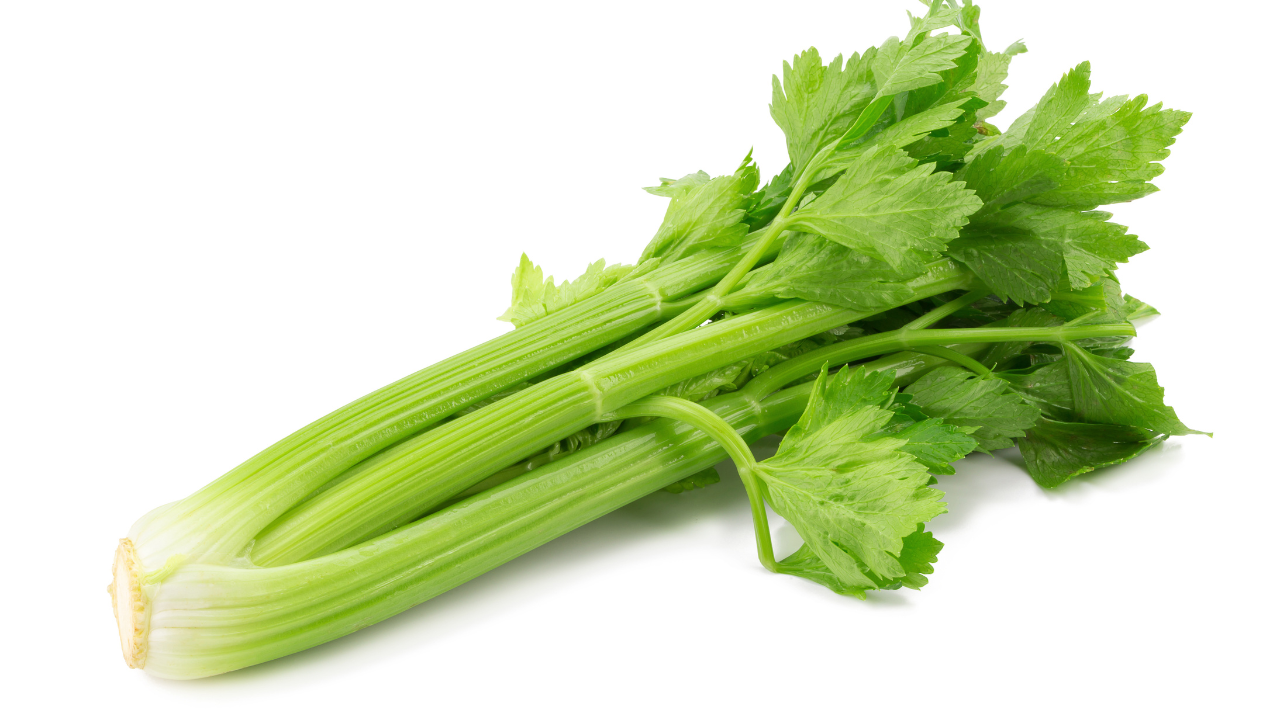
Celery is crisp, hydrating, and naturally low in calories. It provides vitamins A, C, and K, along with plant compounds and water content that can support overall hydration. It works well raw with dips, nut butter, or chopped into salads. Cooked celery is also useful as part of soups, stews, and aromatic bases with onions and carrots. Its mild flavor makes it a simple way to add crunch and freshness.
17. Cherry juice
Cherry juice contains plant compounds and is often discussed for its melatonin content. Melatonin is connected to sleep timing, and some people use tart cherry juice as part of an evening routine. It should not replace healthy sleep habits, but it may be a useful option for those looking for a natural beverage. Because juice can contain sugar, the serving size is worth watching. Tart cherry juice can also be added to smoothies or mixed with sparkling water.
18. Green tea
Green tea contains antioxidants called catechins, which may help protect cells from oxidative stress. It is also a low-calorie beverage when served without added sugar. Green tea can be enjoyed hot or iced and may be a useful swap for sweetened drinks. It contains caffeine, so timing may matter for people sensitive to it. As part of a balanced routine, it can add hydration, flavor, and beneficial plant compounds.
19. Apple
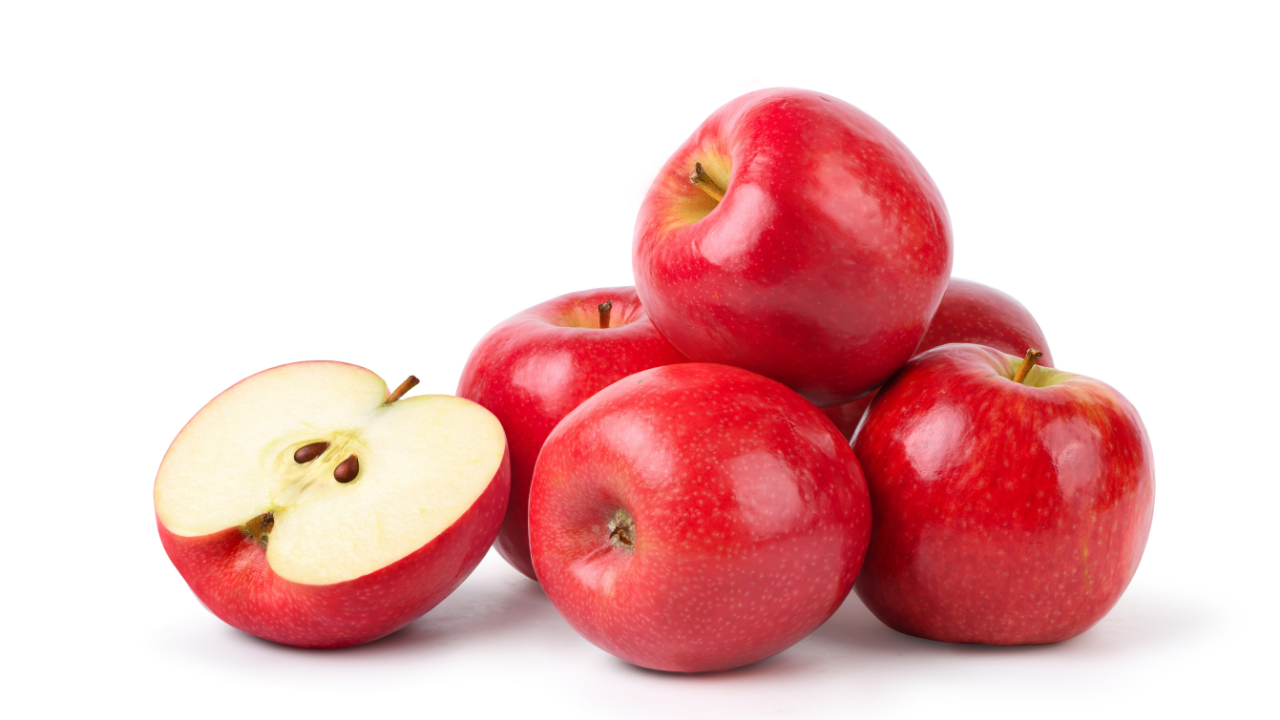
Apples provide fiber, including pectin, which can support digestion and may help with cholesterol management as part of a healthy diet. Eating the skin adds more fiber and plant compounds than eating the peeled fruit alone. Apples are easy to carry, store, and pair with other foods. They work well with peanut butter, yogurt, oatmeal, salads, or baked dishes. Their crisp texture and natural sweetness make them a practical everyday fruit.
20. Kale
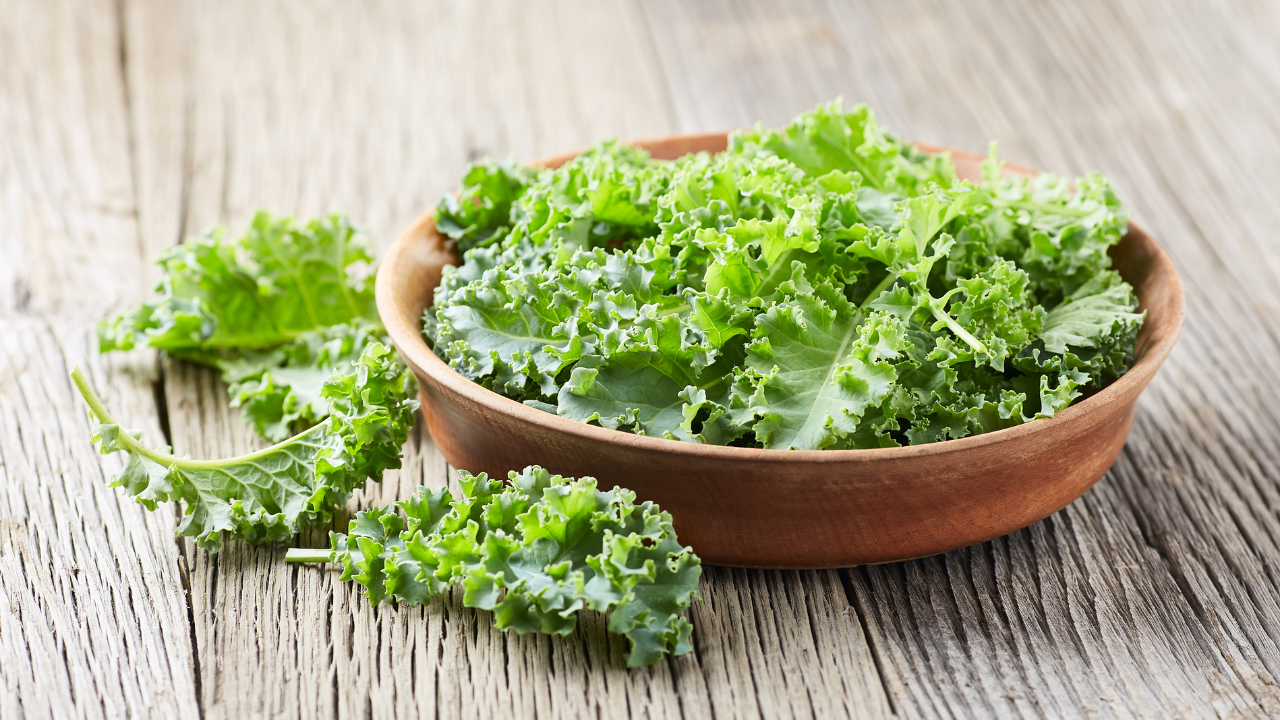
Kale is a nutrient-dense leafy green that contains vitamin K, vitamin C, fiber, and plant compounds. Vitamin K plays a role in normal blood clotting and bone health. Kale has a stronger texture than many greens, which makes it useful in salads, soups, sautés, and grain bowls. Massaging raw kale with dressing can help soften it before eating. Its sturdy leaves also hold up well for meal prep.
21. Lettuce
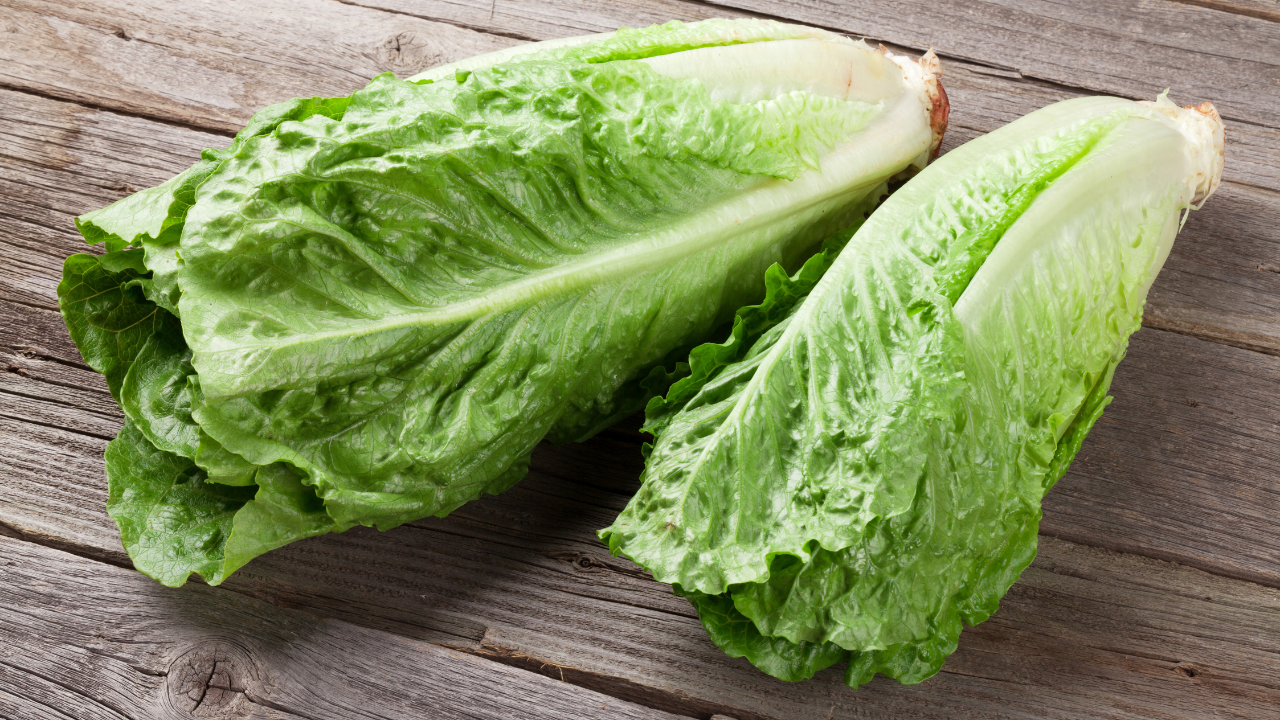
Lettuce is light, crisp, and useful for adding freshness to meals. Different varieties offer different textures, from soft butter lettuce to crunchy romaine. Lettuce can help make sandwiches, wraps, tacos, and salads feel lighter and more refreshing. It also adds water content and volume without making a meal heavy. While it is not as nutrient-dense as some darker greens, it still has a useful place in balanced meals.
22. Walnuts
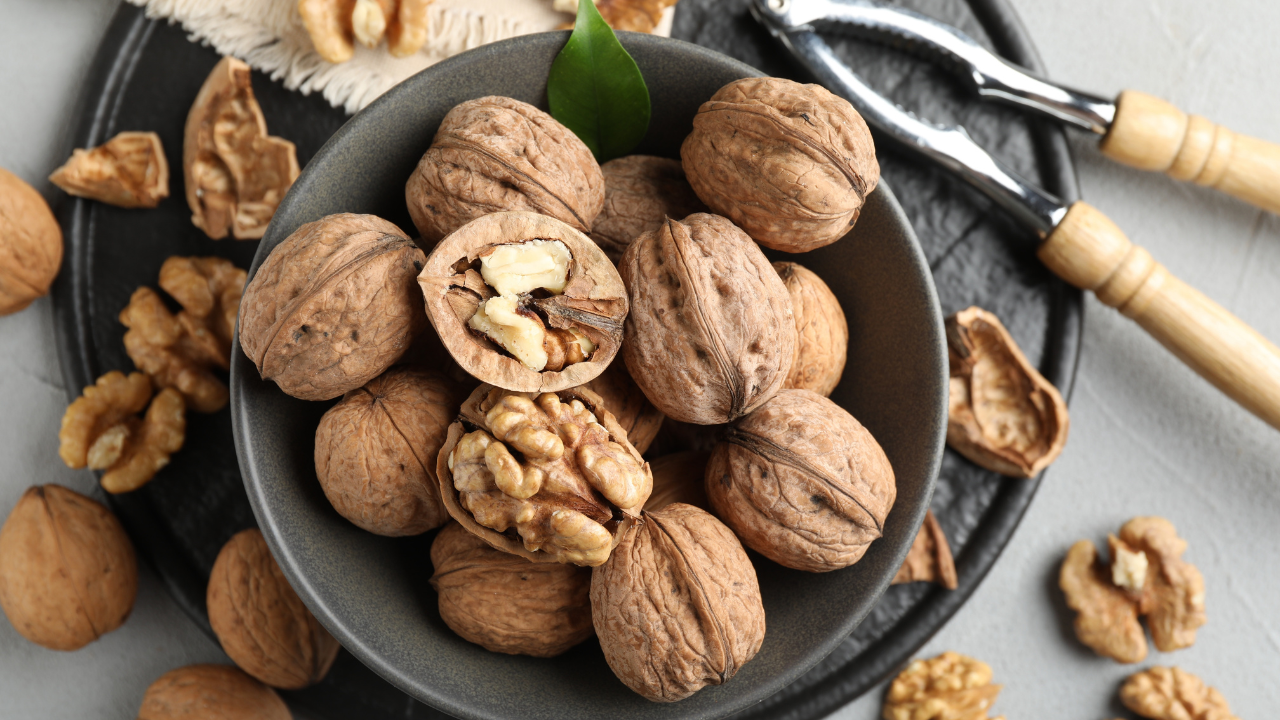
Walnuts contain omega-3 fats, fiber, polyphenols, and vitamin E. These nutrients are often associated with brain, heart, and skin health as part of a balanced diet. Walnuts add crunch and richness to salads, oatmeal, yogurt, roasted vegetables, and baked goods. Their slightly bitter flavor pairs well with sweet fruits like apples, pears, and pomegranate. Since they are calorie-dense, a small handful is usually enough.
23. Chocolate milk
Chocolate milk can be useful as a post-workout drink because it provides carbohydrates, protein, and fluid in one serving. The carbohydrates help replenish energy, while protein supports muscle repair after activity. Low-fat versions are often used by people who want a lighter option. It is still a sweetened drink, so it is best used intentionally rather than as an all-day beverage. For active people, it can be a convenient recovery option when whole foods are not immediately available.
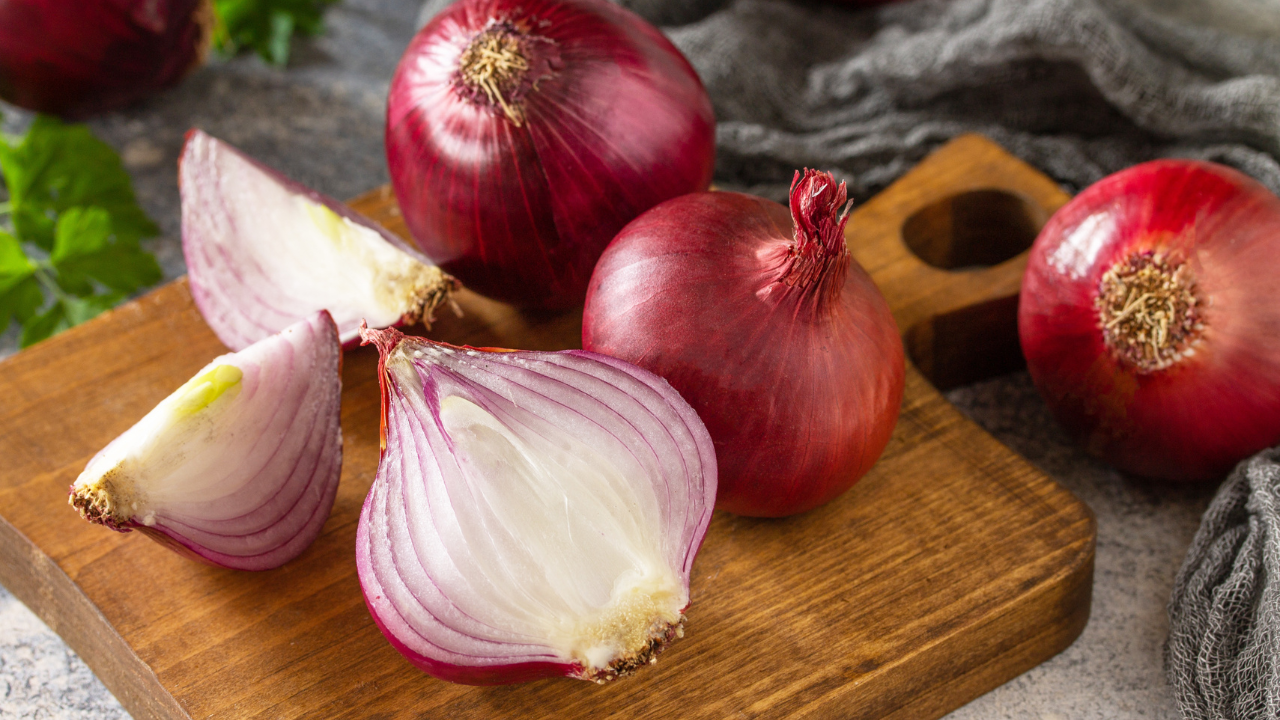
24. Onions
Onions are widely used because they build flavor in soups, sauces, stir-fries, stews, and roasted dishes. They contain plant compounds that are being studied for digestive and overall health support. Some research has explored how onion compounds may interact with certain bacteria, including H. pylori, though food alone should not be treated as medical treatment. Cooking onions slowly brings out their natural sweetness. Raw onions can add sharpness and crunch when used in smaller amounts.
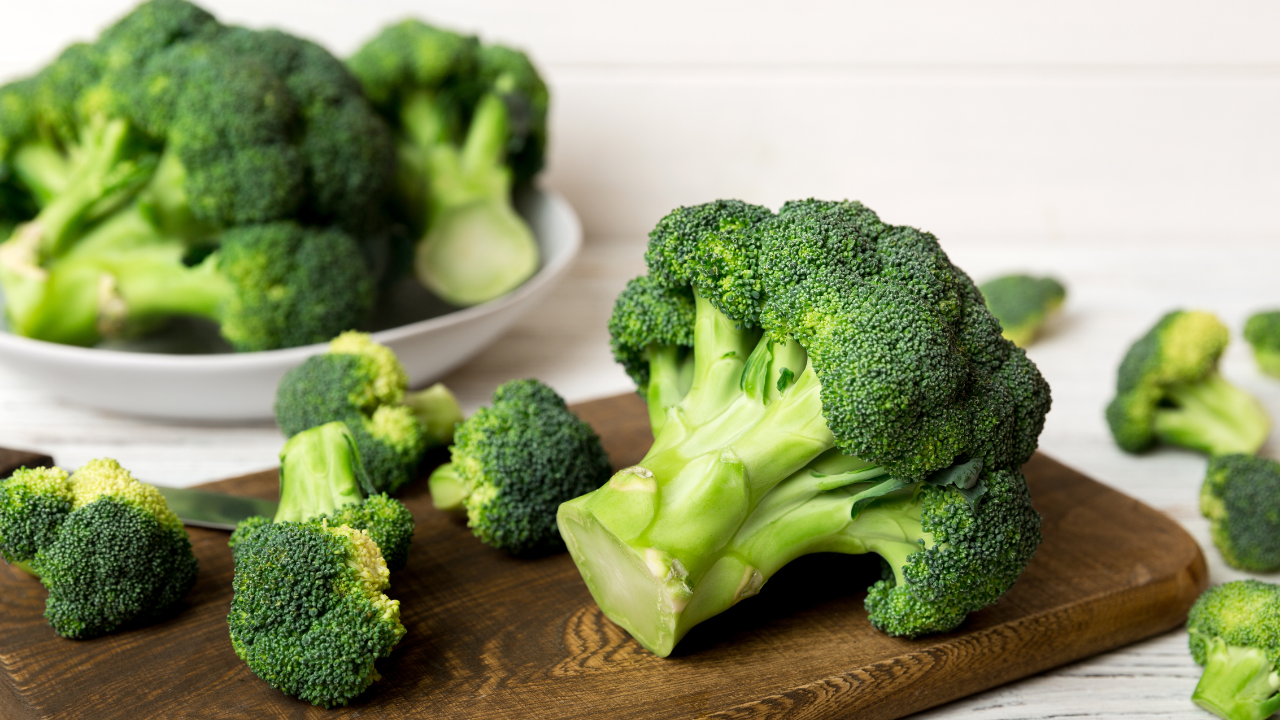
25. Broccoli
Broccoli is a cruciferous vegetable that provides fiber, vitamin C, vitamin K, and plant compounds. These nutrients can support overall wellness and make broccoli a useful part of regular meals. It can be steamed, roasted, stir-fried, blended into soups, or added to casseroles. Roasting gives it crisp edges, while steaming keeps the texture lighter. Pairing it with lemon, garlic, olive oil, or herbs can make it more enjoyable without relying on heavy sauces.
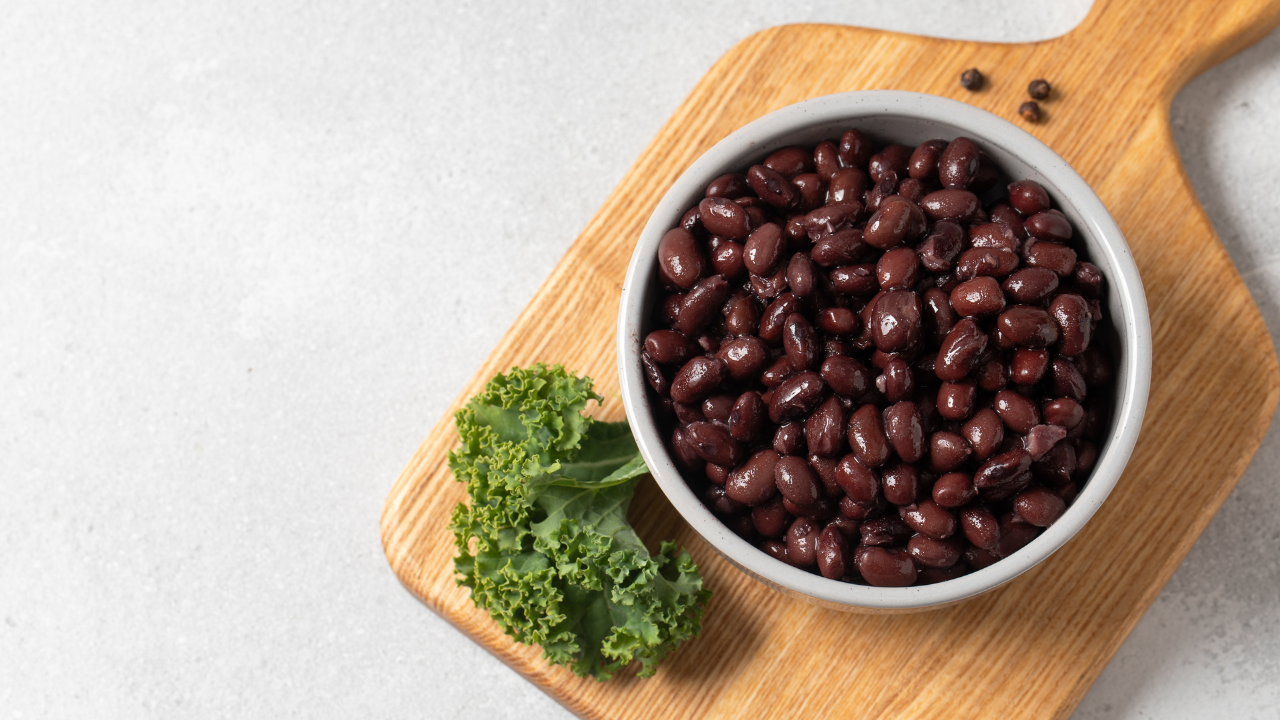
26. Black beans
Black beans provide plant-based protein, fiber, minerals, and slow-digesting carbohydrates. Their fiber content supports digestion and helps make meals more filling. They work well in soups, tacos, grain bowls, salads, dips, and stews. Black beans are also practical because canned versions are affordable and easy to use after rinsing. As part of a balanced diet, they can help add both nutrition and texture to everyday meals.
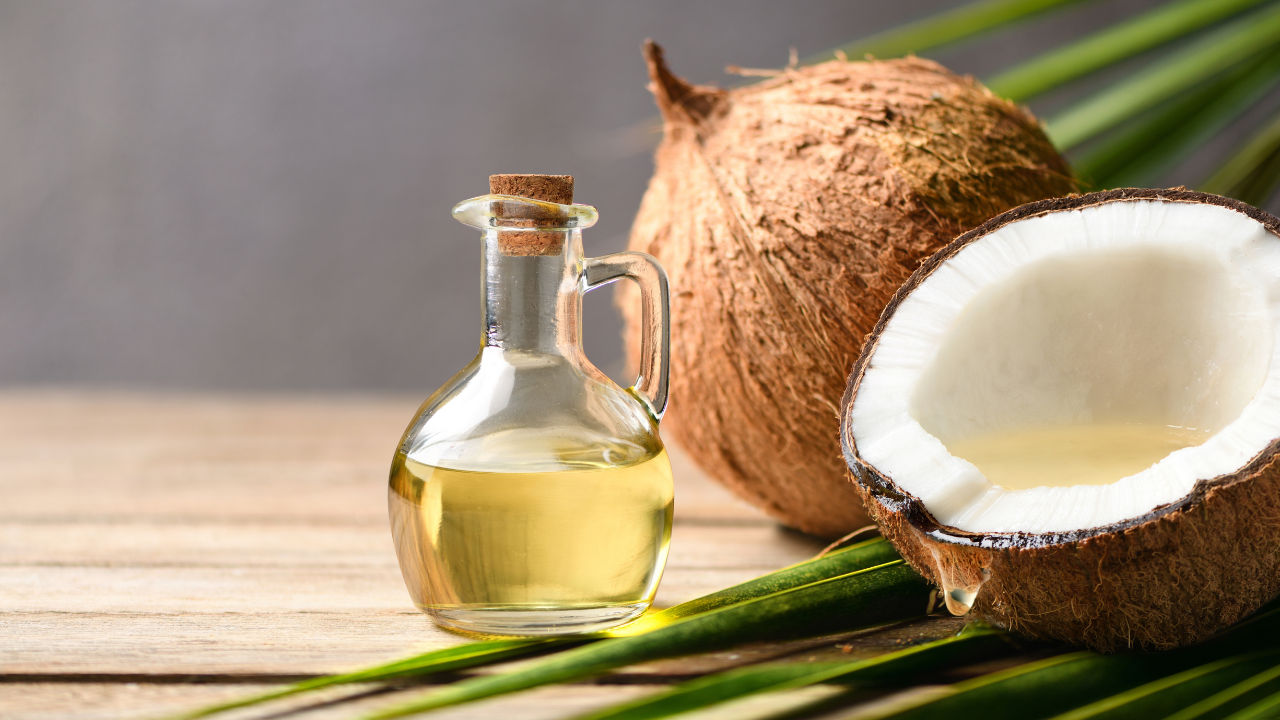
27. Coconut oil
Coconut oil is a fat that is sometimes used in cooking, baking, and skin care. It contains vitamin E and certain fatty acids, but it is also high in saturated fat, so it is best used in moderation. In cooking, it can add a mild coconut flavor to baked goods, curries, or sautéed dishes. When applied to skin, it may help with moisture for some people, though it may not suit every skin type. It is useful to treat it as one option among many fats rather than a daily essential.
28. Flaxseed
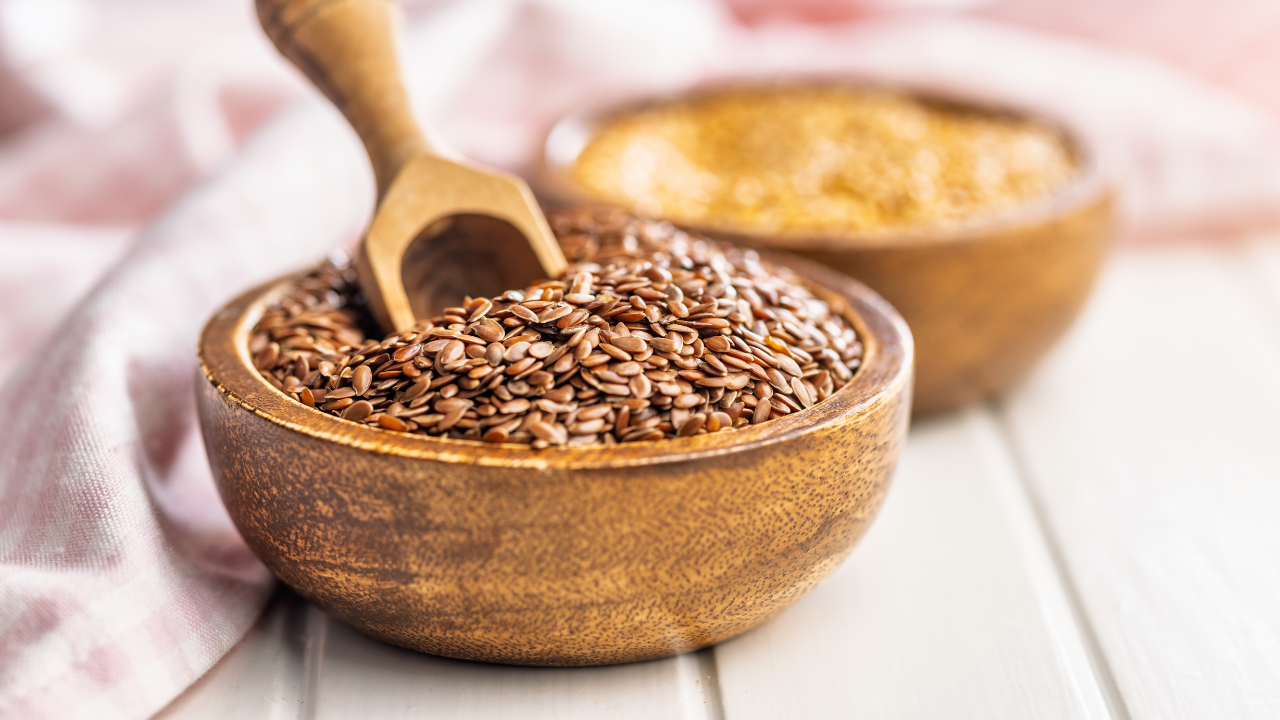
Flaxseed contains omega-3 fats, fiber, and plant compounds called lignans. Ground flaxseed is usually easier for the body to use than whole seeds. It can be added to oatmeal, smoothies, yogurt, baked goods, or pancake batter. Its fiber content can support digestion, while its fats can contribute to a balanced diet. Because it absorbs liquid, it can also be used in some recipes as a plant-based egg substitute.
29. Hard cheese
Hard cheeses can provide calcium and protein in a concentrated form. They often have a stronger flavor than softer cheeses, so a smaller amount can still add a lot of taste. Parmesan, aged cheddar, and similar cheeses can be grated over salads, soups, vegetables, pasta, or grain bowls. Since hard cheese can also be high in sodium and saturated fat, portion size matters. Used as a flavor accent, it can make simple meals more satisfying without needing a large serving.
Comments (0)
No comments yet. Be the first to share your thoughts!