Healthy meals do not have to feel plain or repetitive. Small cooking choices can make vegetables, grains, lean proteins, and plant-based dishes taste fuller without relying heavily on salt, sugar, or rich sauces. Ingredients such as mushrooms, tomatoes, citrus, herbs, spices, and fermented foods can add depth in practical ways. Cooking methods also matter, since roasting, browning, and slow sautéing can bring out natural flavor. These simple techniques can help everyday meals feel more satisfying while still keeping them balanced and approachable.
1. Use Umami Ingredients

© Shutterstock / norikko
Umami adds a savory depth that can make simple meals taste fuller and more satisfying. Tomatoes, mushrooms, dried shiitake, mushroom powder, and aged cheeses such as Parmesan can all bring this flavor into everyday cooking. Roasting tomatoes helps concentrate their natural sweetness while deepening their savory quality. Dried mushrooms can add richness to soups, stews, sauces, and roasted vegetables. Even a small amount of aged cheese can strengthen the flavor of salads, grain bowls, or vegetable dishes without needing a large portion. This approach works especially well when you want vegetables or lean proteins to feel more complete. It also helps build flavor without depending only on salt or heavy sauces.
2. Cook With High Heat

© Shutterstock / Depiction Images
High-heat cooking can create deeper flavor through browning and caramelization. Roasting, grilling, broiling, and pan-searing help develop a golden surface on meats, fish, and vegetables. This process can make healthy ingredients taste richer without adding heavy sauces or extra calories. Vegetables such as Brussels sprouts, cauliflower, carrots, and potatoes respond especially well to hot ovens. A well-seared piece of chicken, fish, or tofu can develop a firmer texture and deeper flavor. Give the food enough heat and space so it browns instead of steaming. This simple step can make everyday meals taste more finished and balanced.
3. Add Citrus and Acid
© Shutterstock / YAKOBCHUK VIACHESLAV
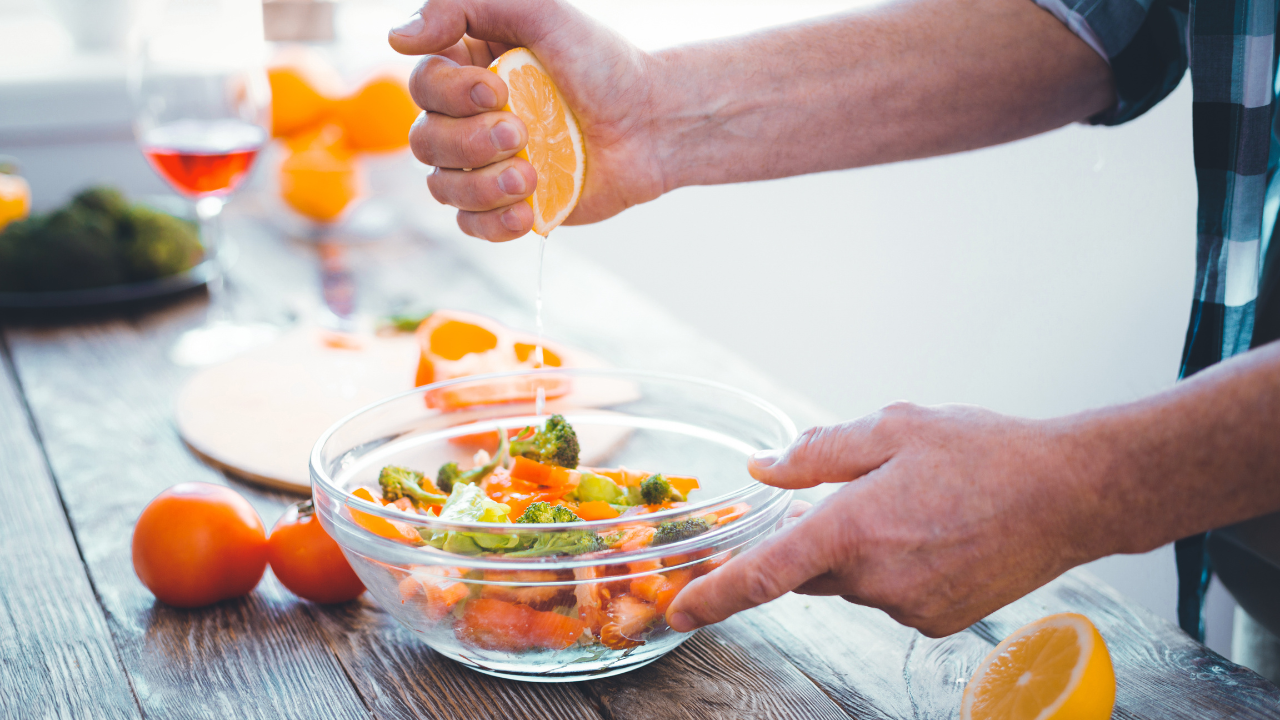
Acidic ingredients can brighten a dish and help balance richness, sweetness, or heat. Lemon juice, lime juice, orange juice, vinegar, and citrus zest are simple ways to make vegetables, grains, and proteins taste fresher. A squeeze of lemon can lift a mushroom sauce, while balsamic vinegar can add balance to roasted vegetables. Citrus zest is especially useful because it contains flavorful oils that can be stronger than the juice alone. Adding acid at the end of cooking often gives the dish a cleaner and more lively finish. This works well when a meal tastes flat but does not need more salt. A small splash can make the overall flavor feel sharper and better balanced.
4. Build Aromatic Bases
© Shutterstock / Ika Rahma H
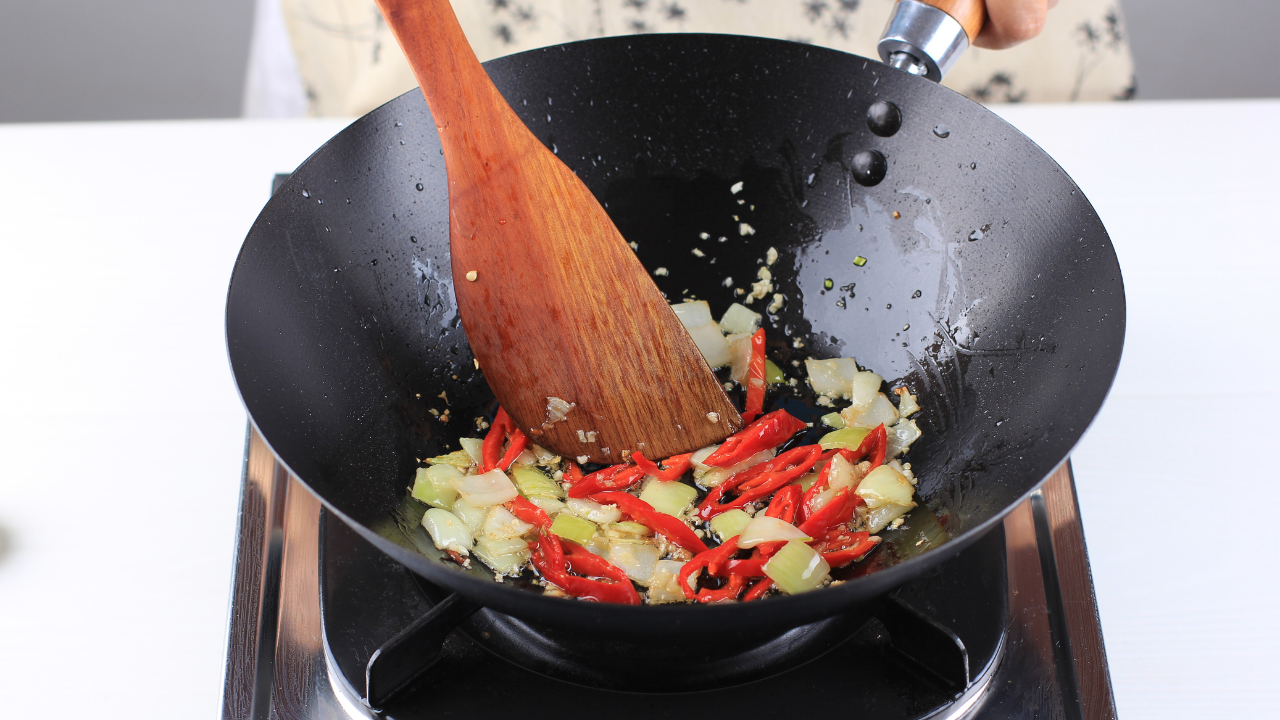
Aromatic vegetables create a flavorful foundation before the rest of the dish comes together. Onions, garlic, celery, carrots, peppers, ginger, and scallions are common examples used across different cuisines. When these ingredients are cooked slowly at the start of a recipe, they release aroma and build depth. This step can improve soups, stews, sauces, rice dishes, and stir-fries without much extra effort. Taking time with aromatics helps the final dish taste more complete instead of flat. The flavors continue to spread through the dish as other ingredients are added. This is one of the easiest ways to make simple cooking taste more layered.
5. Use Natural Sweetness
© Shutterstock / Milanchikov Sergey
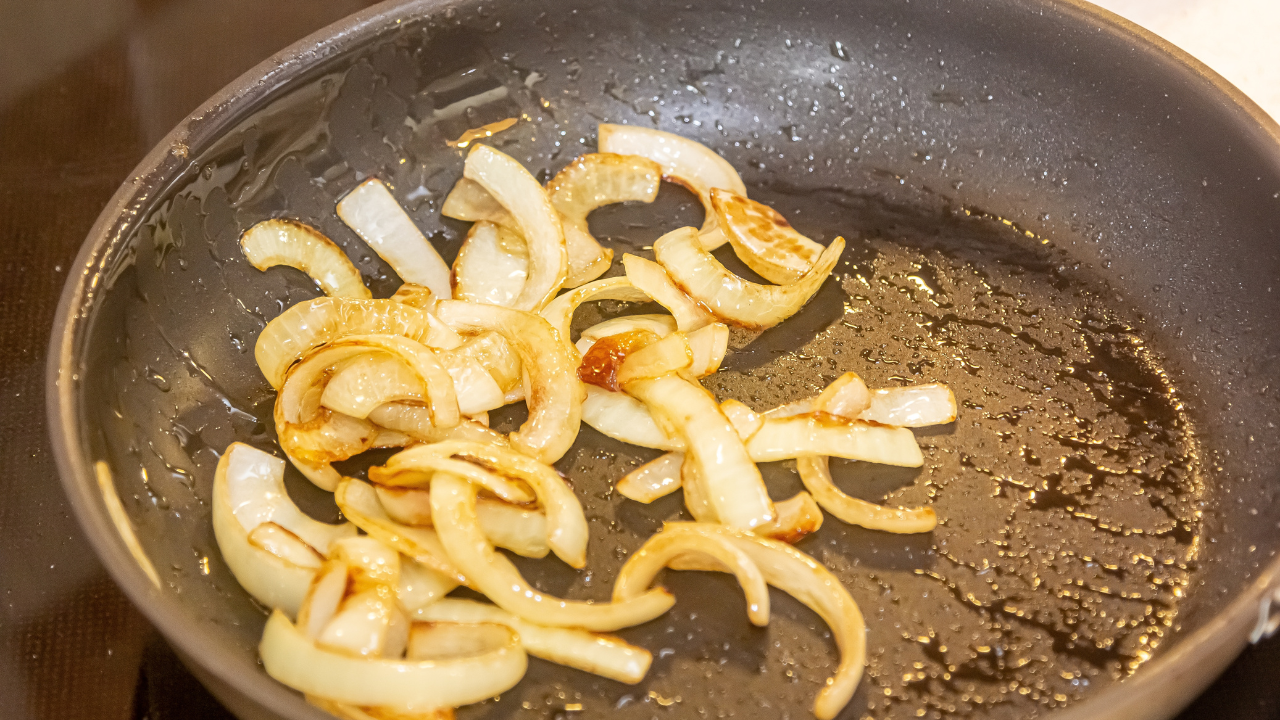
Natural sweetness from fruits and vegetables can balance bitter, sour, or spicy flavors. Caramelized onions, roasted bell peppers, carrots, sweet potatoes, dates, figs, and even a small amount of cocoa can add depth without relying on refined sugar. Slowly cooked onions become sweeter as their flavor concentrates, while roasted vegetables can develop a richer taste. Dried fruit can work well in grain salads or savory dishes that need contrast. Used carefully, natural sweetness can make healthy meals feel more rounded and satisfying. It can also soften the sharpness of acidic sauces or spicy seasonings. The goal is balance, not making the dish taste overly sweet.
6. Reduce Salt With Herbs
© Shutterstock / Mironov Vladimir
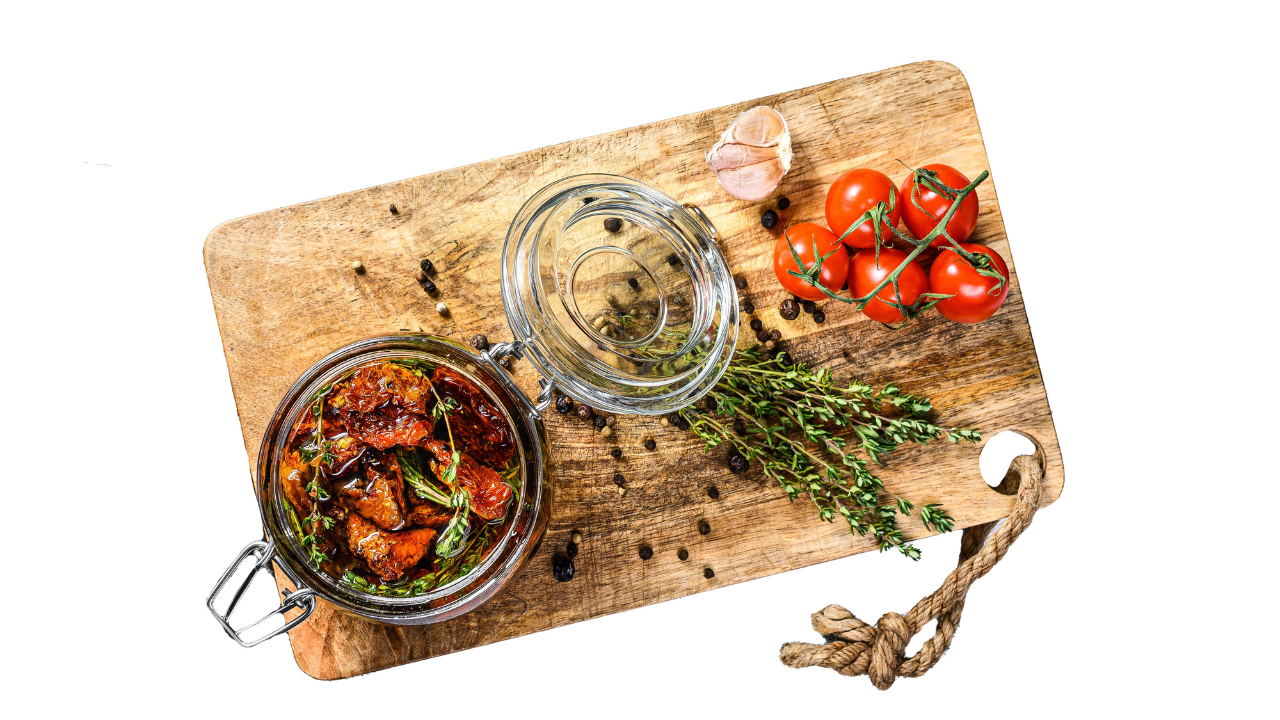
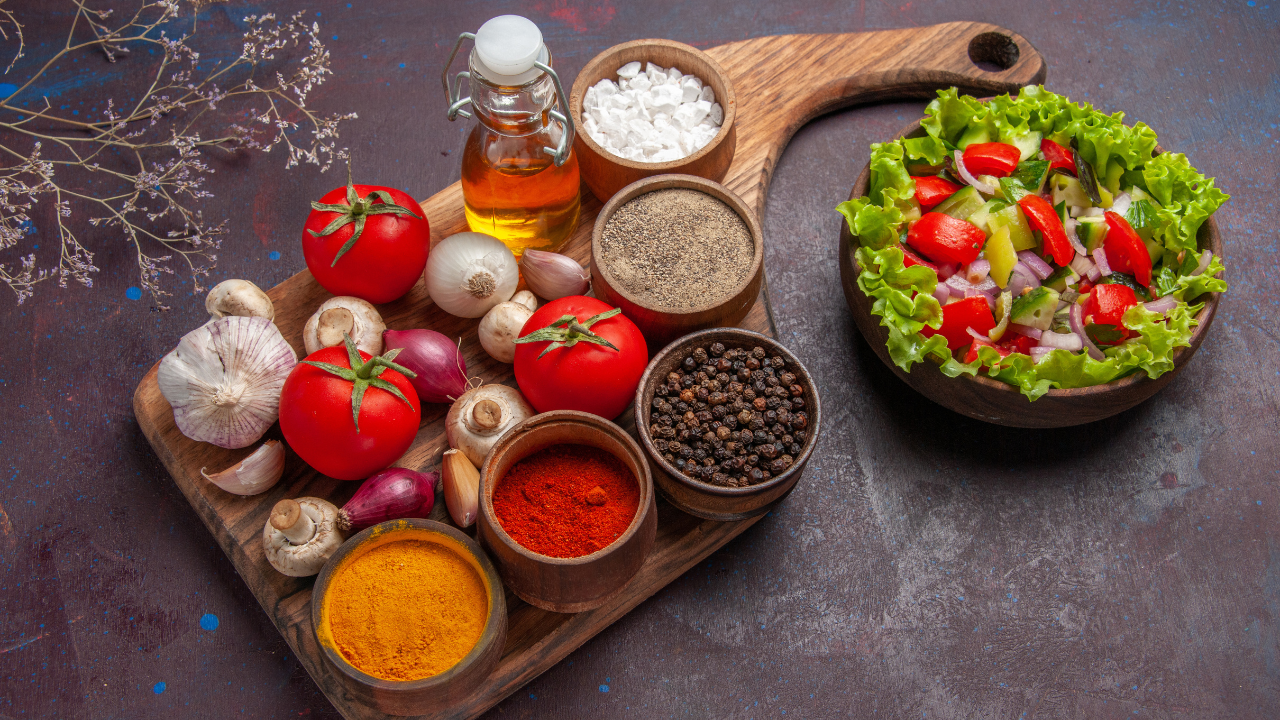
Herbs and spices can add strong flavor while helping reduce the need for extra salt. Garlic powder, onion powder, basil, oregano, smoked paprika, cumin, and pepper can make vegetables, grains, fish, and lean proteins more interesting. Smoked paprika is especially useful when you want a smoky note without adding bacon or salty ingredients. Dried herbs work well during cooking, while delicate fresh herbs are often best added at the end. Layering herbs and spices gradually can make a dish taste seasoned without making it too salty. This is helpful for people trying to keep meals flavorful while being mindful of sodium. A small mix of seasonings can make vegetables and whole grains much more appealing.
7. Add Fermented Flavor
© Shutterstock / gkrphoto
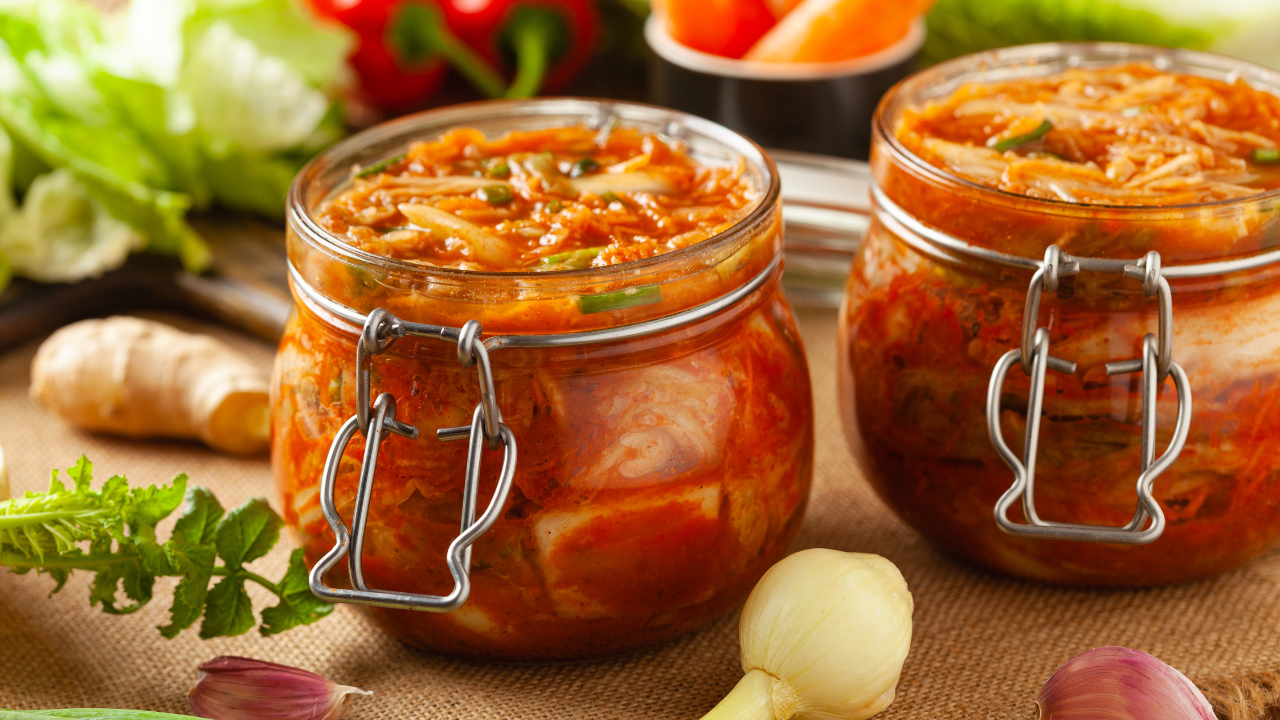
Fermented ingredients bring complexity that is hard to create with basic seasoning alone. Miso, kimchi, sauerkraut, soy sauce, and other fermented foods develop savory, tangy, and sometimes slightly sweet notes over time. Miso can deepen salad dressings, soups, and marinades with just a small amount. Kimchi can add heat and acidity to grain bowls, stir-fries, or simple vegetable dishes. Sauerkraut can bring a bright, sour note to salads, sandwiches, or bowls while adding more flavor variety to everyday meals. These ingredients are often powerful, so a little can go a long way. Adding them carefully can make a simple meal taste more layered without requiring a complicated recipe.
8. Layer Herbs and Spices
© Hell's Kitchen
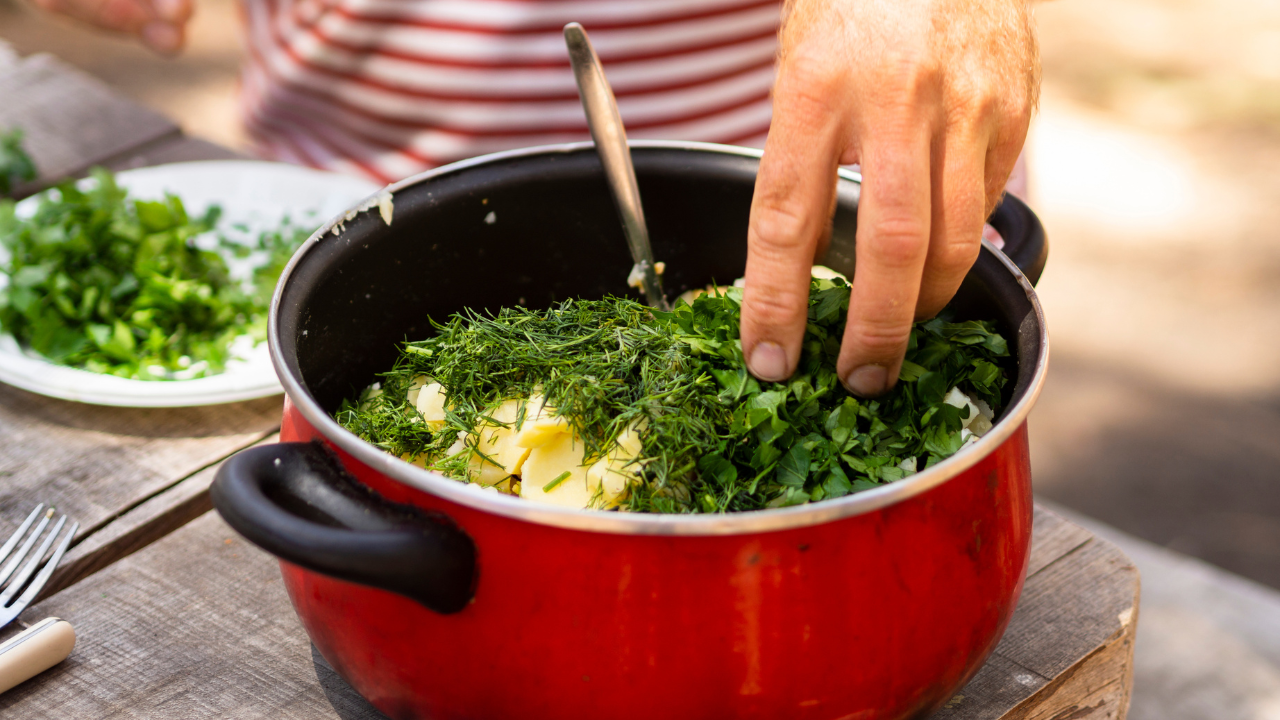
Herbs and spices work best when they are added with timing in mind. Sturdier herbs such as rosemary, thyme, and oregano can be added earlier because they hold up well during cooking. More delicate herbs such as parsley, basil, dill, and cilantro are usually better added near the end so their flavor stays fresh. Spices can also taste deeper when briefly cooked in oil with aromatics like onion or garlic. This process helps release their fragrance and creates a stronger flavor base for dishes such as chili, curry, soups, and sauces. Starting with small amounts makes it easier to build flavor without overwhelming the dish. With practice, layering herbs and spices can make healthy meals taste more complete and carefully seasoned.

Comments (0)
No comments yet. Be the first to share your thoughts!