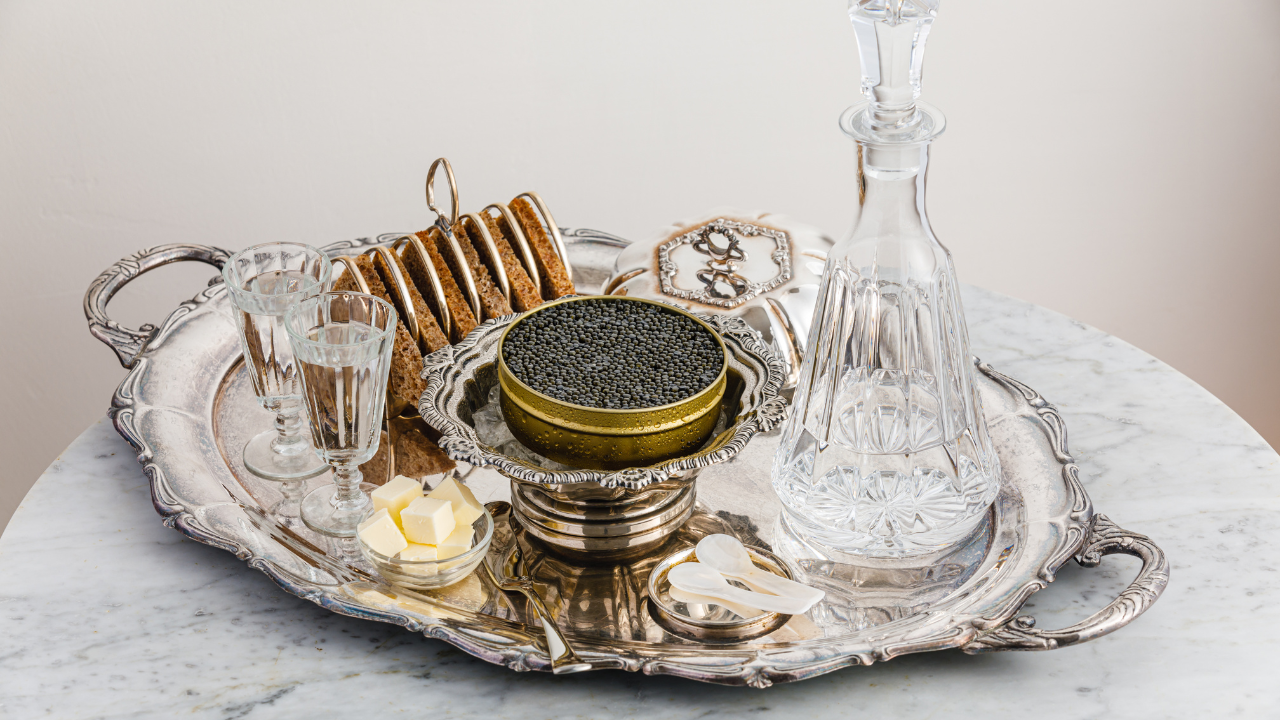
Luxury dining continues to captivate food enthusiasts around the world, drawing attention to rare and high-end ingredients. From exotic fruits to premium meats and delicate fungi, some foods command prices far beyond everyday meals due to scarcity, labor-intensive production, or exceptional flavor. Understanding what makes these ingredients special can inspire culinary creativity and provide insight into global gourmet culture. Here are 10 of the most expensive foods and what sets them apart.
1. Bluefin tuna
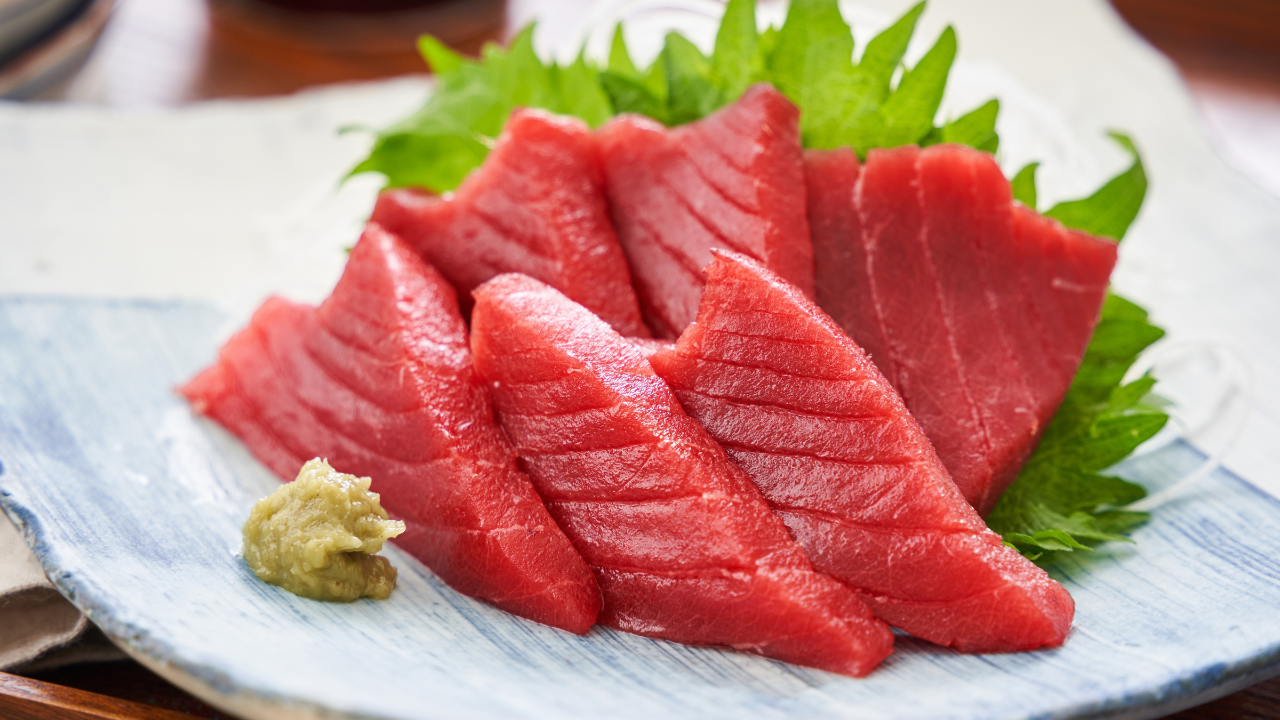
Bluefin tuna is highly prized for its rich, buttery texture and intense flavor. Its scarcity and overfishing concerns have contributed to soaring prices, with top-quality fish fetching hundreds of dollars per pound. Often enjoyed raw in sushi, sashimi, or as crudo, bluefin tuna delivers a dense, steak-like texture that melts in the mouth. Grilling or searing is also possible, but chefs often emphasize its natural flavor in raw preparations. For a more affordable option, yellowfin or albacore tuna provides a similar taste and texture without the extreme price.
2. Kobe beef
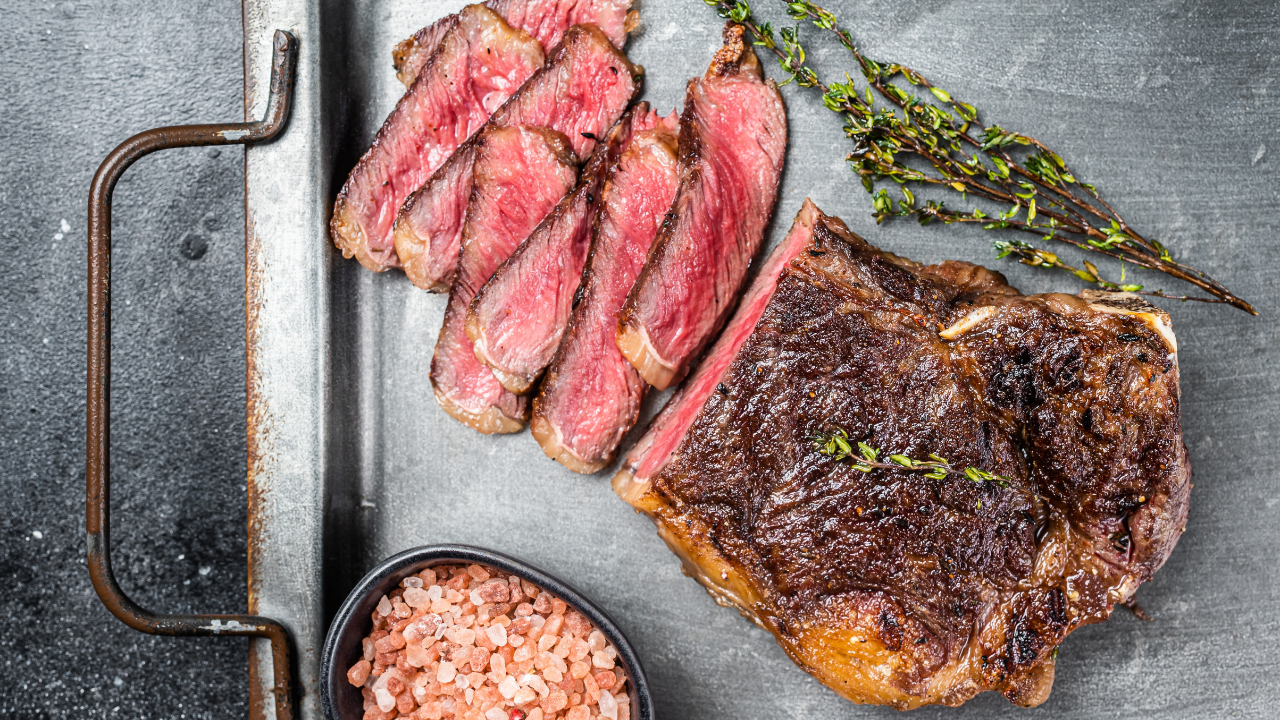
Hailing from Japan’s Hyogo Prefecture, Kobe beef is renowned for its exceptional marbling, tenderness, and buttery flavor. These cattle are raised with meticulous care, including specialized diets and stress-free environments, resulting in a unique, melt-in-your-mouth experience. Dishes such as steak, shabu-shabu, and teppanyaki showcase its rich umami flavor. While Kobe beef commands high prices, premium domestic cuts like USDA Prime or Choice offer comparable flavor and texture for home cooks seeking a luxurious alternative.
3. Densuke watermelon
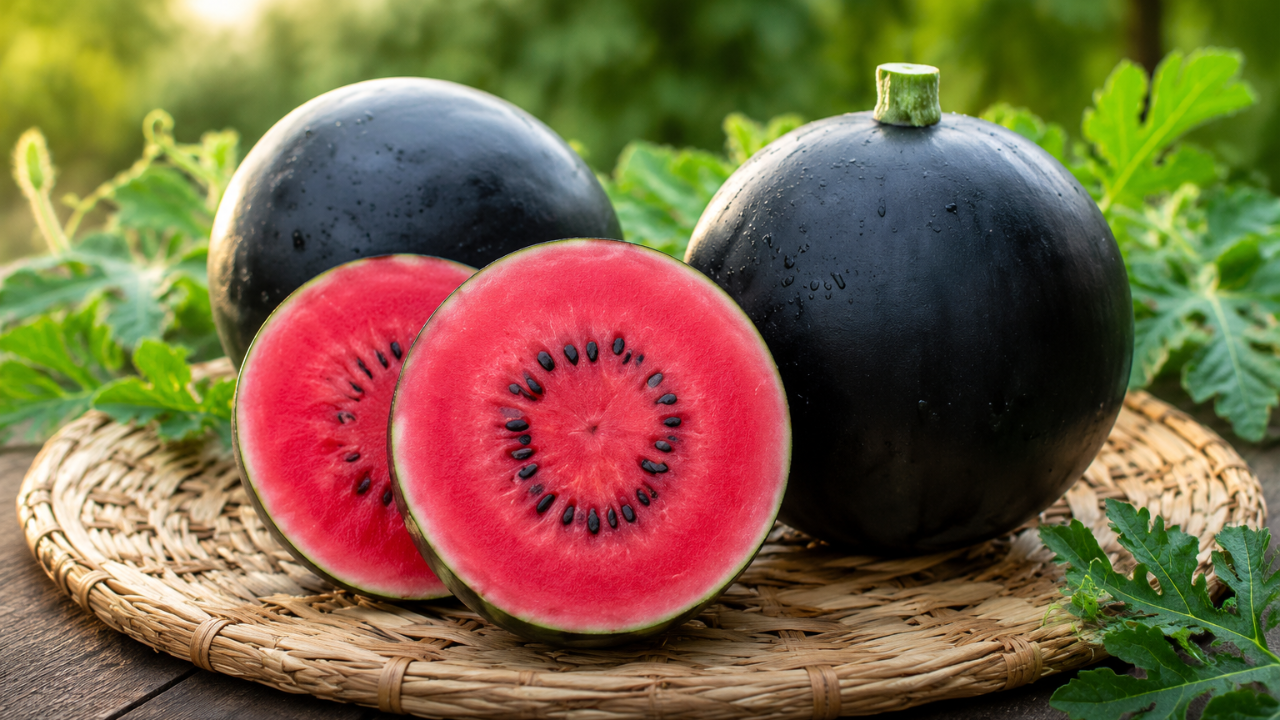
Grown only in Hokkaido, Japan, Densuke watermelons are recognizable by their black rinds and vivid red flesh. Their exceptional sweetness, crisp texture, and limited harvest of often under 10,000 per year make them highly coveted. These melons are often served as high-end desserts, fruit platters, or in cocktails and sorbets. More affordable watermelon varieties, such as Crimson Sweet or Sugar Baby, provide a similar juicy and sweet experience without the extreme cost.
4. Saffron
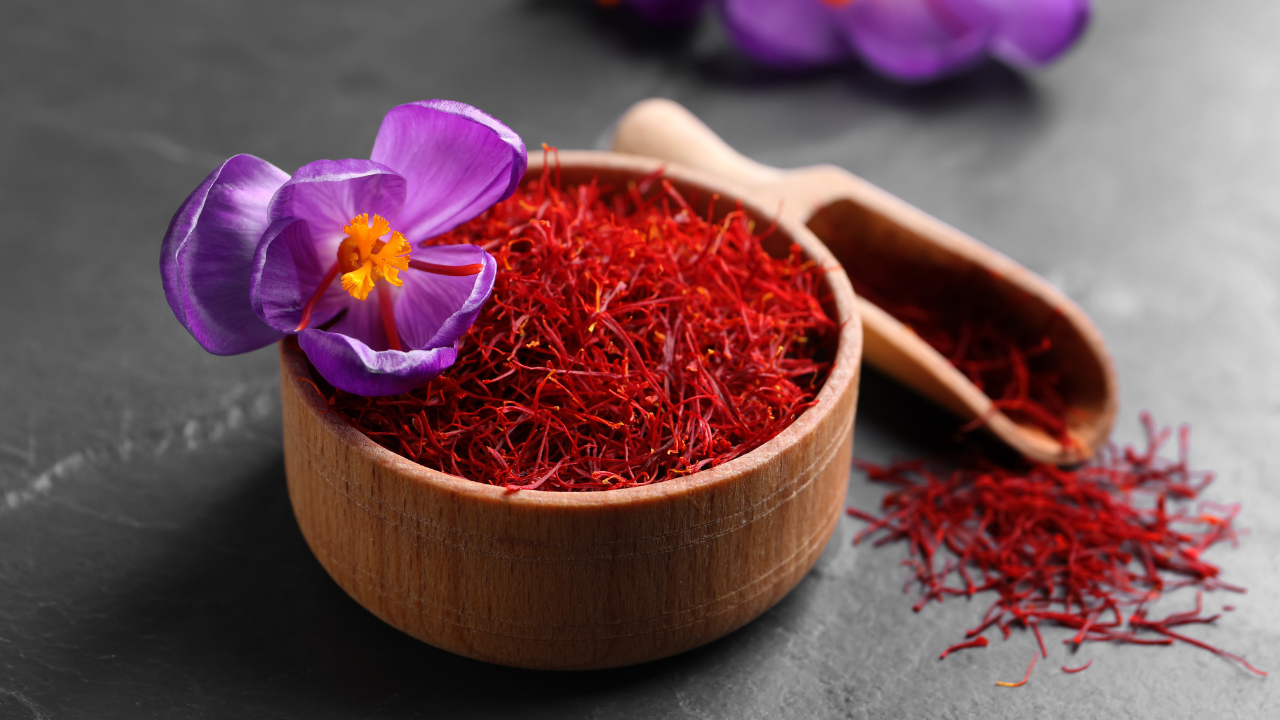
Saffron is harvested from the delicate stigmas of Crocus sativus flowers, requiring significant labor for minimal yield. Its floral, subtly sweet, and earthy flavor adds depth to dishes such as paella, risotto, bouillabaisse, and Persian ice cream. While expensive, saffron can be substituted with turmeric, safflower petals, or annatto seeds for color and a mild flavor alternative. Infusing threads in warm liquid before cooking ensures the maximum aroma and hue are released in any dish.
5. Beluga caviar
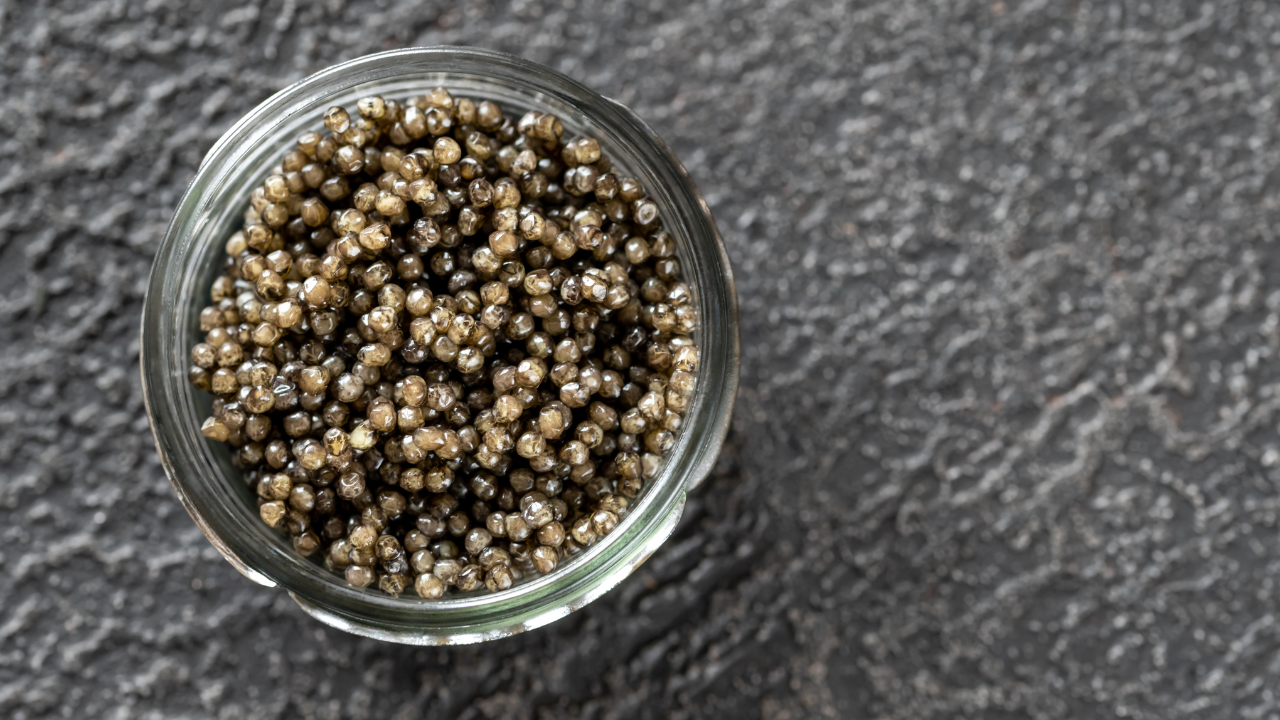
Beluga caviar comes from the roe of beluga sturgeon, prized for its creamy, buttery texture and nutty undertones. Its scarcity and slow maturation contribute to its high price. Traditionally served on blinis, toast points, or as a garnish for oysters and sushi, beluga caviar adds luxury to dishes without needing heavy seasoning. For a more accessible alternative, American paddlefish caviar or salmon roe can provide a similar taste experience.
6. Edible gold
Edible gold is primarily used for decoration in high-end cuisine and beverages. It is flavorless and odorless, making it ideal for elevating the visual appeal of desserts, chocolates, sushi, or cocktails. Its high cost reflects both the value of gold and the careful process of producing consumable sheets or flakes. For an alternative luxury presentation, chefs often use edible silver, glitter, or pearl dust to achieve an impressive effect at a lower cost.
7. Iberico ham
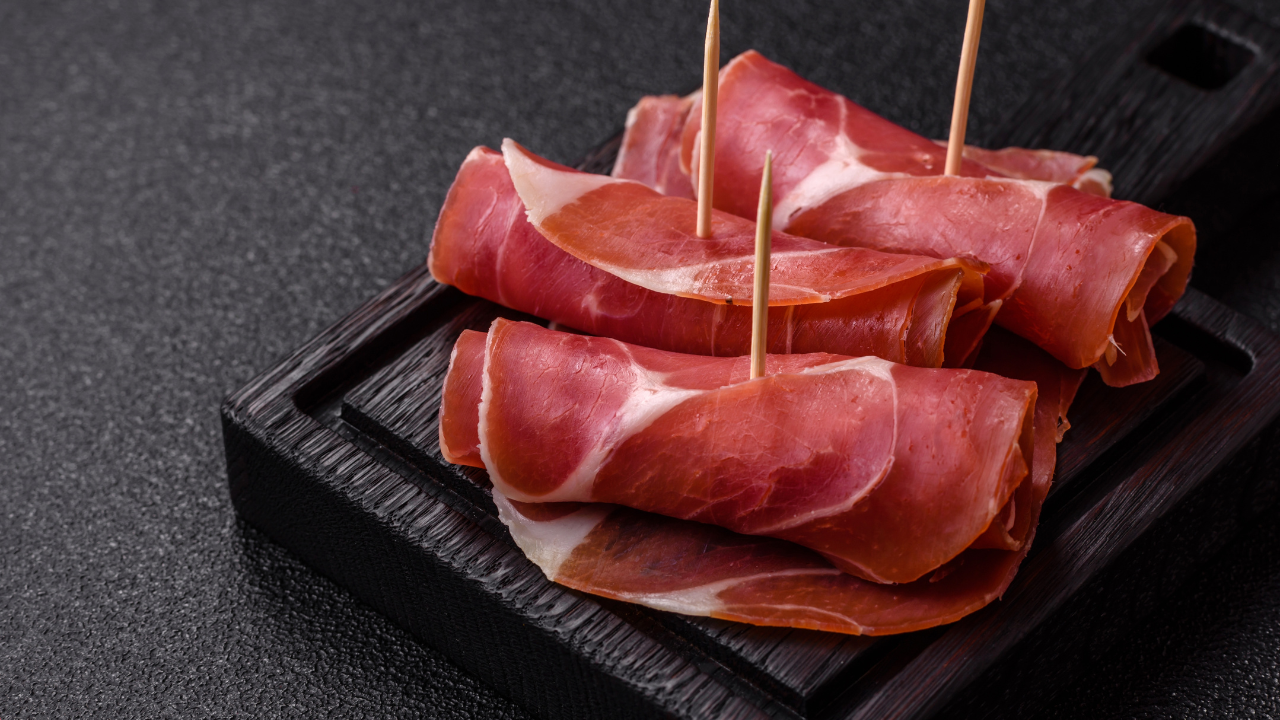
Iberico ham, or Jamón Iberico, is crafted from Iberian pigs fed a specialized diet of acorns and raised in designated regions of Spain and Portugal. The extended curing process enhances its nutty, slightly sweet flavor and melt-in-your-mouth texture. Shoulder cuts offer a more affordable option, while Serrano ham or Italian prosciutto provides a tasty alternative for those seeking a similar indulgence without the premium price. Iberico ham is commonly used on charcuterie boards, tapas, or in gourmet preparations.
8. White Alba truffles
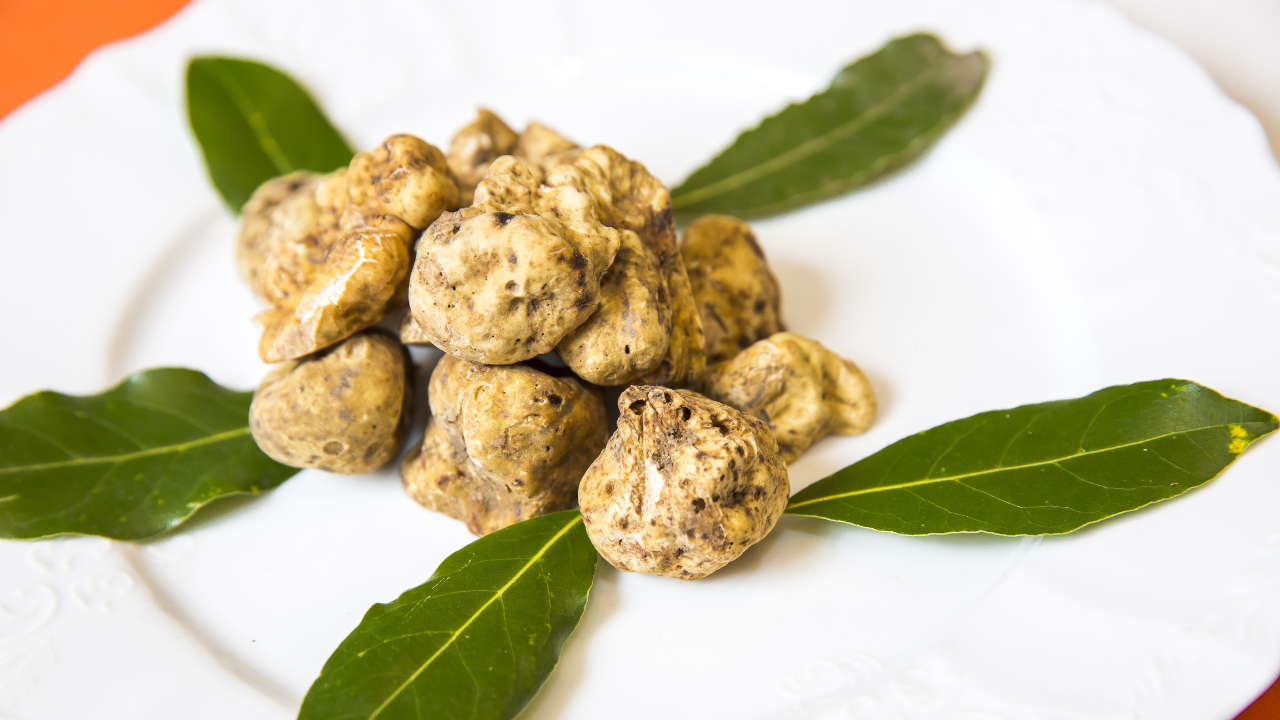
White Alba truffles are rare fungi found primarily in Italy’s Piedmont region. Harvested with specially trained dogs or pigs, their pungent aroma combines earthy, garlicky, and nutty notes. Thinly shaved over pasta, risotto, or eggs, these truffles impart intense umami and luxurious flavor. While truffle oils, salts, and butters cannot fully replicate the taste, they offer an accessible way to enjoy truffles’ signature flavor in everyday cooking.
9. Kopi luwak coffee
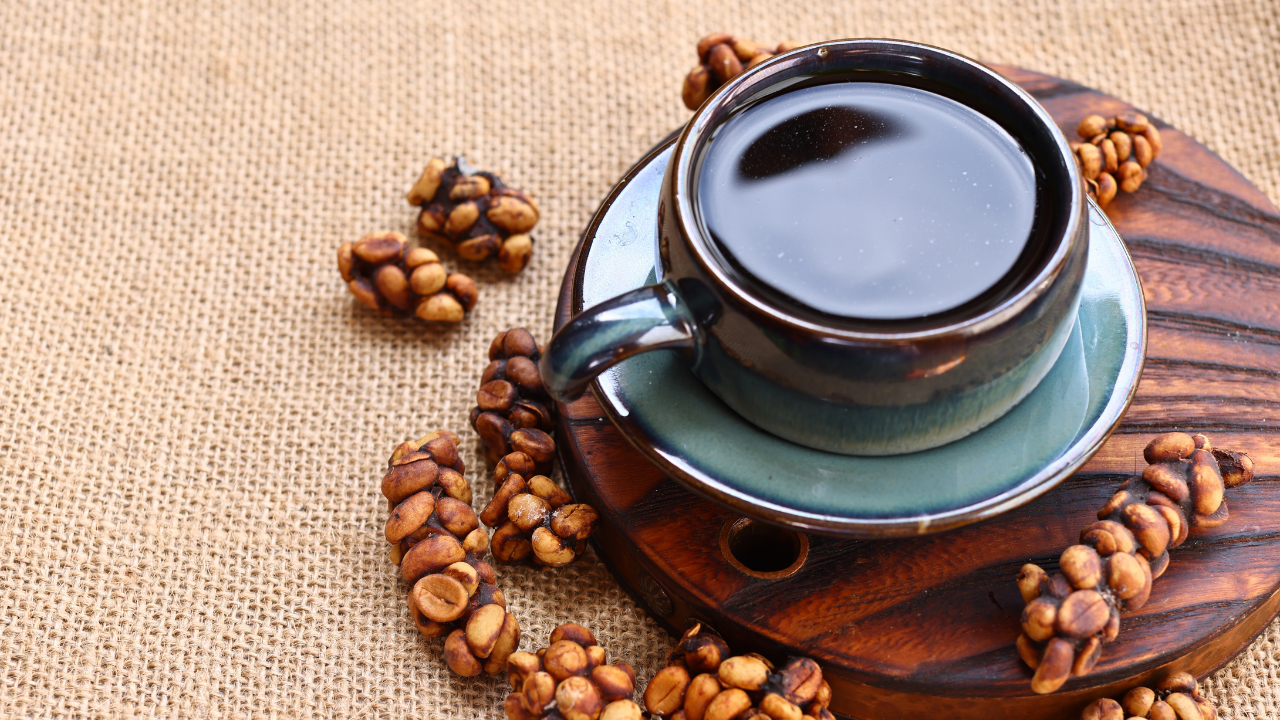
Kopi Luwak, or civet coffee, is produced from coffee beans eaten and excreted by Asian palm civets. This process imparts a smooth, less acidic flavor with chocolate and caramel undertones. Due to labor-intensive collection and limited supply, wild Kopi Luwak commands several hundred dollars per pound. For a more accessible experience, Jamaican Blue Mountain, Hawaiian Kona, or Ethiopian Yirgacheffe coffee offers similar richness and aromatic complexity.
10. Wagyu beef
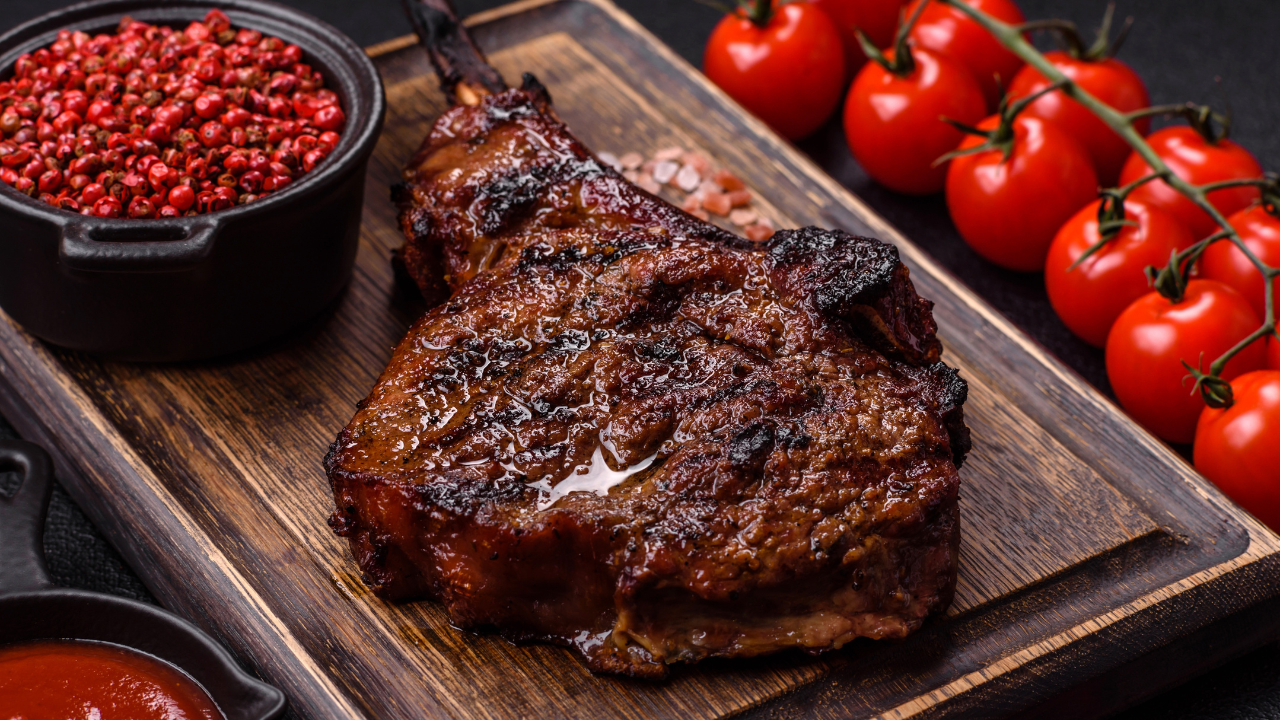
Wagyu beef, bred in Japan, is known for its intense marbling, buttery texture, and umami flavor. Its high price stems from specialized feeding, rearing, and a limited global supply. Popular dishes include Wagyu steak, burgers, sushi, and carpaccio. American Wagyu or premium cuts such as ribeye and filet mignon offer a more affordable way to experience rich marbling and succulent beef, while still providing a luxurious dining experience.
Comments (0)
No comments yet. Be the first to share your thoughts!