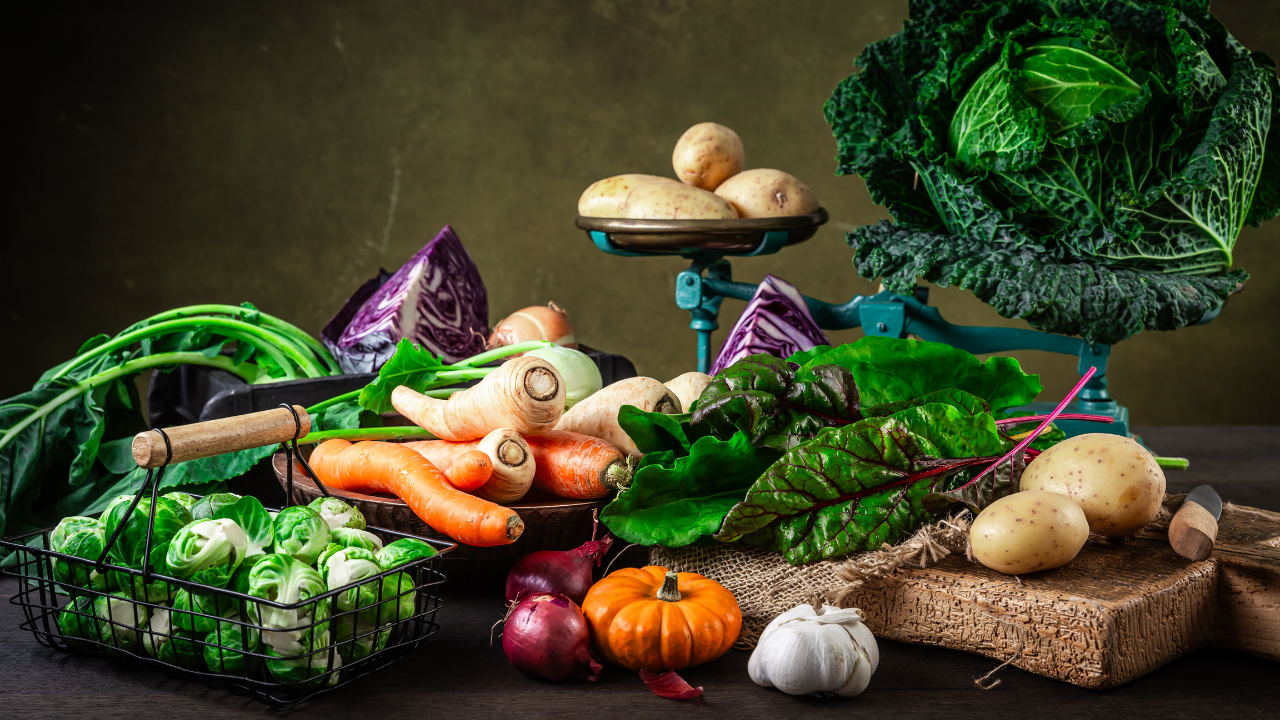
Winter produce can bring color, flavor, and useful nutrients to meals during colder months. Winter ingredients such as roots, greens, citrus, cabbage, and nuts can add different textures, flavors, and nutrients to meals. Some are best roasted or added to soups, while others work well raw in salads, smoothies, or snacks. Eating seasonally can also make meals feel more varied when fresh summer produce is less available. These winter vegetables and fruits can help add fiber, vitamins, minerals, and antioxidants to everyday meals.
1. Beetroot
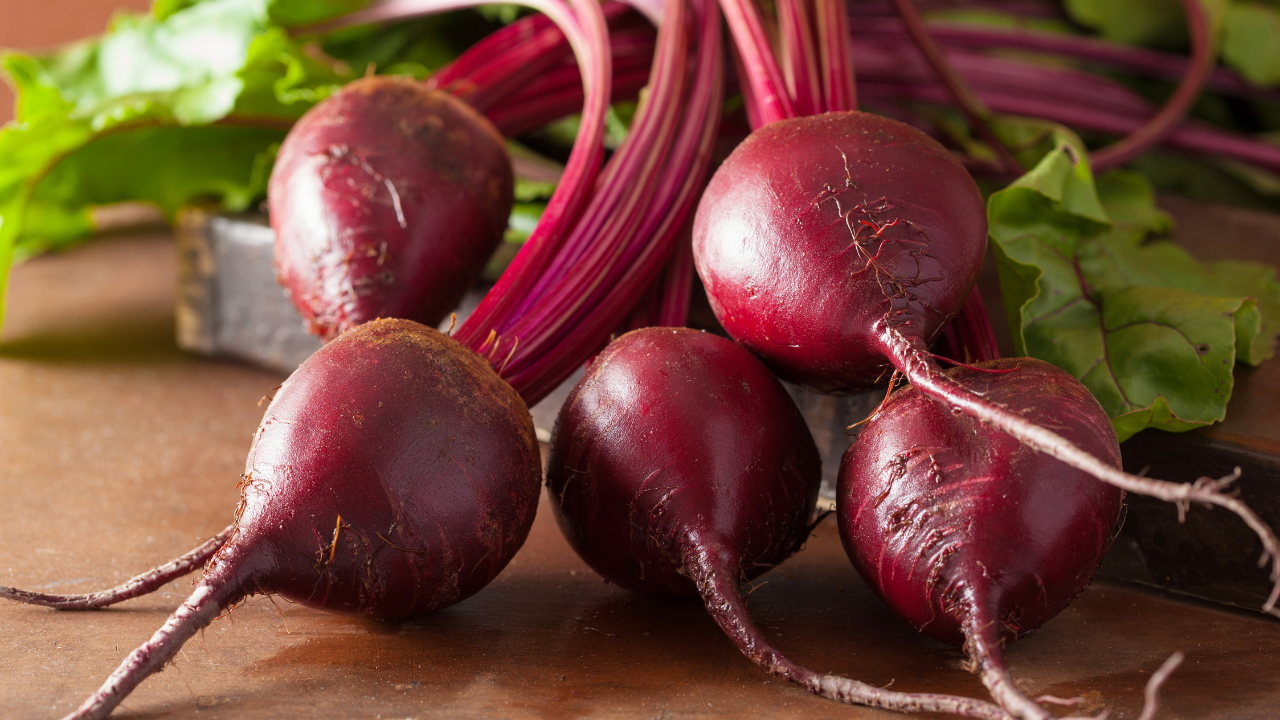
Beetroot is a winter vegetable known for its deep color and earthy flavor. It contains fiber, folate, and plant compounds that can support a balanced diet. Roasting brings out its natural sweetness, while steaming keeps the texture softer and lighter. It can also be sliced raw into salads for extra crunch and color. Beetroot works well with citrus, herbs, goat cheese, grains, and nuts.
2. Brussels sprouts
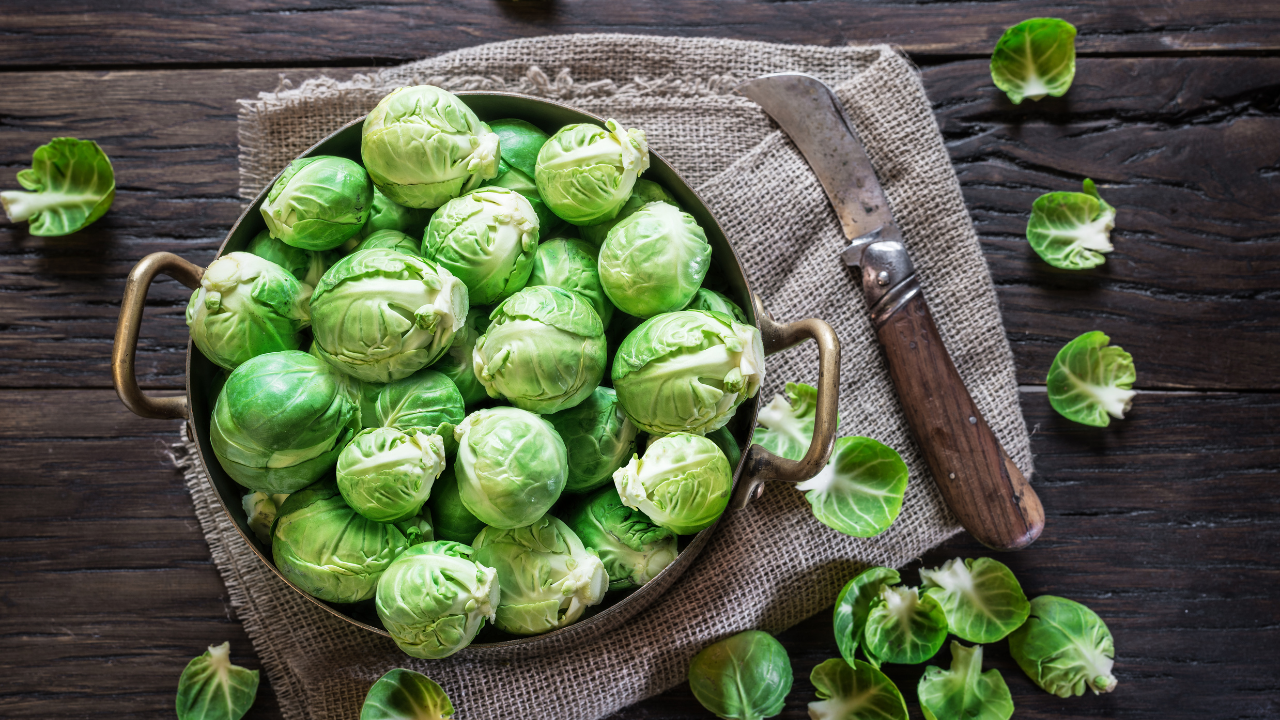
Brussels sprouts are small cruciferous vegetables with a firm texture and slightly nutty flavor when cooked well. They provide fiber, vitamin K, and antioxidants, making them a useful seasonal side. Roasting them at high heat helps crisp the edges and soften their strong taste. They can also be shredded raw into salads or sautéed with garlic. A little lemon juice or vinegar can help balance their richness after cooking.
3. Butternut squash
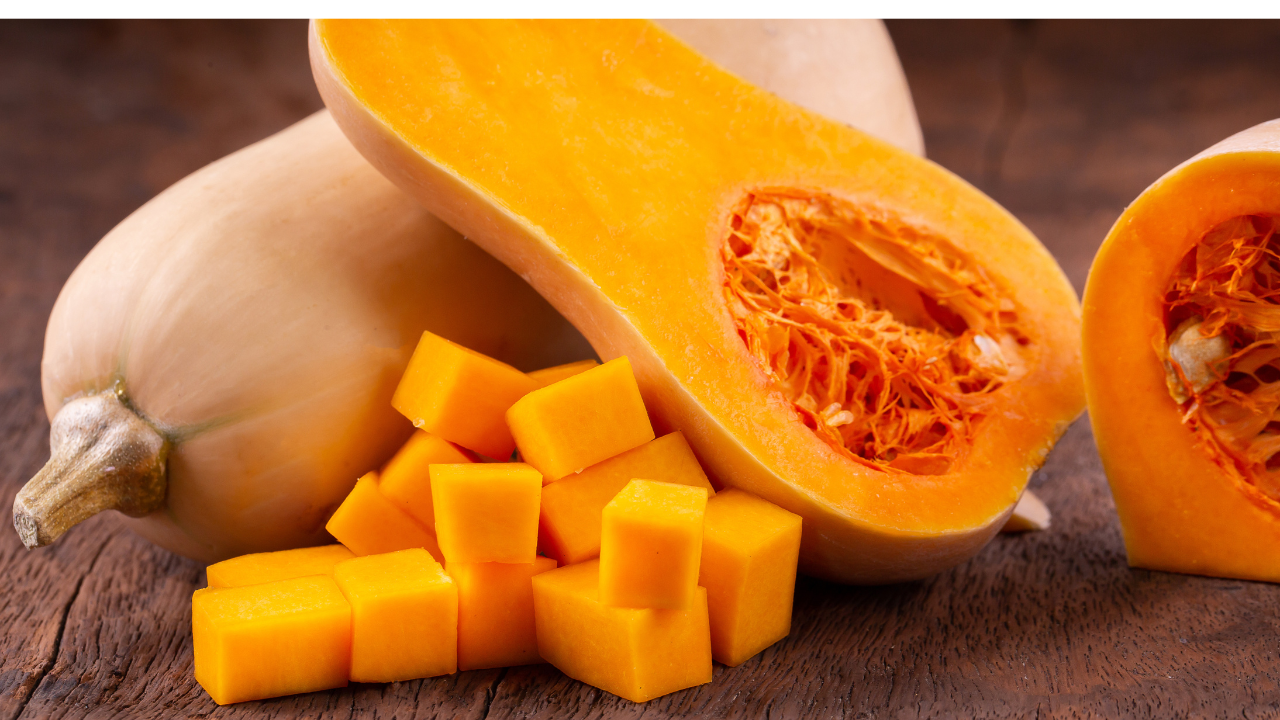
Butternut squash is a winter favorite with a naturally sweet flavor and smooth texture. It contains fiber and beta-carotene, which the body can convert into vitamin A. This makes it useful in meals that focus on color, comfort, and nutrition. Roasting deepens its sweetness, while blending it into soup creates a creamy result without needing much extra fat. It also works well in grain bowls, pasta dishes, and casseroles.
4. Carrots
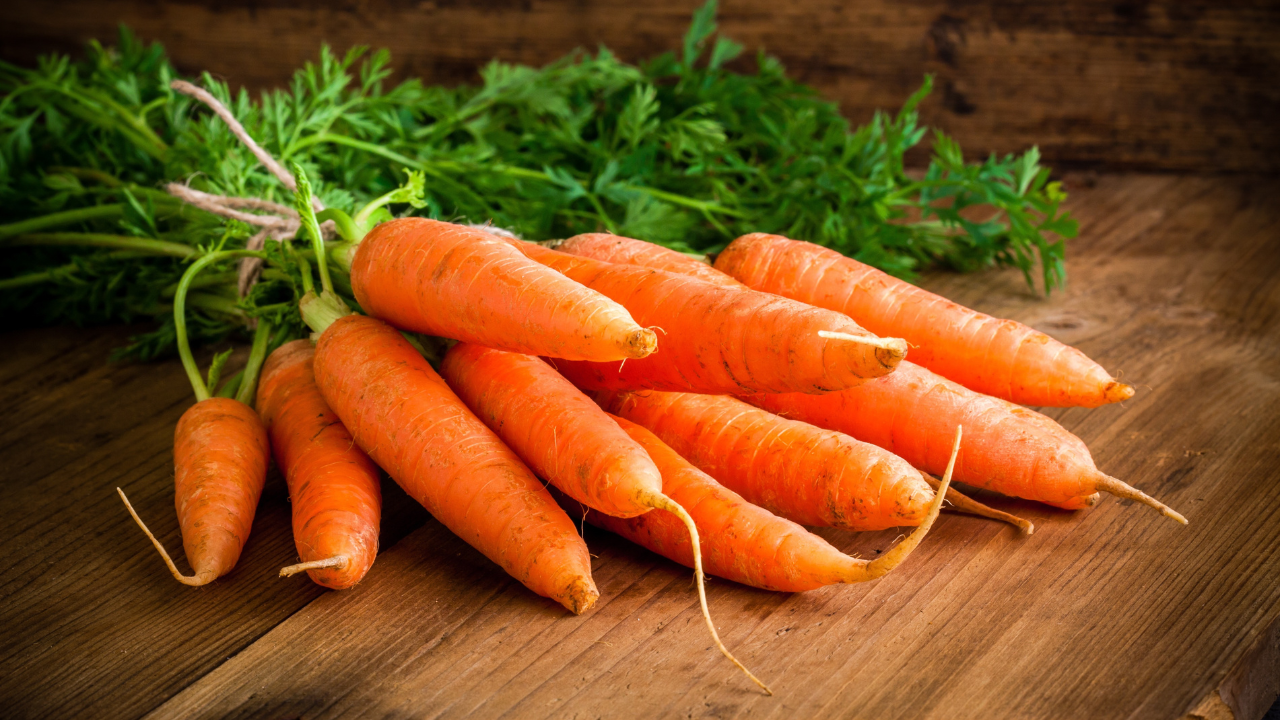
Carrots are widely available in winter and easy to use in both raw and cooked dishes. They contain fiber, beta-carotene, and other protective plant compounds. Their natural sweetness makes them useful in soups, stews, roasted vegetable trays, and salads. Roasting carrots can bring out a richer flavor, while grating them fresh adds crunch. They are also simple to pair with herbs, citrus, honey, ginger, or spices.
5. Cauliflower
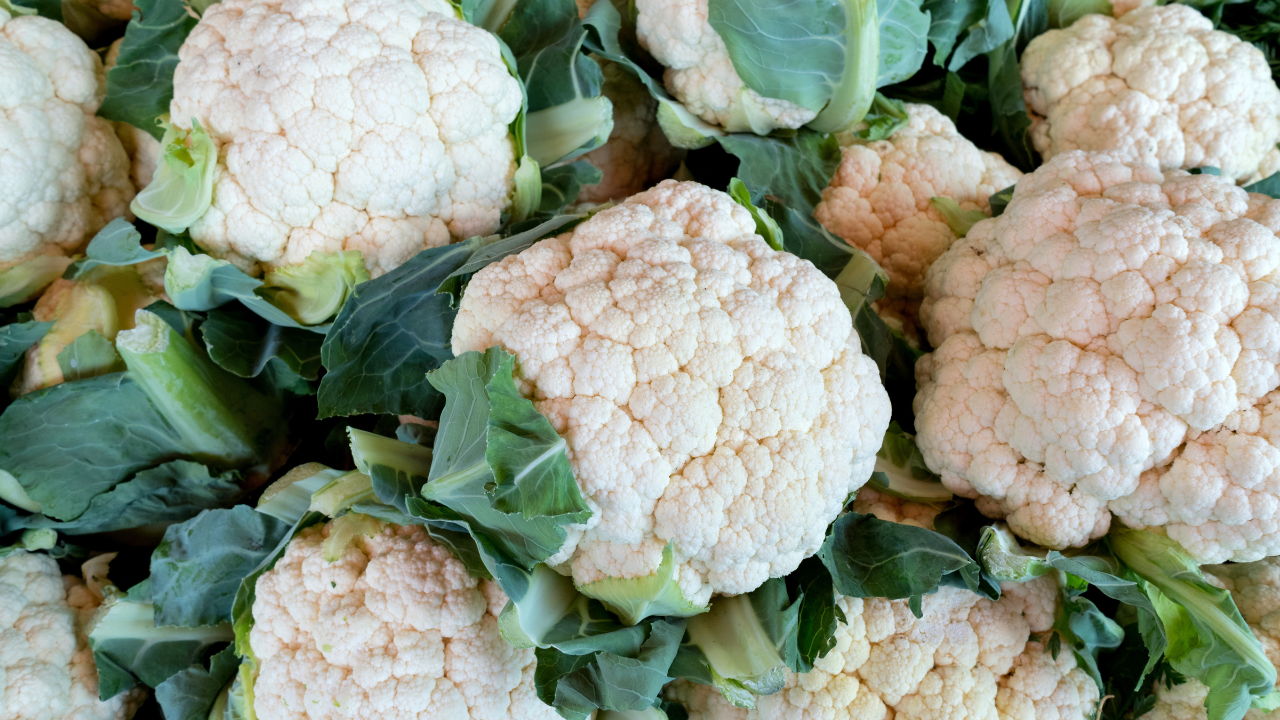
Cauliflower is a flexible winter vegetable that can be roasted, steamed, mashed, or used as a lighter substitute for rice. It contains nutrients such as fiber and choline, along with plant compounds found in cruciferous vegetables. Its mild flavor allows it to take on spices, sauces, and seasonings easily. Roasted cauliflower develops crisp edges and a deeper taste. It can also be blended into soups or added to curries and casseroles.
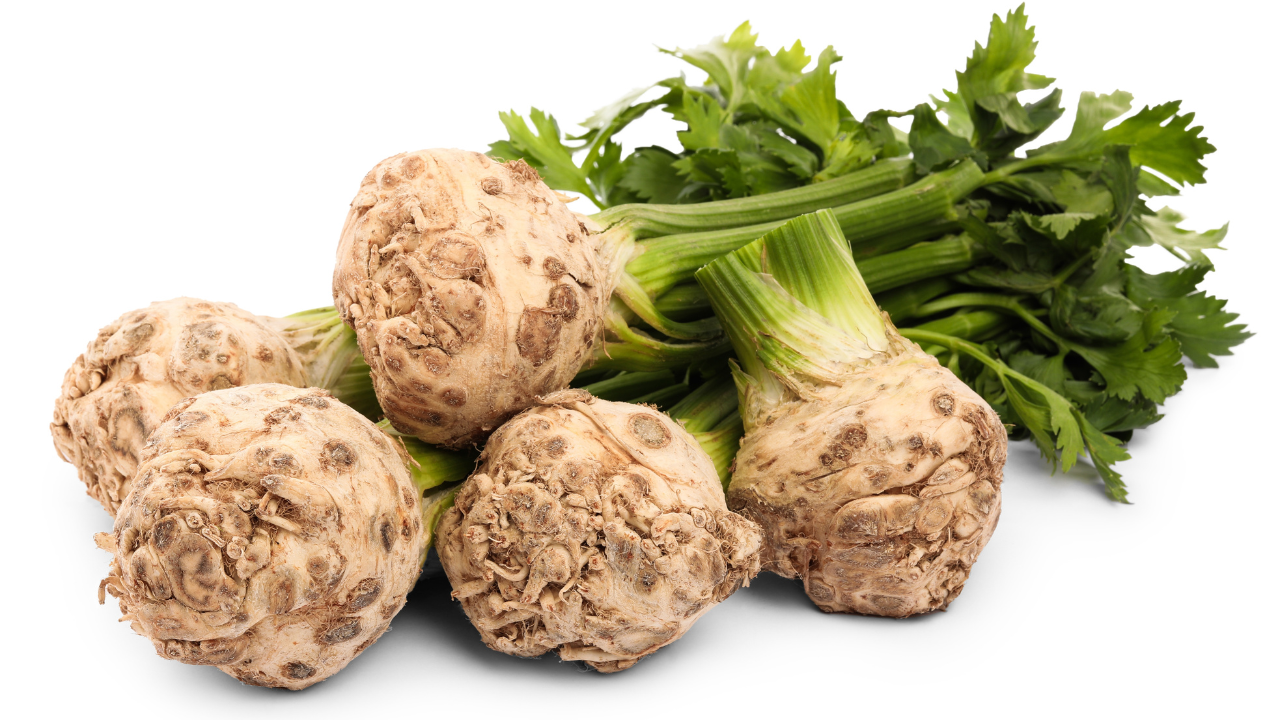
6. Celeriac
Celeriac is a root vegetable related to celery, but it has a denser texture and a mild, earthy flavor. It contains fiber, which can support digestion as part of a balanced diet. It also provides vitamin C, a nutrient connected to immune function and skin health. Celeriac can be roasted, mashed, added to soups, or sliced into slaws. Its subtle celery-like taste works well with potatoes, apples, mustard, herbs, and creamy sauces.
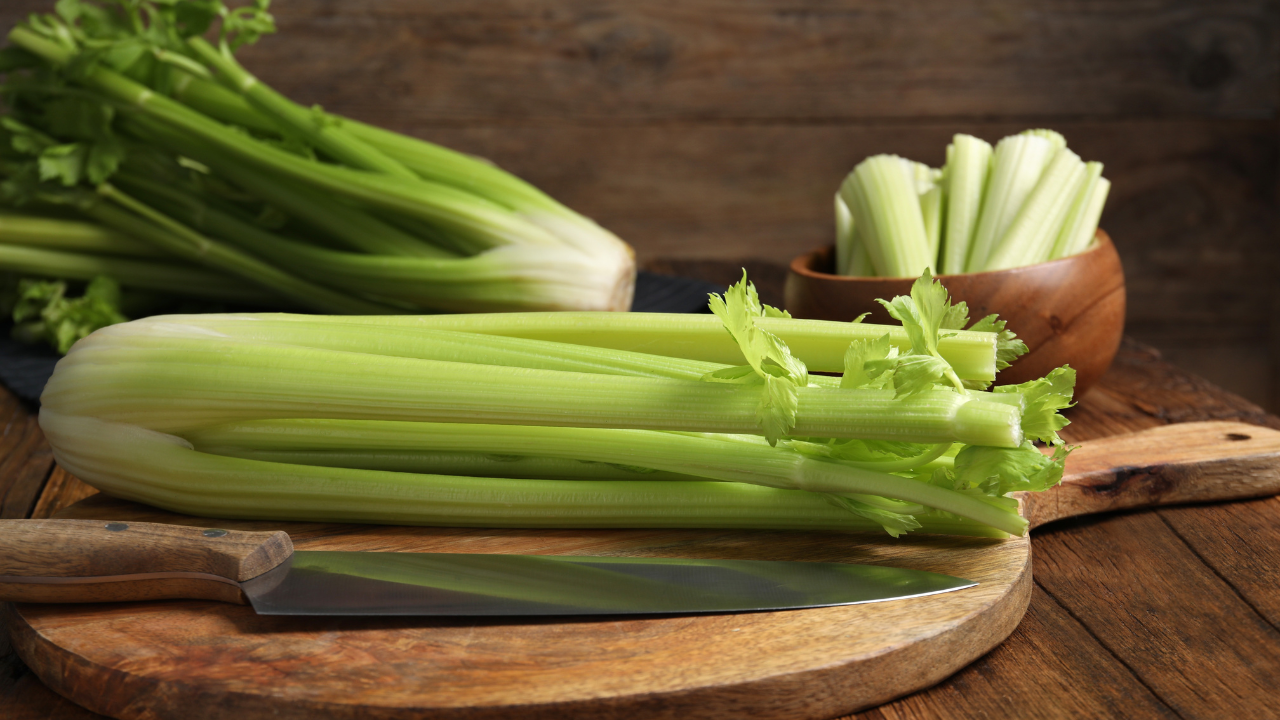
7. Celery
Celery is light, crisp, and often used as a base ingredient in soups, stews, and salads. It contains antioxidants and plant compounds that can add value to everyday meals. Its mild flavor makes it easy to combine with stronger ingredients like onions, carrots, garlic, and herbs. Raw celery works well with dips, nut butter, or chopped into grain salads. Cooked celery can add background flavor without overpowering a dish.
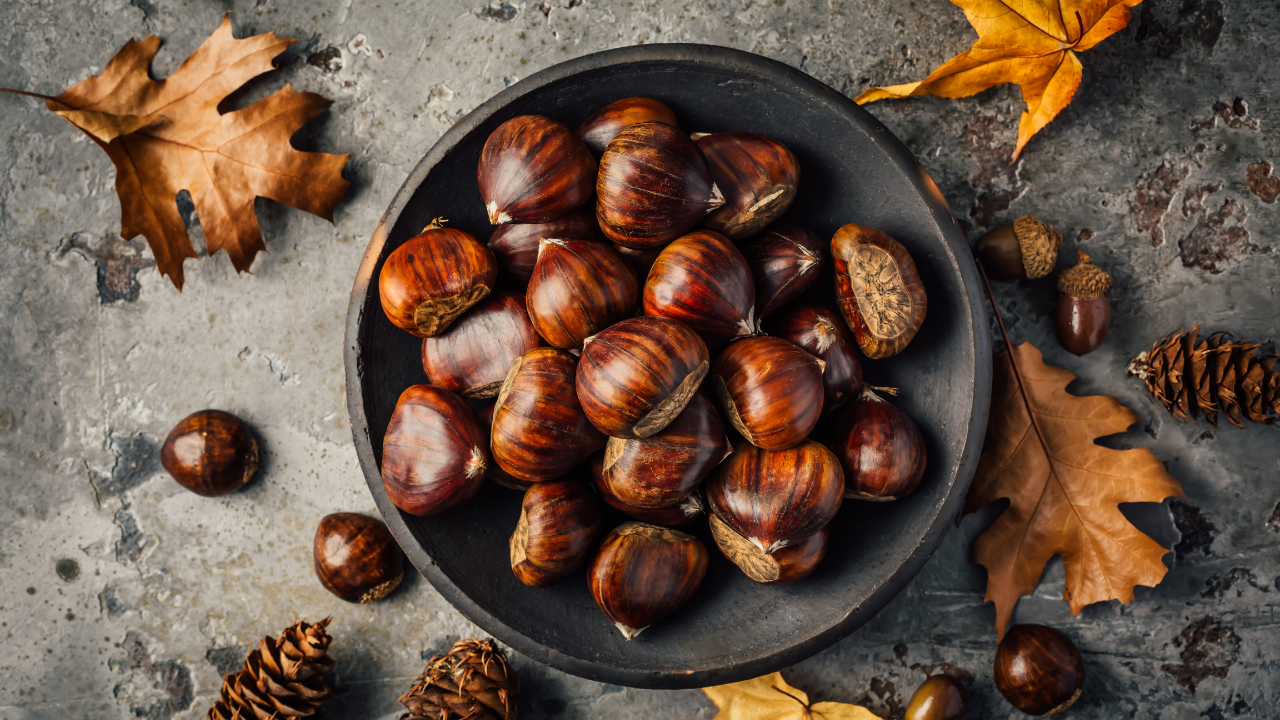
8. Chestnuts
Chestnuts have a sweet, mild flavor and a softer texture than many other nuts. They are lower in fat than most nuts and contain antioxidants, including compounds linked to eye and heart health. Roasting is one of the most common ways to prepare them, especially during colder months. They can also be added to stuffing, soups, purees, or baked goods. Their gentle sweetness makes them useful in both savory and sweet recipes.
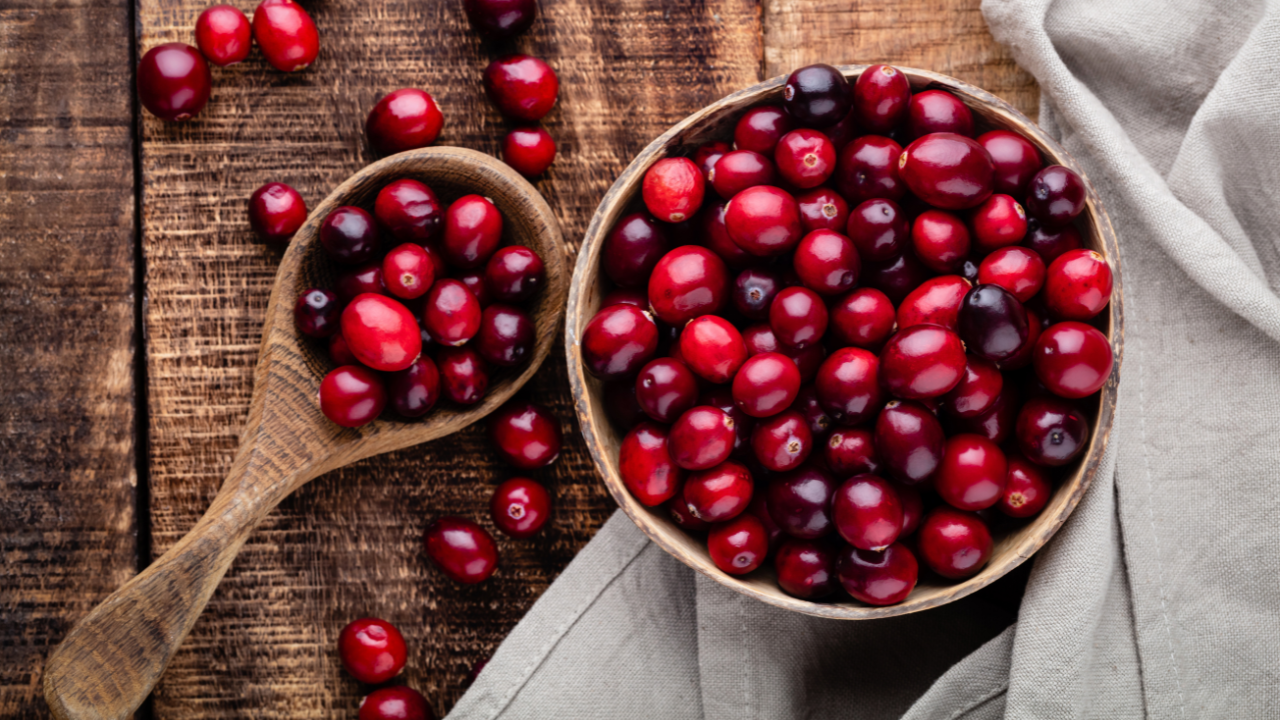
9. Cranberries
Cranberries are tart winter berries often used in sauces, baked goods, drinks, and salads. They contain antioxidants and are commonly associated with urinary tract health, although they are best viewed as part of an overall balanced diet. Their sharp flavor pairs well with orange, apple, cinnamon, nuts, and roasted meats. Fresh cranberries can be cooked into sauces or added to smoothies in small amounts. Dried cranberries are convenient, but it is useful to check added sugar levels.
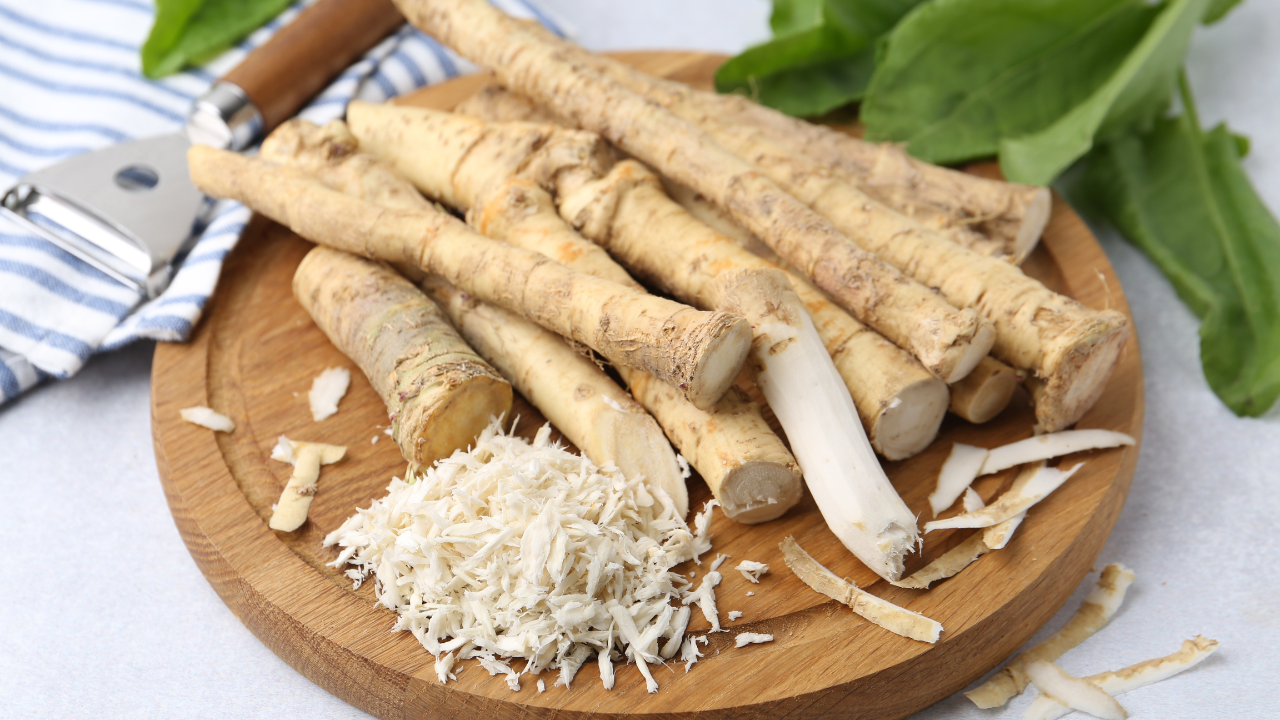
10. Horseradish
Horseradish is known for its sharp, spicy flavor and strong aroma. It is usually used in small amounts because its heat can quickly dominate a dish. Freshly grated horseradish works well with meats, roasted vegetables, sandwiches, and creamy sauces. It can add brightness without needing much salt or heavy seasoning. Since the flavor is strongest when freshly grated, it is best added close to serving time.
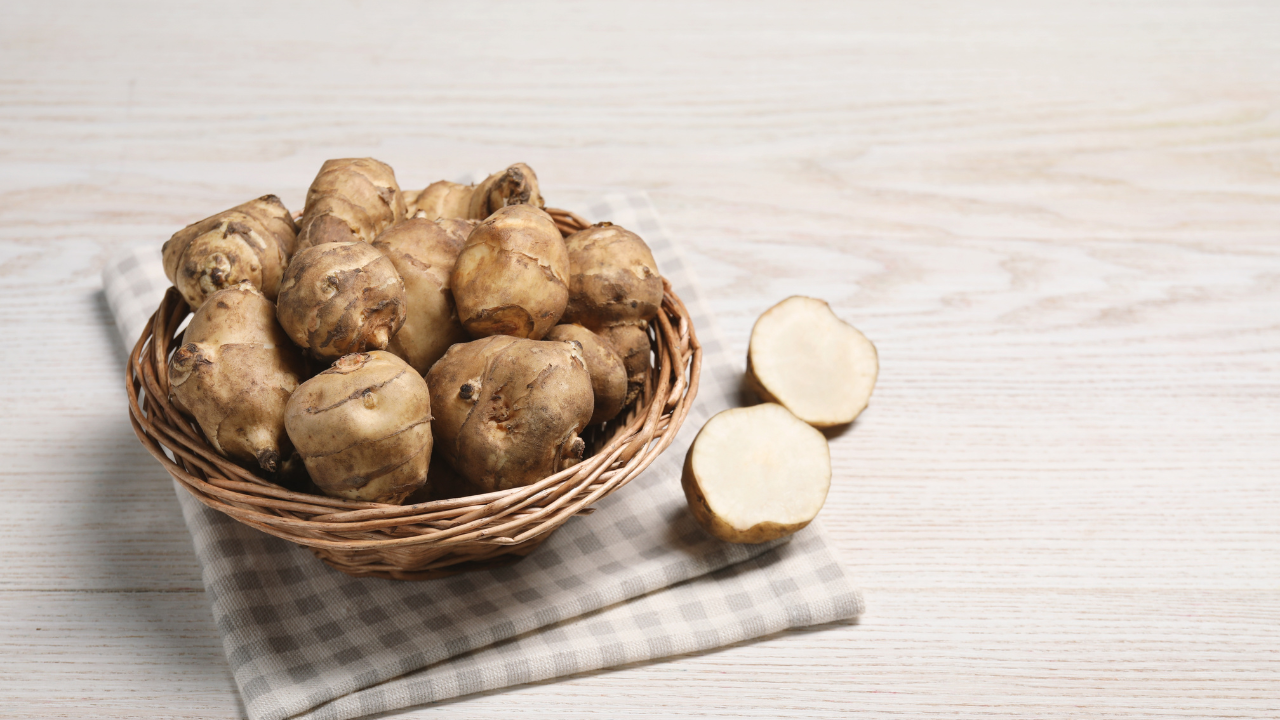
11. Jerusalem artichokes
Jerusalem artichokes, also called sunchokes, are root vegetables with a nutty flavor and crisp texture when raw. They contain potassium and inulin, a type of fiber that may support gut health for some people. Roasting makes them sweeter and softer, while slicing them raw adds crunch to salads. They can also be sautéed, blended into soups, or mixed with potatoes. Because they are high in inulin, some people may prefer to start with small portions.
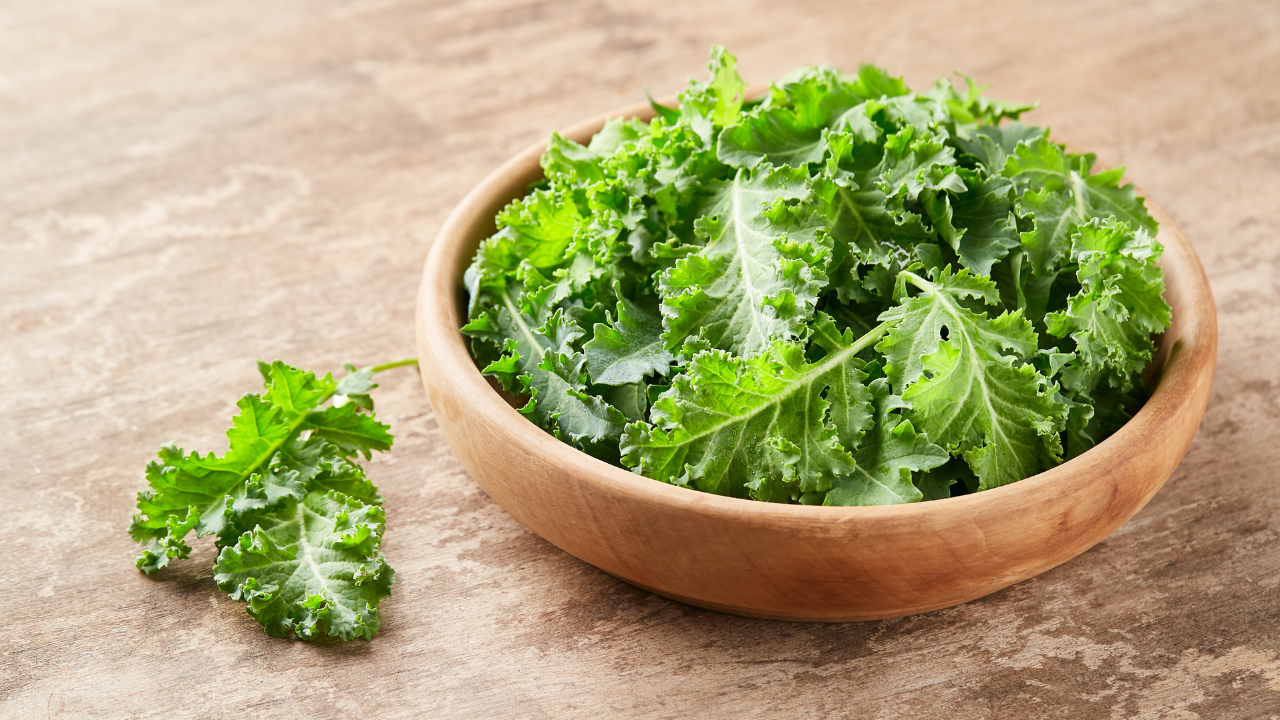
12. Kale
Kale is a dark leafy green that stays popular during colder months because it is hearty and nutrient-dense. It contains fiber, vitamins, minerals, and plant compounds associated with overall wellness. Raw kale can be massaged with dressing to soften its texture for salads. It can also be sautéed, added to soups, blended into smoothies, or baked into chips. Its sturdy leaves pair well with lemon, garlic, beans, grains, and roasted vegetables.
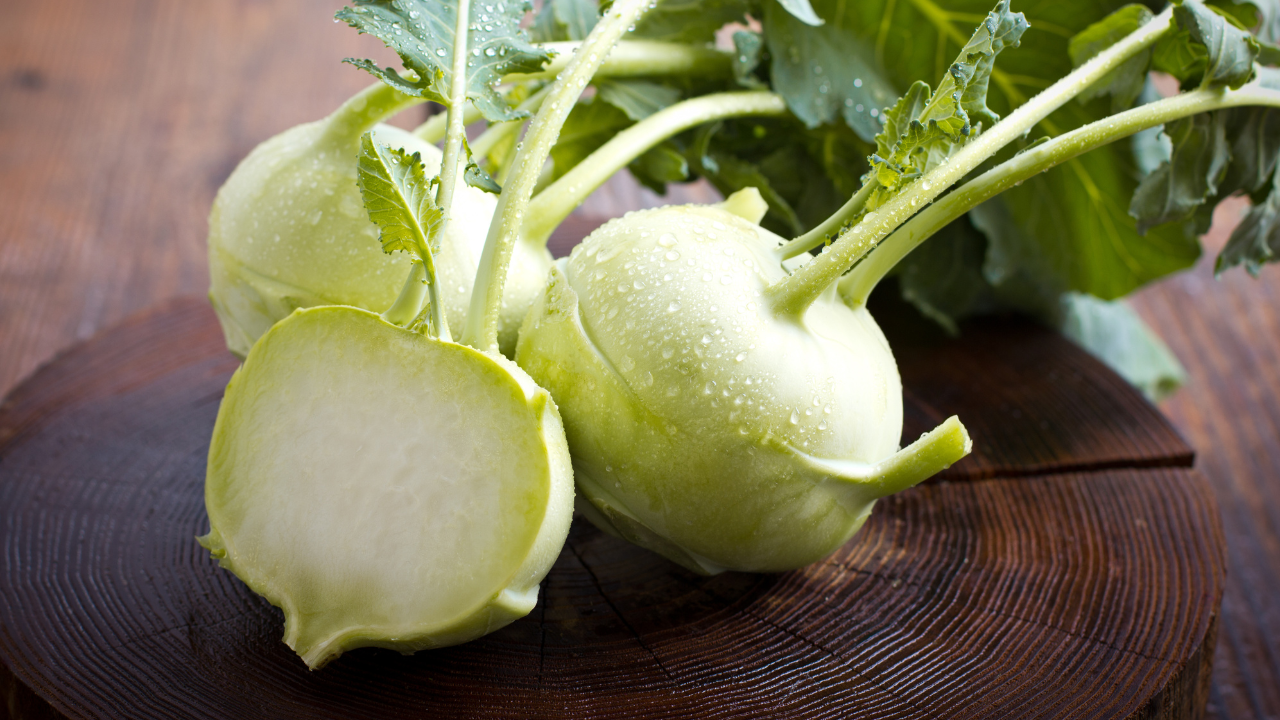
13. Kohlrabi
Kohlrabi is a crisp vegetable with a mild flavor that sits somewhere between cabbage and turnip. It contains fiber and vitamin C, making it useful in winter meals focused on freshness. Raw kohlrabi can be sliced into salads, slaws, or snack plates. Cooking softens its texture and makes it suitable for soups, stir-fries, or roasted vegetable mixes. Both the bulb and leaves can be used, depending on freshness and preparation.
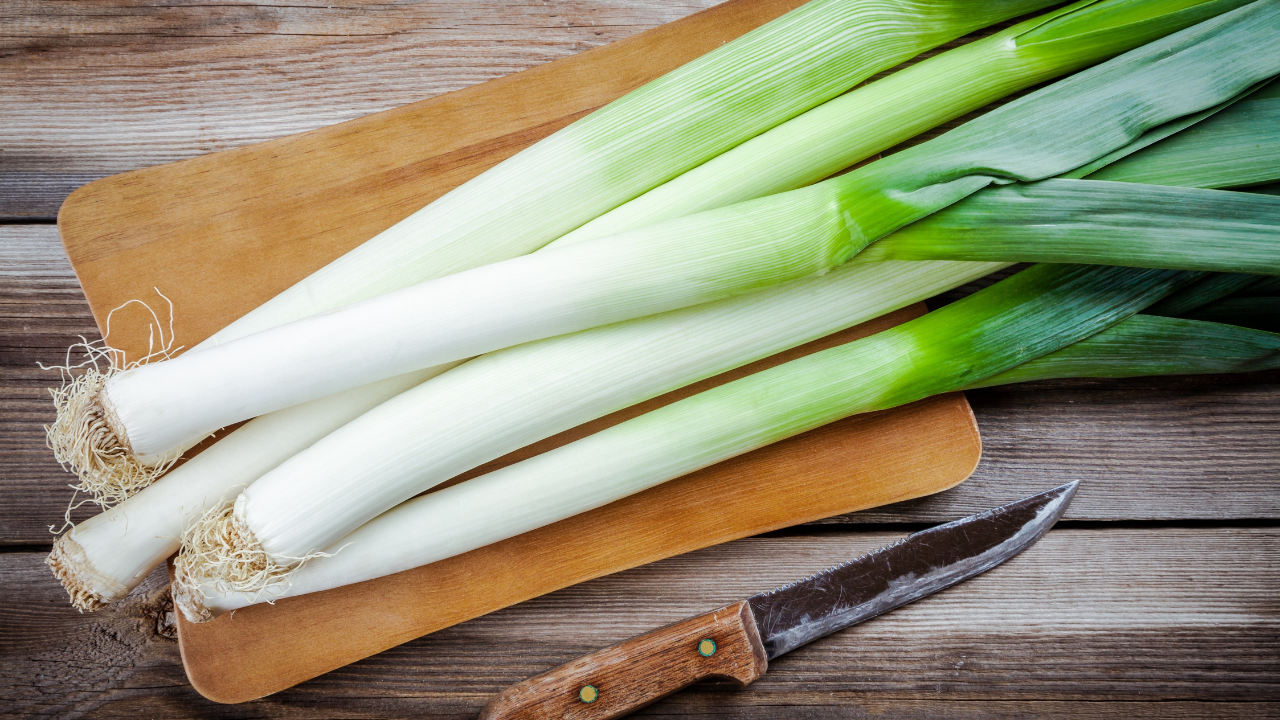
14. Leeks
Leeks bring a mild onion-like flavor to winter cooking without being as sharp as raw onions. They contain vitamins A, C, and K, along with plant compounds found in allium vegetables. Leeks work especially well in soups, stews, gratins, and savory pies. Cooking them slowly helps bring out their sweetness and soft texture. Because dirt can hide between the layers, they should be washed carefully before cooking.
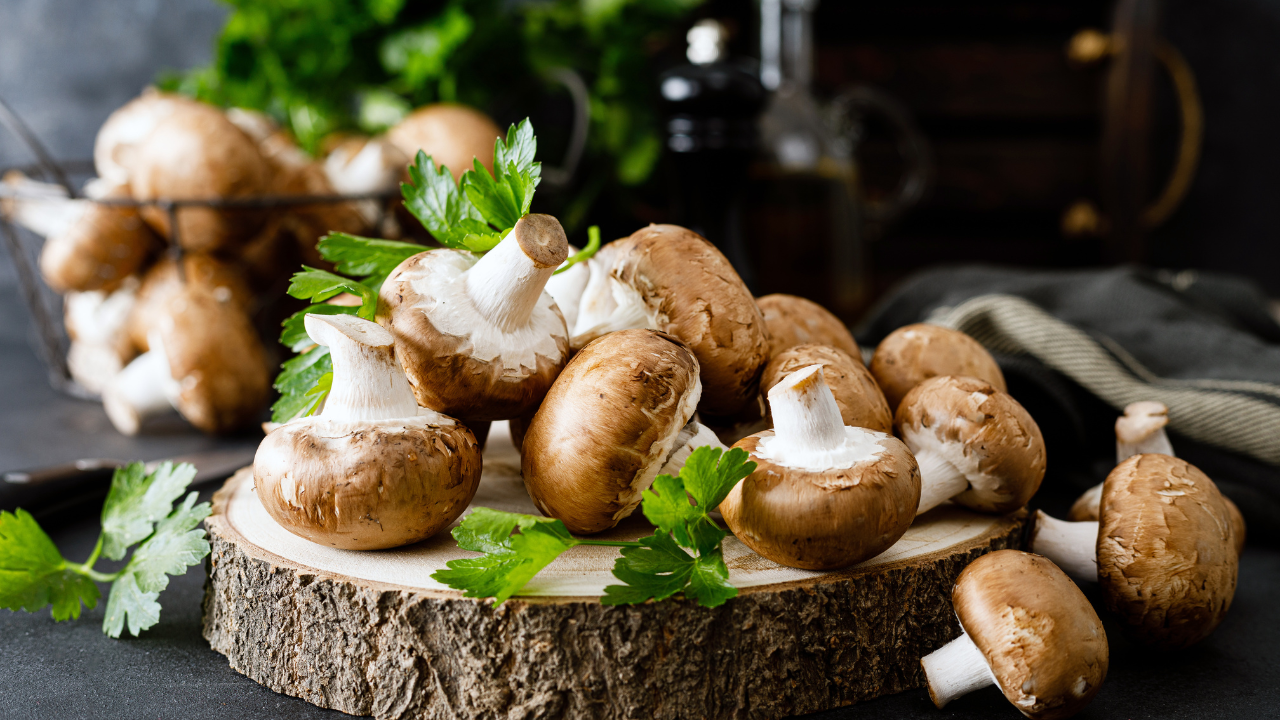
15. Mushrooms
Mushrooms are widely used in winter cooking because they bring savory depth and a meaty texture to dishes. Some varieties can provide vitamin D, especially when exposed to UV light. They are useful in soups, stews, pasta, risotto, stir-fries, and roasted vegetable dishes. Cooking mushrooms until their moisture releases and evaporates helps concentrate their flavor. They pair well with garlic, herbs, grains, eggs, and creamy sauces.
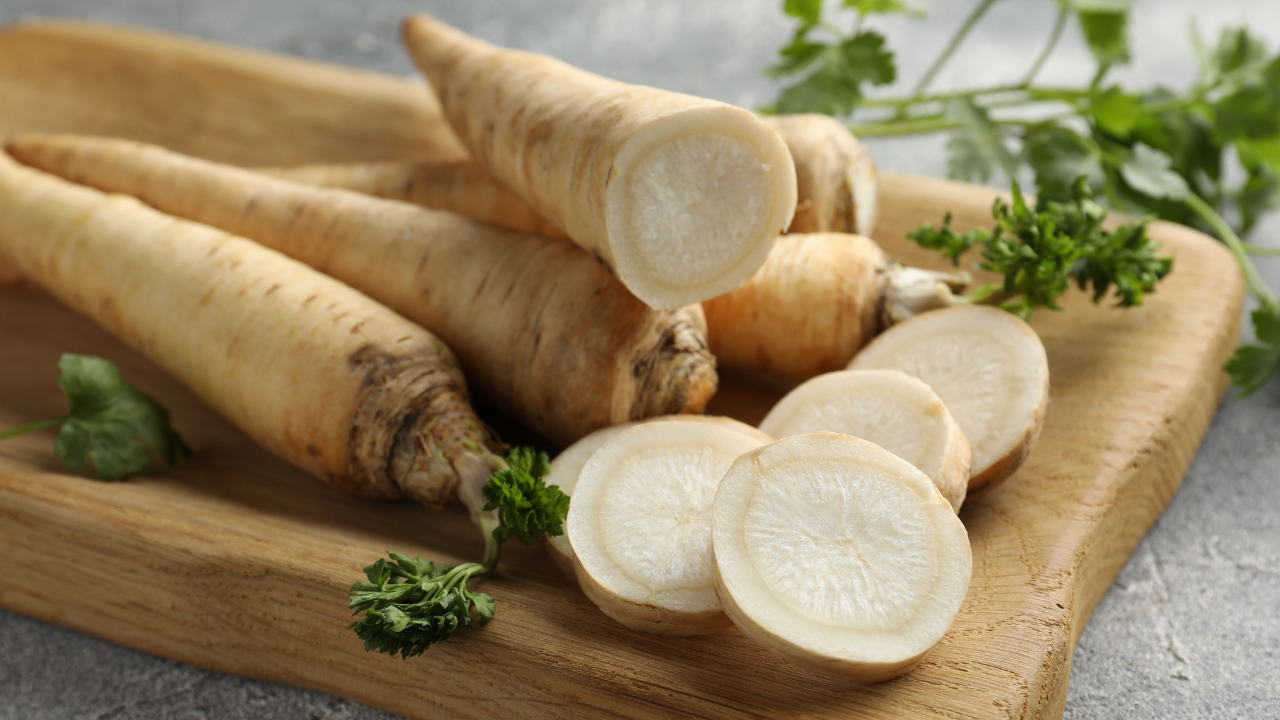
16. Parsnips
Parsnips are pale root vegetables with a sweet, earthy flavor that becomes stronger when roasted. They contain fiber and can help make winter meals feel more filling. Roasting gives them caramelized edges, while mashing creates a softer side dish. They can also be added to soups, stews, and mixed root vegetable trays. Their sweetness pairs well with carrots, potatoes, thyme, rosemary, and a touch of acidity.
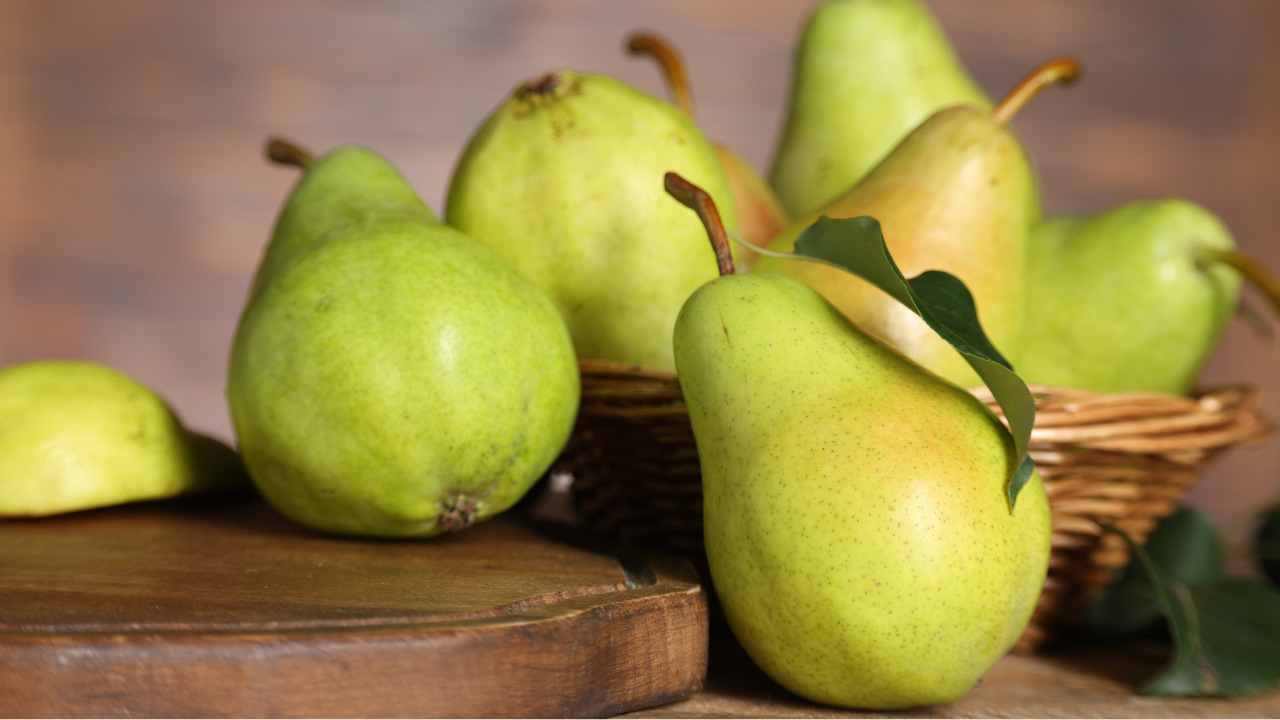
17. Pears
Pears are winter-friendly fruits with a soft texture and naturally sweet flavor. They provide fiber, vitamin C, and plant compounds that can support a balanced diet. Fresh pears work well in salads, snacks, oatmeal, and cheese boards. They can also be baked, poached, or added to desserts for a gentle sweetness. Their flavor pairs well with cinnamon, walnuts, yogurt, dark greens, and mild cheeses.
18. Pomegranate
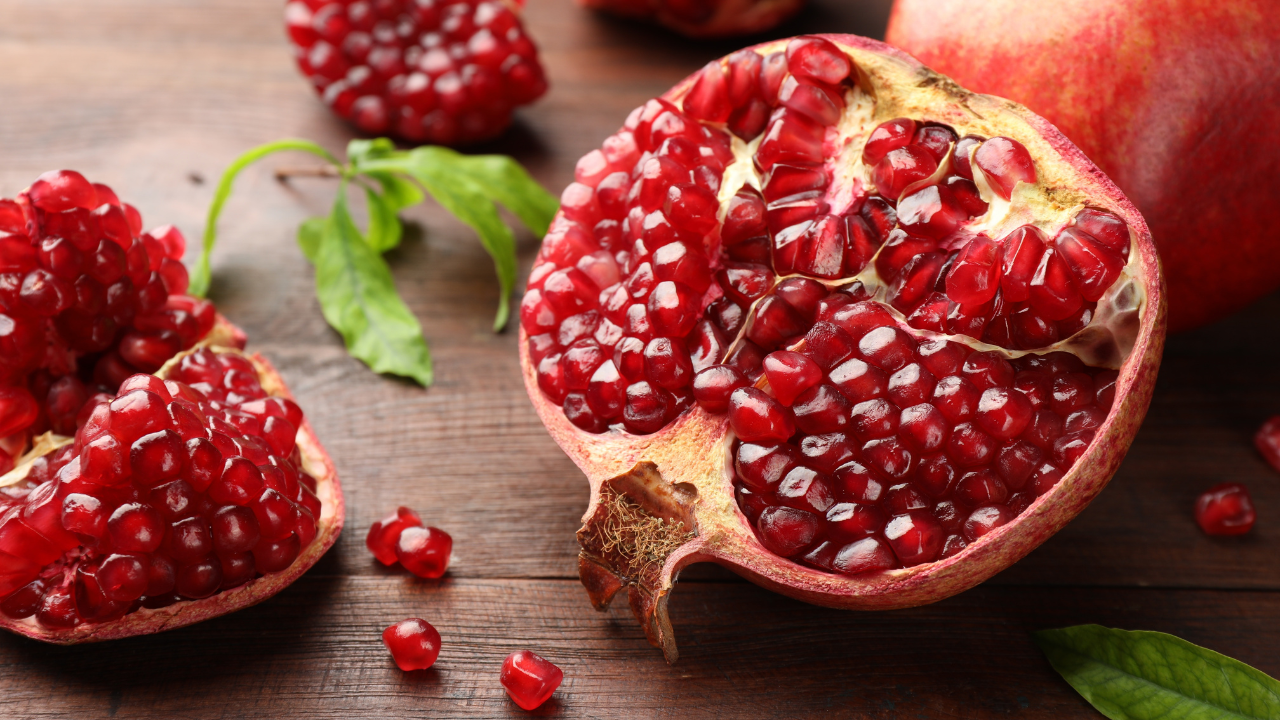
Pomegranate seeds add bright color, crunch, and tart sweetness to winter meals. They contain antioxidants that can help protect cells as part of an overall healthy eating pattern. The seeds work well in yogurt, salads, grain bowls, roasted vegetables, and desserts. Their juicy texture adds freshness to heavier winter dishes. Pomegranate also pairs well with citrus, herbs, nuts, and creamy ingredients.
19. Potatoes
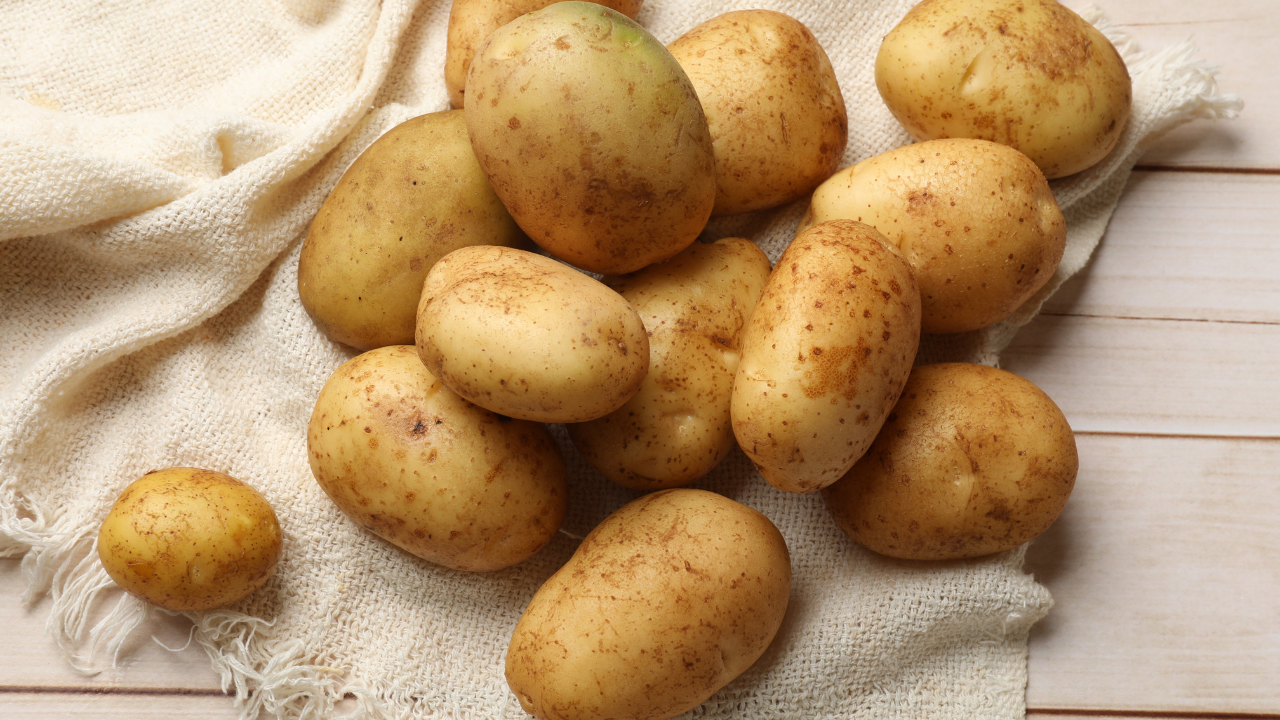
Potatoes are a long-lasting winter staple that can be used in many different meals. They contain vitamin C, B vitamins, potassium, and fiber, especially when eaten with the skin. Baking, roasting, boiling, and mashing all create different textures and uses. Potatoes can be part of soups, stews, casseroles, salads, or simple side dishes. How they are prepared matters, since lighter cooking methods can keep them more balanced.
20. Red cabbage
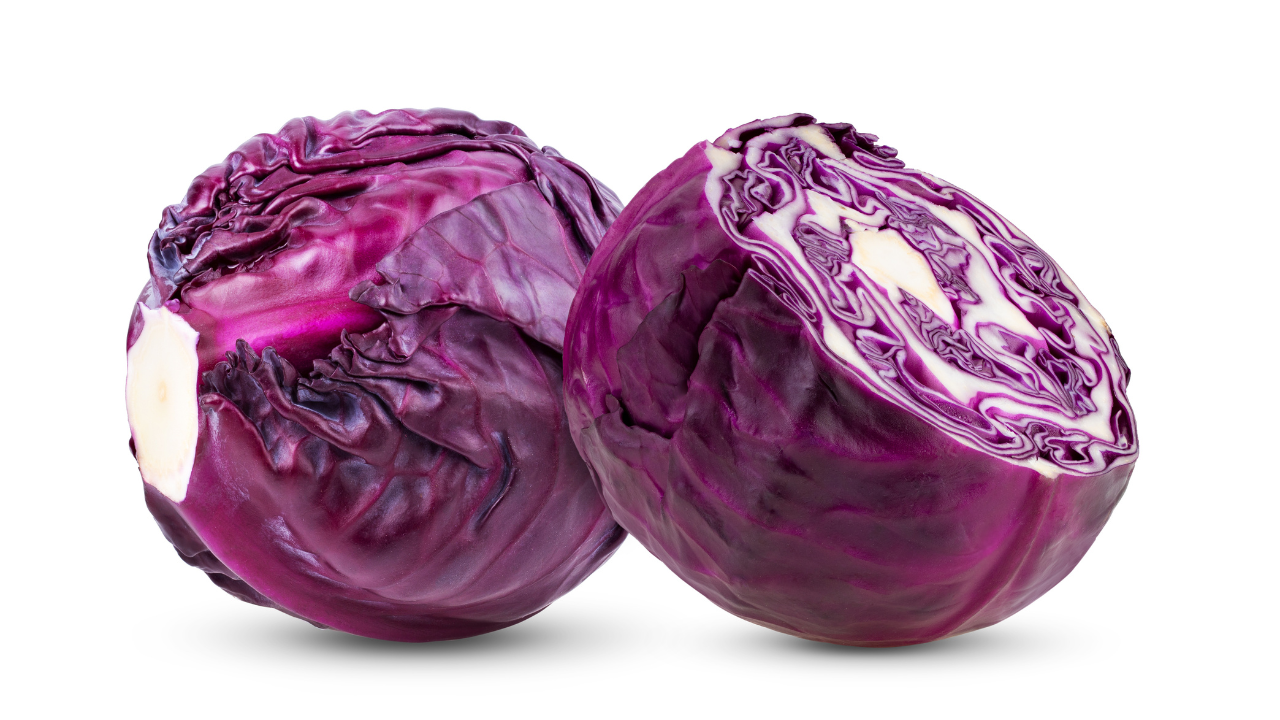
Red cabbage brings color, crunch, and nutrition to winter meals. It contains fiber, vitamin C, and antioxidant plant compounds that give it its deep color. Raw red cabbage works well in slaws and salads, while cooking softens its texture and deepens its flavor. It pairs especially well with apples, vinegar, citrus, spices, and roasted meats. Its firm leaves make it practical for meal prep, as they stay crisp after slicing.
21. Rutabagas
Rutabagas, also called swedes in some places, are hardy root vegetables with a slightly sweet flavor. They are high in vitamin C and can be stored for long periods, which makes them useful in winter cooking. They can be mashed, roasted, added to stews, or mixed with potatoes for a softer side dish. Their flavor becomes milder and sweeter when cooked. Rutabagas work well with butter, herbs, black pepper, and hearty proteins.
22. Savoy cabbage
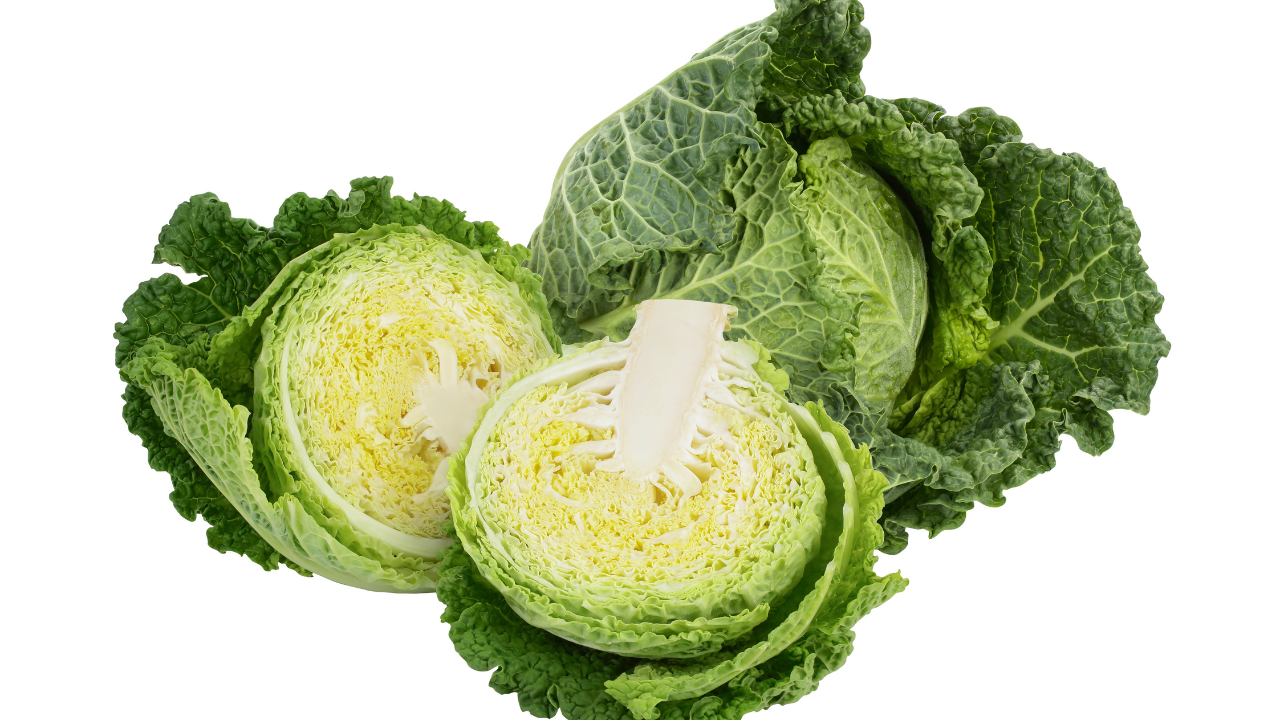
Savoy cabbage has crinkled leaves and a milder flavor than some other cabbage varieties. It contains vitamin C and plant compounds that can support overall nutrition. The leaves become tender when sautéed, steamed, or added to soups and stir-fries. Savoy cabbage can also be used in wraps, casseroles, or simple side dishes. Its softer texture makes it easier to cook quickly than denser cabbage varieties.
23. Spinach
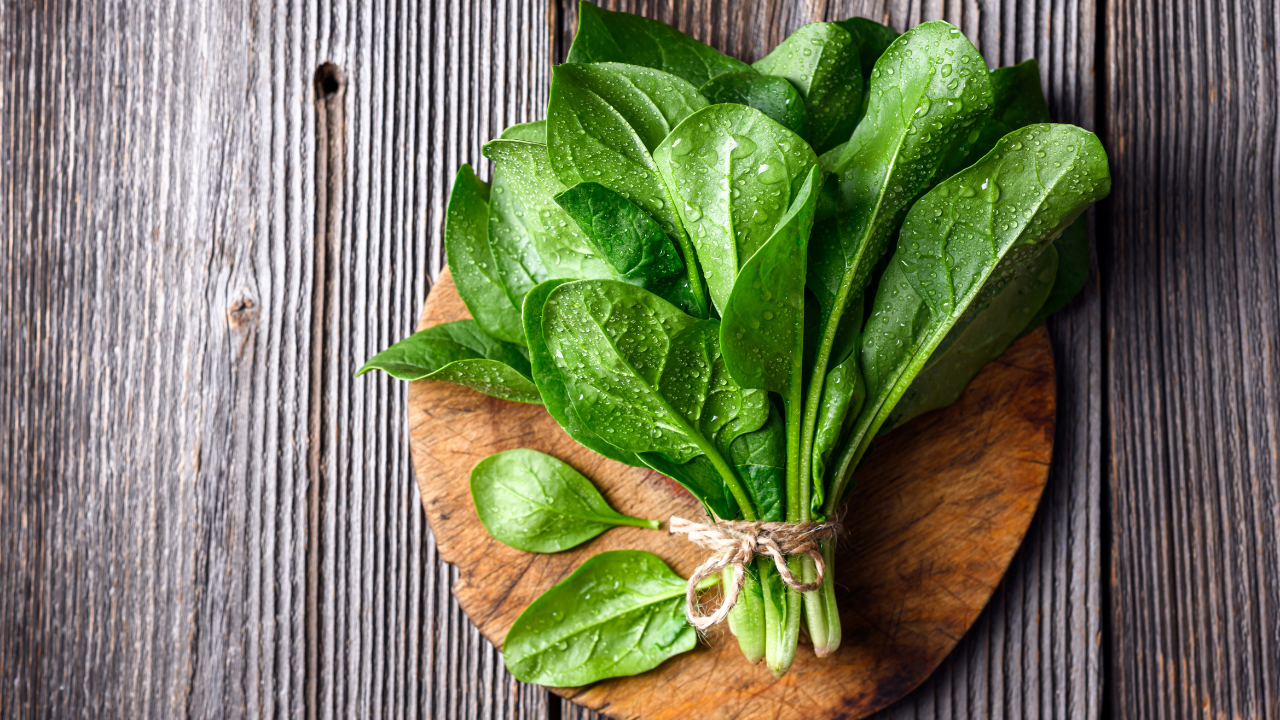
Spinach is a nutrient-dense leafy green that can be eaten raw or cooked. It contains vitamins C and E, iron, calcium, and antioxidants, making it a flexible addition to meals. Raw spinach works well in salads, sandwiches, and smoothies. Cooked spinach can be added to soups, omelets, pasta, curries, and grain bowls. Since it wilts quickly, it is easy to add near the end of cooking.
24. Sweet potatoes
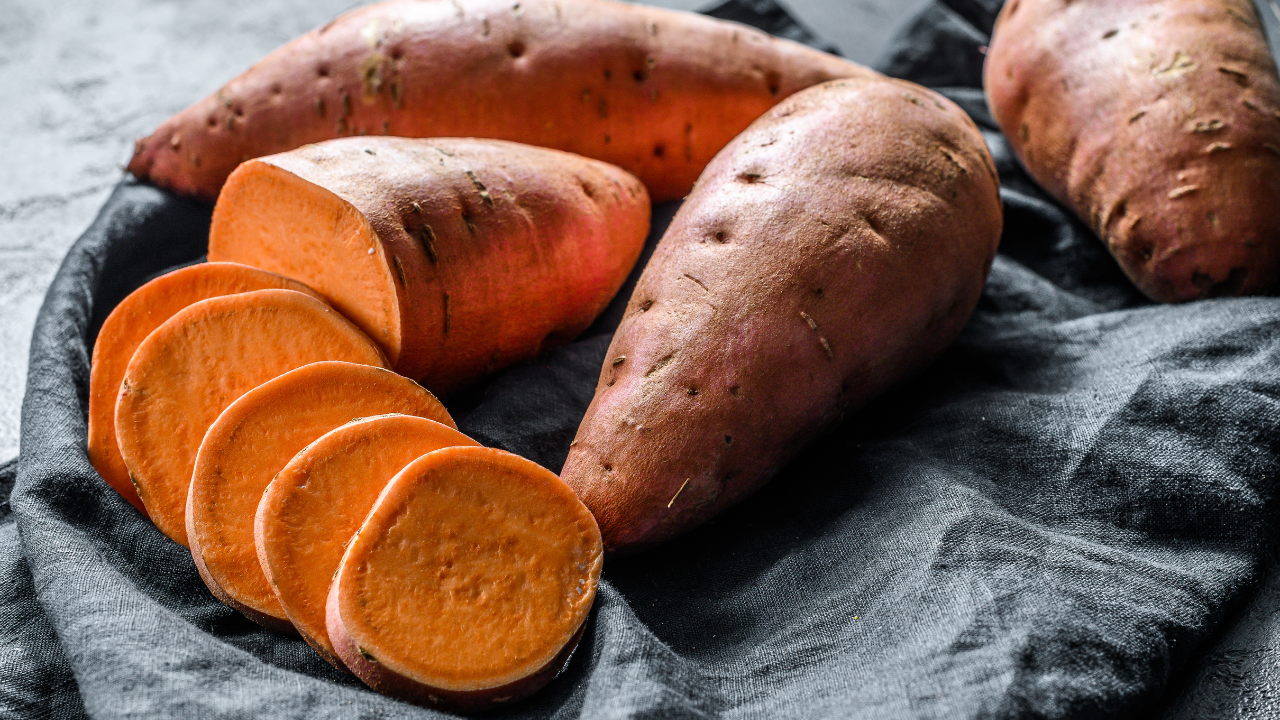
Sweet potatoes are naturally sweet root vegetables with a soft texture when cooked. They contain carotenoids that the body can convert into vitamin A, which is important for normal immune and eye function. Roasting brings out their sweetness, while mashing makes them smooth and comforting. They can also be used in soups, casseroles, grain bowls, and baked dishes. Their flavor pairs well with cinnamon, chili, lime, beans, and leafy greens.
25. Swiss chard
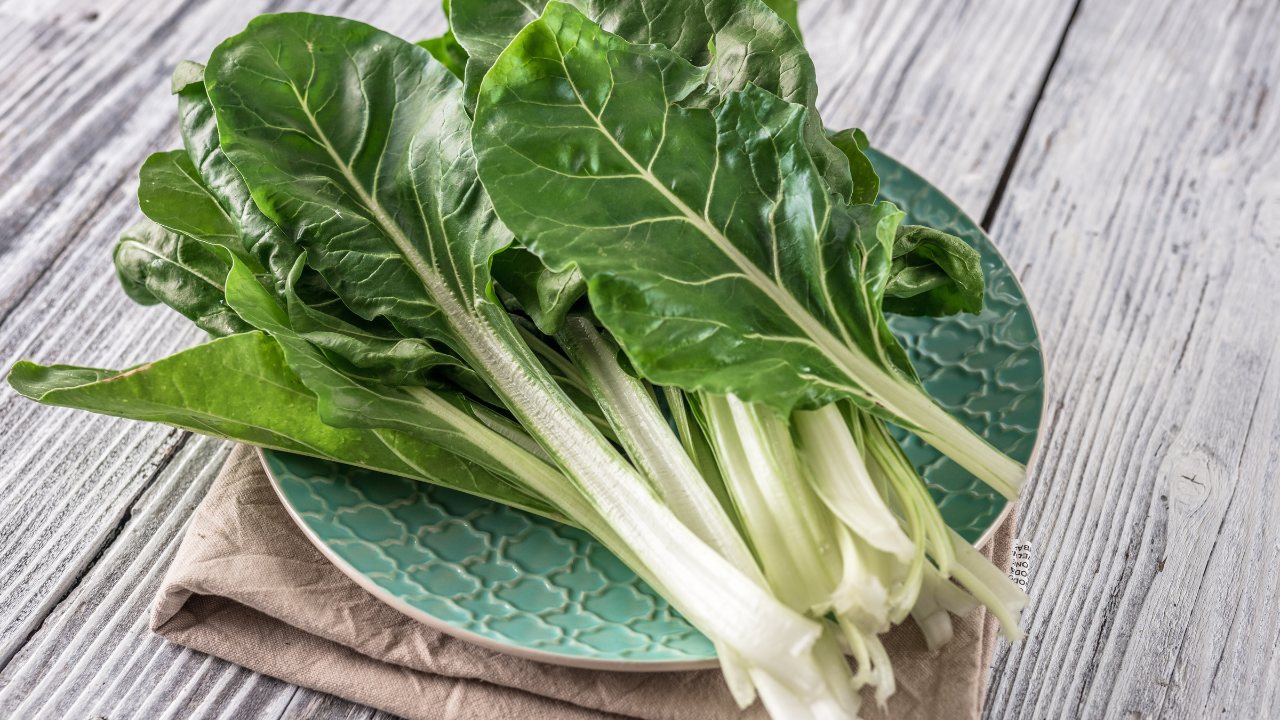
Swiss chard is a leafy green with colorful stems and a slightly earthy flavor. It provides vitamin K, magnesium, vitamin C, and other nutrients connected to overall wellness. The leaves cook quickly and can be sautéed, steamed, or added to soups. The stems take longer to soften, so cooking them first can improve texture. Swiss chard works well with garlic, lemon, beans, grains, and eggs.
26. Tangerines
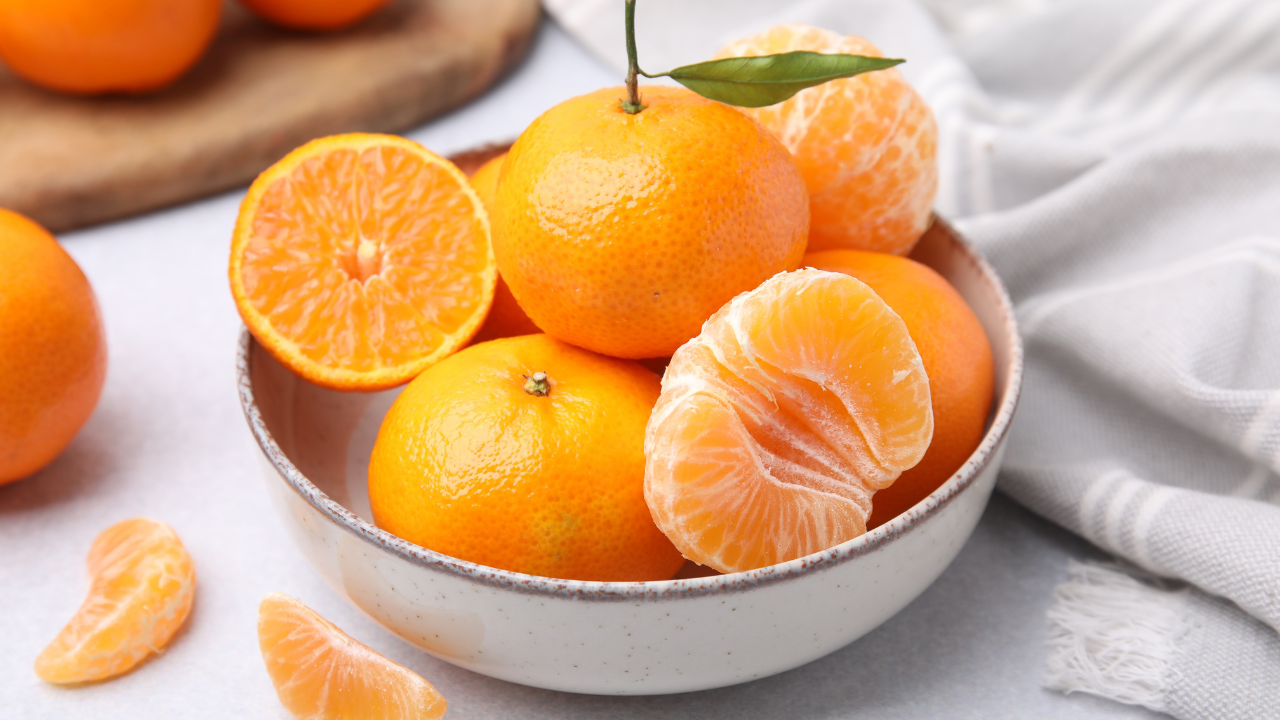
Tangerines are easy-to-peel winter citrus fruits with a sweet and bright flavor. They contain vitamin C, vitamin A, vitamin B6, and plant compounds found in citrus. Their small size makes them convenient for snacks, lunch boxes, and salads. Tangerine segments can also be added to yogurt, desserts, grain bowls, or roasted vegetable dishes. Their fresh acidity helps balance richer winter meals.
27. Turnips
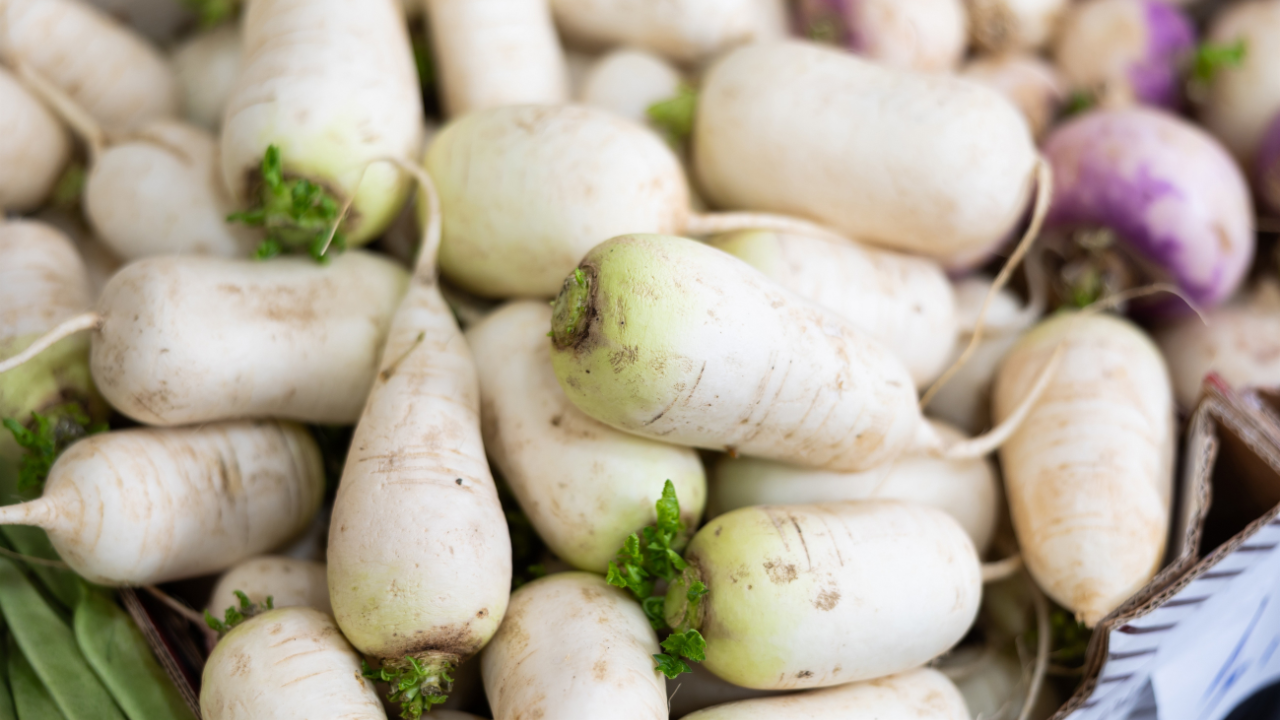
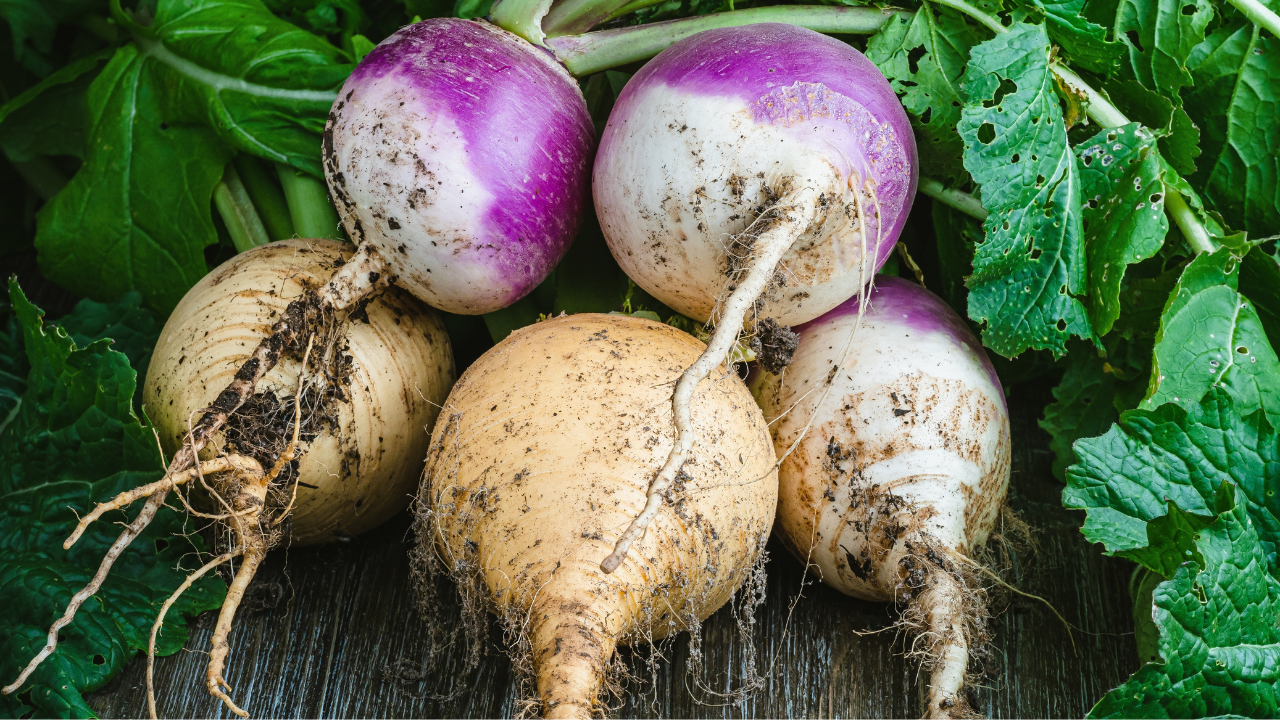
Turnips have a gentle peppery taste that becomes milder and softer after cooking. They also contain lutein and glucosinolates, natural plant compounds commonly found in cruciferous vegetables. Roasting can make turnips sweeter, while mashing gives them a softer texture. They can also be added to stews, soups, or mixed vegetable dishes. Young turnips are usually milder, while larger ones can have a stronger taste.
28. Walnuts
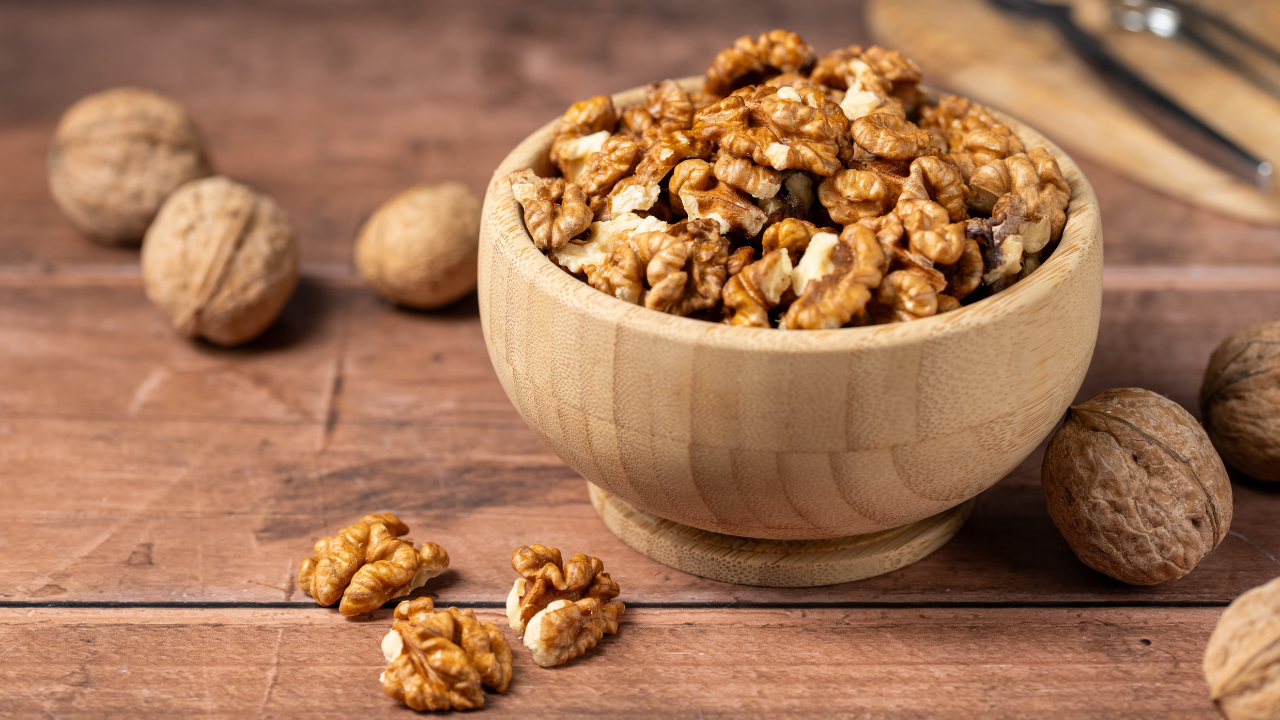
Walnuts are not a fruit or vegetable, but they are a useful winter ingredient for meals and snacks. They contain omega-3 fats, polyphenols, and vitamin E, which can support a balanced diet. Walnuts add crunch to salads, oatmeal, roasted vegetables, baked goods, and grain bowls. Their slightly bitter flavor pairs well with sweet fruits like pears, apples, and pomegranate. Keeping portions moderate helps add richness without overwhelming a dish.
29. Watercress
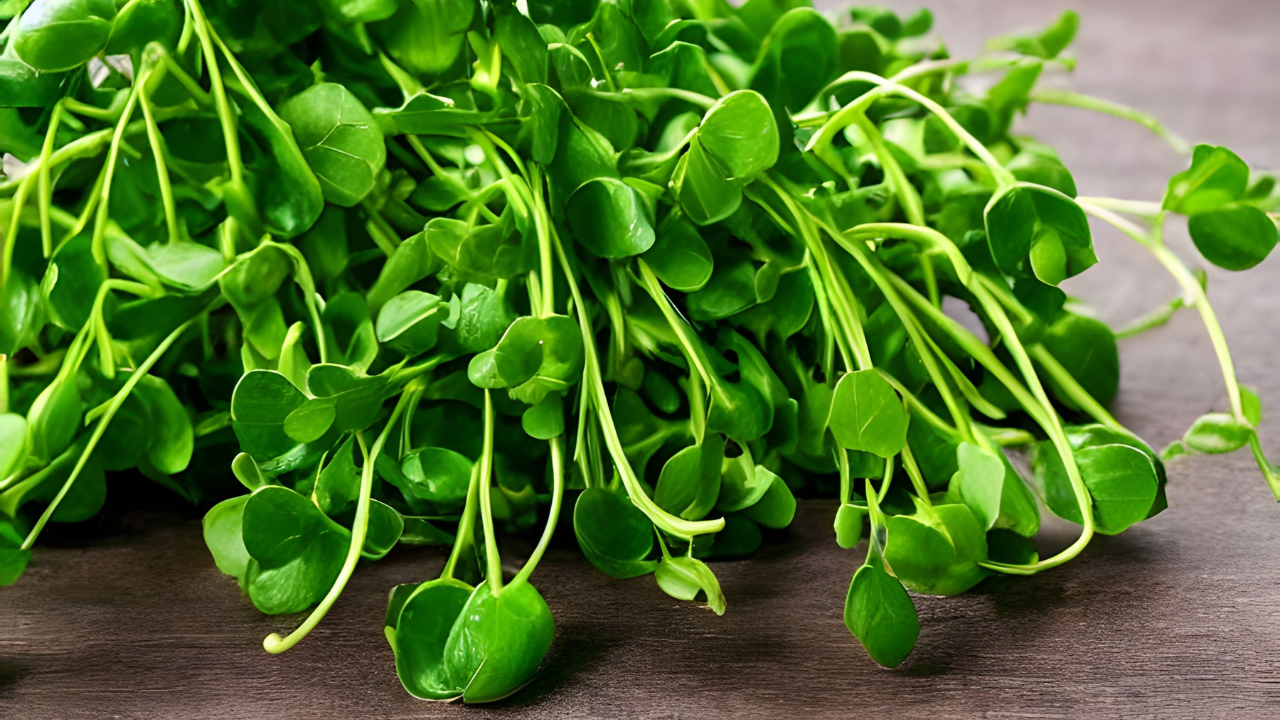
Watercress is a peppery leafy green that adds freshness to winter meals. It contains beta-carotene, polyphenols, and glucosinolates, along with other nutrients found in leafy vegetables. Its sharp flavor works well in salads, sandwiches, soups, and smoothies. Because it is delicate, it is often best added fresh or near the end of cooking. Watercress can bring contrast to creamy, roasted, or heavier dishes.
30. Chicory
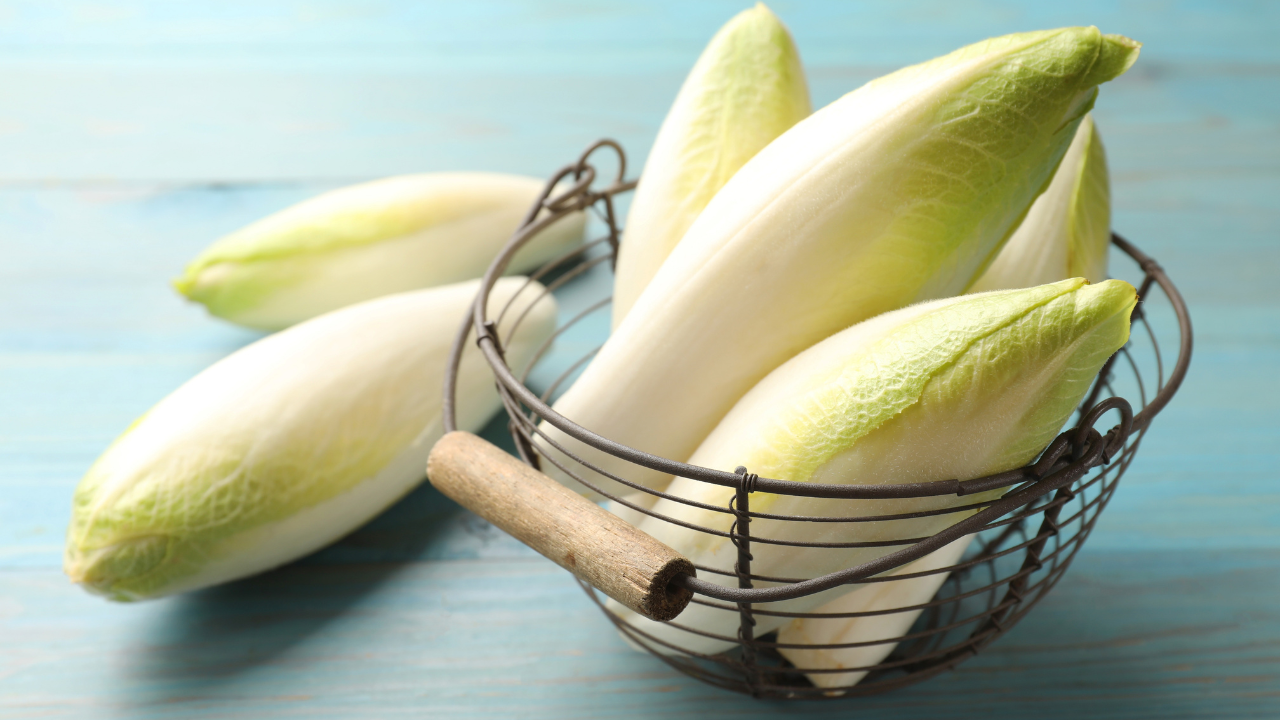
Chicory is a winter leafy vegetable with a slightly bitter flavor that works well in both raw and cooked dishes. It contains polyphenols, which are plant compounds that can support overall nutrition as part of a balanced diet. Chicory also provides prebiotic fibers that help feed beneficial gut bacteria. When served raw, it adds crisp texture and a sharper note to salads. Sautéing it with olive oil can soften the bitterness and make it easier to pair with grains, beans, or roasted vegetables.
Comments (0)
No comments yet. Be the first to share your thoughts!