Current Date: 2 May, 2026

15 nostalgic foods that may not taste as good as you remember

Food memories are shaped by more than just taste. Packaging, advertising, portion sizes, and where people ate these foods all play a role in how they are remembered. Over time, many well-known brands have adjusted ingredients, production methods, and formulations to meet changing costs, regulations, and consumer expectations. These updates are often gradual, but they can affect flavor, texture, and overall experience. As a result, products that look the same today may feel slightly different from the versions people remember.

1. Hostess Twinkies
1. Hostess Twinkies
© Shutterstock / Keith Homan

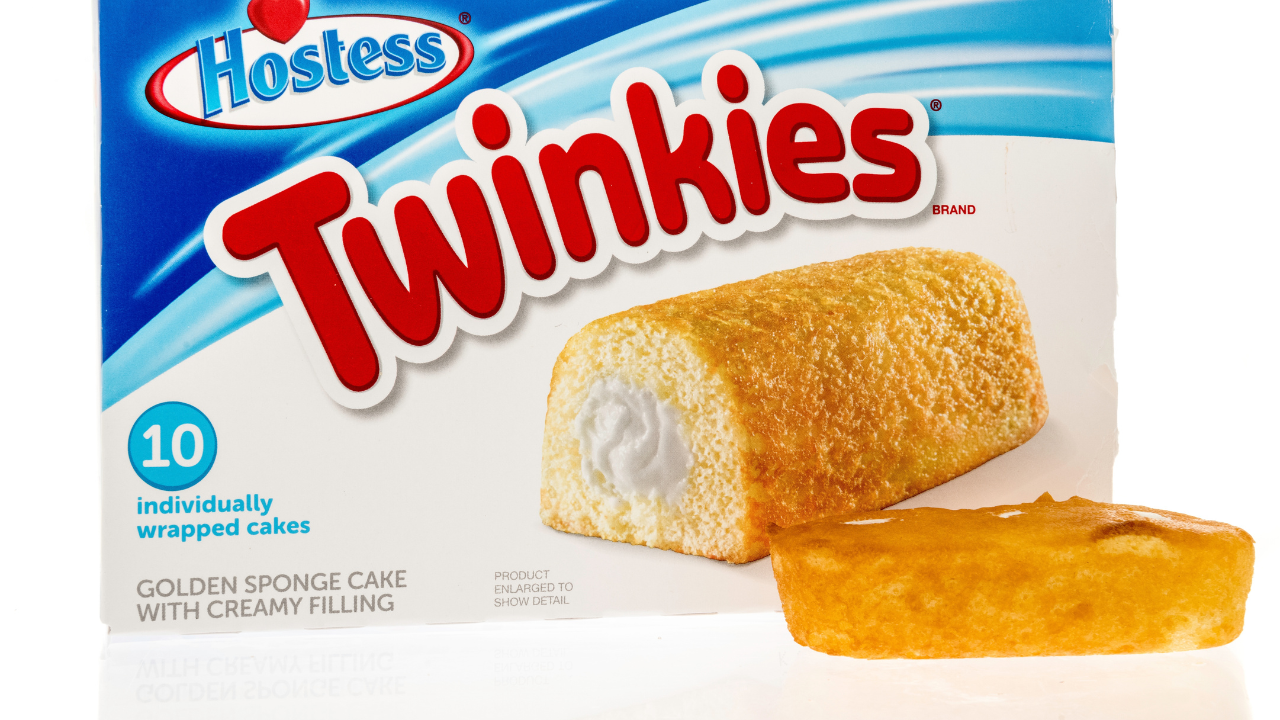
Hostess Twinkies returned after a production pause with changes aimed at improving shelf stability and distribution. These updates helped extend the shelf life of the product, which is important for large-scale retail. However, they also influenced texture, with some consumers describing the cake as lighter or more spongy than before. While the shape and cream filling remain familiar, the overall feel has shifted slightly from earlier versions.

2. Cadbury Chocolate

2. Cadbury Chocolate
© Shutterstock / Richard M Lee

Cadbury chocolate has long been known for its creamy texture and high milk content. Over time, changes in ingredient sourcing and production have affected how the chocolate melts and tastes. Even small adjustments in cocoa butter or milk solids can alter the final product. While the brand identity remains strong, some consumers notice differences in smoothness and flavor compared to earlier versions.

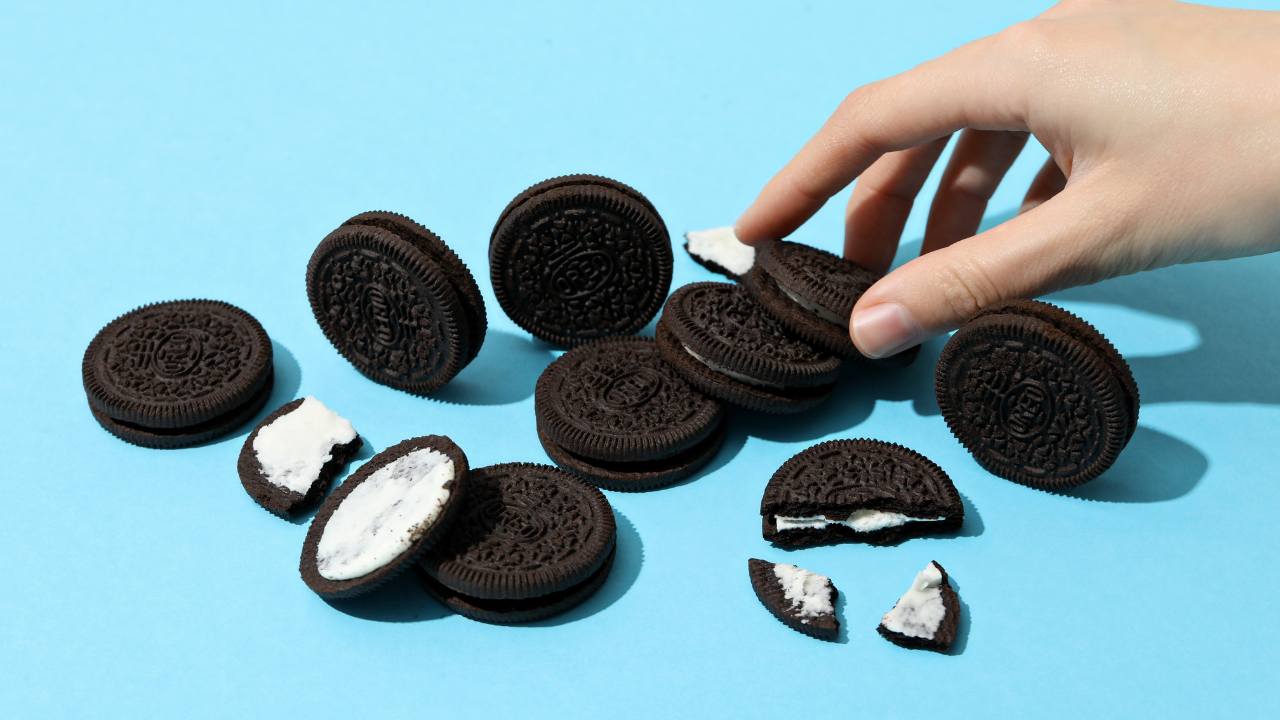
3. Oreo Cookies

3. Oreo Cookies
© Shutterstock / AtlasStudio

Oreo cookies have been updated several times to meet changing ingredient standards and health guidelines. One major shift involved replacing certain fats, which required adjustments to both the biscuit and the filling. These changes helped align the product with modern expectations but also affected texture and sweetness. Many consumers find that the filling now stands out more compared to the chocolate wafers.

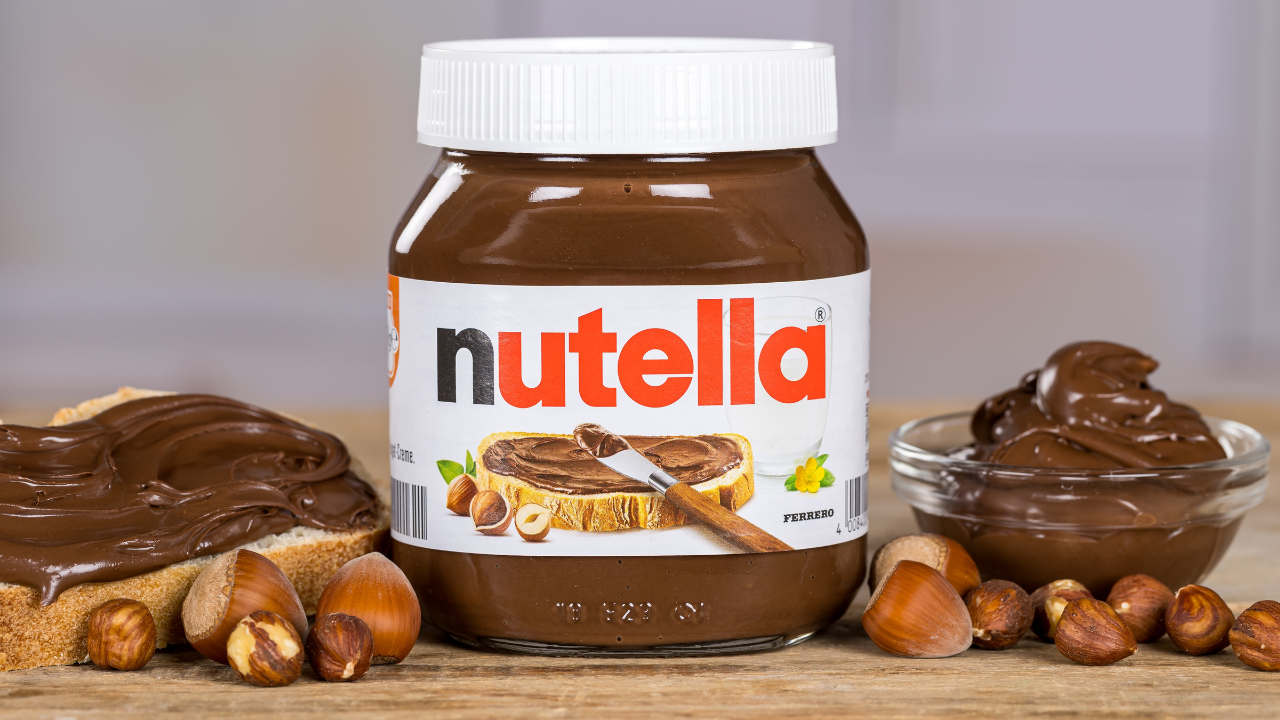
4. Nutella

4. Nutella
© Shutterstock / Markus Mainka

Nutella began as a practical blend of chocolate and hazelnuts, but its global popularity has led to adjustments in formulation. In some markets, changes in sugar and fat content have been noted over time. These updates reflect broader factors such as ingredient costs and supply chains. While the spread remains widely recognized, some consumers feel the balance between chocolate and hazelnut has shifted.

5. SunnyD

5. SunnyD
© Shutterstock / Sheila Fitzgerald

SunnyD became popular for its bright color and sweet flavor, especially among families. As awareness around sugar and artificial ingredients increased, the drink was reformulated to better meet modern nutrition expectations. These changes reduced sweetness and altered its overall profile. While the product still exists in a similar format, it no longer delivers the same intensity as earlier versions.

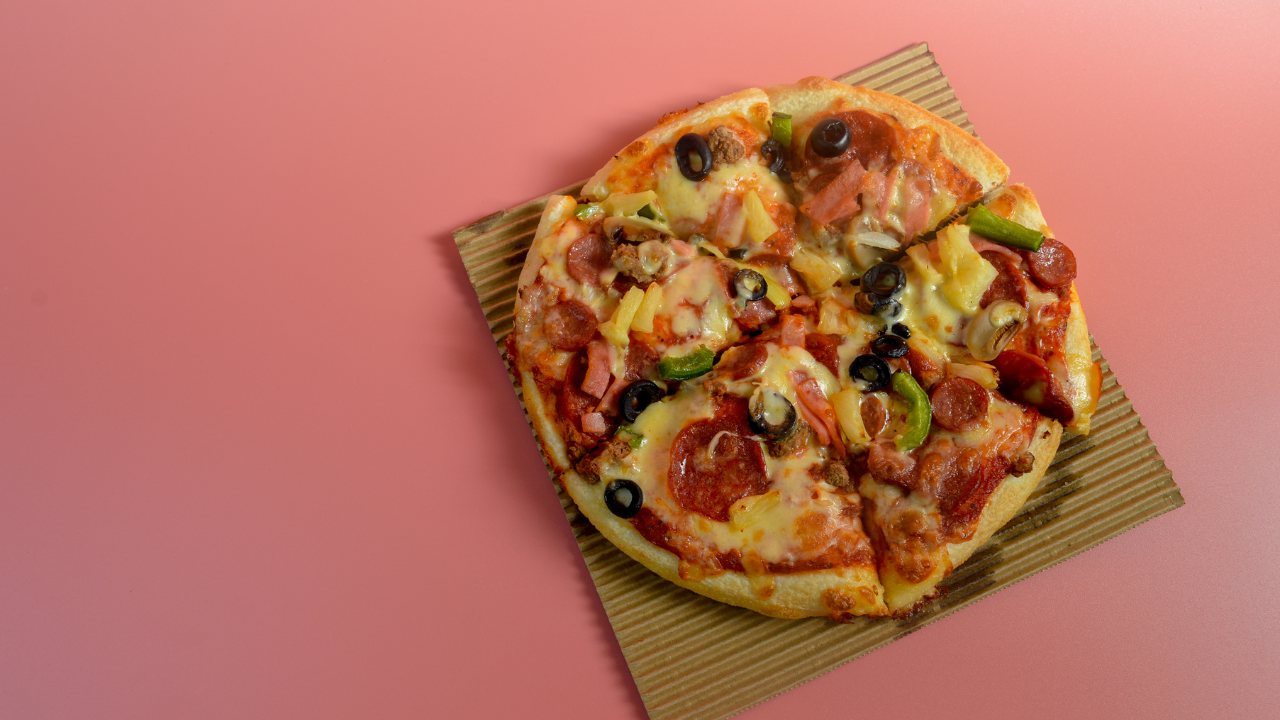
6. Pizza Hut Pan Pizza

6. Pizza Hut Pan Pizza
© Shutterstock / Teacher Photo

Pizza Hut’s pan pizza was once closely tied to dine-in restaurant experiences, where preparation methods and serving style played a key role. As the company shifted toward delivery and takeout, recipes and cooking processes were updated. Changes to crust texture, cheese blends, and baking techniques have influenced the final result. The modern version reflects a different dining model compared to its earlier form.

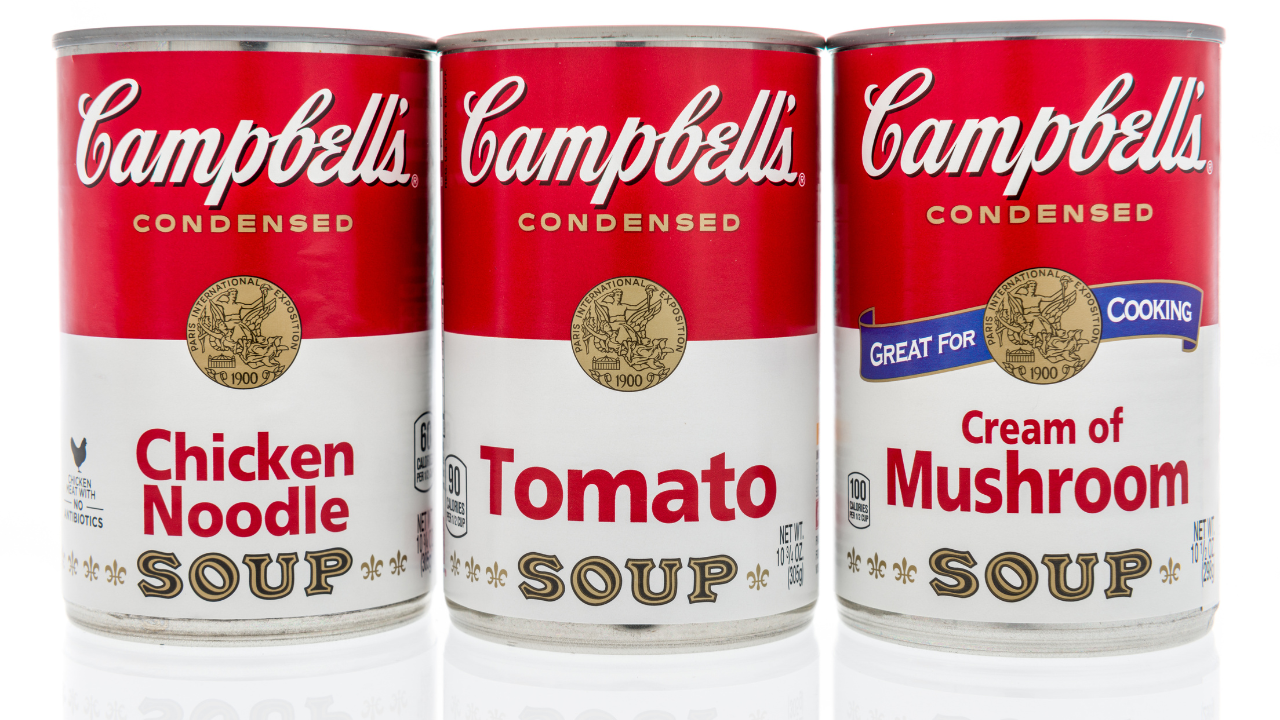
7. Campbell’s Soups

7. Campbell’s Soups
© Shutterstock / Keith Homan

Campbell’s soups have been a long-standing pantry staple, but health concerns around sodium led to recipe adjustments. Reducing salt levels can significantly change how flavors are perceived, since salt plays a key role in balance. While these updates were made to meet modern dietary expectations, they also resulted in a milder taste. The product remains familiar, but its intensity has been adjusted.

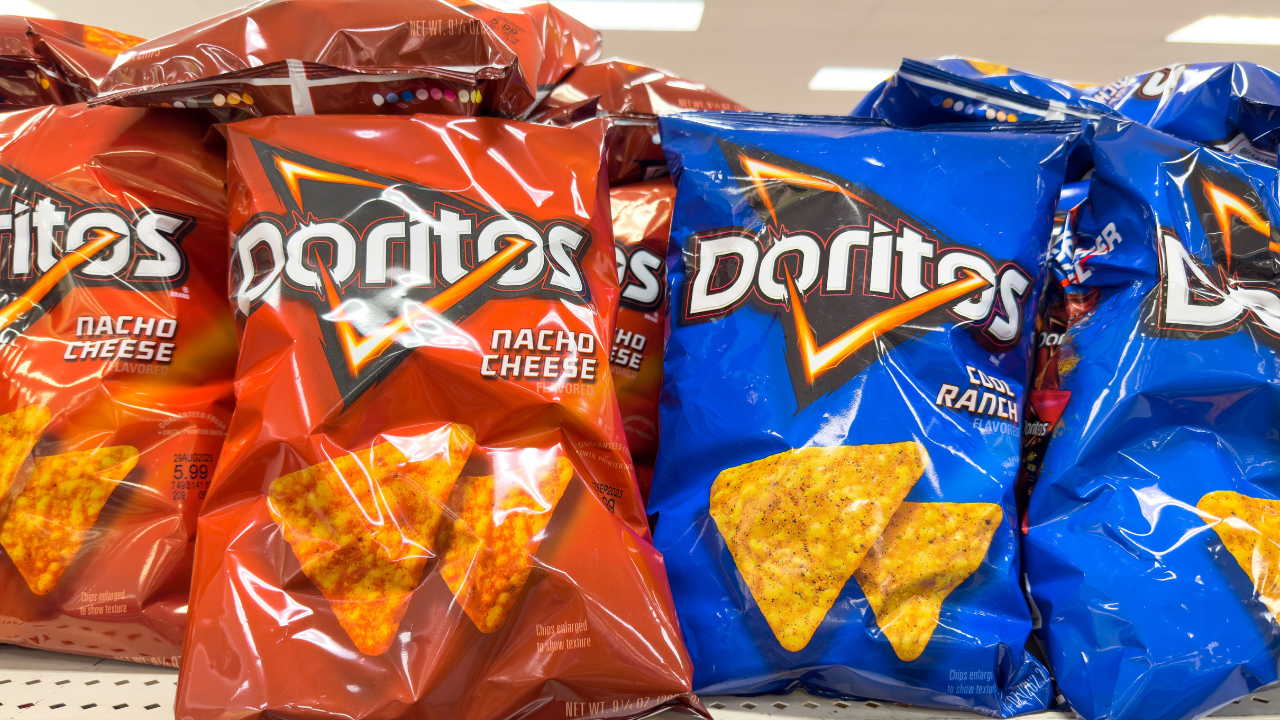
8. Doritos Nacho Cheese

8. Doritos Nacho Cheese
© Shutterstock / ZikG

Doritos Nacho Cheese has gone through changes in seasoning blends, oils, and overall formulation. These updates are often subtle and not always widely advertised, but they can influence how the flavor is experienced. Some consumers feel the original version had a stronger and more noticeable taste. The presence of many new flavors also changes how the classic version is perceived.

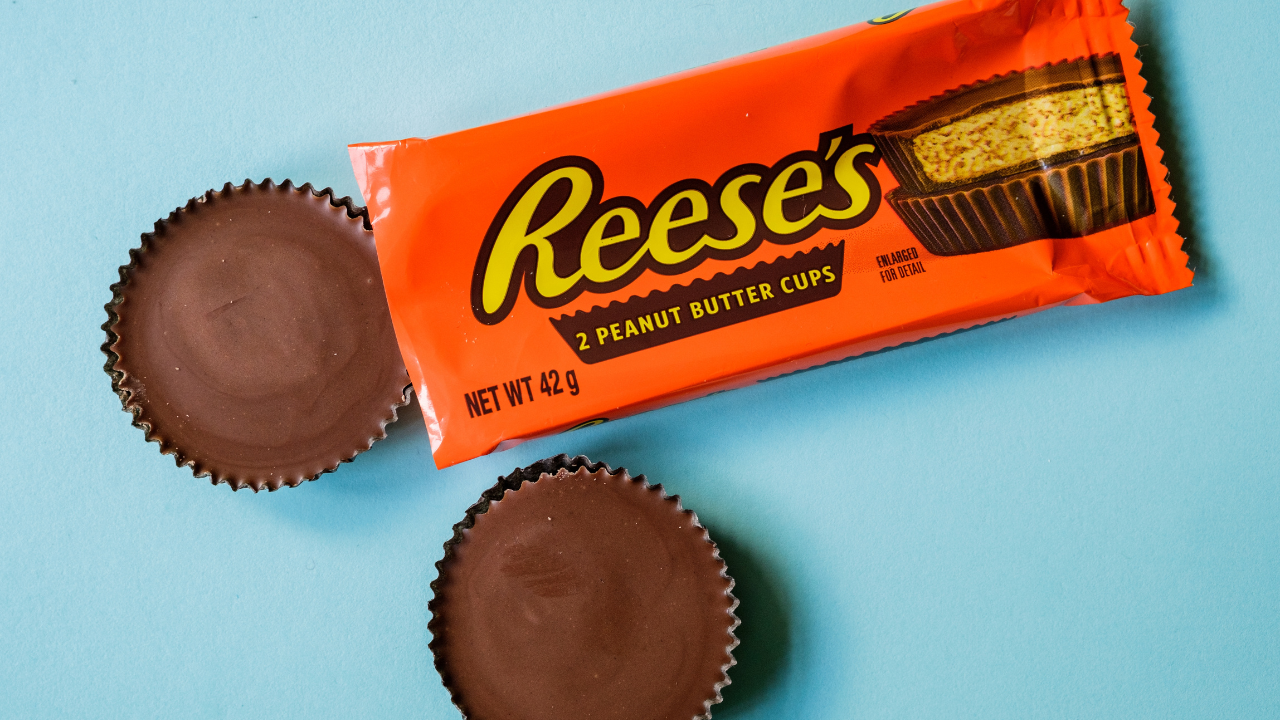
9. Reese’s Cups

9. Reese’s Cups
© Shutterstock / Richard M Lee

Reese’s Cups have evolved through changes in production methods and ingredient sourcing. Adjustments to the peanut butter filling and chocolate coating have influenced both texture and sweetness. The expansion into different product sizes and variations has also shifted expectations. As a result, the original version may feel slightly different from earlier experiences.

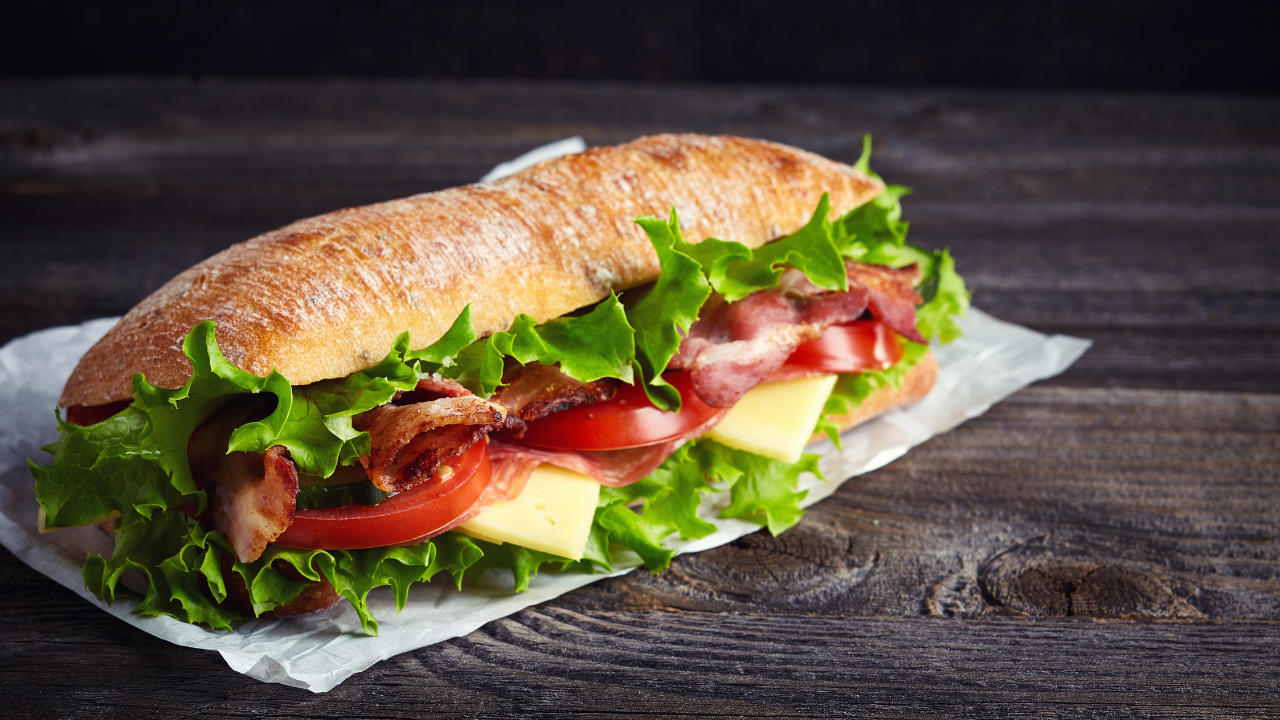
10. Subway Bread

10. Subway Bread
© Shutterstock / baibaz

Subway’s bread has been central to its identity, but increased attention to ingredients has led to changes in formulation. Adjustments in sugar levels and baking methods were made in response to public discussion and regulatory differences across regions. These updates have influenced both taste and perception. Competition from other sandwich brands has also raised expectations around freshness.

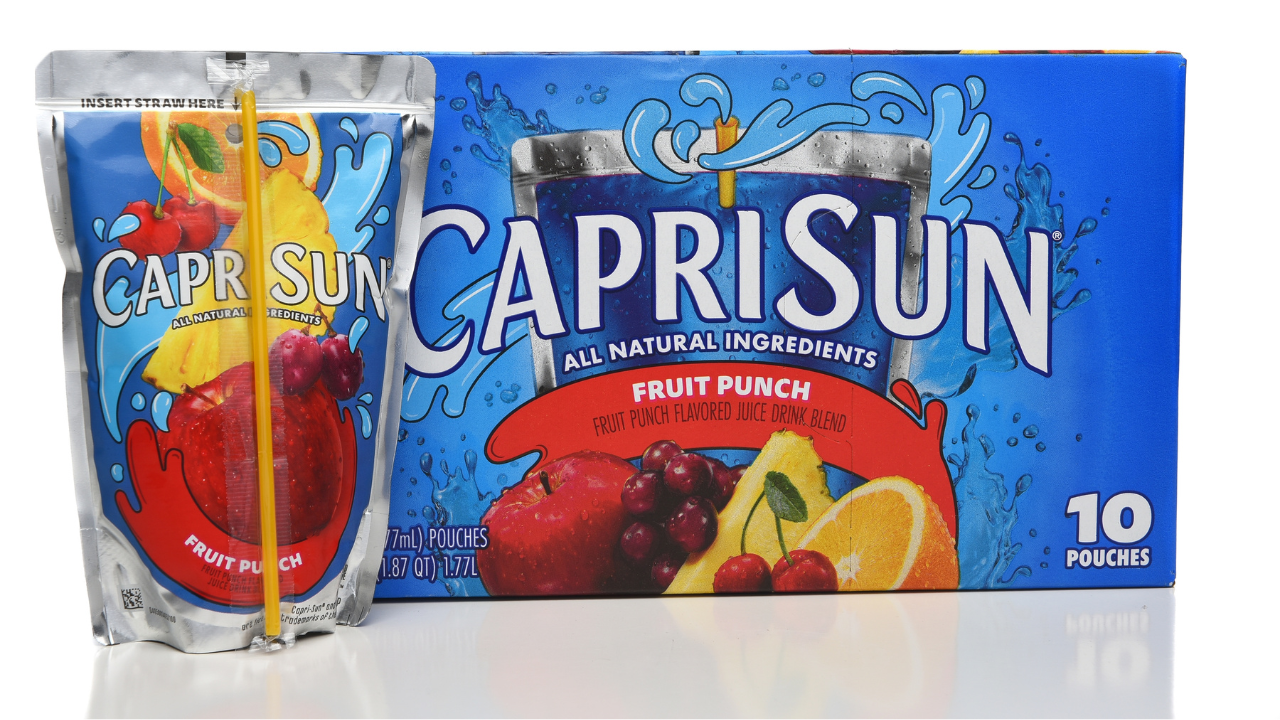
11. Capri Sun

11. Capri Sun
© Shutterstock / Steve Cukrov

Capri Sun became popular for its distinctive pouch packaging and sweet flavor. Over time, the brand reduced sugar content and adjusted ingredients to align with changing nutrition standards. These updates resulted in a less intense sweetness compared to earlier versions. While the packaging remains unchanged, the taste reflects modern consumer preferences.

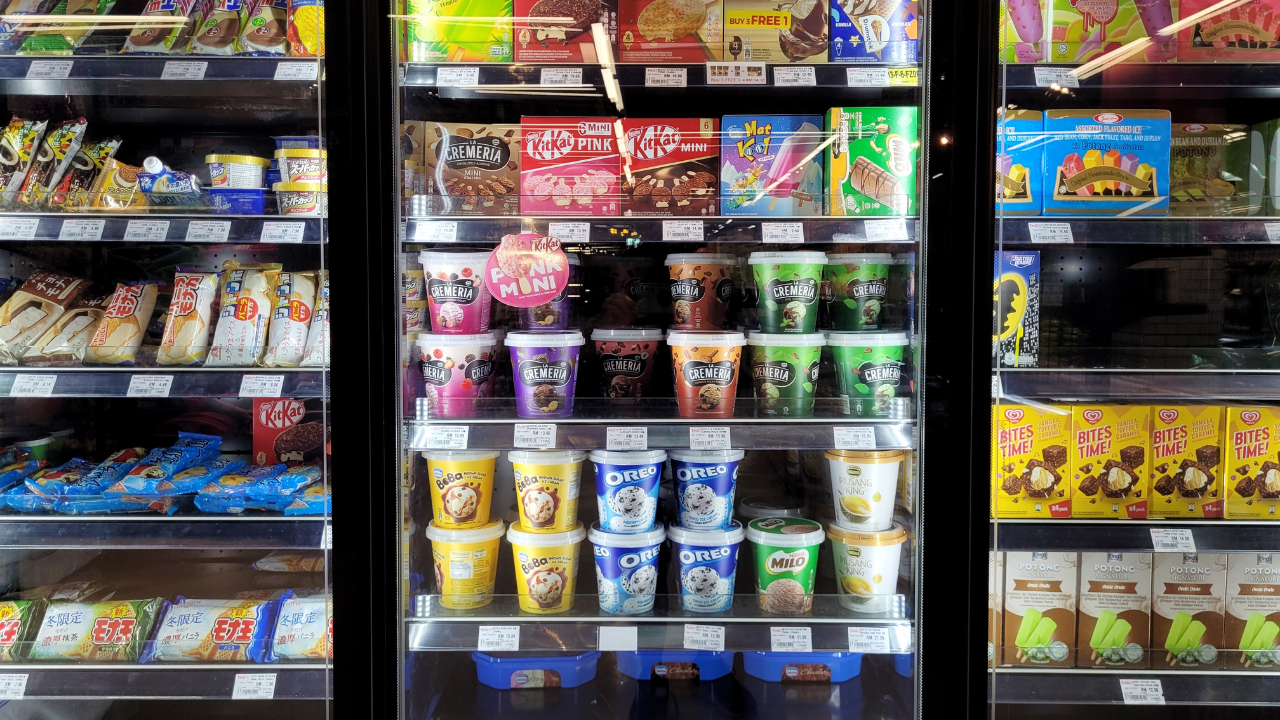
12. Mass-Brand Ice Cream

12. Mass-Brand Ice Cream
© Shutterstock / TY Lim

Mass-produced ice cream has changed due to factors like cost, transportation, and storage requirements. Adjustments in fat content, air incorporation, and stabilizers have influenced texture and density. Many products now feel lighter than earlier versions. While still widely available, they are often designed to balance affordability and consistency.

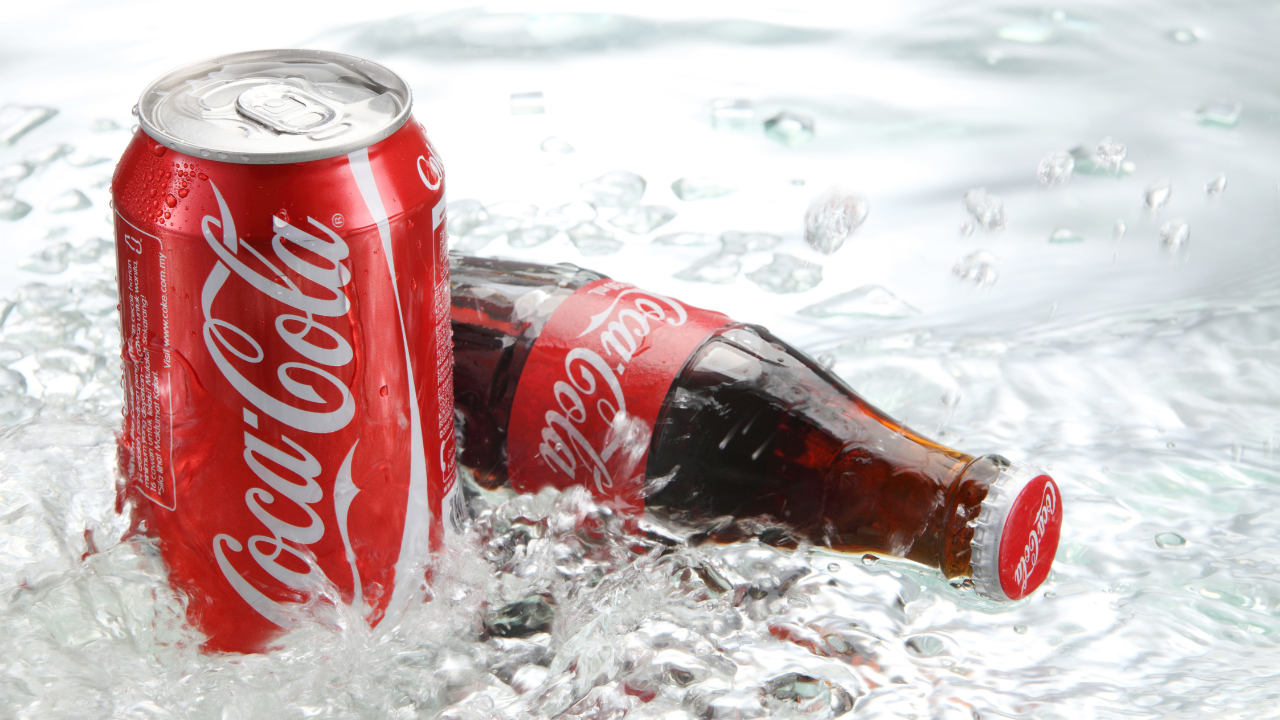
13. Coca-Cola

13. Coca-Cola
© Shutterstock / focal point

Coca-Cola underwent a significant shift when high-fructose corn syrup replaced traditional sugar in many markets. This change affected sweetness and overall flavor balance. Differences in packaging, such as glass bottles versus modern containers, also influence perception. These factors together make comparisons between older and current versions more complex.

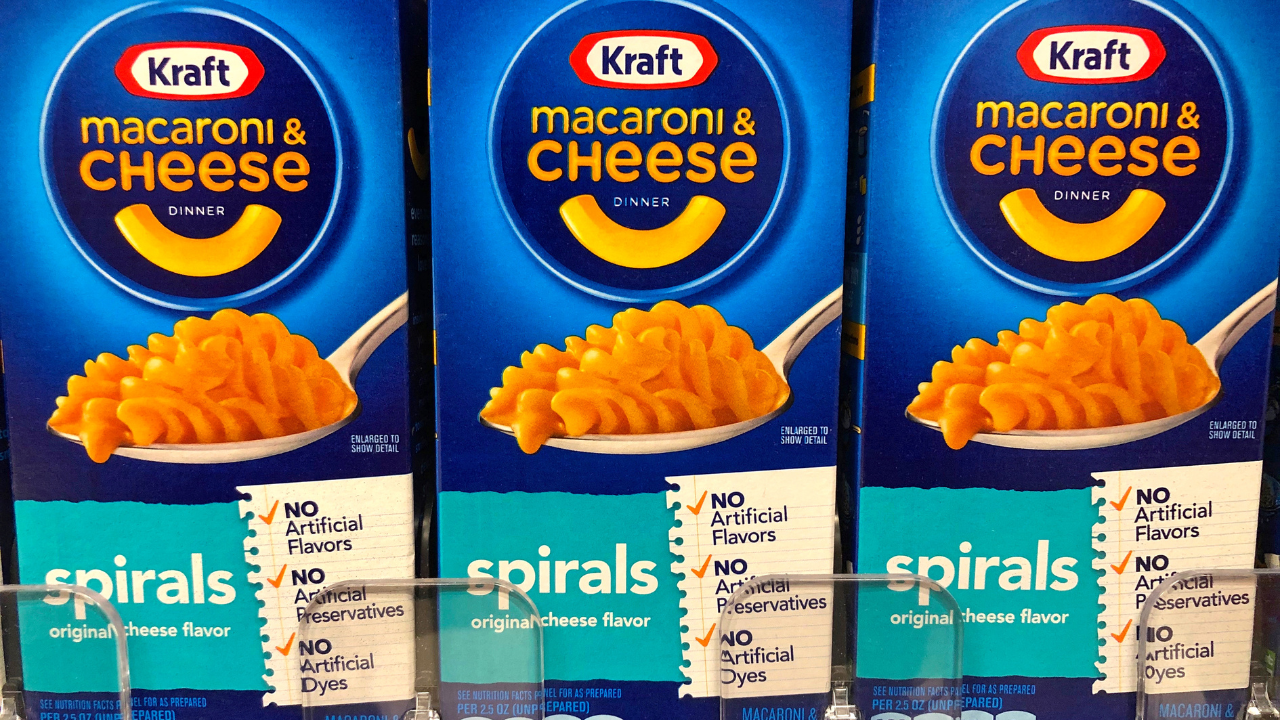
14. Kraft Mac and Cheese

14. Kraft Mac and Cheese
© shutterstock / Sheila Fitzgerald

Kraft Mac and Cheese removed artificial dyes and preservatives in favor of more natural alternatives. This change altered both the color and flavor profile of the product. While the meal remains quick and convenient, it appears less vibrant than earlier versions. The update reflects broader industry trends toward simpler ingredient lists.

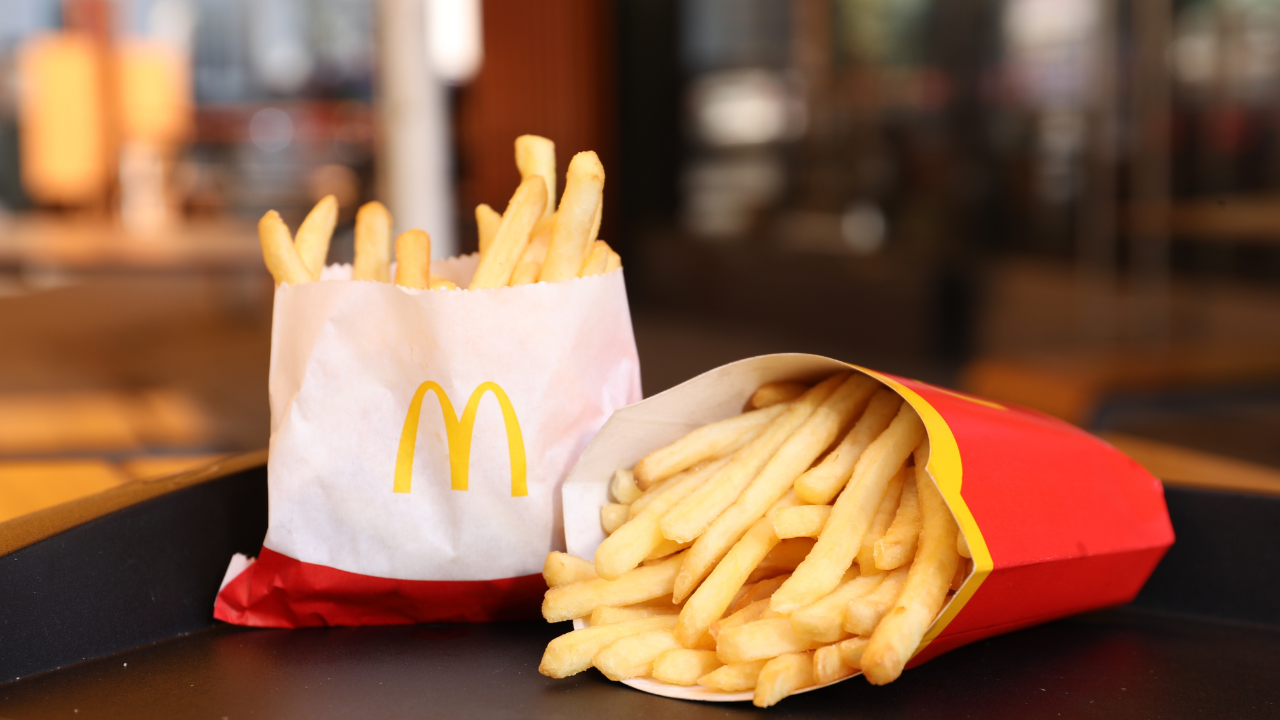
15. McDonald’s French Fries

15. McDonald’s French Fries
© Shutterstock / New Africa

McDonald’s French fries changed when the company moved away from cooking in beef tallow to vegetable oil. This decision was influenced by health concerns and shifting consumer expectations. Although efforts were made to maintain the original flavor, the result is not identical. Changes in processing and global supply chains have also contributed to differences in taste.

Comments (0)

No comments yet. Be the first to share your thoughts!

Leave a Reply