
Current Date: 8 May, 2026

15 foods that played an important role in historical events

Food has shaped human history in ways that go far beyond the dinner table. Certain crops, ingredients, and prepared foods helped people settle in one place, build trade routes, feed armies, grow cities, and change daily habits. Some foods supported survival, while others became symbols of wealth, power, or political tension. From wheat and salt to coffee, sugar, and fast food, these items show how eating habits can influence culture, business, migration, and even revolutions. Looking at them closely makes it easier to see how much of the modern world was built around food.

1. Wheat
1. Wheat
© Magnific / azerbaijan_stockers

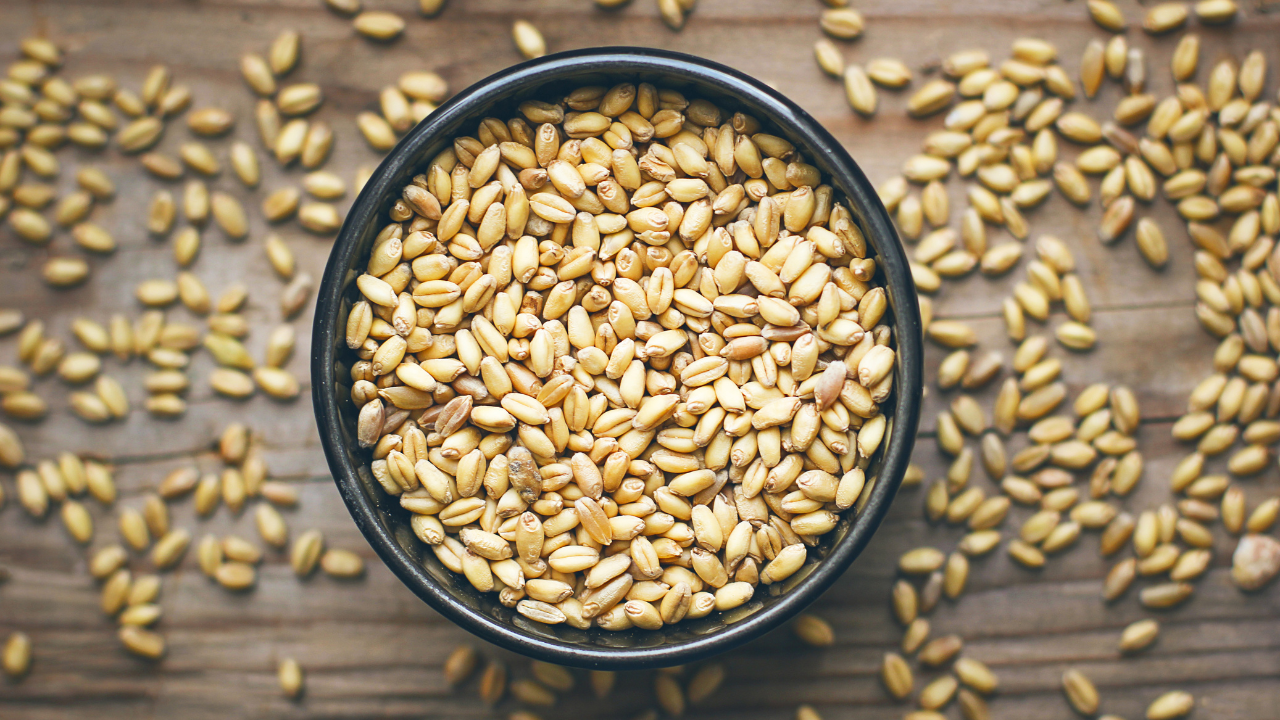
Wheat is one of the oldest crops tied to settled human life. When early communities learned to grow it thousands of years ago, they could stay in one place instead of moving constantly in search of food. This helped villages grow into larger societies in places such as Mesopotamia and Egypt. Wheat also made it possible to produce bread, porridge, and other filling staples that could support daily life. Over time, surplus grain helped create trade, storage systems, and more organized communities.

2. Salt

2. Salt
© Magnific / jcomp

Salt became valuable because it did more than season food. Before modern refrigeration, it helped preserve meat, fish, and vegetables for longer periods. That made it essential for travelers, soldiers, sailors, and growing cities. Areas with salt deposits or strong salt trade routes often became wealthy and important. In some ancient societies, salt was so valuable that it was used as a form of payment, showing how closely food preservation was tied to power.

3. Bread

3. Bread
© Magnific / jcomp

Bread became one of the most important foods in daily life because it was filling, portable, and made from a crop many societies depended on. For many people, it was not a luxury but a basic part of survival. When bread became scarce or too expensive, public anger could rise quickly. In France, poor harvests and high bread prices helped fuel unrest before the French Revolution. This shows how one simple food could become connected to politics, hunger, and social change.

4. Potatoes

4. Potatoes
© Magnific / stockking

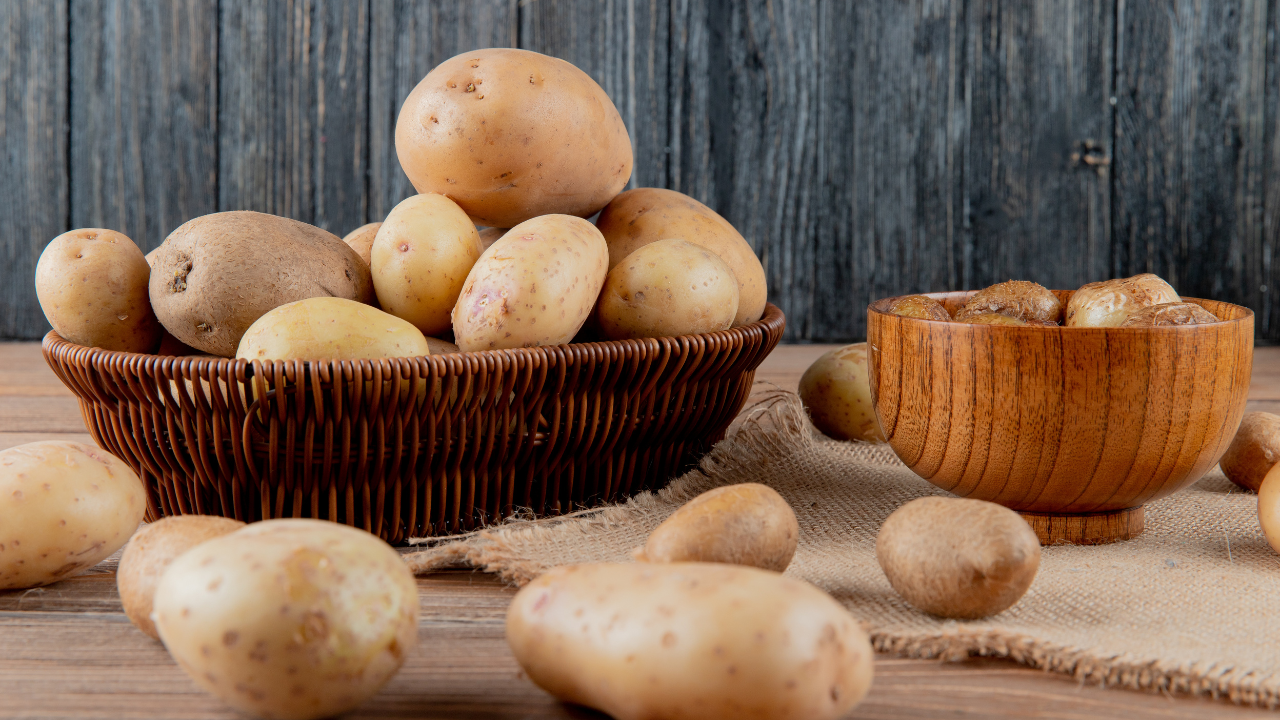
Potatoes began in South America and later became a major food source in Europe. They grew well in difficult soil and produced a lot of food from relatively small plots of land. This made them especially important for poor families who needed an affordable and reliable crop. In Ireland, dependence on potatoes became dangerous when blight destroyed crops in the 1840s. The resulting famine became a lasting example of the risk of relying too heavily on one main food.

5. Tomatoes

5. Tomatoes
© Magnific / KamranAydinov

Tomatoes changed food cultures after traveling from the Americas to Europe and beyond. At first, some Europeans were unsure about them and even believed they might be unsafe to eat. Over time, cooks began using tomatoes in sauces, stews, and everyday dishes. They became especially important in Italian cooking, where tomato-based sauces are now central to many meals. Their spread shows how one ingredient can transform entire cuisines after crossing continents.

6. Coffee

6. Coffee
© Magnific / wahyu_t

Coffee began with stories from Ethiopia, where people noticed the energizing effect of coffee berries. The drink later spread through the Middle East and Europe, becoming much more than a morning habit. Coffee houses became places where people gathered to talk, debate, read, and conduct business. In many cities, they played a role in intellectual and commercial life. Today, coffee remains one of the world’s most traded and widely consumed drinks.

7. Tea

7. Tea
© Magnific / wahyu_t

Tea shaped trade, culture, and politics across the world. It became deeply important in Britain, but that demand depended on large international trade networks. The tea trade created wealth for powerful merchants and colonial governments, while also creating tension in other regions. In North America, anger over tea taxes became part of the conflict that led to the American Revolution. A simple drink ended up tied to empire, protest, and national identity.

8. Chocolate

8. Chocolate
© Magnific / azerbaijan_stockers

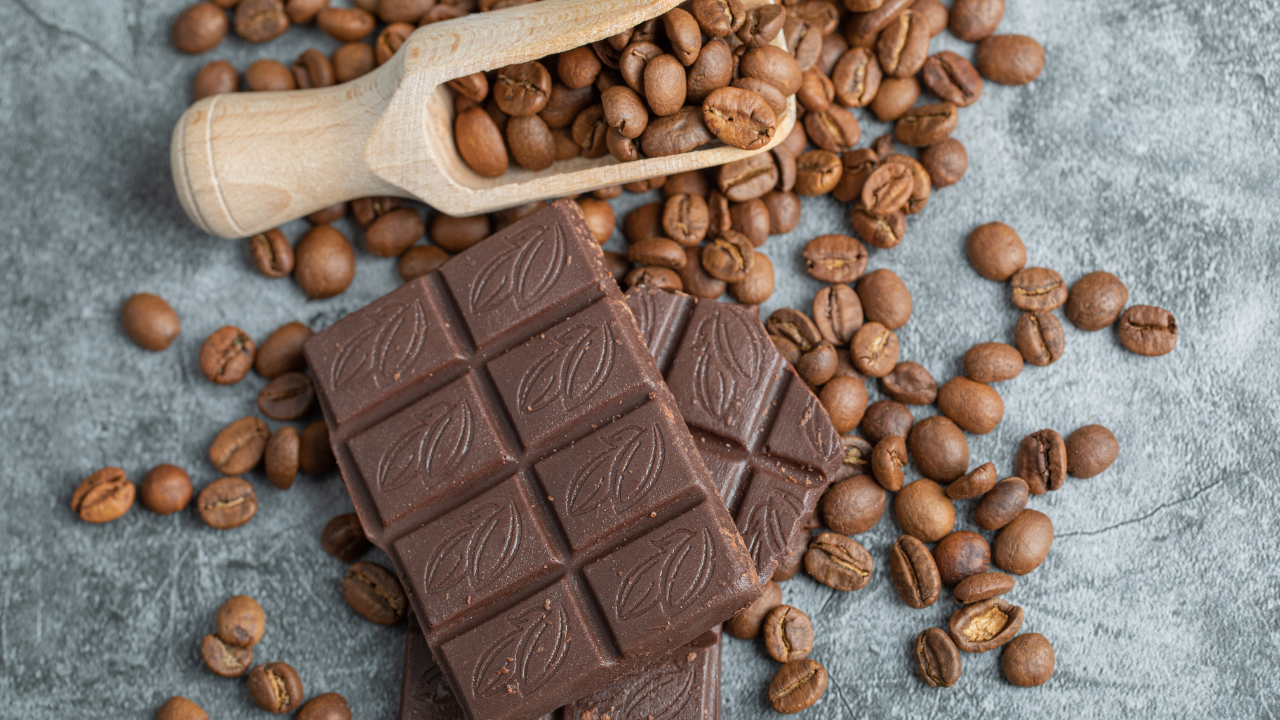
Chocolate began with cacao, which was used by the Maya and Aztec civilizations in bitter ceremonial drinks. Spanish colonizers brought cacao to Europe, where it was sweetened and became popular among wealthy people. Over time, new production methods made chocolate cheaper and easier to buy. It moved from an elite drink to a mass-market food enjoyed around the world. Chocolate’s history reflects trade, colonization, technology, and changing tastes.

9. Sugar

9. Sugar
© Magnific / jcomp

Sugar changed diets and global trade in a major way. Before it became common, honey was the main sweetener in many societies. European demand for sugar led to large sugarcane plantations in tropical regions. This demand was closely tied to colonization and the brutal expansion of the transatlantic slave trade. Sugar also permanently changed eating habits by making candies, pastries, sweet drinks, and desserts much more common.

10. Corn

10. Corn
© Magnific / KamranAydinov

Corn was first domesticated by Native communities in Mexico from wild grasses. It became a reliable crop because it could be dried, stored, and used in many forms. After European contact with the Americas, corn spread around the world and became important for both people and livestock. Today, it is used in food, animal feed, cooking oil, and sweeteners. Its history shows how a regional crop became one of the foundations of modern agriculture.

11. Rice

11. Rice
© Pexels / MART PRODUCTION

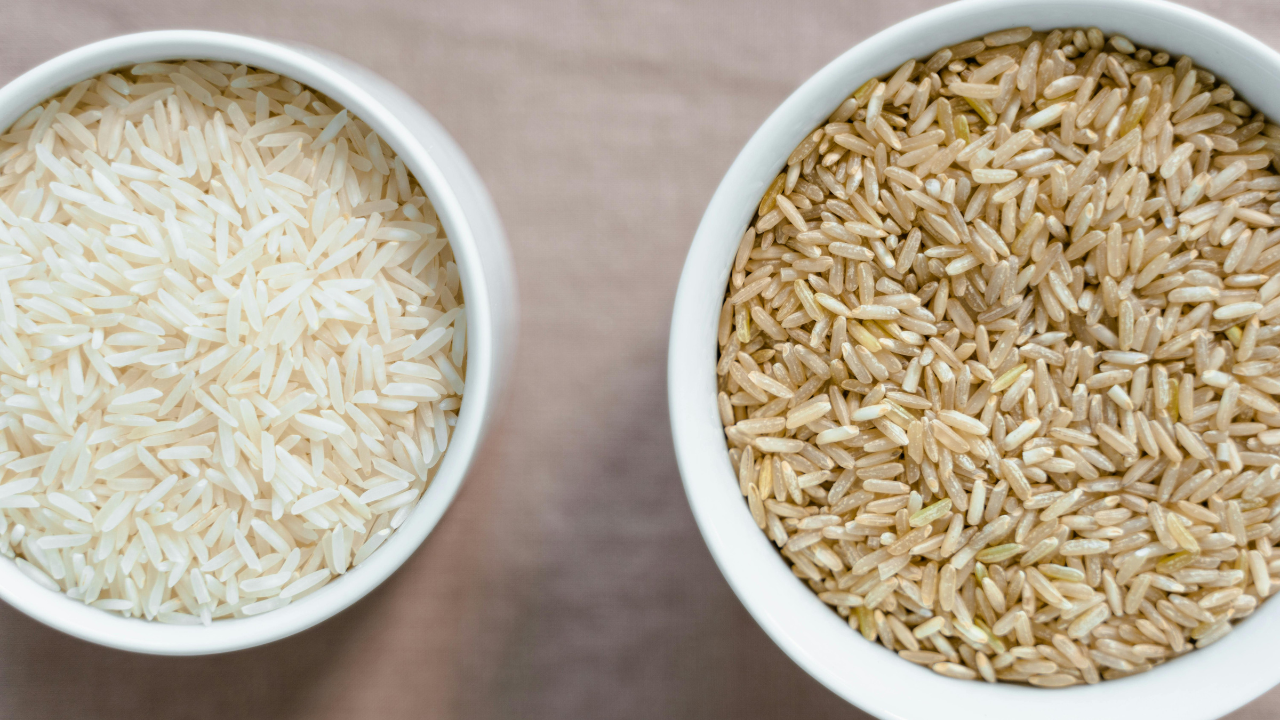
Rice has supported large populations for thousands of years, especially in Asia. Farmers in ancient China cultivated it as a dependable source of daily calories. Because rice could feed many people, it helped communities grow and form complex societies. Trade later carried rice to the Middle East, Africa, Europe, and the Americas. Like other major crops, its cultivation was also tied to forced labor in some parts of history.

12. Wine

12. Wine
© Magnific / 8photo

Wine became important because fermented drinks were often safer than local water in ancient societies. Evidence of winemaking goes back thousands of years, including early production in the Caucasus region. Greek and Roman societies used wine in daily life, trade, and religious ceremonies. It became part of culture, medicine, agriculture, and social rituals. Later, the study of wine spoilage contributed to scientific discoveries, including work that helped lead to pasteurization.

13. Cheese

13. Cheese
© Magnific / azerbaijan_stockers

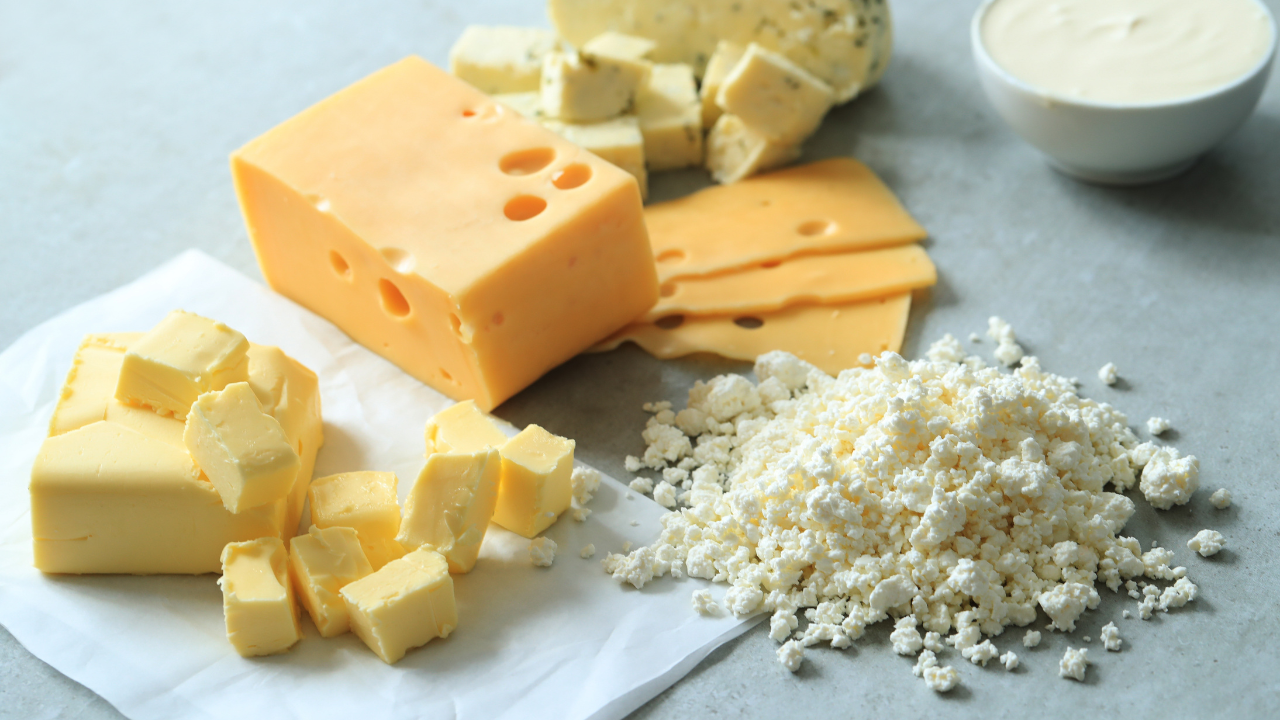
Cheese likely began as an accidental discovery when milk was stored in animal stomachs and separated into curds. That discovery gave people a way to preserve milk and turn it into a portable, protein-rich food. Cheese became especially valuable for travelers, herders, and communities that depended on dairy animals. Over time, different regions developed their own methods for aging, salting, and flavoring it. This created thousands of cheese styles that still reflect local traditions today.

14. Chili peppers

14. Chili peppers
© Magnific / jcomp

Chili peppers grew in the Americas before spreading around the world through trade. Once they reached Asia, Africa, and Europe, they quickly changed local cooking traditions. Their heat added excitement to simple diets and helped create bold regional flavors. Many cuisines now seem inseparable from chili peppers, even though the plants did not originally come from those regions. Their journey shows how trade can reshape flavor so completely that history becomes easy to forget.

15. Fast food

15. Fast food
© Magnific / KamranAydinov

Fast food changed the way people think about meals, time, and convenience. In the mid-20th century, companies such as McDonald’s used assembly-line methods to serve food quickly and consistently. Standardized ingredients and large-scale purchasing helped make fast food affordable and widely available. It influenced work breaks, travel, eating, family meals, and restaurant business models around the world. At the same time, its high levels of salt, sugar, and fat raised long-term concerns about modern eating habits.

Comments (0)

No comments yet. Be the first to share your thoughts!

Leave a Reply