High-priced restaurant dishes often reflect more than the cost of food alone. Rare ingredients, luxury branding, elaborate presentation, location, and social media appeal can all influence the final price. Some dishes rely on premium beef, caviar, lobster, or truffles, while others are built around dramatic plating or edible gold. These meals are not everyday dining choices, but they show how restaurants use scarcity, spectacle, and reputation to create luxury experiences. From oversized desserts to gold-covered steaks, these dishes explain why some restaurant bills can climb quickly.
1. Oops, I dropped my Ice cream
© Pexels / Kindel Media
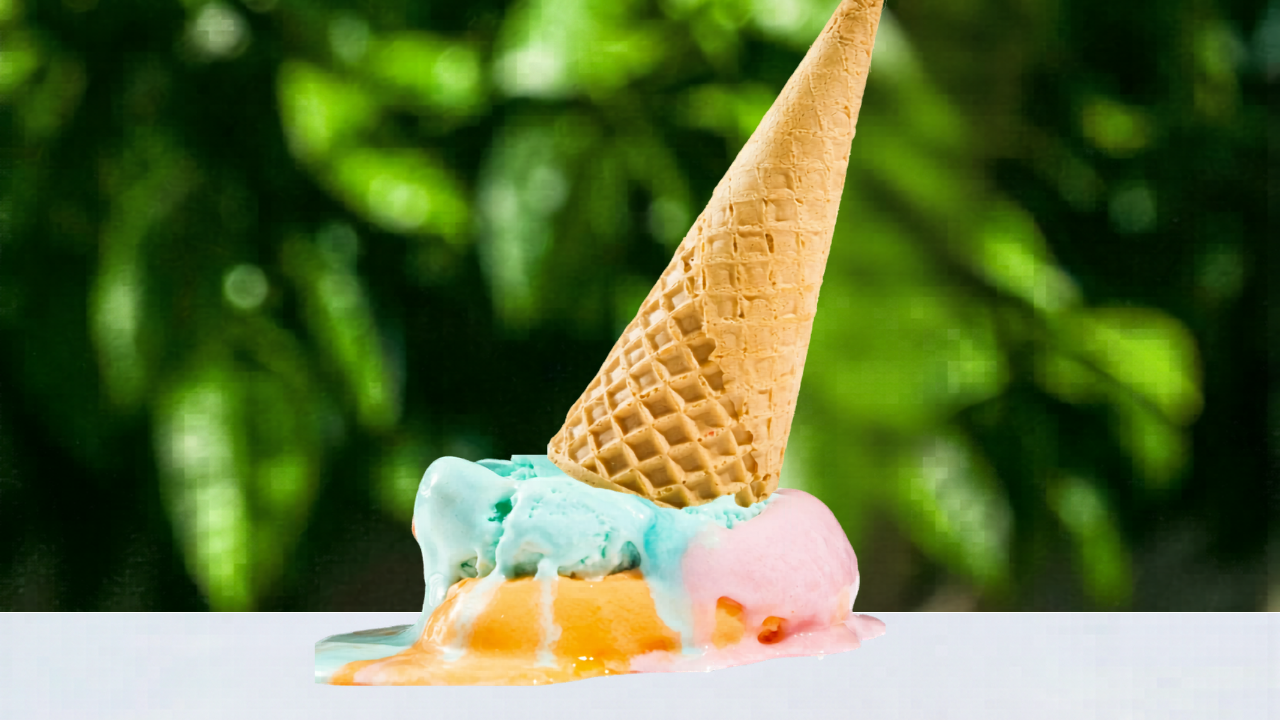
Barton G. in Los Angeles serves Oops I Dropped My Ice Cream as a large-scale dessert built around visual impact. The dish features a tall ice cream cone presentation with vanilla cake, strawberry ice cream, chocolate frosting, and crumble. Unlike many expensive dishes, it does not rely on caviar, truffles, or edible gold. Much of the price comes from its size, playful concept, and dramatic tableside appearance. It is designed to be memorable, especially for diners who enjoy highly visual restaurant experiences.
2. Sealand
© Pexels / Shameel mukkath
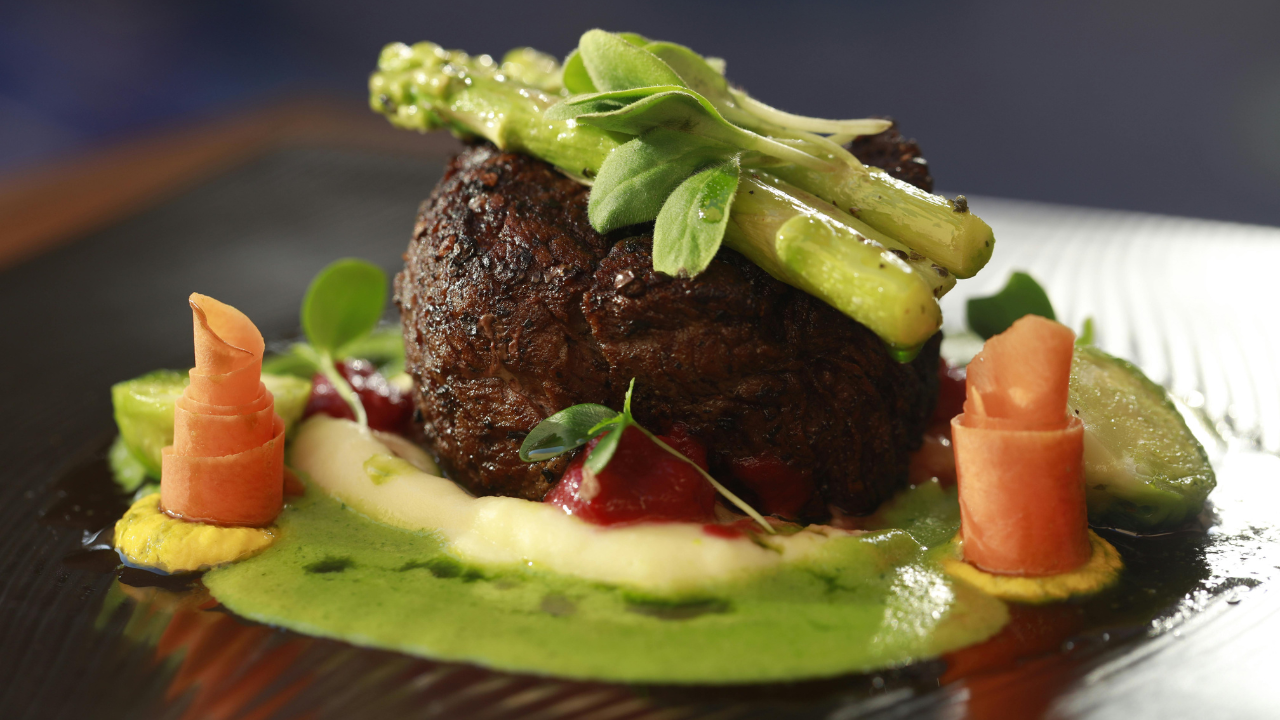
Sealand at the restaurant Guy Savoy in Las Vegas is a luxury version of surf and turf. The dish combines Japanese A5 wagyu with lobster tail, along with taro, purple potato, and cabbage. Its price is largely connected to the use of two costly ingredients that are strongly associated with high-end dining. A5 wagyu is known for its marbling and limited supply, while lobster remains expensive because demand often exceeds availability. The restaurant’s location inside Caesars Palace also adds to the premium dining setting.
3. Tomahawk ribeye
© Hell's Kitchen
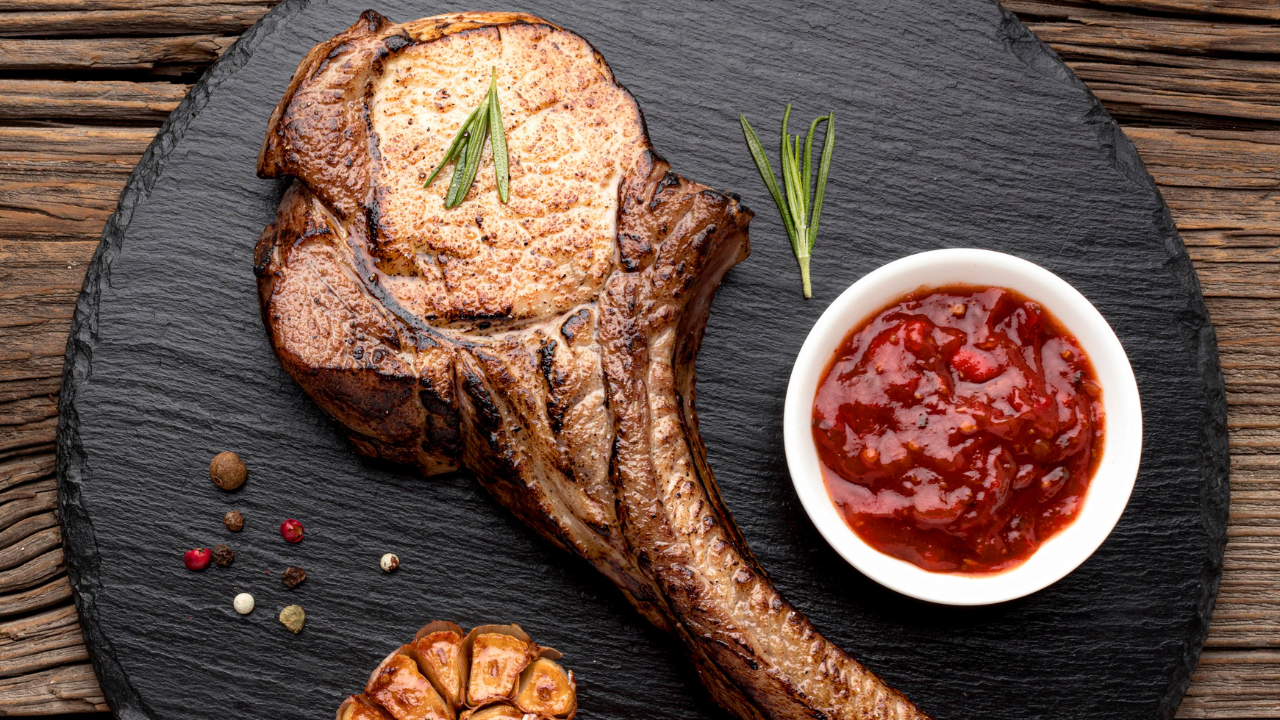
The tomahawk ribeye at Barton G. is a large steak served with asparagus and whipped potatoes. Its 45-ounce size makes it suitable for sharing, which partly explains the higher price. The steak is made with Australian wagyu, a beef known for strong marbling and a rich texture. The presentation also plays a role, with the steak served in a dramatic style that matches the restaurant’s visual approach. For diners, the cost reflects both the cut of meat and the restaurant’s focus on theatrical plating.
4. The gold experience
© Empiresteakhouse
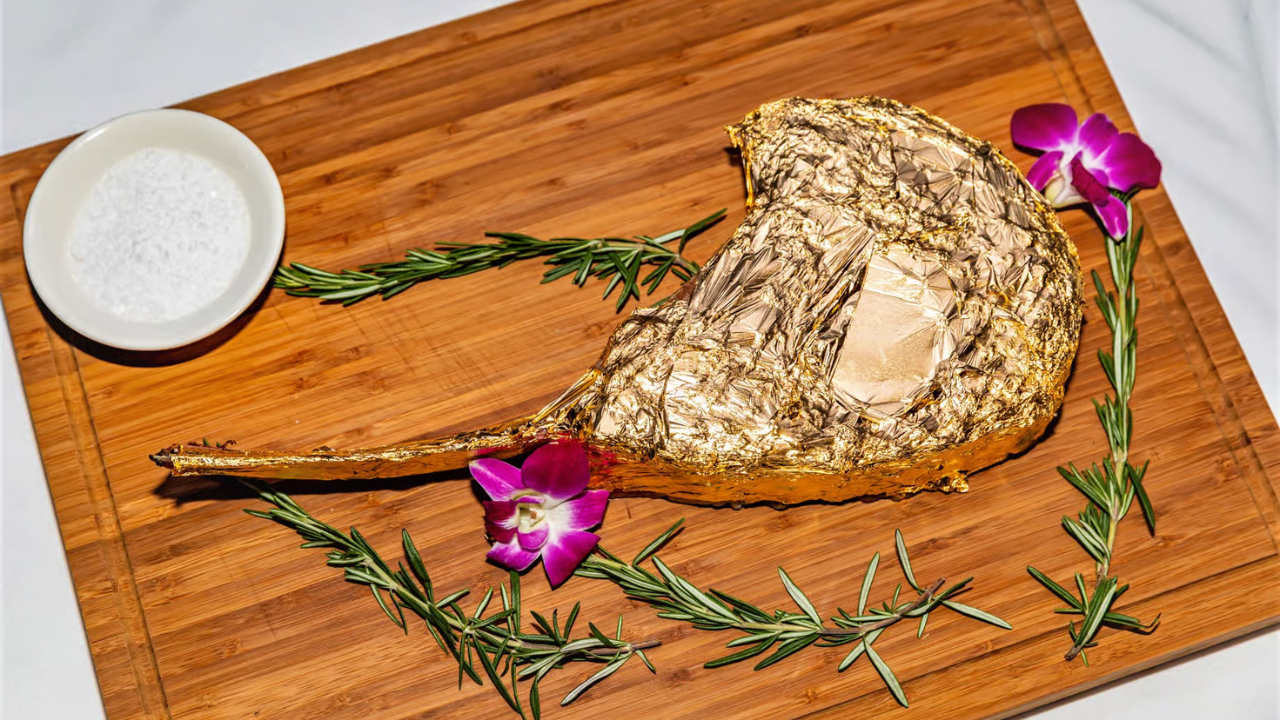
The Gold Experience at 212 Steakhouse in New York features a 6-ounce Kobe steak covered in 24-karat gold leaf. While the gold makes the dish visually striking, it does not add flavor, aroma, or nutritional value. The main reason for the high price is the Kobe beef, which comes from a specific type of Japanese cattle raised under strict standards. Authentic Kobe beef is rare and closely regulated, making it one of the most expensive beef varieties in the world. The gold coating adds spectacle, but the meat is the true luxury ingredient.
5. A5 Wagyu duo
© Magnific / muhammad.abdullah
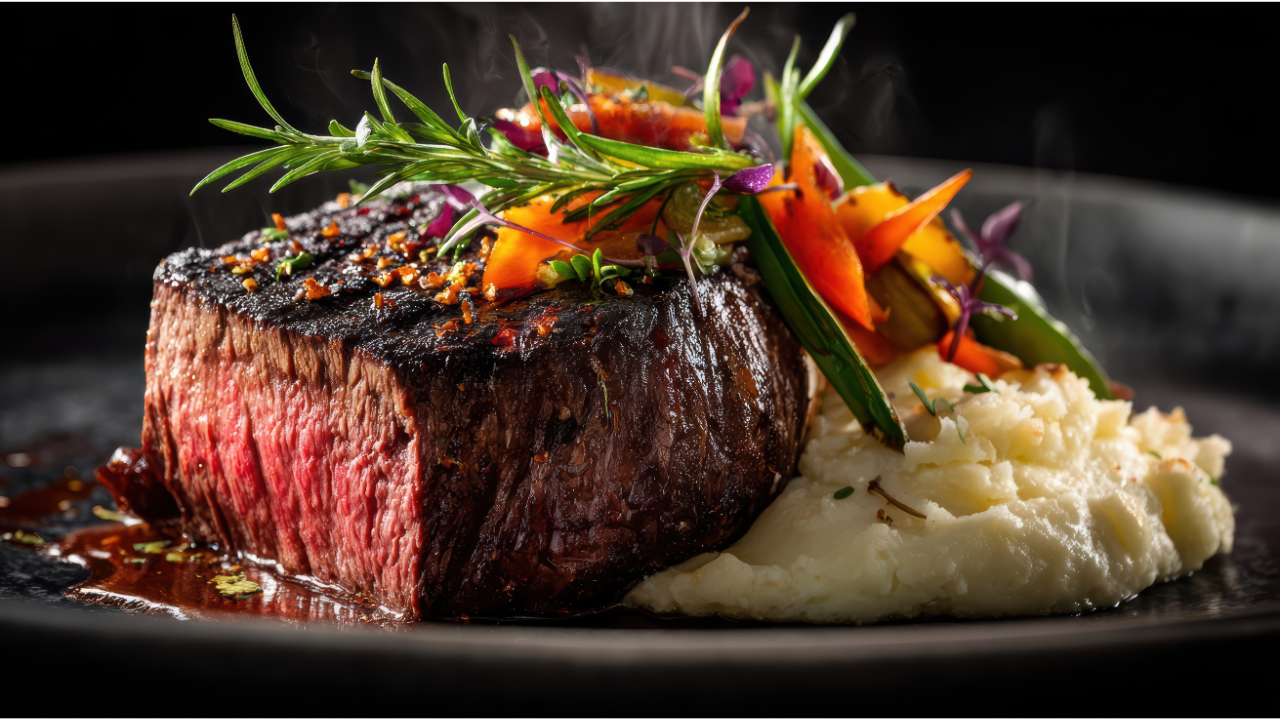
The A5 Wagyu Duo at Bourbon Steak in Washington, D.C., focuses on two Japanese wagyu selections. The dish includes beef from Miyazakigyu and Uenae, both known for careful raising methods and high marbling. Like wine, wagyu can vary depending on where and how the cattle are raised. This dish gives diners a chance to compare two premium styles side by side. Its price reflects the quality, rarity, and sourcing of the beef rather than a large portion size alone.
6. Caviar baked potato
© Magnific / 8photo
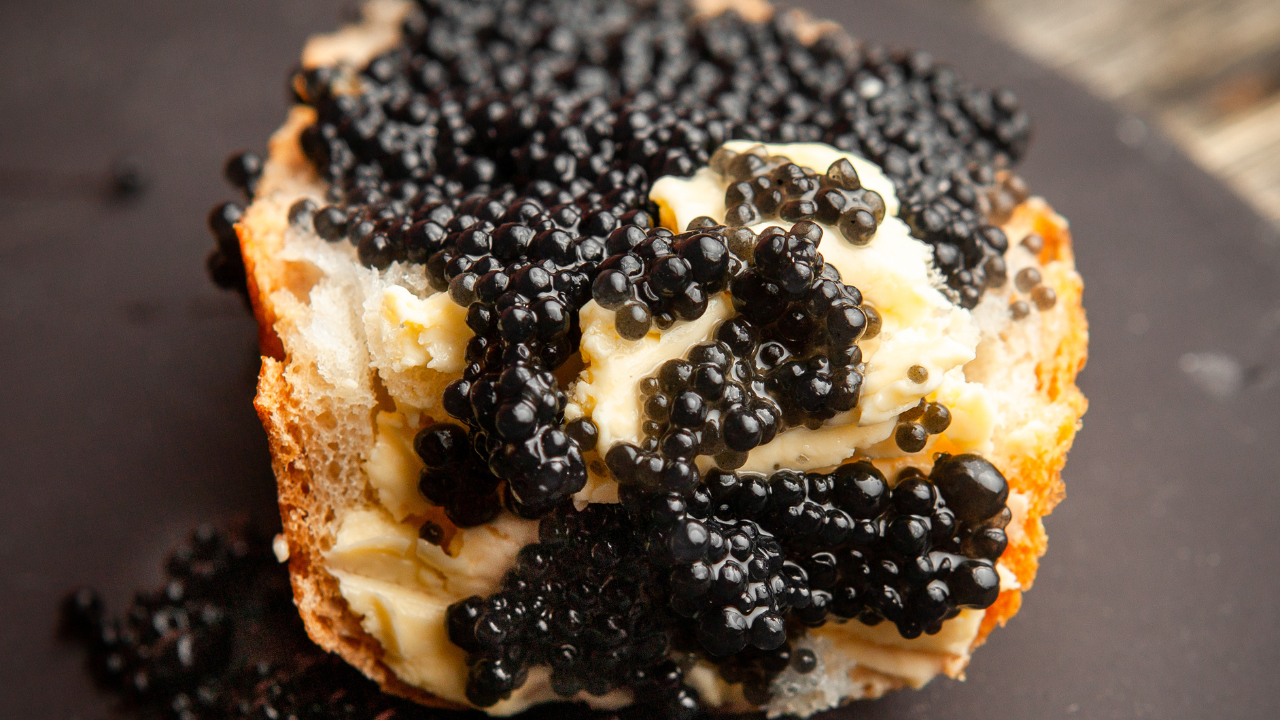
Caviar Kaspia at The Mark in New York serves a baked potato topped with a choice of caviar. The most expensive version uses an 80-gram serving of Selection Oscietra caviar. Osetra caviar is valued for its firm texture and rich flavor, making it one of the more prestigious caviar types. The dish is also known for pairing a simple potato with a luxury ingredient, creating contrast between comfort food and fine dining. Its reputation as a signature menu item also helps explain the high price.
7. Golden opulence sundae
© Hell's Kitchen
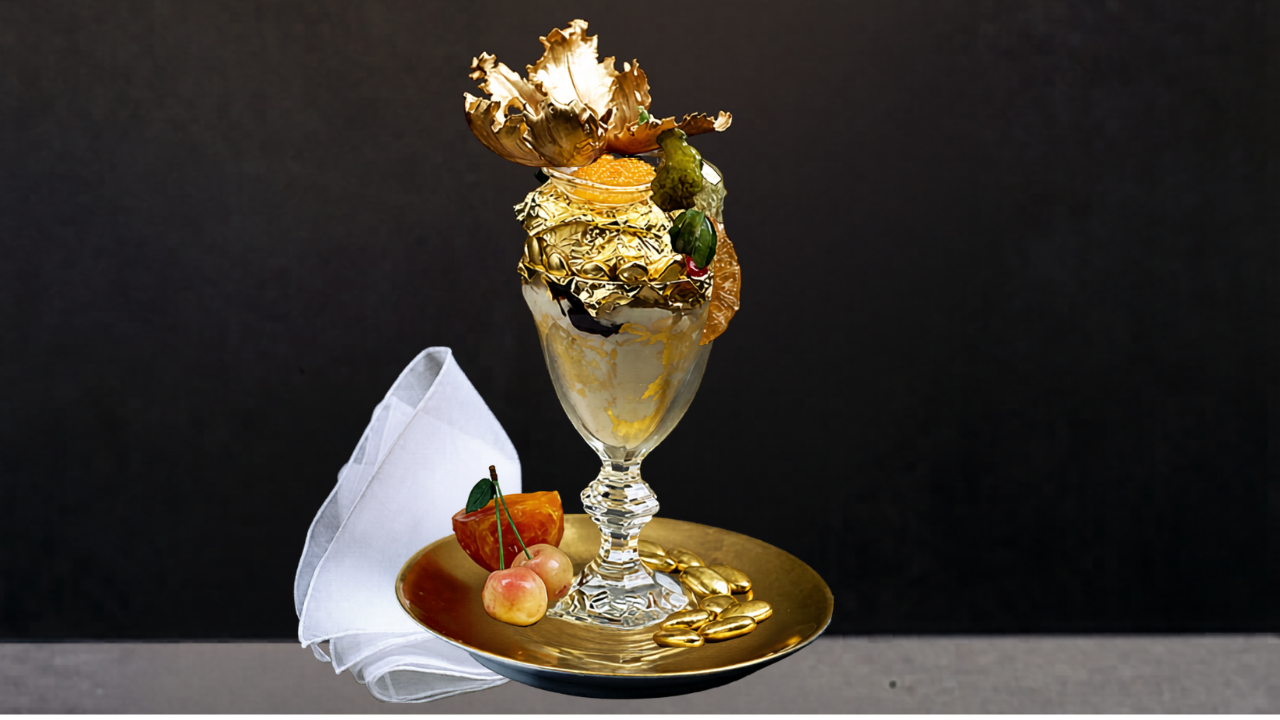
The Golden Opulence Sundae at Serendipity 3 in New York is a dessert built around rare ingredients and elaborate service. It includes Tahitian vanilla ice cream, edible gold leaf, caviar, and a handcrafted sugar orchid. The dessert must be ordered in advance, partly because some decorative elements take hours to prepare. It is also served in a crystal goblet with a gold spoon, which adds to the sense of occasion. The price reflects the ingredients, presentation, preparation time, and the restaurant’s long history with extravagant desserts.
8. Golden amor
© Magnific / bublikhaus
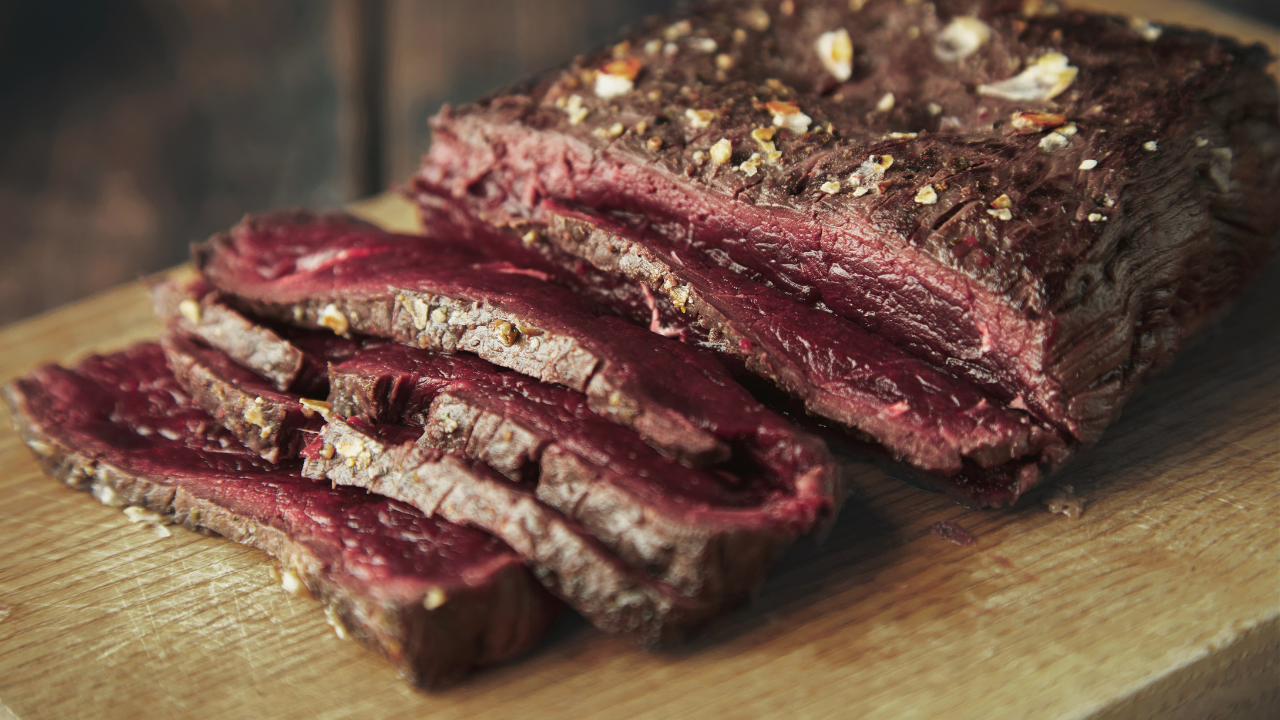
Golden Amor at Nusr-Et in Miami is a gold-covered Wagyu rib cap. The rib cap is already considered a flavorful and tender cut, and the restaurant adds further richness through a mustard marinade. After cooking, the steak is covered with 24-karat gold leaf for a dramatic presentation. The edible gold is mostly visual, while the beef and the restaurant’s branding are bigger parts of the price. This dish is closely tied to the social media-driven style that helped make Nusr-Et widely recognized.
9. 24K pizza
© Hell's Kitchen
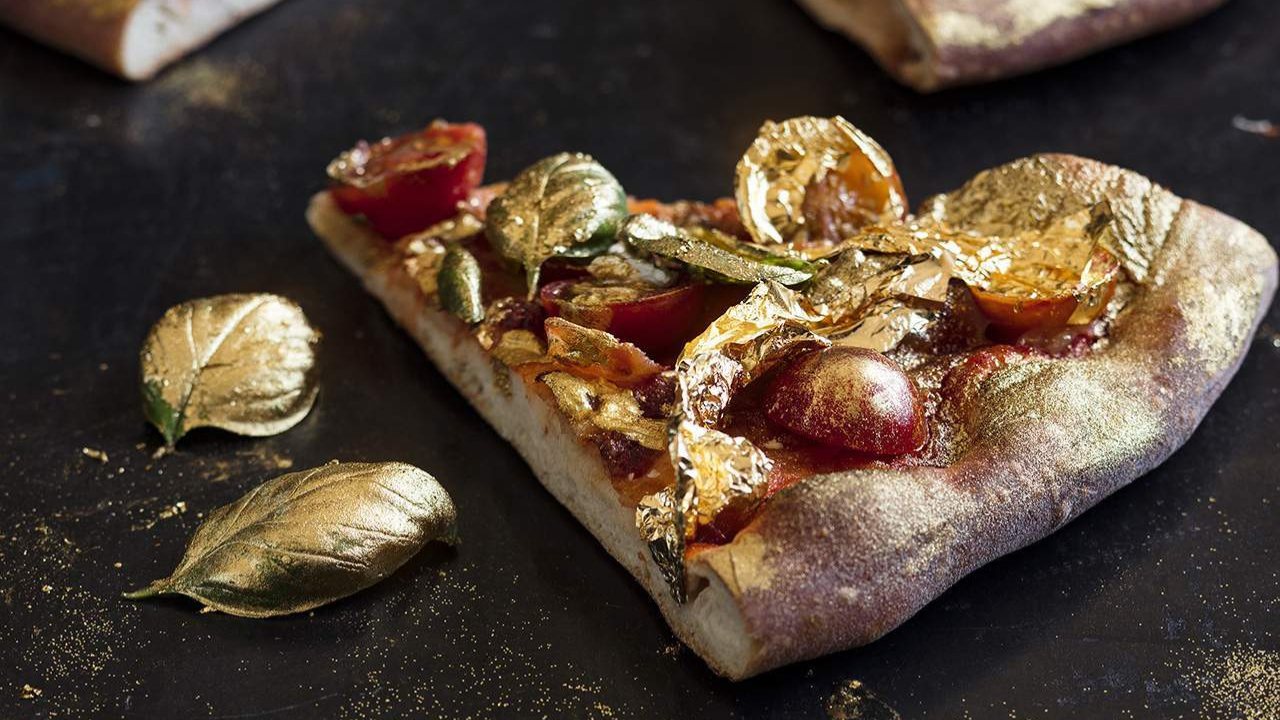
The 24K Pizza at Industry Kitchen in New York uses several luxury ingredients on one dish. Its toppings include French Périgord truffle, platinum osetra caviar, foie gras, and edible gold. Truffles are costly because they are difficult to harvest and highly valued for their aroma. Osetra caviar and foie gras also add to the overall price because they are associated with fine dining. For diners who want an even more expensive version, the restaurant has offered the option to add rare almas caviar.
10. Oscietra caviar
© Pexels / Rachel Claire
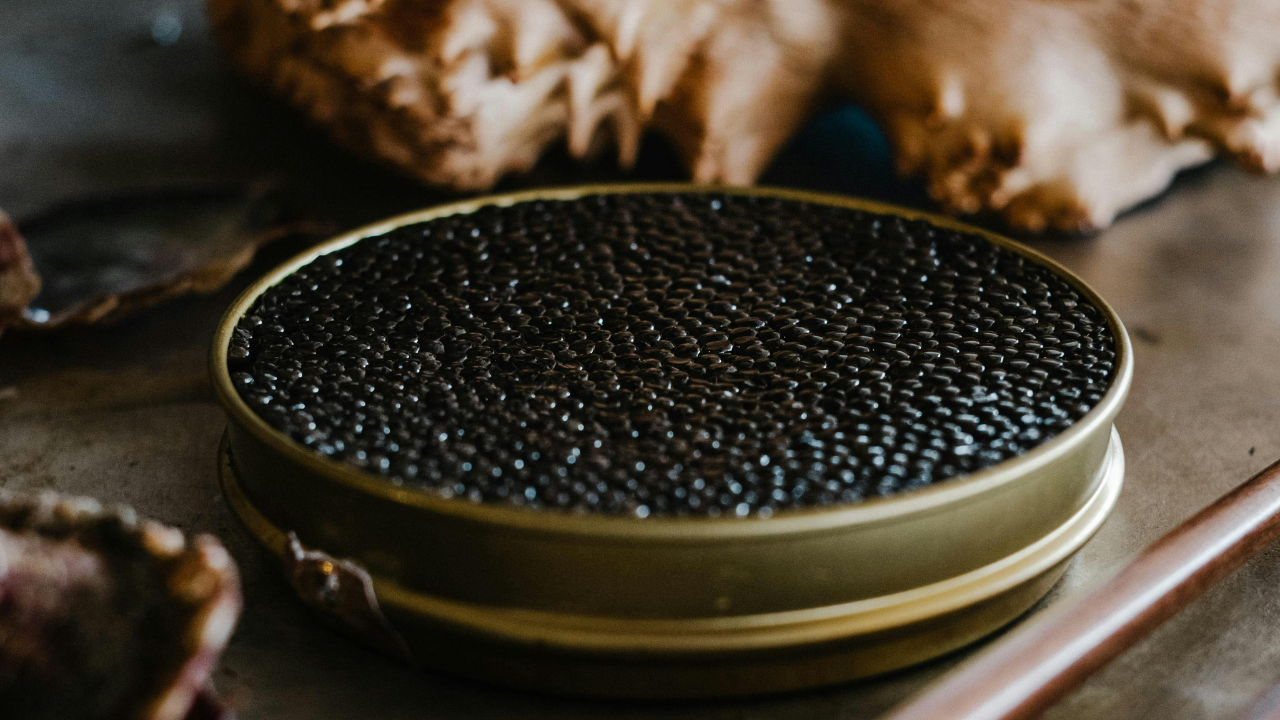
Caviar Kaspia at The Mark in New York also offers Oscietra caviar as a standalone luxury item. The largest serving, 500 grams, costs far more than many full tasting menus. The price reflects the quality and quantity of the caviar, but the restaurant and hotel setting also play a major role. Caviar Kaspia and The Mark are both associated with high-end dining, luxury service, and celebrity clientele. In this case, diners are paying for a rare ingredient as well as the prestige surrounding where it is served.

Comments (0)
No comments yet. Be the first to share your thoughts!