Current Date: 3 May, 2026

14 Gordon Ramsay cooking tips for everyday meals at home

Cooking advice is most useful when it feels realistic for a regular kitchen. Gordon Ramsay’s practical tips focus on small habits that improve prep, flavor, texture, and control without requiring special tools or complicated steps. From cutting vegetables more cleanly to seasoning rice while it cooks, these methods help reduce common kitchen frustrations. They are simple adjustments, but they can make everyday cooking feel more organized and consistent.

1. Add Salt When Mincing Garlic
1. Add Salt When Mincing Garlic
© Shutterstock / New Africa

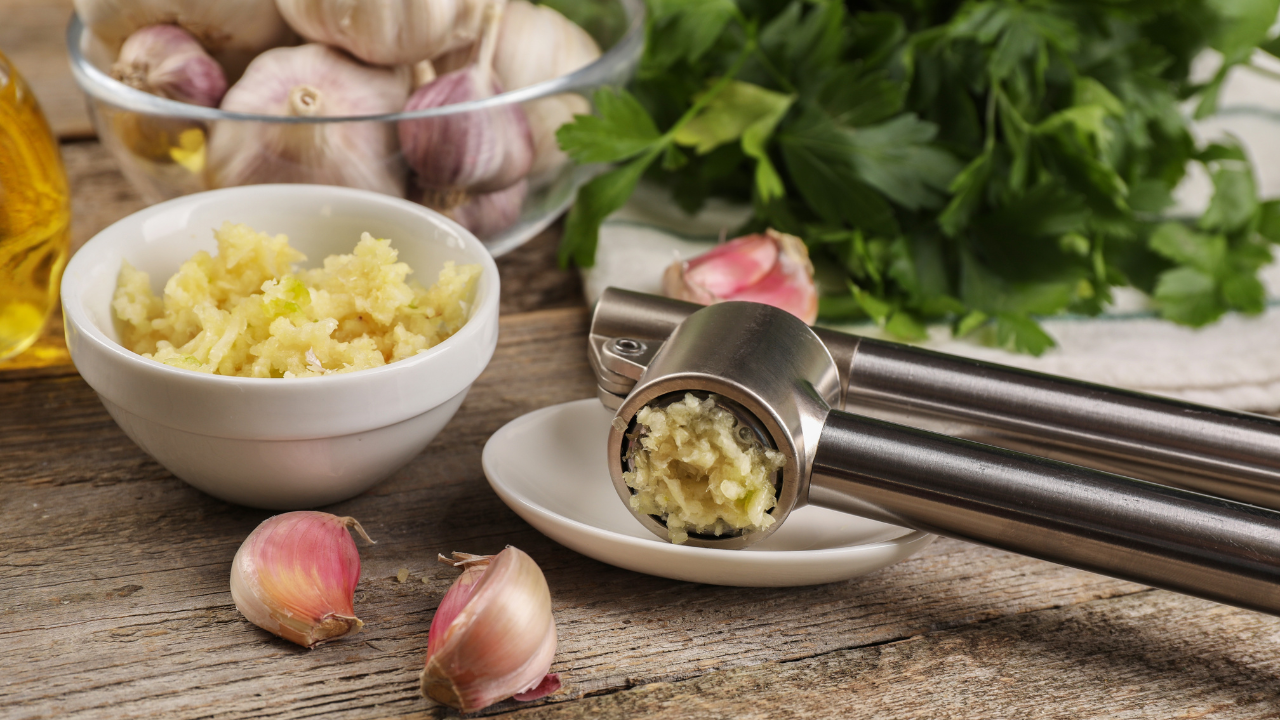
Adding a small amount of salt to the cutting board can make garlic easier to mince. The salt works as a mild abrasive, helping break down the garlic fibers into a finer texture. It can also help keep the garlic from sticking too much to the knife. This method is useful when preparing sauces, marinades, or garlic paste.

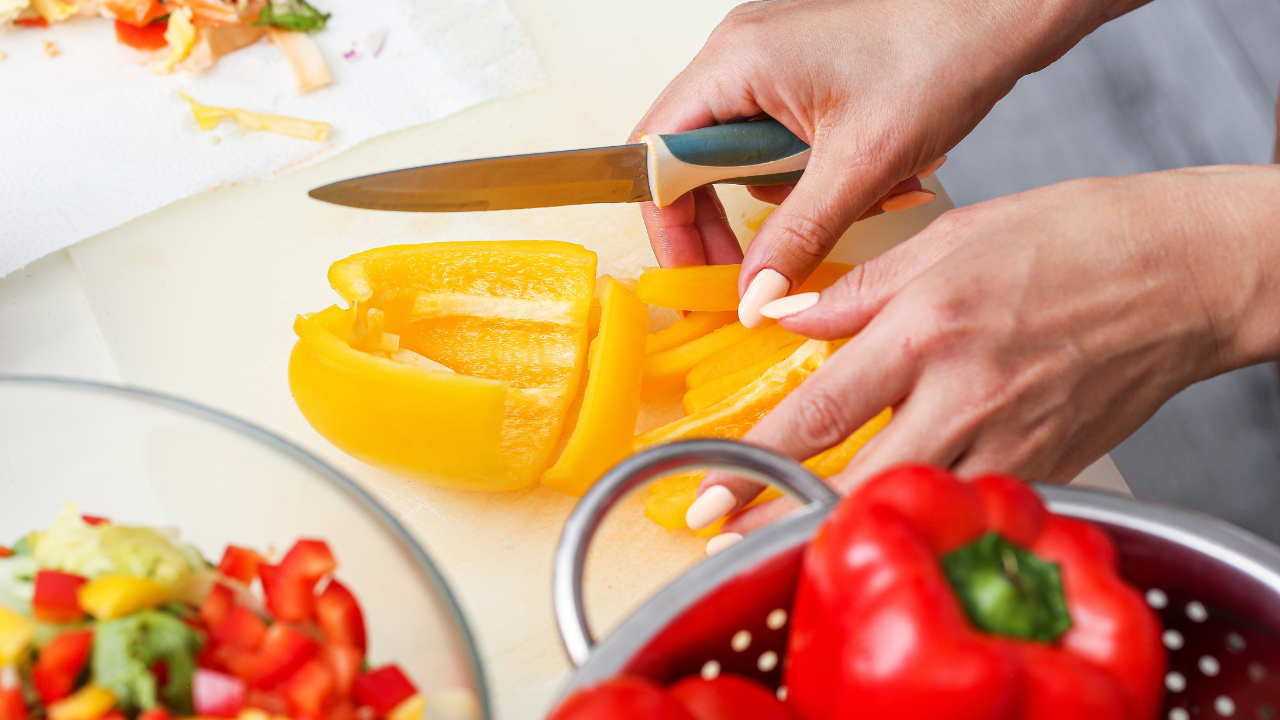
2. Cut Bell Peppers Upside Down

2. Cut Bell Peppers Upside Down
© Shutterstock / Pawel Michalowski

Cutting bell peppers upside down can make the process cleaner and more controlled. After removing the stalk, placing the pepper upside down helps you slice around the seeds with less mess. The pieces can then be flattened and cut into even strips. This technique reduces waste and makes prep faster for salads, stir-fries, or roasted dishes.

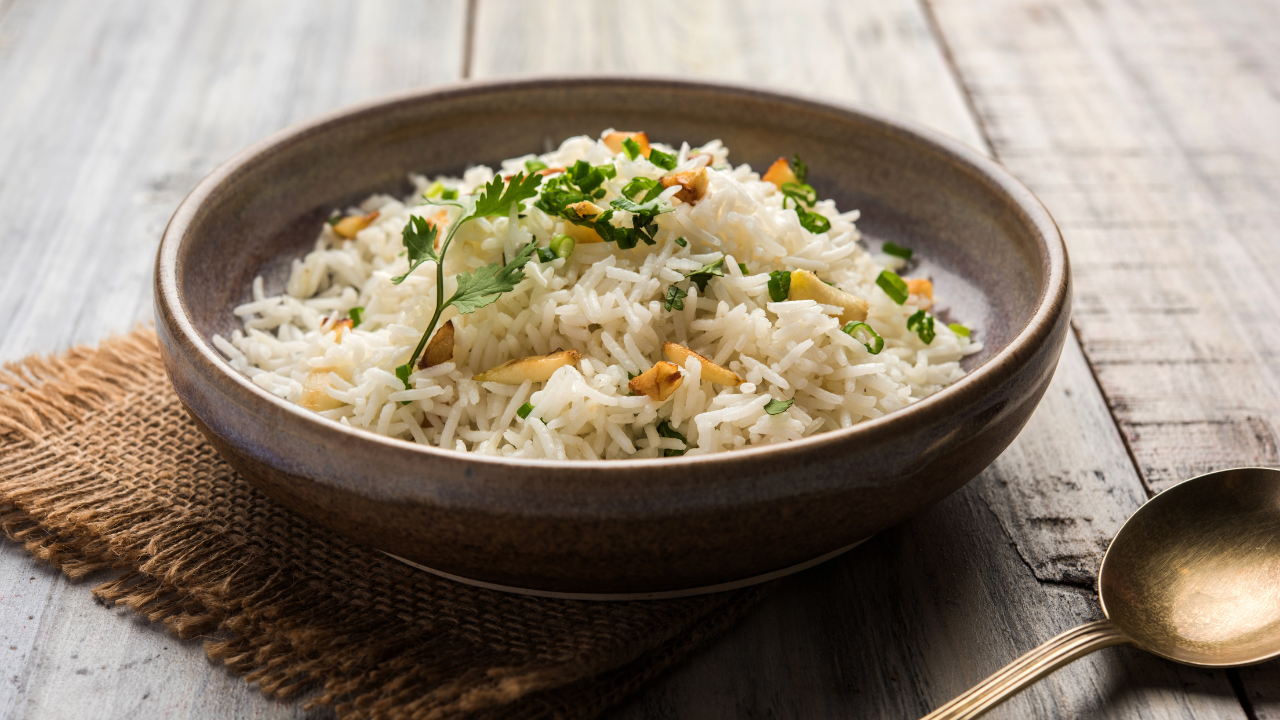
3. Season Rice While It Cooks

3. Season Rice While It Cooks
© Shutterstock / StockImageFactory

Rice absorbs flavor better when seasoning is added during cooking. Ingredients like salt, pepper, garlic, cardamom, star anise, or lemon zest can infuse into the grains as they steam. This creates a more even flavor than adding spices after the rice is done. It is a simple way to turn plain rice into a more flavorful side.

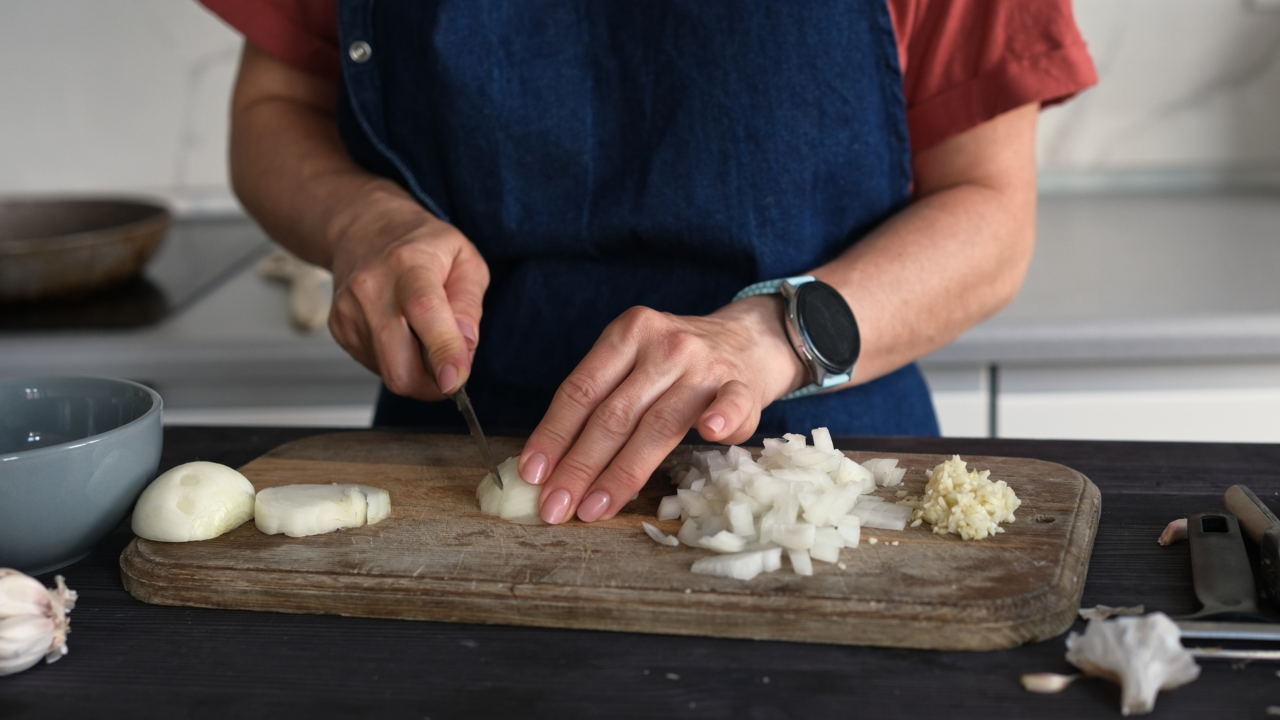
4. Keep the Onion Root Intact

4. Keep the Onion Root Intact
© Shutterstock / T.Vyc

Keeping the onion root intact helps hold the layers together while cutting. It may also reduce the amount of irritating juice released during chopping. A sharp knife and steady cuts make the process cleaner and safer. Chilling the onion briefly before cutting can also make prep more comfortable.

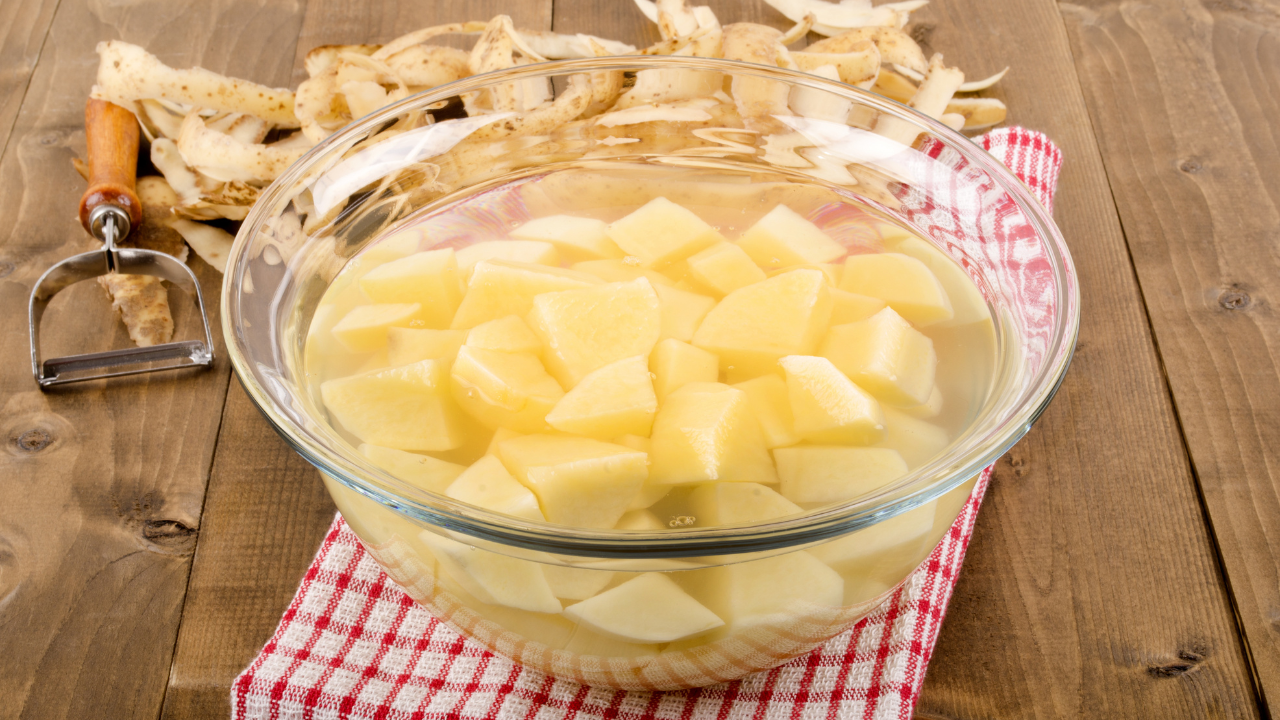
5. Start Potatoes in Cold Water

5. Start Potatoes in Cold Water
© Shutterstock / Joerg Beuge

Starting potatoes in cold water helps them cook evenly from the center to the outside. If they are added directly to boiling water, the outside can soften too quickly while the center stays firm. Gradual heating gives better texture and helps prevent mushiness. This method works especially well before mashing or roasting.

6. Chop Fresh Herbs Carefully

6. Chop Fresh Herbs Carefully
© Shutterstock / Wirestock Creators

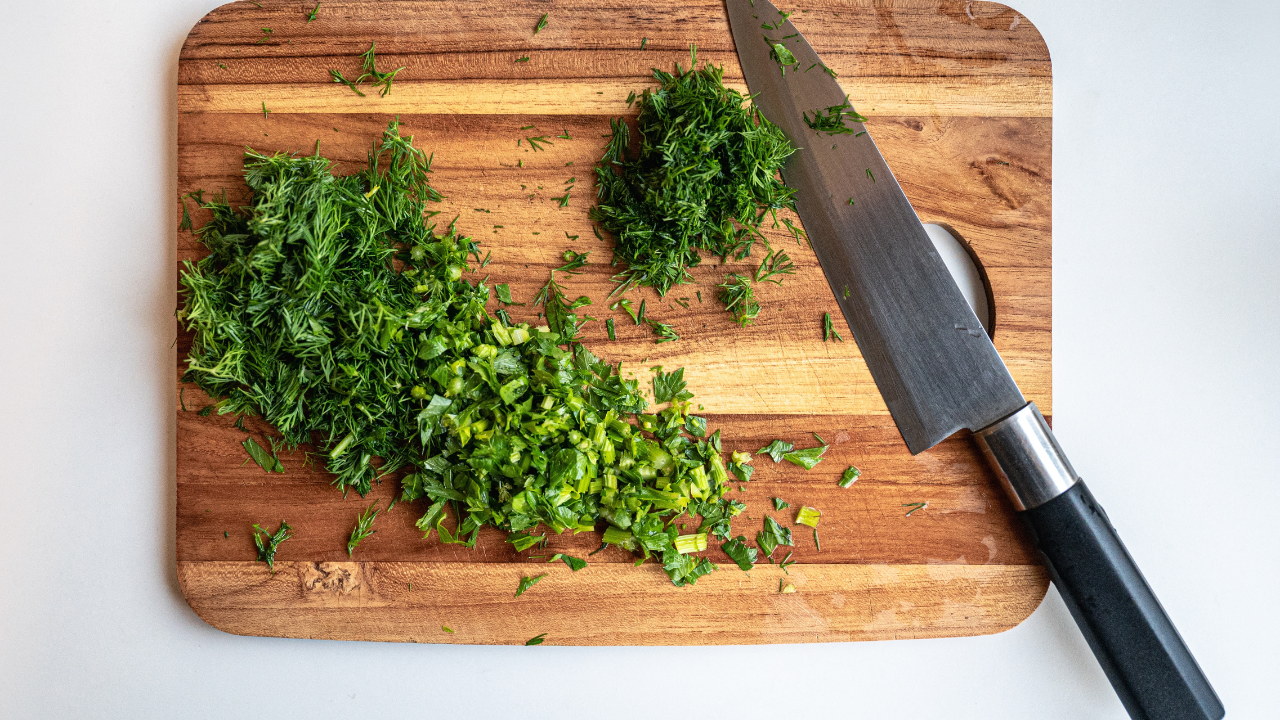
Fresh herbs can bruise if they are crushed or cut with a dull knife. A sharp blade and gentle cutting motion help preserve their color, aroma, and flavor. Ramsay’s careful hand position keeps fingers protected while allowing more controlled cuts. For basil, stacking and rolling the leaves before slicing creates clean, thin strips.

7. Roll Lemons Before Juicing

7. Roll Lemons Before Juicing
© Shutterstock / New Africa

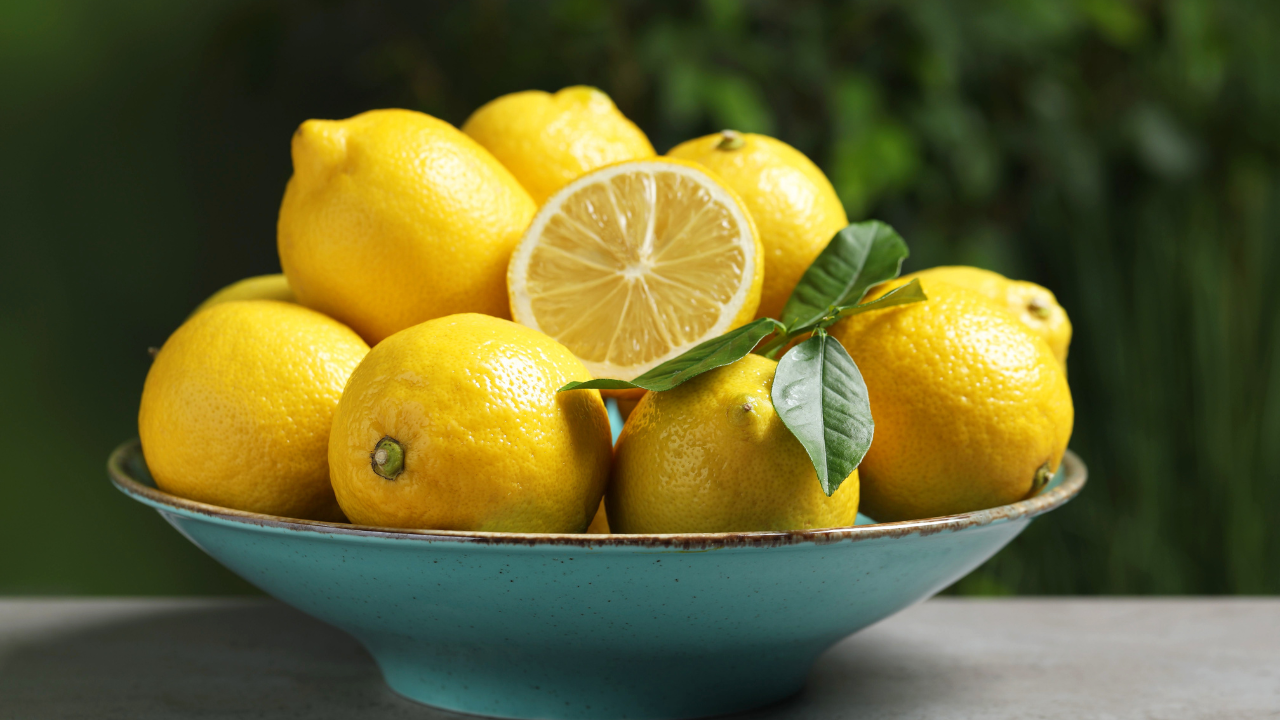
Rolling lemons on the counter before cutting helps loosen the inside of the fruit. This makes it easier to extract more juice with less effort. The same method can also work with limes and firmer citrus. Removing zest first is useful if you want to save it for cooking or baking.

8. Focus on Searing Steak Properly

8. Focus on Searing Steak Properly
© Hell's Kitchen

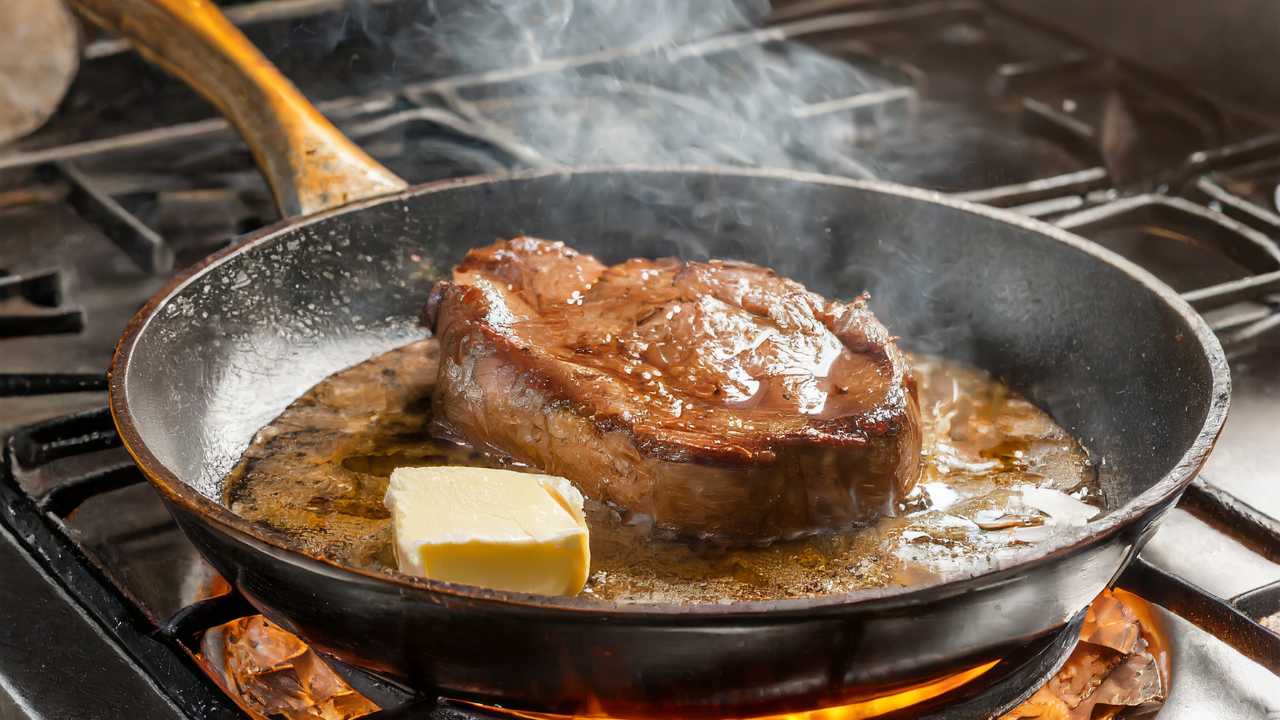
A good steak starts with proper temperature, seasoning, and a hot pan. Letting the meat rest briefly before cooking helps it cook more evenly. Waiting for visible browning before flipping builds better flavor and texture. Resting the steak after cooking helps the juices settle before serving.

9. Fold Scrambled Eggs Instead of Whisking First

9. Fold Scrambled Eggs Instead of Whisking First
© Unsplash / Imad 786

Ramsay’s scrambled egg method starts by cracking eggs directly into the pan and folding them as they cook. Stirring with a rubber spatula helps control texture and prevent graininess. Moving the pan on and off the heat helps avoid overcooking. Adding a cool ingredient like crème fraîche near the end can help keep the eggs soft.

10. Rinse Hands With Lemon Juice After Cutting Hot Peppers
10. Rinse Hands With Lemon Juice After Cutting Hot Peppers
© Pexels / olga Volkovitskaia

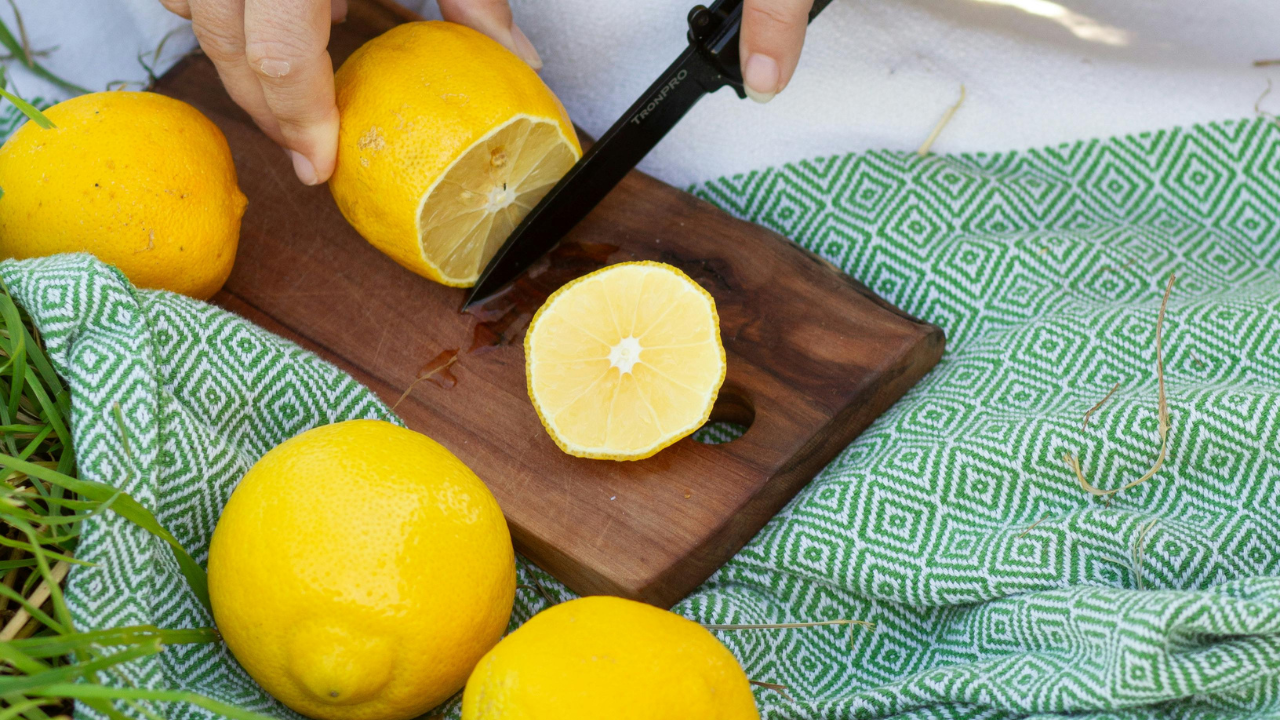
Hot peppers can leave capsaicin on the skin, which may irritate if transferred to the eyes or face. Lemon juice can help reduce the lingering burn before washing with soap and water. This step is useful after chopping spicy peppers such as habaneros or chilies. It also helps reduce strong food odors on the hands.

11. Keep Broccoli Crisp After Cooking

11. Keep Broccoli Crisp After Cooking
© Pexels / Lucas Porras

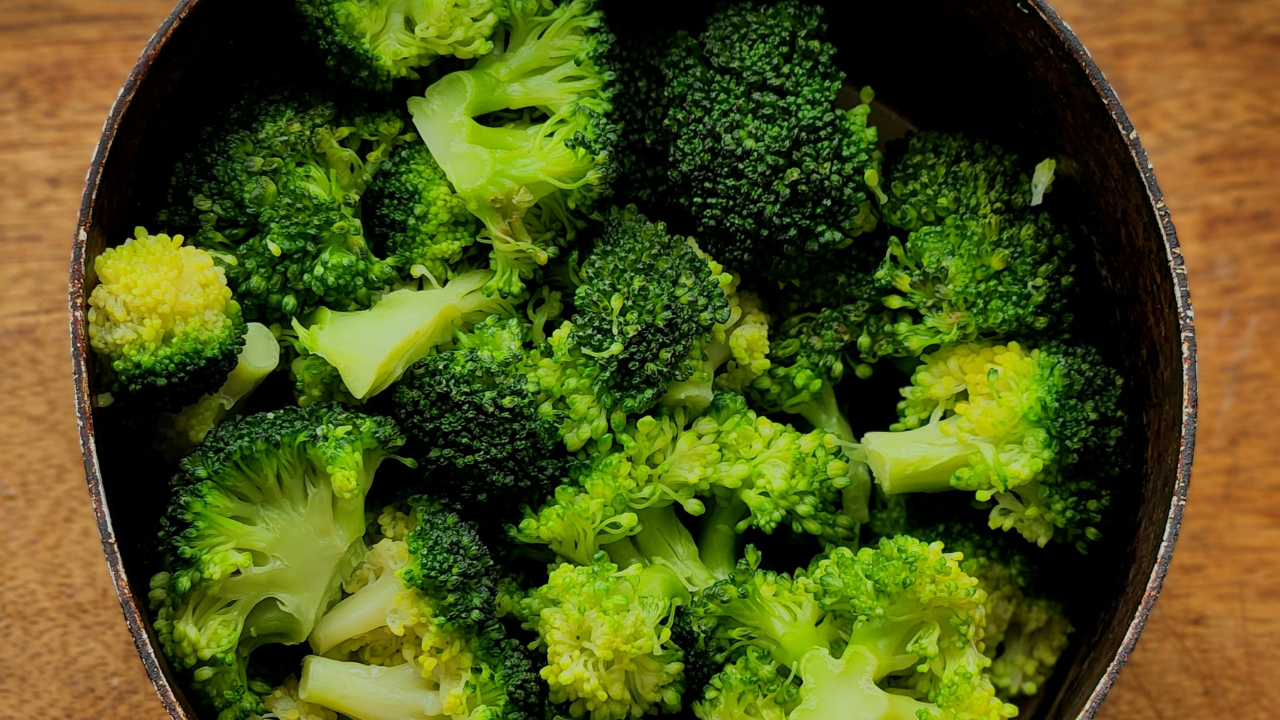
Broccoli can become soft if it holds too much moisture after cooking. Draining it well and placing it in a dry pan helps remove excess water. Seasoning after this step keeps the texture cleaner and more controlled. Garlic, salt, pepper, or red pepper flakes can add flavor without making it heavy.

12. Baste Burgers With Butter

12. Baste Burgers With Butter
© Pexels / Christopher Welsch Leveroni

Basting burgers with a small amount of softened butter near the end of cooking can add moisture and flavor. This works best once the burger has developed color on the outside. The butter adds richness without changing the structure of the patty. Letting the patties rest before cooking can also help them hold together better.

13. Freeze Mozzarella Before Shredding
13. Freeze Mozzarella Before Shredding
© Pexels / kaboompics

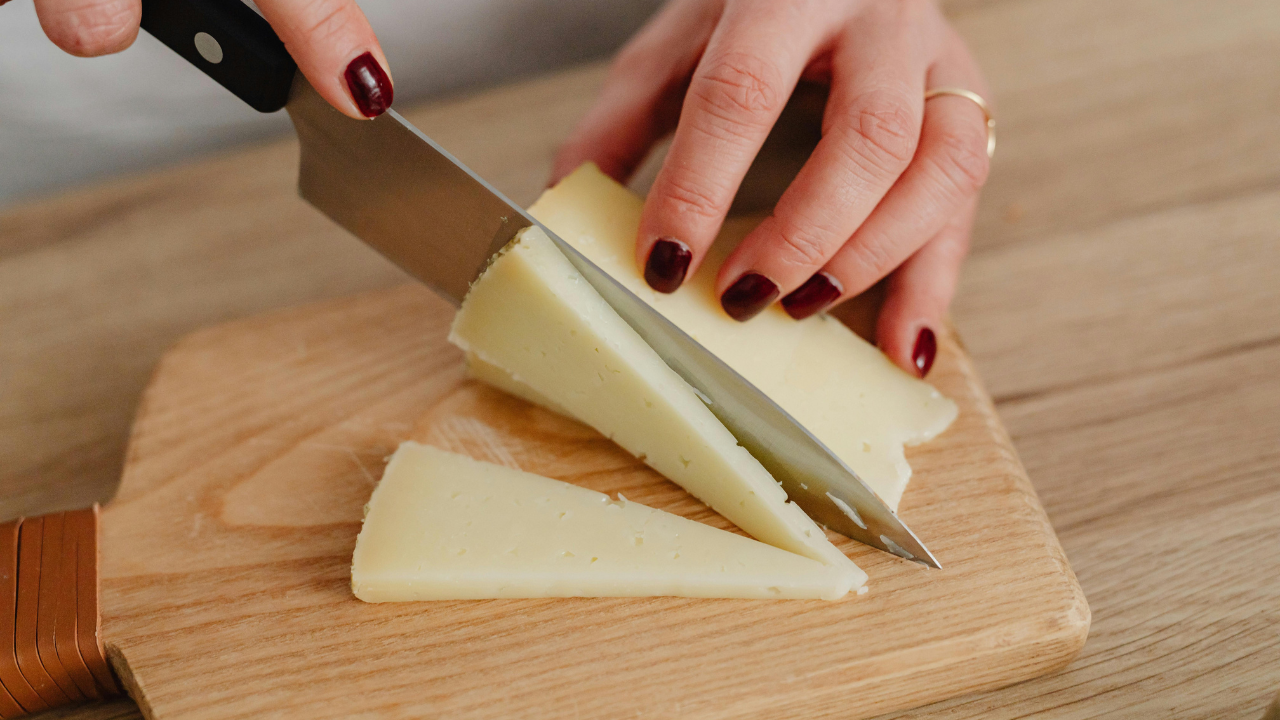
Fresh mozzarella is soft and moist, which can make it difficult to grate evenly. Placing it in the freezer for a short time firms it up enough to shred more cleanly. This helps prevent clumping and makes the cheese easier to spread over pizza, pasta, or baked dishes. Ten minutes is usually enough to improve handling.

14. Keep Knives Sharp

14. Keep Knives Sharp
© Pexels / Los Muertos Crew

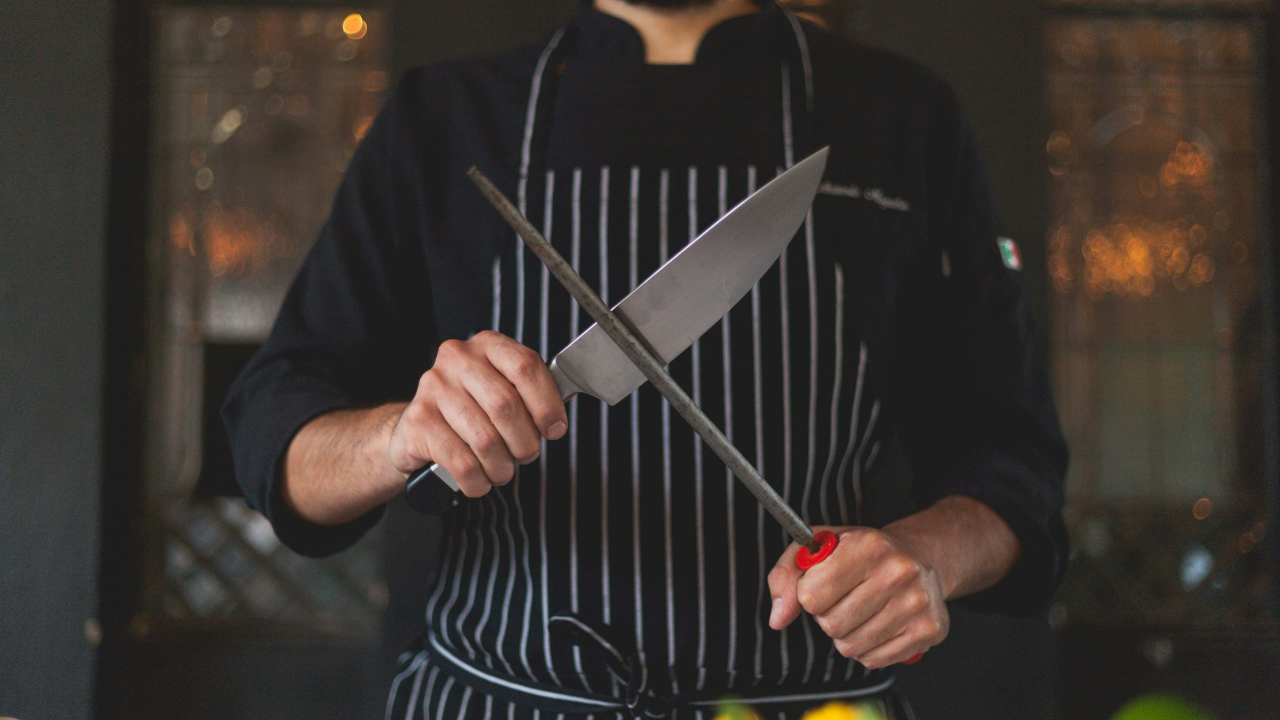
Sharp knives make cooking safer and more efficient because they require less pressure. A dull knife can slip more easily and produce uneven cuts. Regular honing helps maintain the blade, while sharpening is needed when the edge becomes truly dull. Proper storage and avoiding the dishwasher can also help knives stay in better condition.

Comments (0)

No comments yet. Be the first to share your thoughts!

Leave a Reply