Eating healthy doesn’t always mean spending more. Many everyday foods offer high nutritional value while remaining surprisingly affordable and easy to include in daily meals. From protein-rich staples to fiber-packed vegetables, these options prove that balanced eating can fit into almost any budget. If you’re looking to improve your diet without increasing your grocery bill, these foods are a smart place to start.
1. Eggs

© Shutterstock / Esin Deniz
Eggs are one of the most cost-effective sources of high-quality protein, packed with essential vitamins and minerals. They are versatile, quick to prepare, and can be used in everything from breakfasts to full meals. Despite their simplicity, they provide long-lasting energy and strong nutritional value.
Best Time to Use: Breakfast, quick meals, or post-workout options
Difficulty Level: Beginner requires minimal cooking skills
Chef’s Tip: Cook on low heat for better texture and nutrient retention
Must-Know: Eggs provide complete protein, meaning they contain all essential amino acids
2. Canned Soup
© Shutterstock / Toasted Pictures
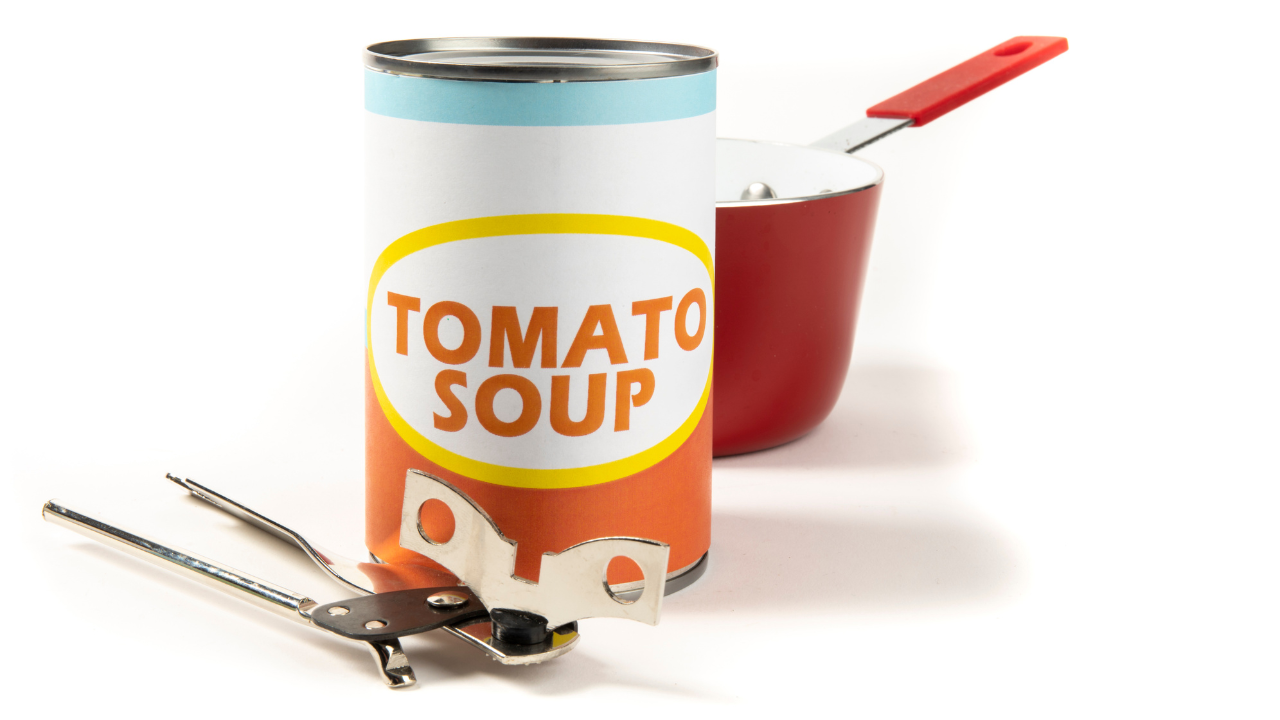
Canned soup is a convenient and affordable meal option that can be both comforting and nutritious when chosen carefully. Many varieties now include plant-based ingredients and balanced nutrients, making them a practical choice for quick lunches or dinners. However, ingredient quality varies widely.
Best Time to Use: Quick meals or busy days
Difficulty Level: Beginner, simply heat and serve
Chef’s Tip: Choose low-sodium options with simple ingredient lists
Must-Know: Healthy soups typically contain around 300–600 mg of sodium per serving
3. Lentils
© Shutterstock / nadianb
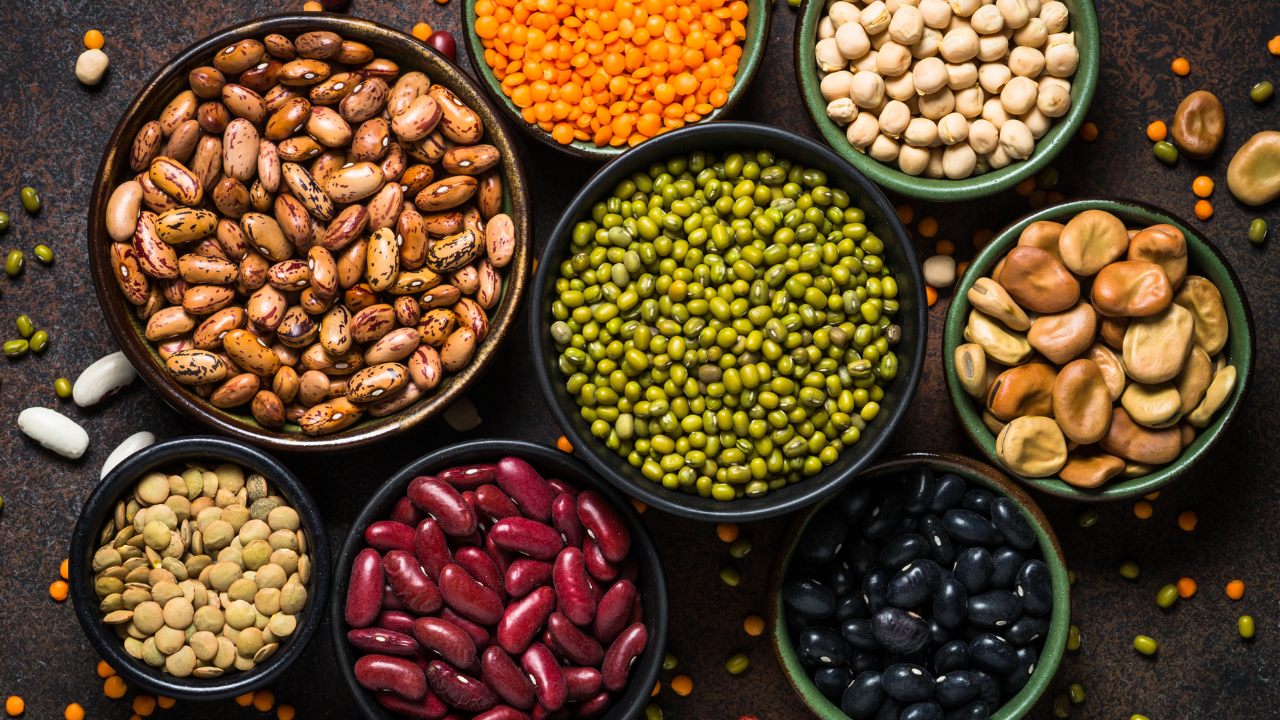
Lentils are a budget-friendly staple rich in protein, fiber, and essential nutrients. They cook relatively quickly compared to other legumes and absorb flavors well, making them ideal for soups, stews, and side dishes. Their nutritional density makes them especially valuable in low-cost diets.
Best Time to Use: Meal prep or hearty home-cooked meals
Difficulty Level: Beginner, easy boiling and seasoning
Chef’s Tip: Rinse thoroughly before cooking for better texture
Must-Know: Lentils provide plant-based protein along with high fiber content
4. Oats
© Shutterstock / New Africa
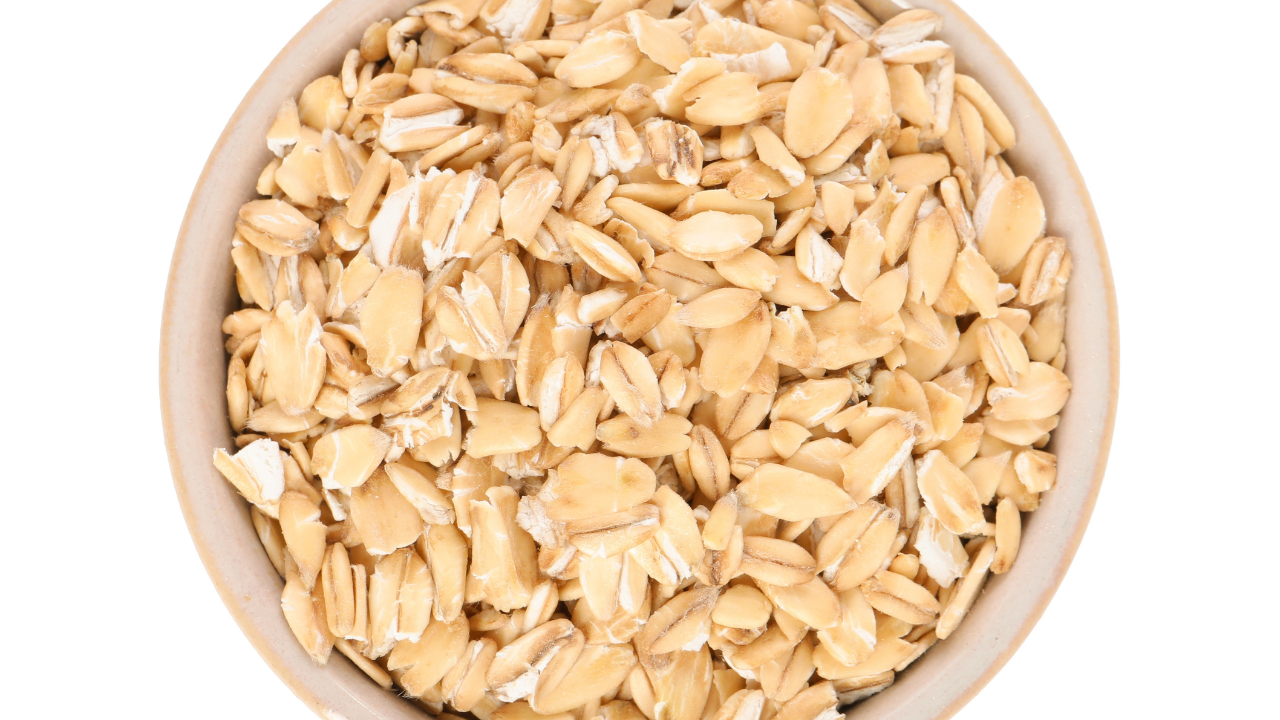
Oats are one of the most affordable whole grains, offering a strong source of fiber and slow-releasing energy. They help keep you full for longer periods and can be customized with both sweet and savory toppings. Their simplicity makes them a reliable daily staple.
Best Time to Use: Breakfast or light meals
Difficulty Level: Beginner, quick cooking process
Chef’s Tip: Soak overnight for a softer texture and better digestion
Must-Know: Oats contain beta-glucan, a fiber linked to heart health
5. Beans
© Shutterstock / Ermak Oksana
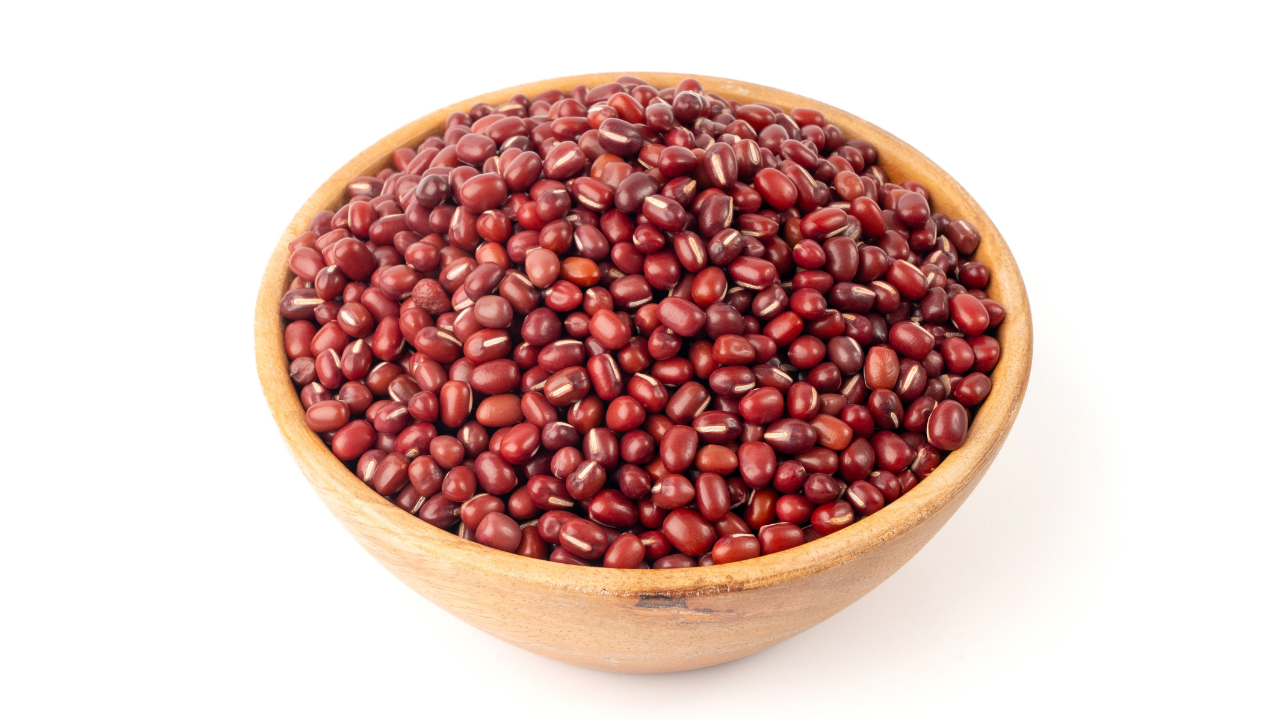
Beans are an inexpensive and nutrient-dense food packed with protein, fiber, and essential minerals. They are widely available in both dried and canned forms, making them accessible for different cooking styles. They are filling, versatile, and ideal for stretching meals.
Best Time to Use: Lunches, dinners, or meal prep
Difficulty Level: Beginner to intermediate, depending on preparation method
Chef’s Tip: Cook dried beans in batches to save time and money
Must-Know: Beans support heart health and help maintain stable energy levels
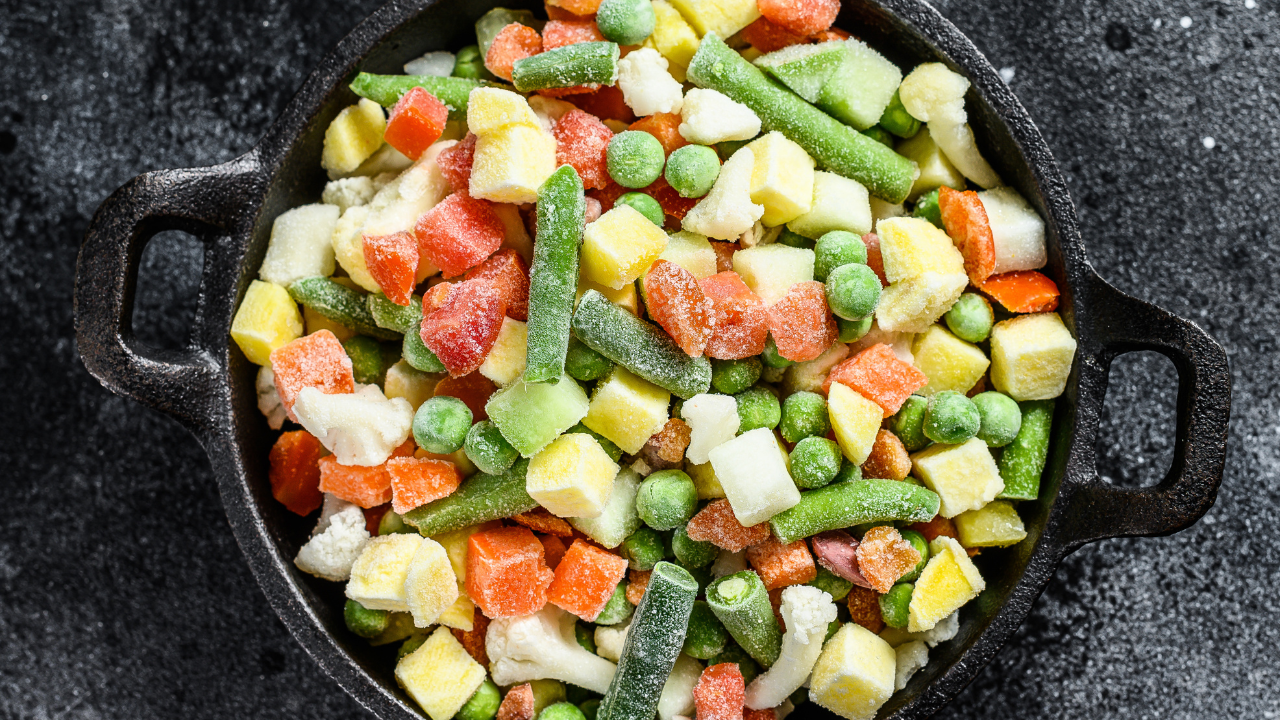
6. Frozen Vegetables
© Shutterstock / Mironov Vladimir
Frozen vegetables offer the same nutritional value as fresh produce while often being more affordable and longer-lasting. They are picked and frozen at peak freshness, preserving vitamins and minerals. This makes them a practical option for reducing food waste.
Best Time to Use: Everyday cooking and side dishes
Difficulty Level: Beginner, easy steaming or sautéing
Chef’s Tip: Avoid overcooking to retain texture and nutrients
Must-Know: Freezing helps lock in nutrients without needing preservatives
7. Yogurt

© Shutterstock / New Africa
Yogurt is a cost-effective source of protein, calcium, and beneficial probiotics. It supports digestion and can be used as both a meal and a snack. Choosing plain varieties helps avoid added sugars while preserving the nutritional benefits.
Best Time to Use: Breakfast, snacks, or light meals
Difficulty Level: Beginner, ready to eat
Chef’s Tip: Add fruits or nuts instead of buying flavored versions
Must-Know: Probiotics in yogurt support gut health
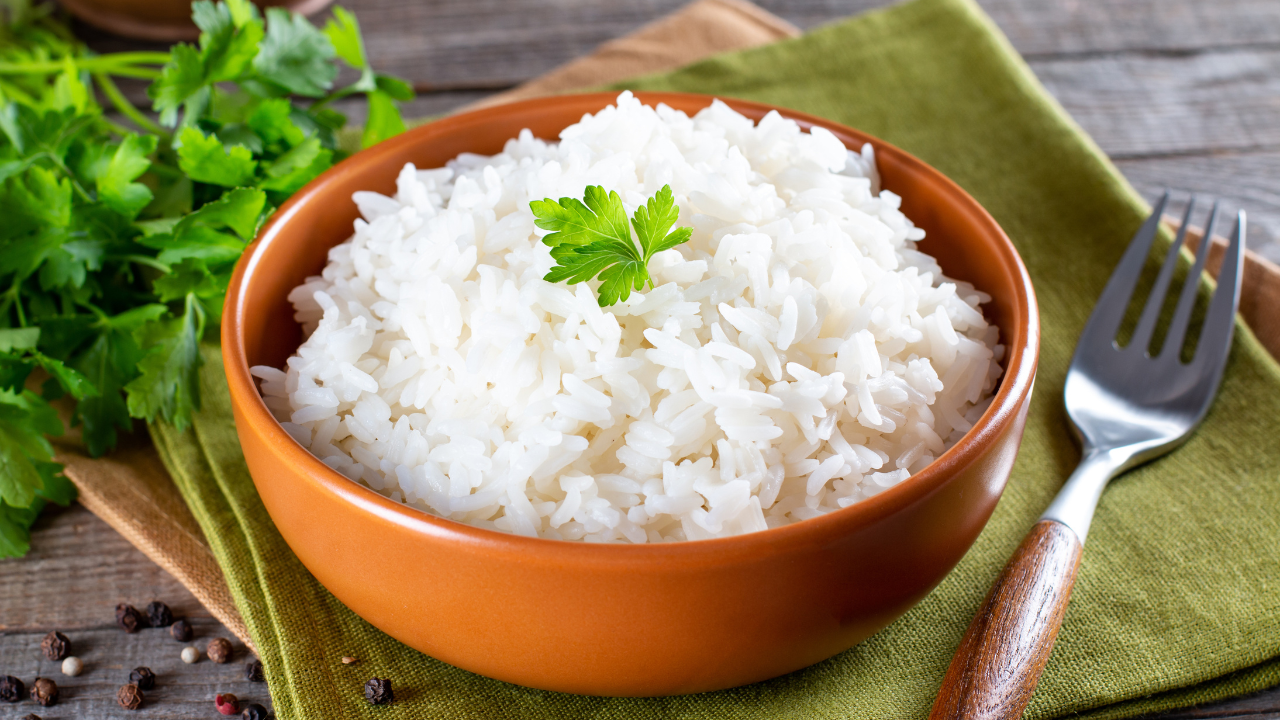
8. Rice
© Shutterstock / Ahanov Michael
Rice is one of the most affordable and widely consumed staple foods in the world. It provides a reliable source of energy and pairs well with a wide variety of ingredients. Its versatility makes it a foundation for countless budget-friendly meals.
Best Time to Use: Lunch and dinner meals
Difficulty Level: Beginner basic boiling required
Chef’s Tip: Rinse before cooking for better texture
Must-Know: Brown rice offers more fiber compared to white rice
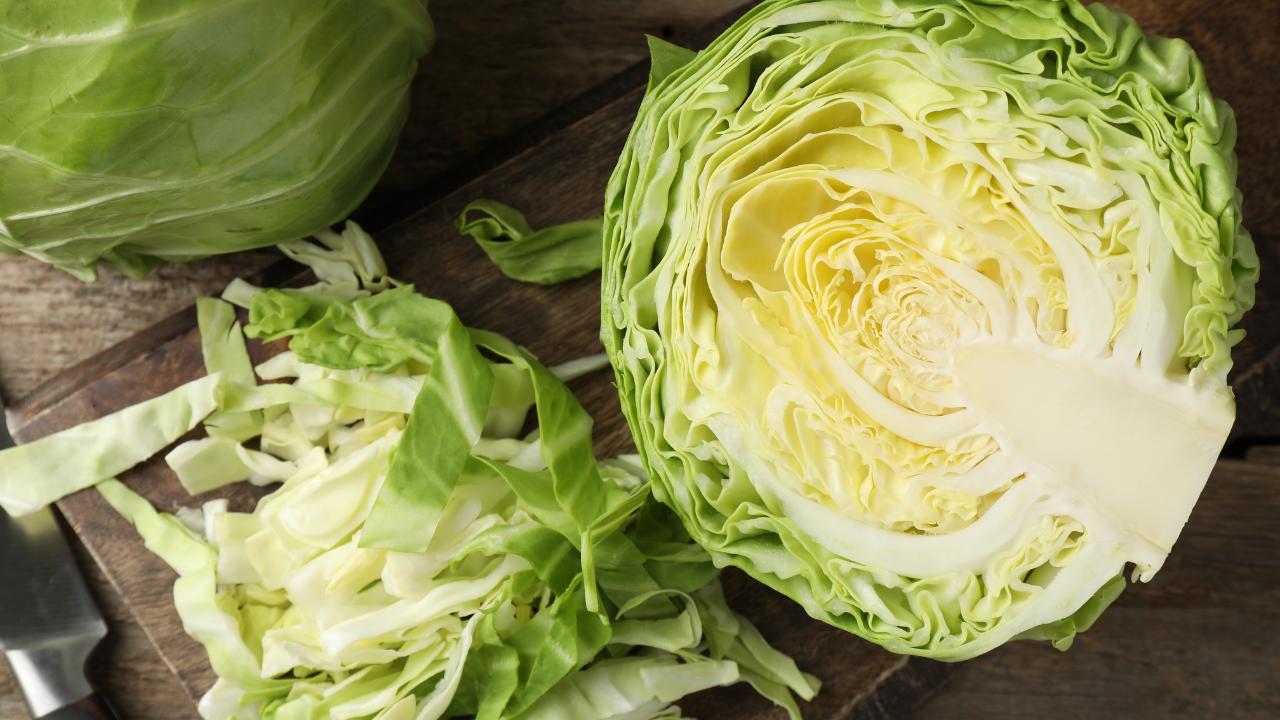
9. Cabbage
© Shutterstock / New Africa
Cabbage is a low-cost vegetable packed with fiber, vitamins, and antioxidants. It has a long shelf life and can be used in multiple ways, from raw salads to cooked dishes. Its mild flavor makes it adaptable to many cuisines.
Best Time to Use: Salads, stir-fries, or side dishes
Difficulty Level: Beginner simple chopping and cooking
Chef’s Tip: Cook lightly to maintain crunch and nutrients
Must-Know: Cabbage supports digestion and overall gut health
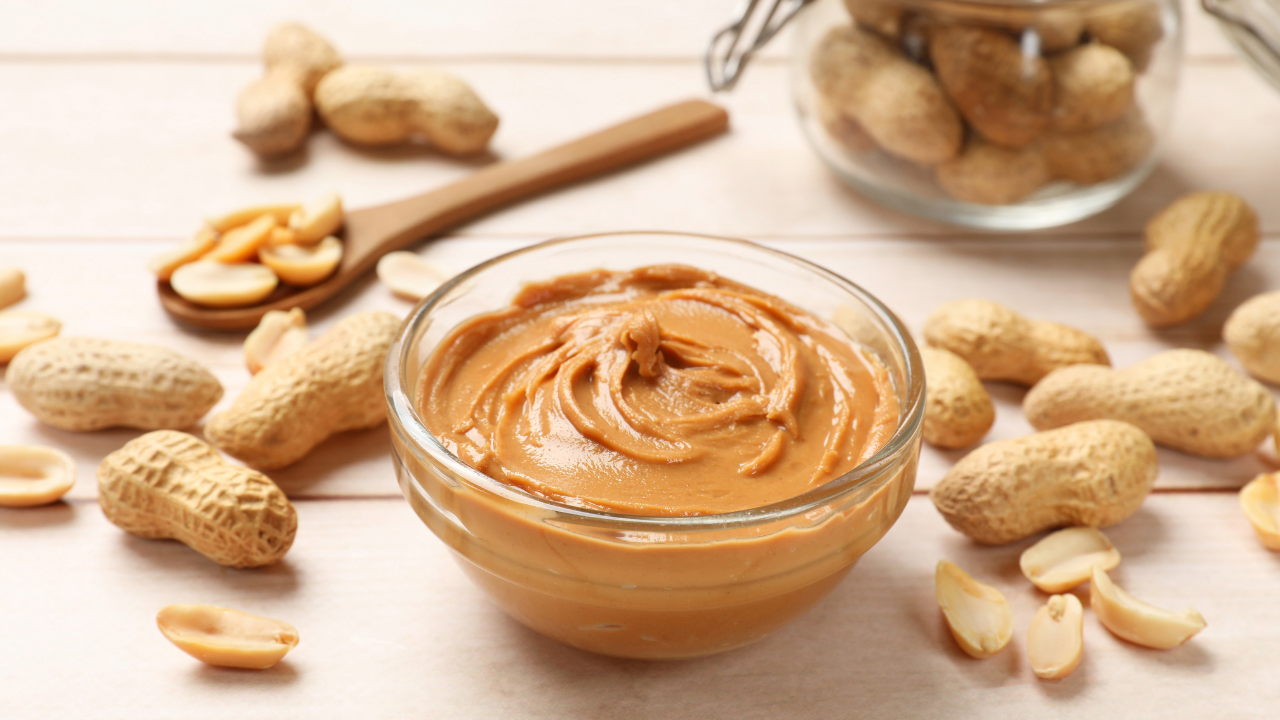
10. Peanut Butter
© Shutterstock / New Africa
Peanut butter is an affordable, calorie-dense food that provides protein, healthy fats, and long-lasting energy. It is especially useful for quick meals and snacks while remaining budget-friendly. Its richness makes it both filling and satisfying.
Best Time to Use: Snacks, breakfast, or quick energy boosts
Difficulty Level: Beginner ready to use
Chef’s Tip: Choose natural versions without added sugar or oils
Must-Know: Healthy fats in peanut butter help maintain energy levels

Comments (0)
No comments yet. Be the first to share your thoughts!