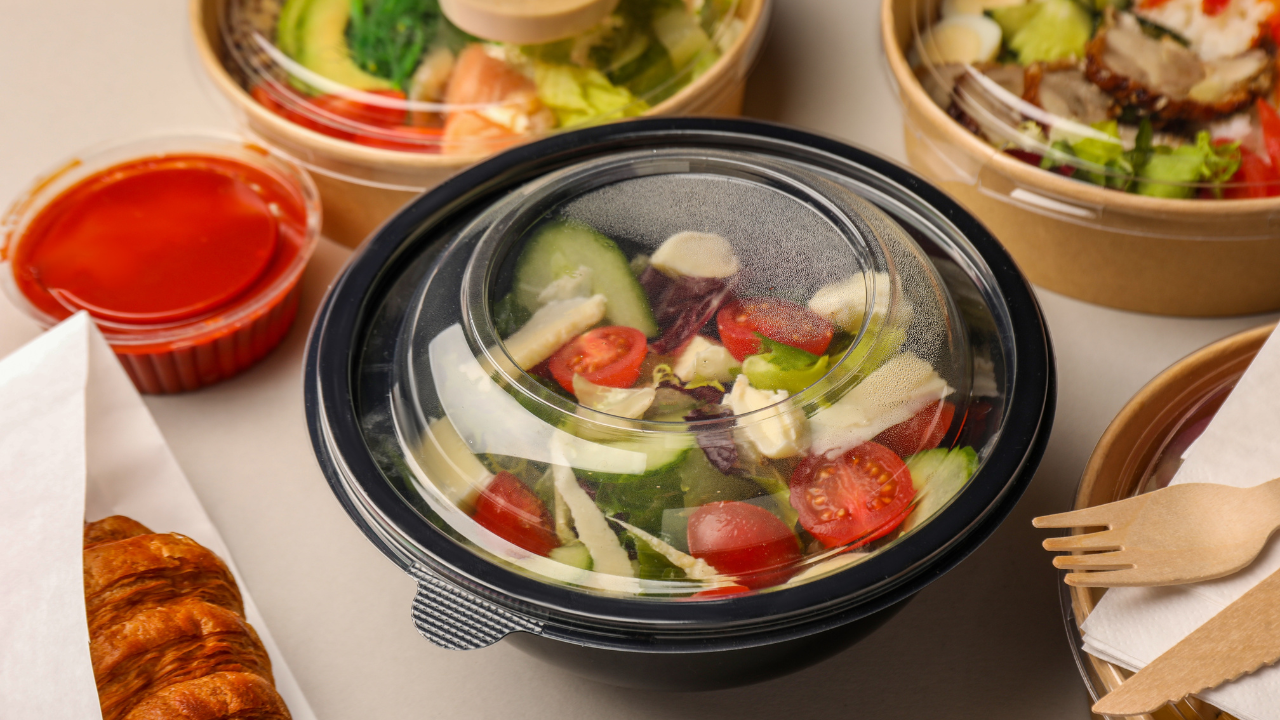
Current Date: 2 May, 2026

10 tips for staying plant-based while traveling

Eating plant-based food while traveling can be manageable with the right preparation. Some destinations offer plenty of vegan-friendly options, while others may require more planning, flexibility, and simple backup meals. A little research before departure, a few reliable snacks, and basic communication tools can make the experience much smoother. These practical tips can help plant-based travelers stay prepared, find better meals, and enjoy local food without unnecessary stress.

1. Research Food Options Before You Travel

1. Research Food Options Before You Travel
© Shutterstock / Summit Art Creations

Looking up restaurants before you leave can make plant-based travel much easier. Searching for vegan-friendly places in your destination gives you a better idea of what to expect before you arrive. Tools like HappyCow, restaurant websites, and online reviews can help identify suitable options. If a menu is unclear, contacting the restaurant ahead of time may reveal vegan dishes or custom options that are not listed online.

2. Pack Reliable Plant-Based Snacks

2. Pack Reliable Plant-Based Snacks
© Shutterstock / New Africa

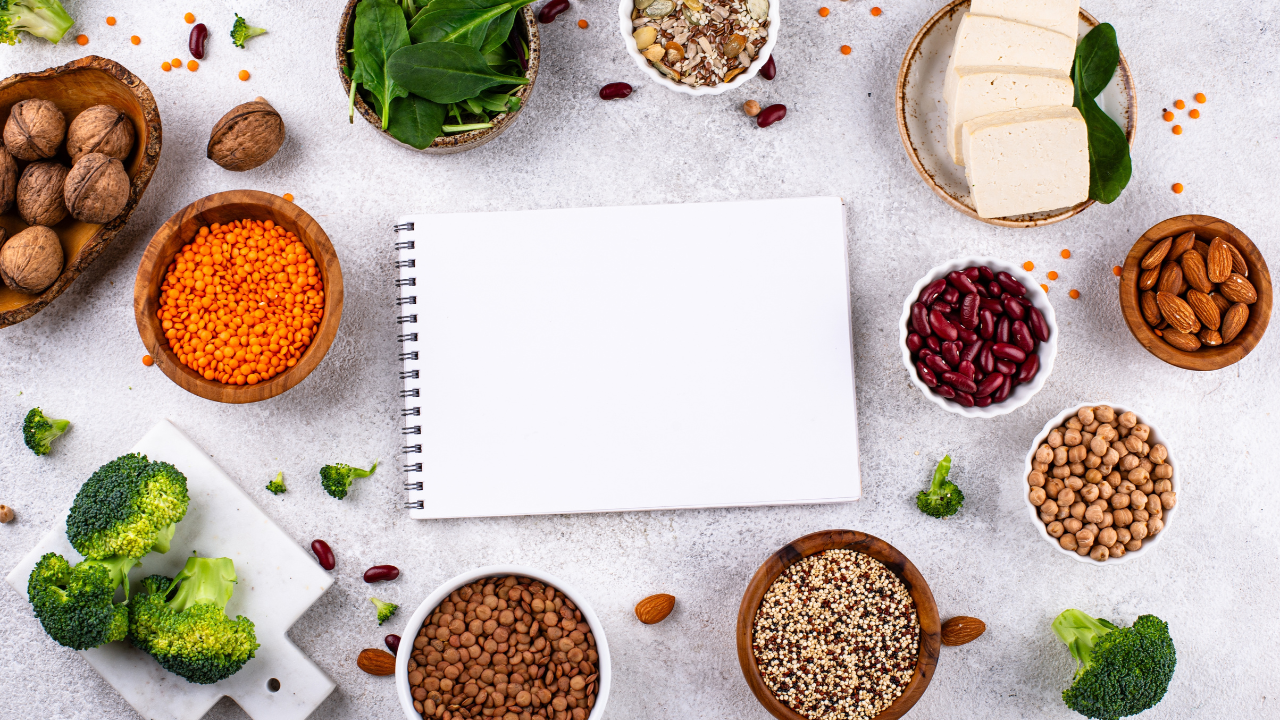
Bringing snacks is especially useful when traveling through airports, bus stations, or areas with limited plant-based food choices. Non-perishable items like trail mix, dried fruit, plant-based protein bars, nuts, and nut butter packets can help prevent rushed food decisions. Fresh fruit that travels well, such as apples or clementines, also works as a simple backup. Having snacks on hand makes long travel days easier to manage.

3. Request the Vegan Airline Meal in Advance
3. Request the Vegan Airline Meal in Advance
© Shutterstock / norikko

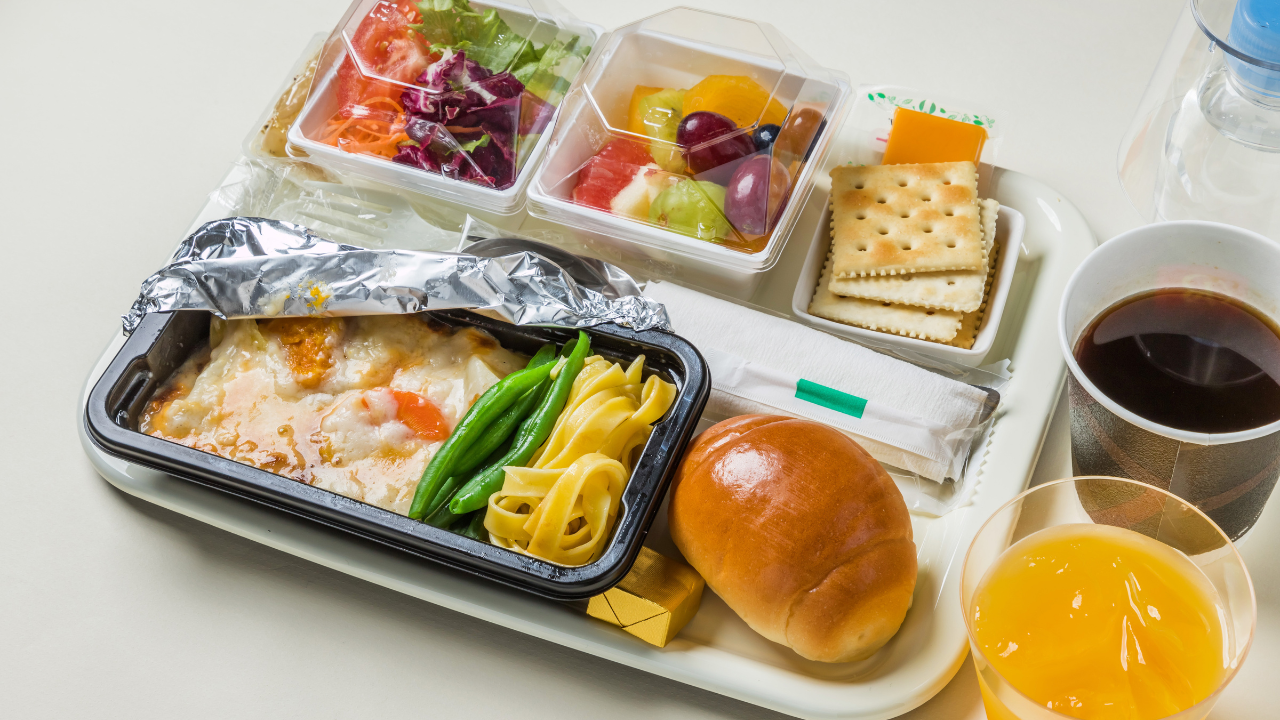
Many airlines offer a vegan meal under the code VGML, especially on international or long-haul flights. This meal typically avoids meat, dairy, eggs, honey, and animal-derived ingredients. It is important to request it at least 24 to 48 hours before departure, since availability may depend on advance catering. Special meals are often served earlier than standard meals, which can make the flight feel more organized.

4. Use Grocery Stores and Local Markets
4. Use Grocery Stores and Local Markets
© Shutterstock / Esin Deniz

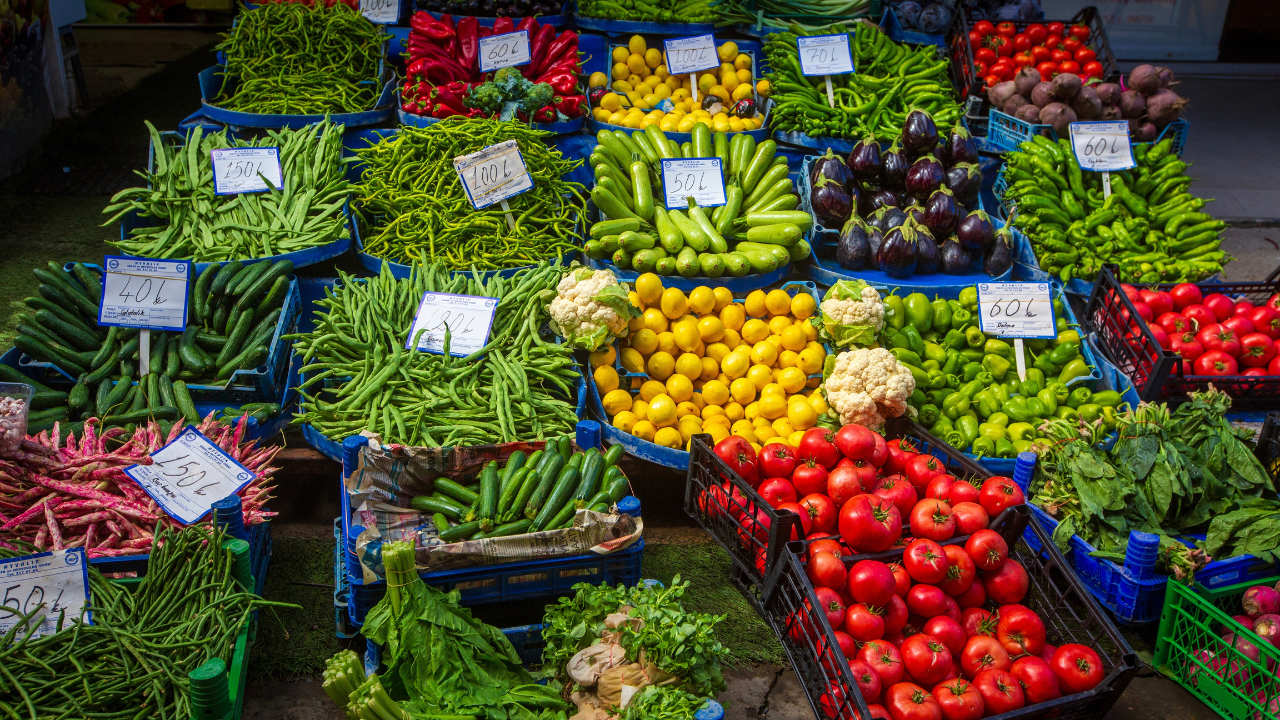
Local grocery stores and markets can be useful when restaurant choices are limited. Stocking up on produce, hummus, whole-grain crackers, nut butter, and prepared salads can help cover simple meals and snacks. If your accommodation has a refrigerator, you can also buy plant-based yogurt, non-dairy milk, or frozen fruit. This approach can save money and reduce the pressure to eat out for every meal.

5. Learn Key Food Phrases in the Local Language
5. Learn Key Food Phrases in the Local Language
© Shutterstock / yanishevska

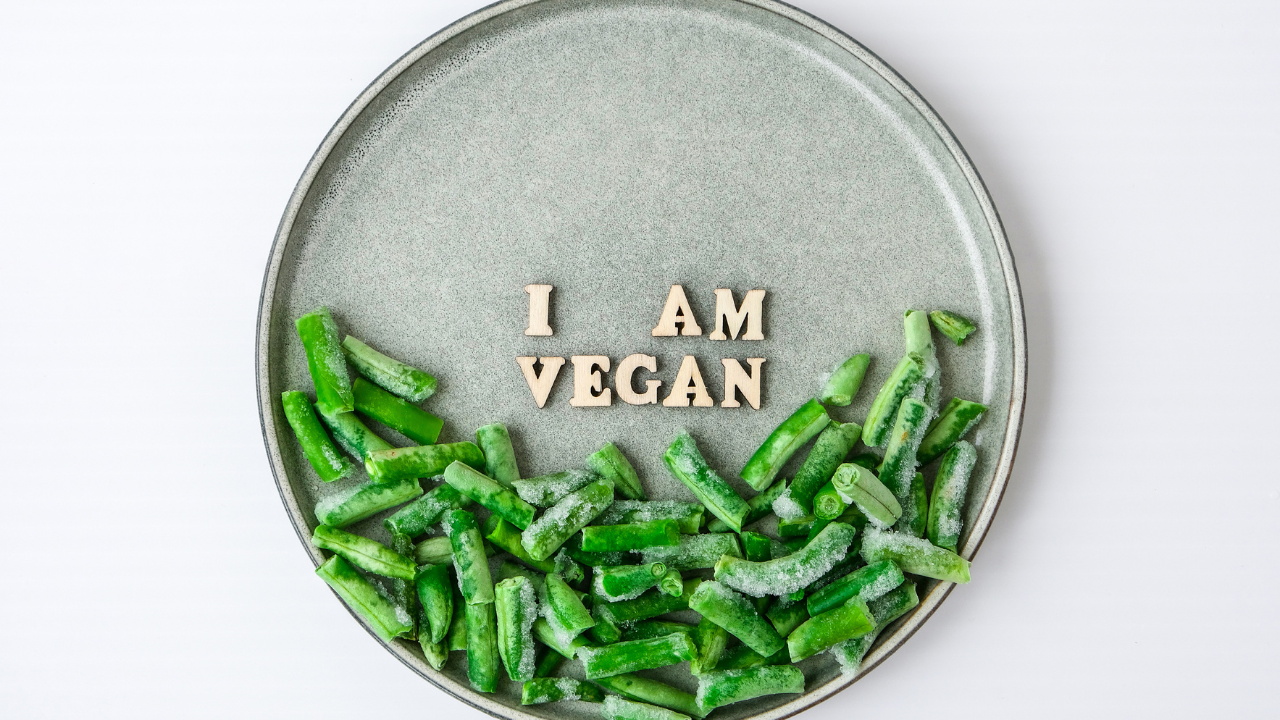
Knowing a few basic phrases can make ordering much easier in places where English is not widely spoken. Learning how to say that you are vegan, along with words for common animal products, helps avoid confusion. Writing these phrases down or saving them on your phone can be useful in restaurants and markets. In unfamiliar destinations, asking a local to help translate a clear phrase can also prevent mistakes.

6. Choose Destinations With Plant-Friendly Options

6. Choose Destinations With Plant-Friendly Options
© Shutterstock / Michalakis Ppalis

Some destinations are easier for plant-based travelers than others. Cities with strong vegan restaurant scenes, health-focused cafes, or vegetarian food traditions can make planning simpler. Places such as London, Phuket, Chiang Mai, and parts of Germany have become more accessible for vegan dining. Choosing destinations with food access in mind is especially helpful when meals are an important part of the trip.

7. Order Creatively at Non-Vegan Restaurants
7. Order Creatively at Non-Vegan Restaurants
© Shutterstock / Anna_Pustynnikova

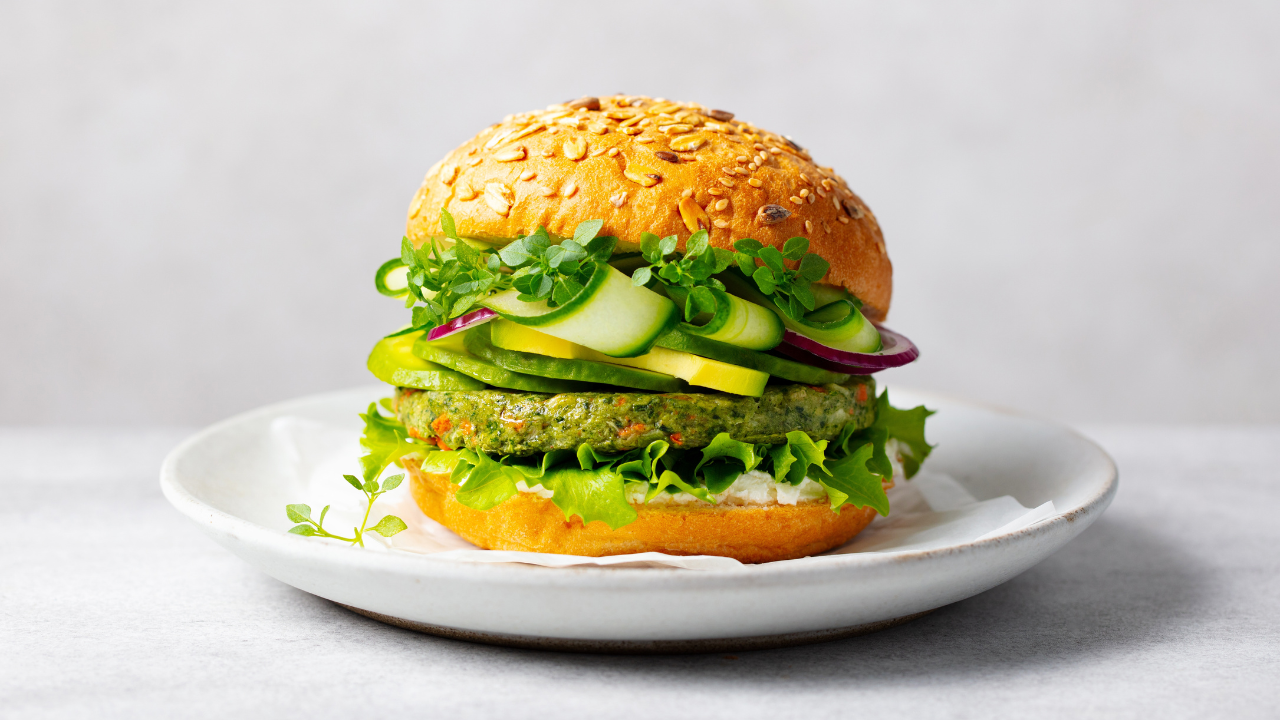
Traveling with others may mean eating at restaurants that are not fully vegan. Checking menus online before arriving can help you plan possible adjustments. Many dishes can be made plant-based by removing cheese, eggs, dairy sauces, or meat and adding beans, vegetables, grains, or legumes. Asking politely specific questions usually makes it easier for the server or kitchen to help.

8. Use Apps and Social Media to Find Meals

8. Use Apps and Social Media to Find Meals
© Shutterstock / Valentyn Volkov

Apps like HappyCow can help locate vegan restaurants, vegetarian spots, and restaurants with plant-based options. General dining apps and online menus can also be useful for checking ingredients before visiting. Social media searches with location-based vegan hashtags may reveal smaller cafes or local recommendations that do not appear in travel guides. These tools are especially helpful in unfamiliar cities.

9. Explore Local Cuisine With a Plant-Based Approach
9. Explore Local Cuisine With a Plant-Based Approach
© Shutterstock / Ender BAYINDIR

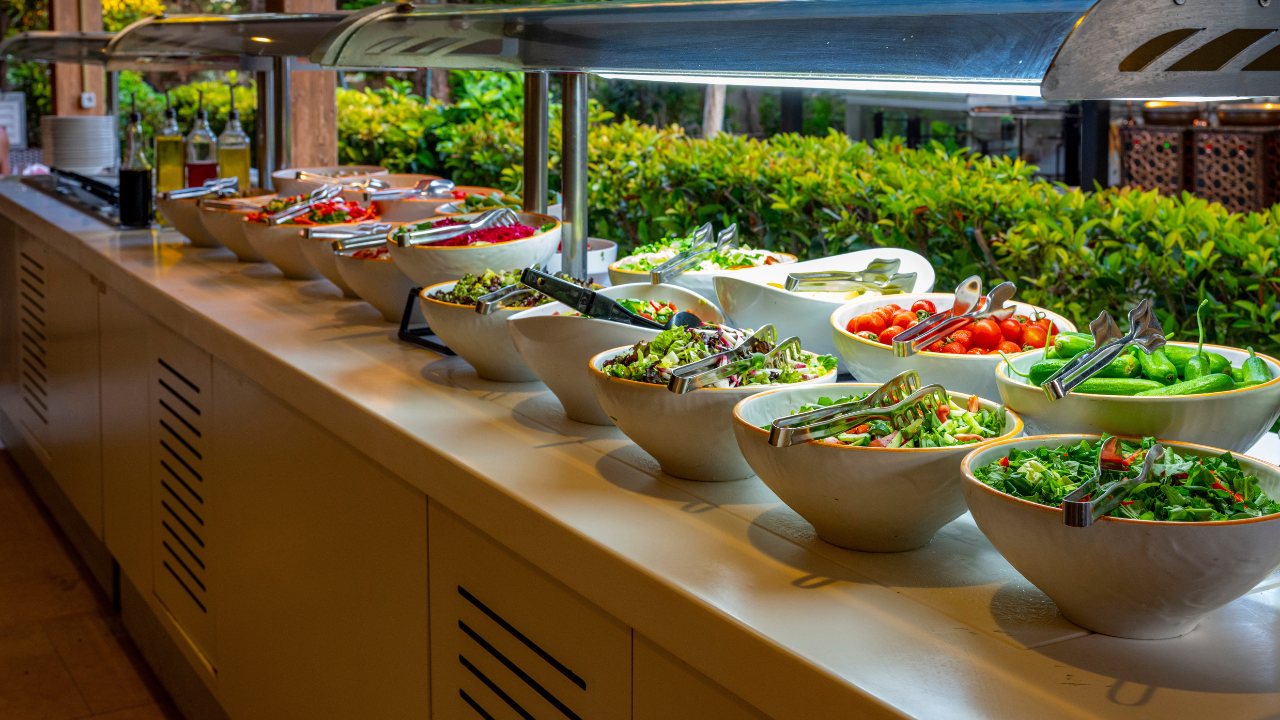
Many traditional cuisines already include dishes built around vegetables, grains, beans, lentils, herbs, and spices. Indian meals, Middle Eastern mezze, Thai curries, Ethiopian injera platters, and Mediterranean grain dishes often include plant-based options or easy modifications. Researching local food before arrival can help you identify dishes that naturally fit your diet. This approach can make plant-based travel feel more connected to the destination, not more limited.

10. Book Accommodation With Kitchen Access

10. Book Accommodation With Kitchen Access
© Shutterstock / Photology1971

A room with a kitchenette, mini-fridge, or basic cooking space can make plant-based travel more flexible. Preparing simple breakfasts, snacks, or light dinners reduces dependence on restaurants for every meal. Vacation rentals or hotel rooms with refrigerators are especially useful for storing produce, plant milk, yogurt alternatives, or leftovers. If a room does not include a fridge, it may still be worth asking whether one is available.

Comments (0)

No comments yet. Be the first to share your thoughts!

Leave a Reply