Food preferences can be polarizing, and some items inspire strong reactions across the United States. According to a recent survey by the Consumer & Retail Society at YouGov, certain foods consistently rank among the most disliked. From bold cheeses to seafood and organ meats, these items may be intimidating to some, but with the right preparation, they can be enjoyable. Here’s a closer look at ten foods Americans tend to avoid and tips to make them more appealing in your own kitchen.
1. Caviar
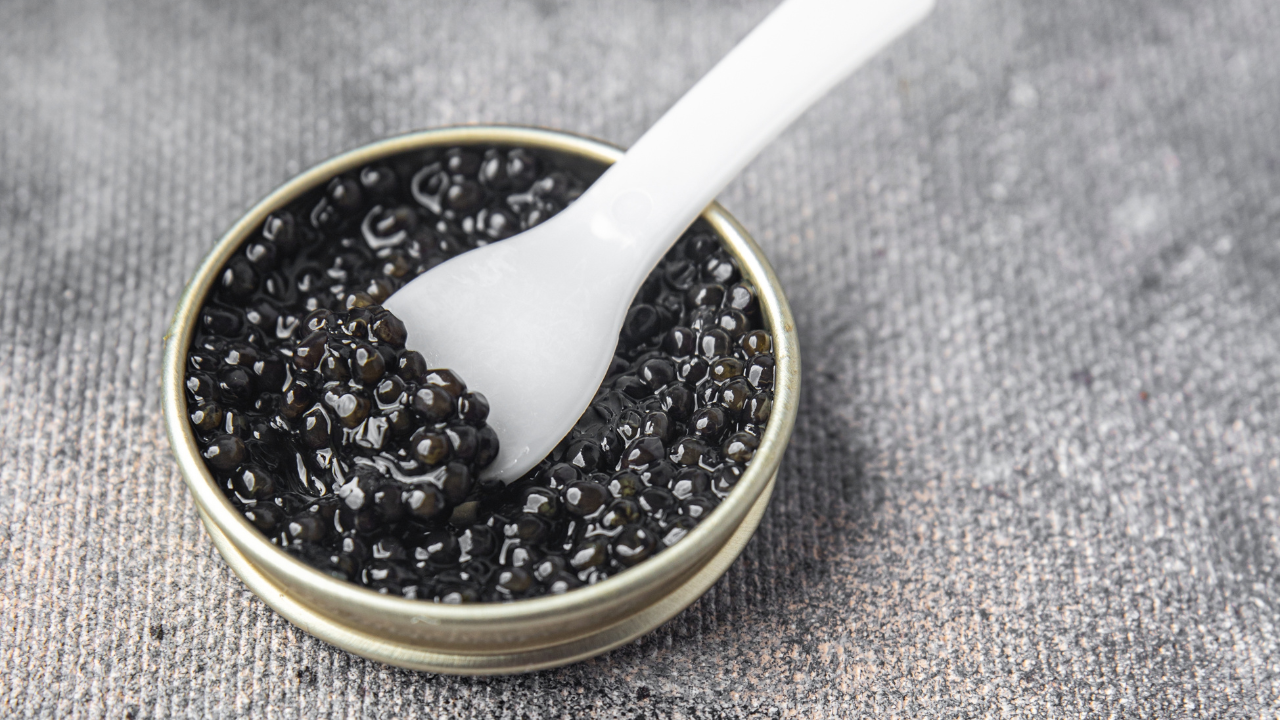
Caviar, the eggs of fish, is prized in culinary circles but can be off-putting for first-timers due to its briny taste and delicate texture. It’s an expensive delicacy, often enjoyed in small portions on crackers or as a garnish. Those new to it may prefer to combine it with milder dishes or creamy spreads to balance the saltiness. With careful pairing, caviar can provide a luxurious culinary experience.
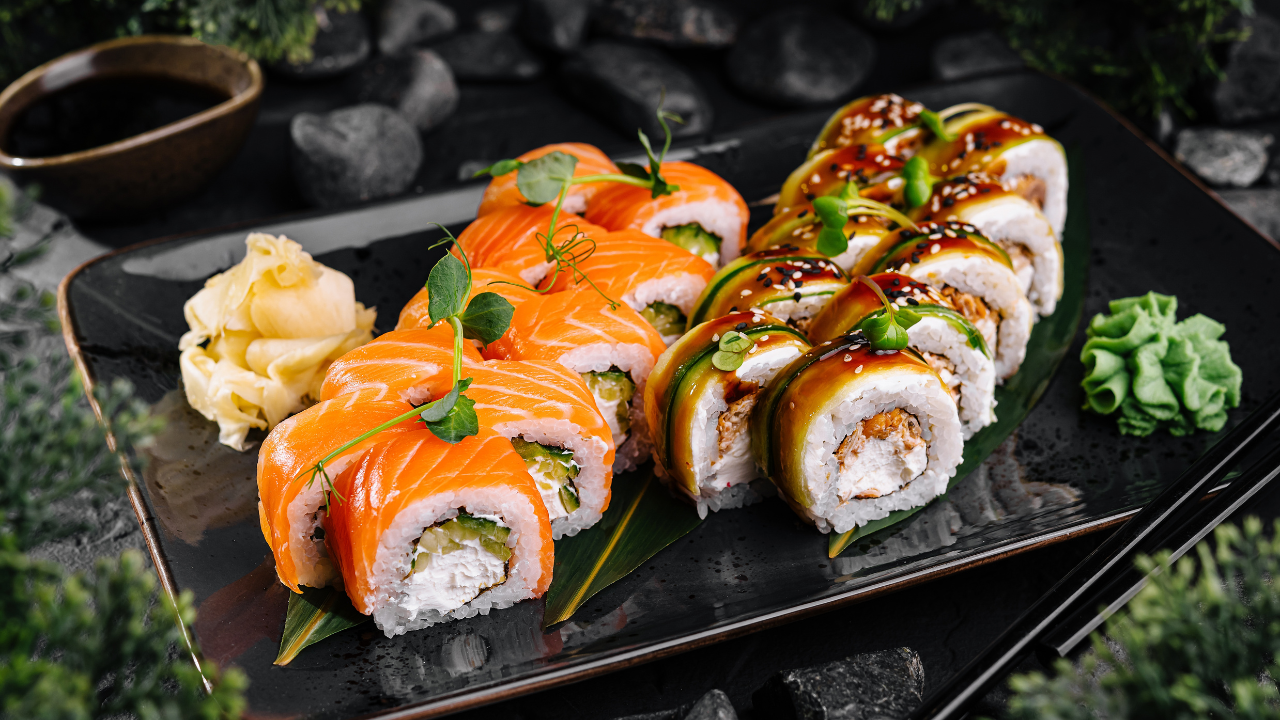
2. Sushi
Raw fish and seaweed can be polarizing textures for many. While traditional sushi may be intimidating, there are ways to enjoy the flavors safely at home. Grilled tuna or beef-based sushi alternatives, often called “beefshi,” provide a milder taste. California rolls or cucumber-based sushi salads are another approachable option for those new to this cuisine. Proper preparation and fresh ingredients make sushi a versatile and enjoyable dish.
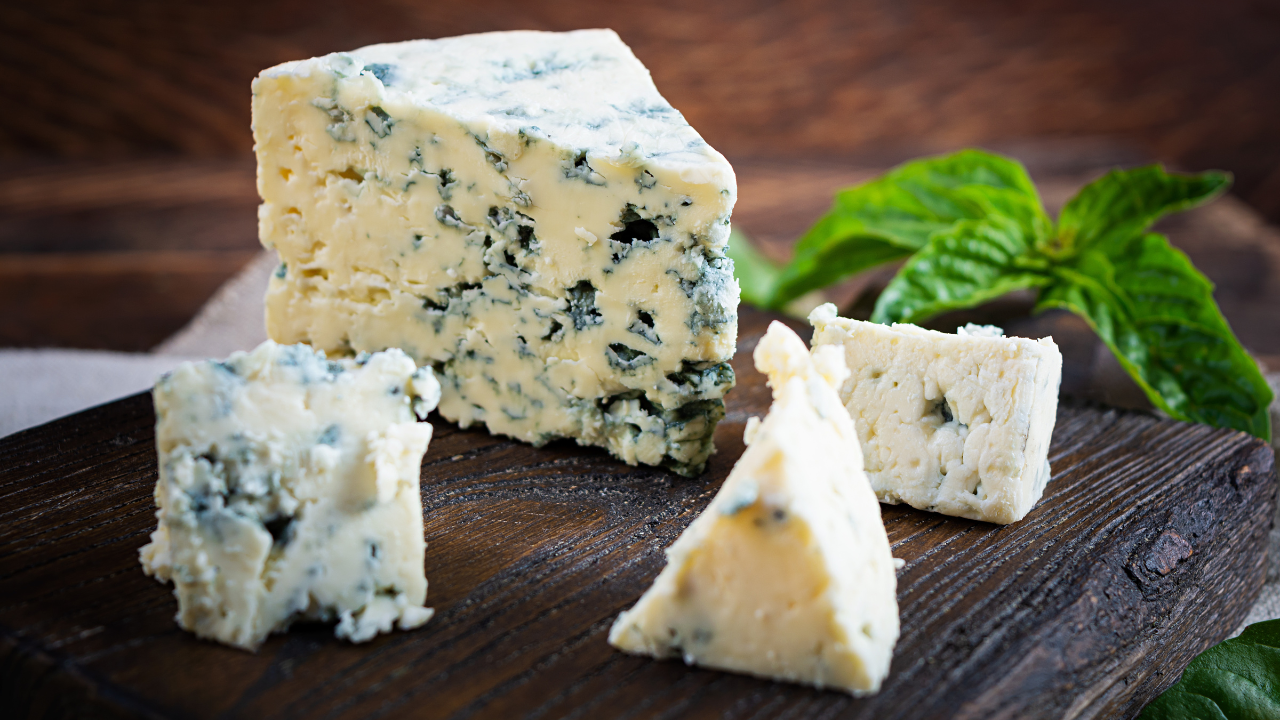
3. Blue cheese
Blue cheese is often shunned because of its strong aroma and distinct mold veining. Despite its reputation, it offers a creamy, salty flavor that pairs exceptionally well with salads, steaks, and burgers. To ease the intensity, you can make a dressing or dip with additional mayonnaise or sour cream, which tones down the funk while maintaining the rich taste. Blue cheese is a sophisticated ingredient that can enhance dishes when used thoughtfully.
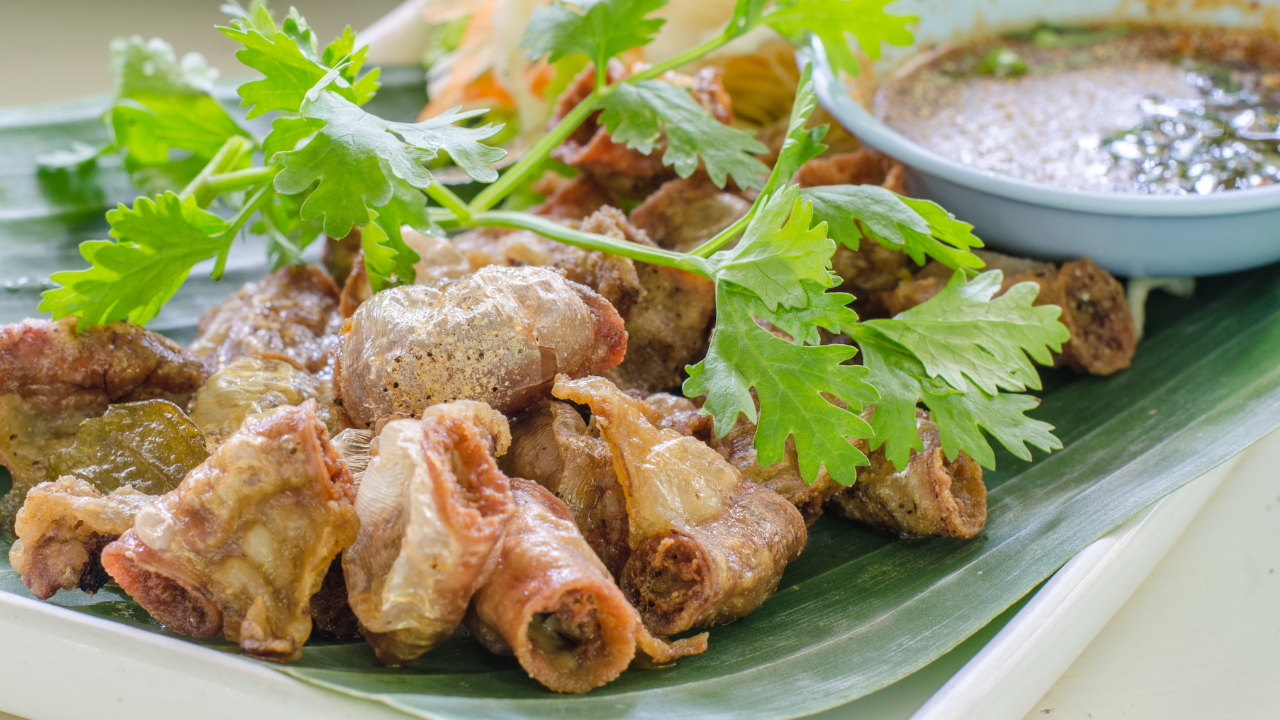
4. Chitterlings
A traditional Southern dish made from pig intestines, chitterlings are not for everyone. Their strong aroma can be off-putting, though they are considered a delicacy in certain communities. Many cooks opt to use intestines in smoked sausages instead, providing a more approachable way to enjoy the flavor. Proper cleaning, preparation, and seasoning can make chitterlings more palatable for those willing to try them.
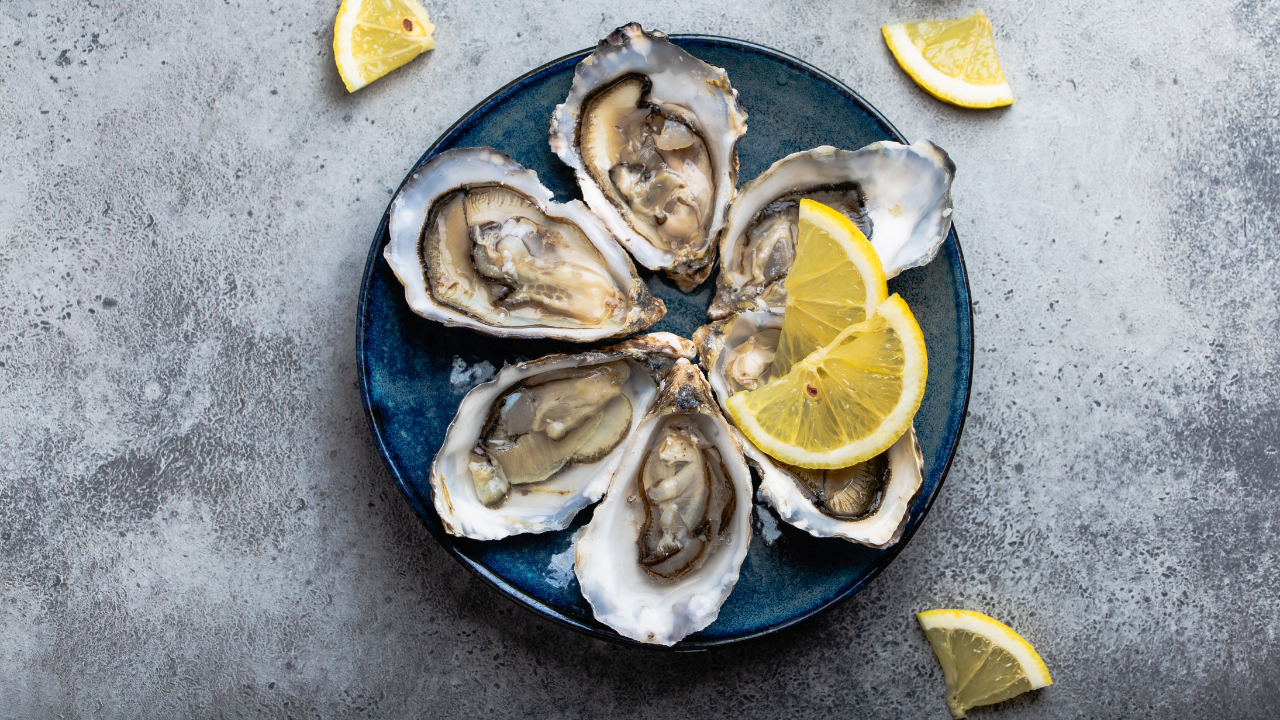
5. Oysters
Raw oysters are slippery, salty, and often described as an acquired taste. For those hesitant, cooking oysters can make a significant difference. Grilled or fried oysters with seasonings or crispy toppings like chile butter breadcrumbs enhance flavor and texture. Once prepared properly, oysters can be a delicious seafood addition, offering a taste of the ocean in a more approachable way.
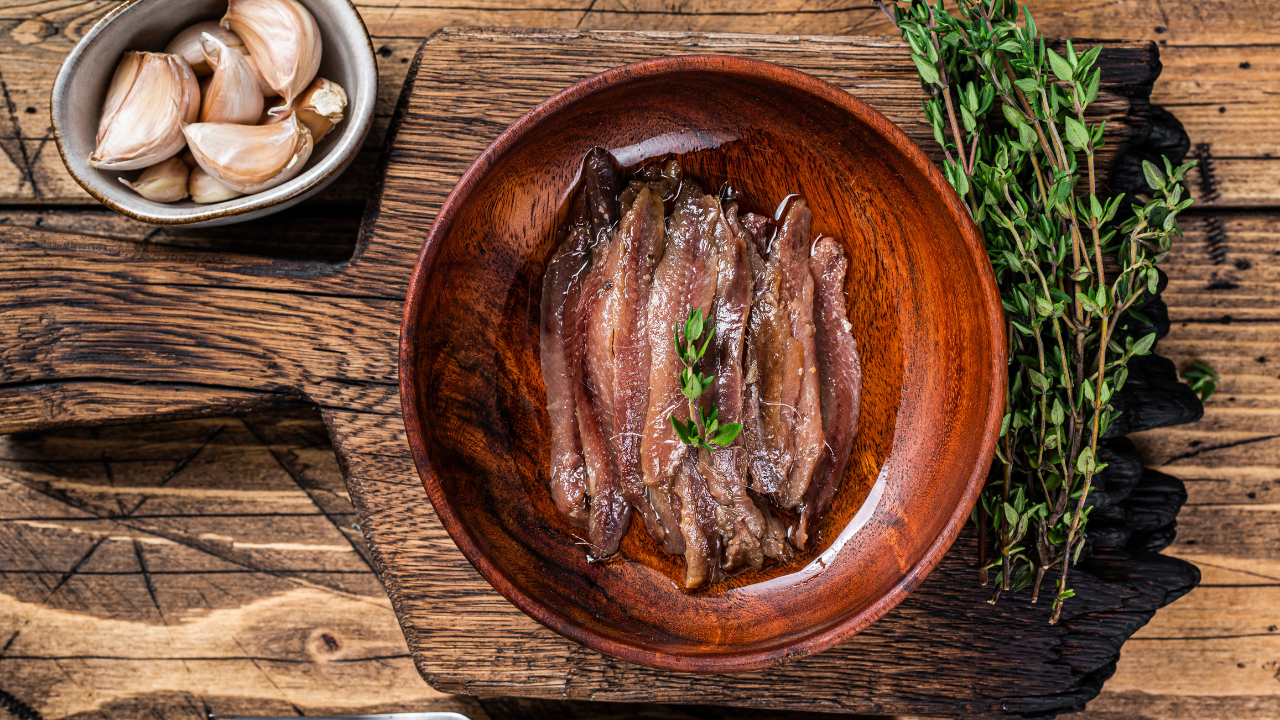
6. Anchovies
Anchovies are packed with umami and naturally salty. While many avoid eating them directly, anchovy paste is commonly used in sauces, dressings, and marinades, providing depth of flavor without the fishiness. Incorporating anchovies in small quantities allows you to enjoy their culinary benefits without overwhelming the dish. They are a hidden ingredient that can elevate classic recipes such as Caesar salad.
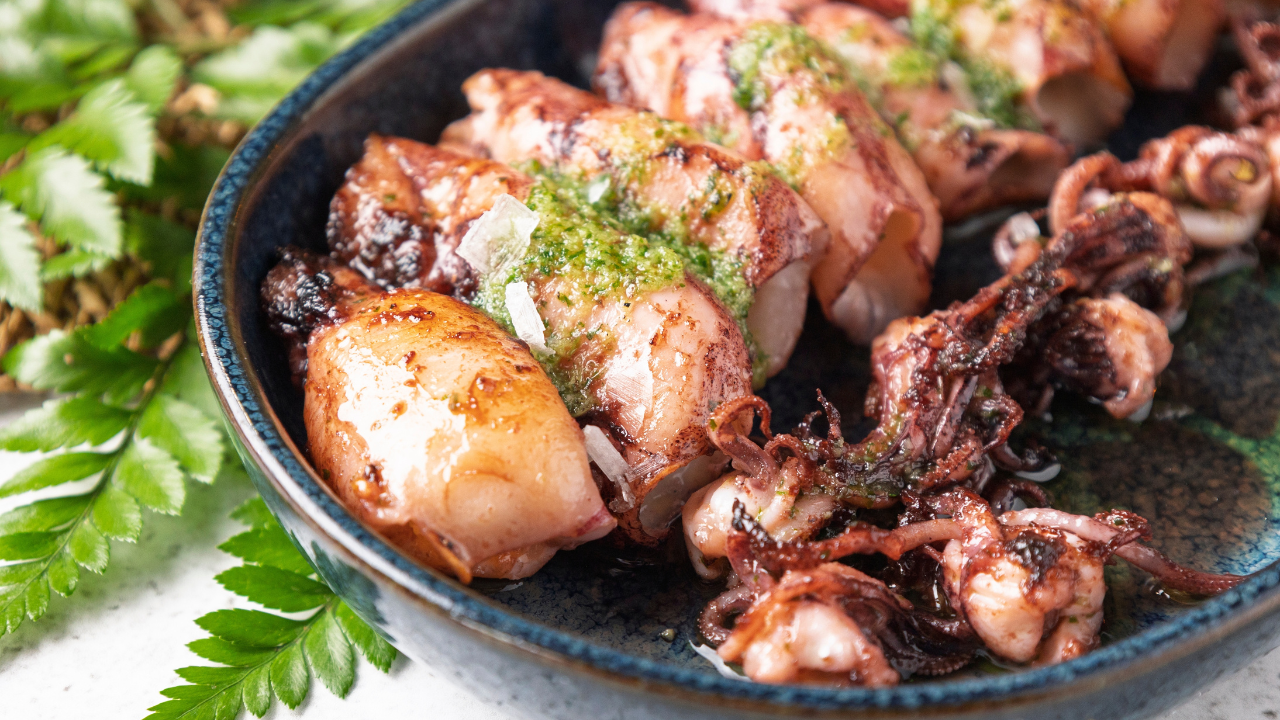
7. Squid
Squid, commonly served as fried calamari, is mild and slightly sweet when cooked properly. While some may be hesitant due to its chewy texture, grilling or quickly searing squid rings or steaks with a drizzle of olive oil, salt, and lemon juice produces a tender and flavorful dish. Proper cooking transforms squid into a versatile seafood option suitable for a variety of recipes.
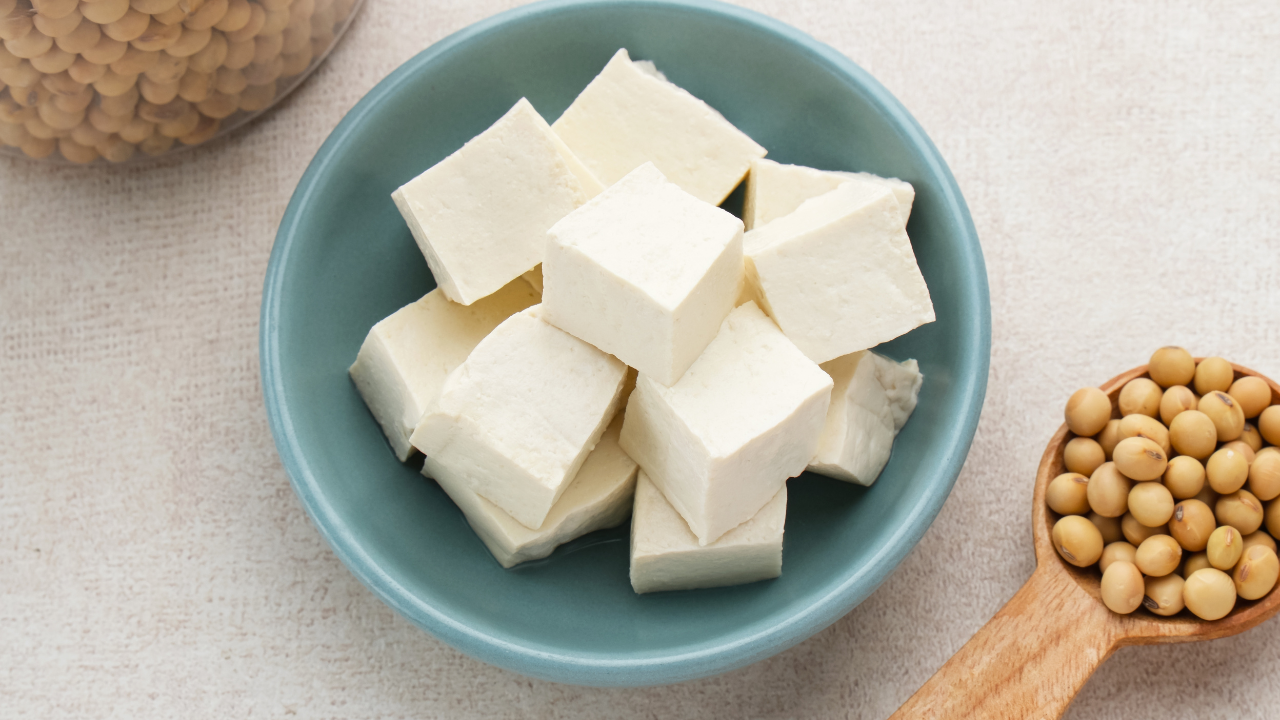
8. Tofu
Tofu is a plant-based protein that absorbs the flavors it is cooked with. It has a soft interior and can become crisp when grilled or pan-seared. Extra-firm tofu, properly pressed to remove excess moisture, holds up well during cooking. Seasoning and preparation are key to transforming tofu into a satisfying component for stir-fries, salads, and other dishes, showcasing its adaptability and nutritional value.
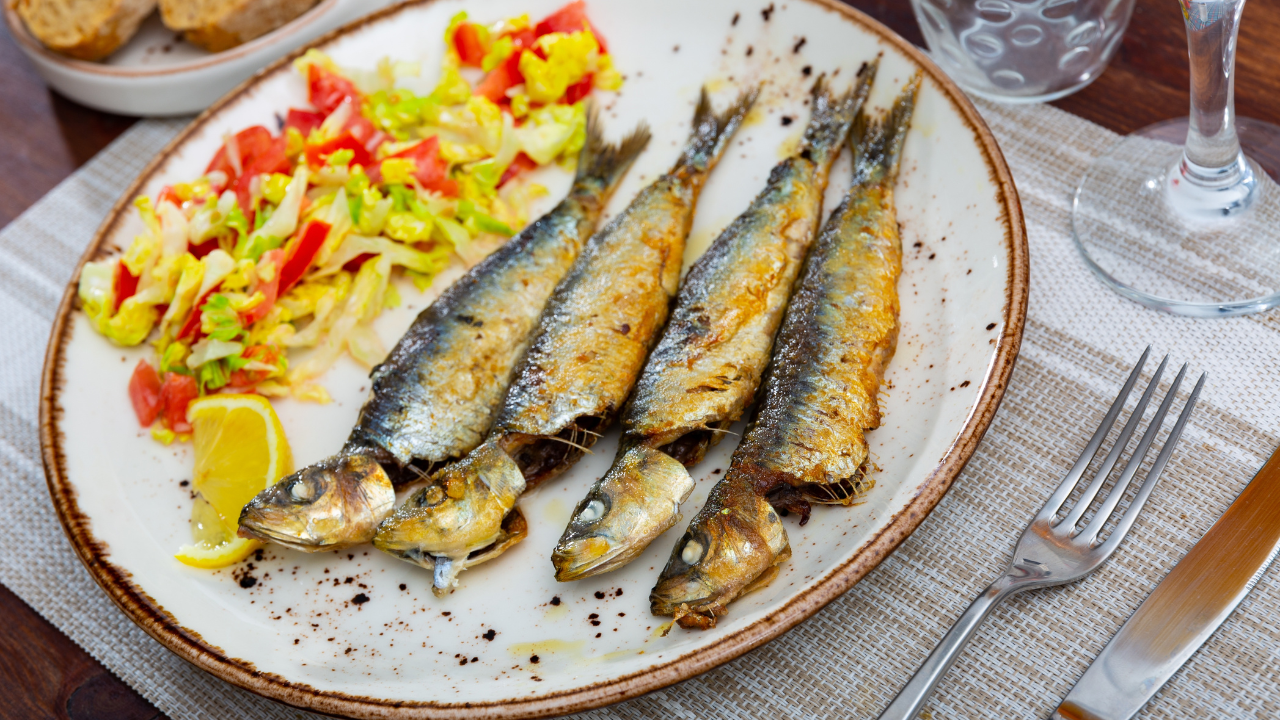
9. Sardines
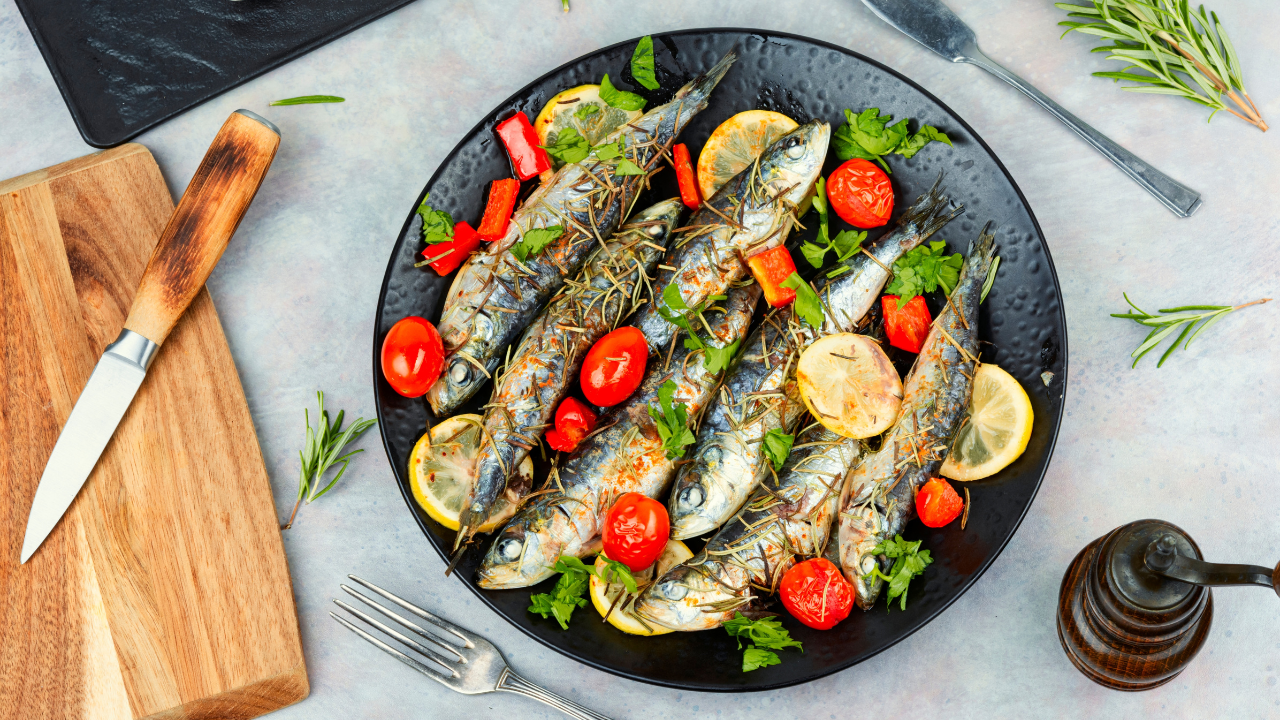
Sardines are high in omega-3 fatty acids, but can be intimidating because they are served whole. Removing heads and tails before cooking or pairing them with olive oil and herbs makes them more approachable. Sardines are sustainable, nutrient-rich, and versatile, offering an easy way to incorporate seafood into meals. Grilling or lightly pan-searing them enhances flavor and texture.
10. Liver
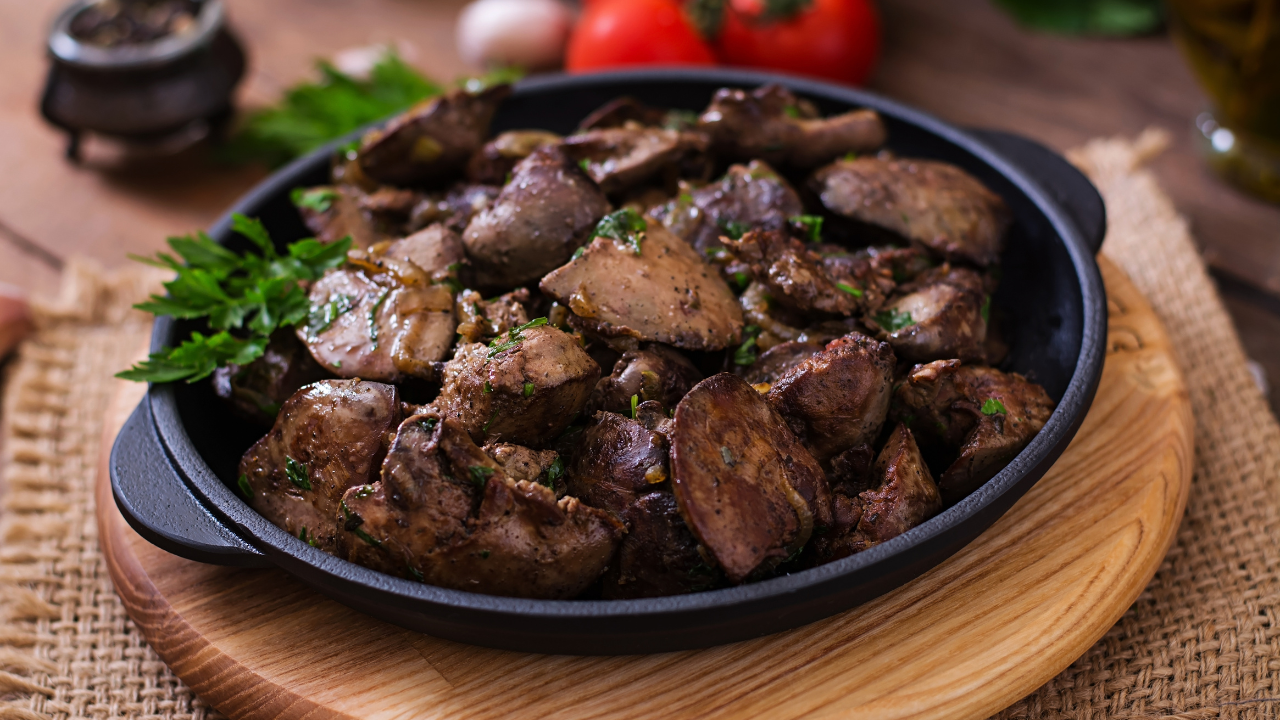
Liver has a strong, metallic flavor that can be challenging for some. Traditional preparation involves soaking it in buttermilk and flash-frying with onions to reduce the intensity. Marinating and seasoning with bold spices can also help balance the flavor. When prepared correctly, liver offers a rich source of nutrients, including iron and vitamin A, and can be enjoyed as part of a balanced diet.
Comments (0)
No comments yet. Be the first to share your thoughts!