Some dishes become famous because they feel comforting, memorable, and easy to love across cultures. They may start in one country, but their flavors travel through restaurants, home kitchens, street stalls, and family tables around the world. From noodle soups and dumplings to grilled meats, rice dishes, and baked pasta, these foods have earned lasting attention for good reason. Each dish brings its own mix of texture, tradition, and everyday satisfaction. These are the kinds of meals people recognize, crave, and return to again and again.
1. Ramen
© Shutterstock / junpinzon
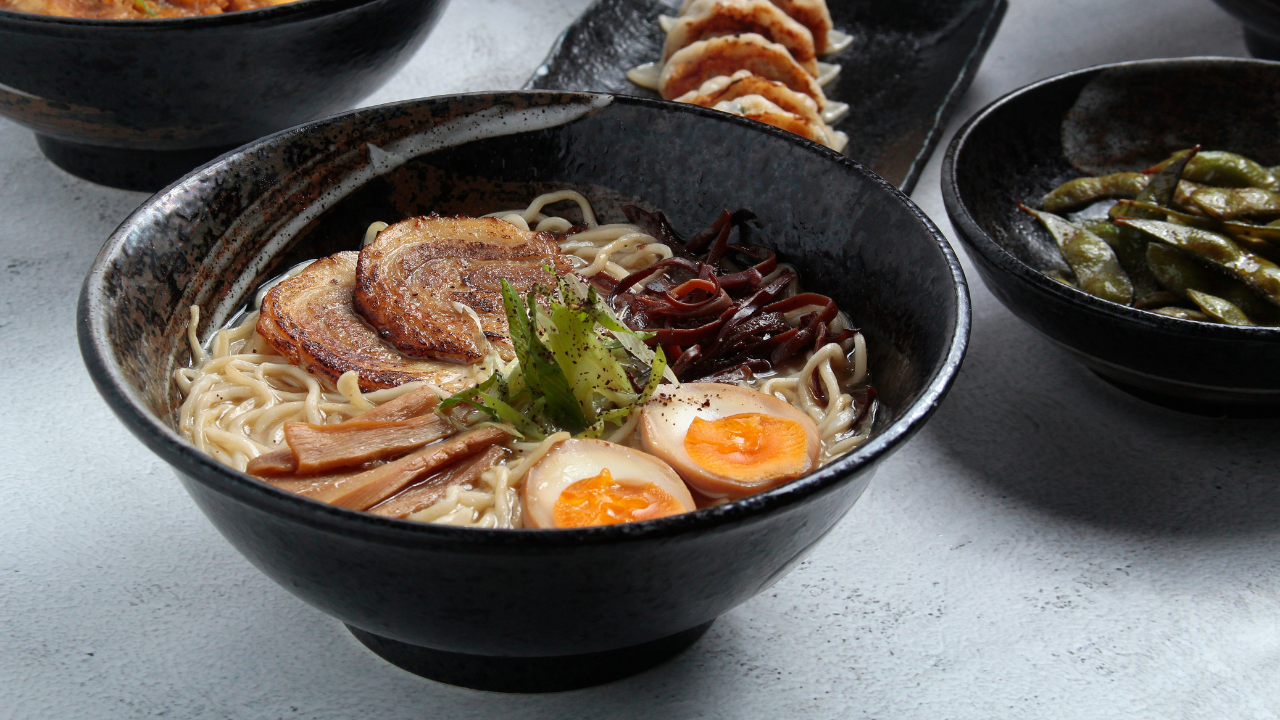
Ramen is a warm Japanese noodle soup with deep roots in Chinese-style noodles and broth. A good bowl brings together springy noodles, savory broth, and toppings such as eggs, sliced meat, seaweed, or scallions. Some versions are rich and heavy, while others feel lighter and cleaner. The comfort comes from the way every part works together in one steaming bowl. It is filling, flexible, and easy to understand, even when the recipe behind it is carefully built.
Best time to make: Cold evenings or relaxed weekend meals
Difficulty level: Intermediate, requires careful broth and topping preparation
Chef’s tip: Keep noodles slightly firm so they do not soften too much in the broth
Must-know: The broth style changes the entire character of the dish
2. Pizza
© Shutterstock / Wirestock Creators
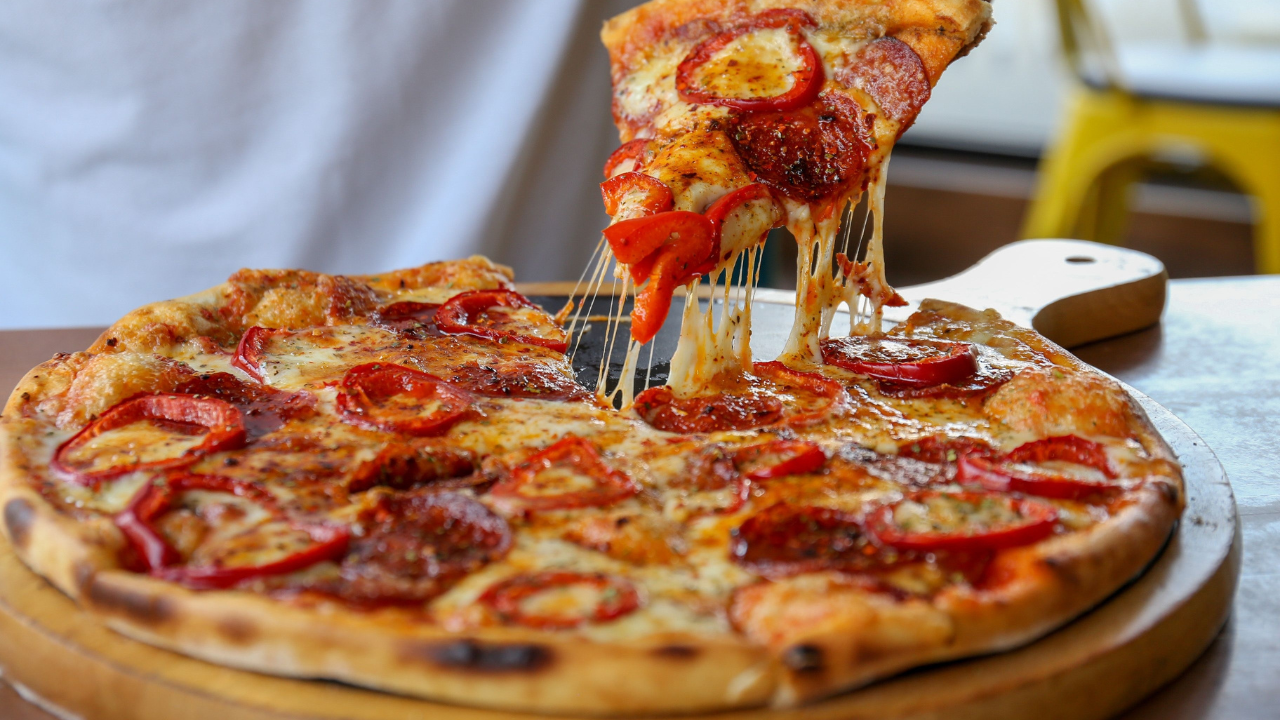
Pizza is one of the world’s most familiar comfort foods, with roots closely tied to Naples. Its appeal comes from a simple base of dough, tomato, cheese, and heat, but the variations are nearly endless. A plain cheese pizza can feel just as satisfying as one loaded with toppings. The crust, sauce, and cheese all matter because they create the balance people expect in every slice. It works for casual dinners, parties, late nights, and almost any shared meal.
Best time to make: Casual dinners, gatherings, or weekend meals
Difficulty level: Beginner to intermediate, depending on the homemade dough
Chef’s tip: Use high heat for a better crust and melted cheese
Must-know: A good crust is just as important as the toppings
3. Paella
© Shutterstock / norikko
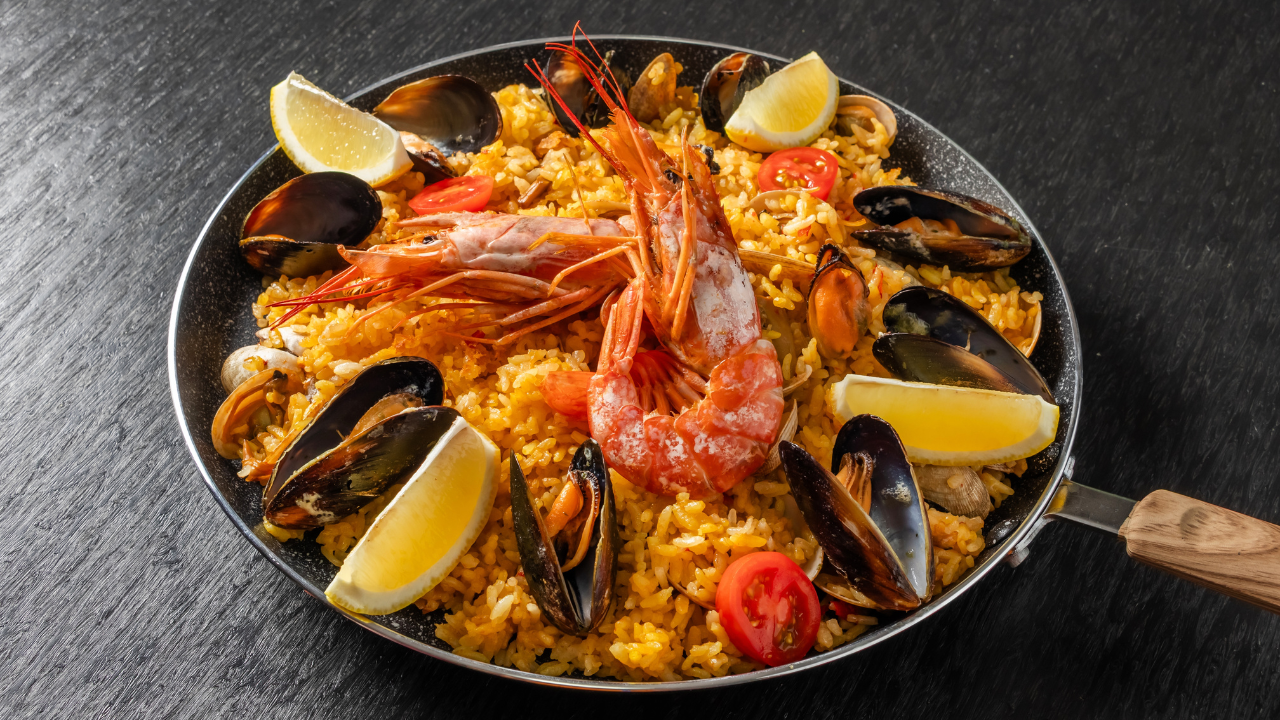
Paella is a Spanish rice dish from Valencia that feels made for sharing. It is known for saffron-flavored rice, vegetables, seafood, meat, or a mix of ingredients cooked together in a wide pan. The rice is the heart of the dish, especially when it develops a crisp layer at the bottom. Paella looks colorful, smells rich, and often turns a meal into an occasion. It is festive without being fussy, which is part of why it remains so loved.
Best time to make: Family gatherings or outdoor meals
Difficulty level: Intermediate, requires timing and heat control
Chef’s tip: Avoid stirring too much once the rice starts cooking
Must-know: The crisp bottom layer is one of the best parts
4. Sushi
© Shutterstock / AntAlexStudio
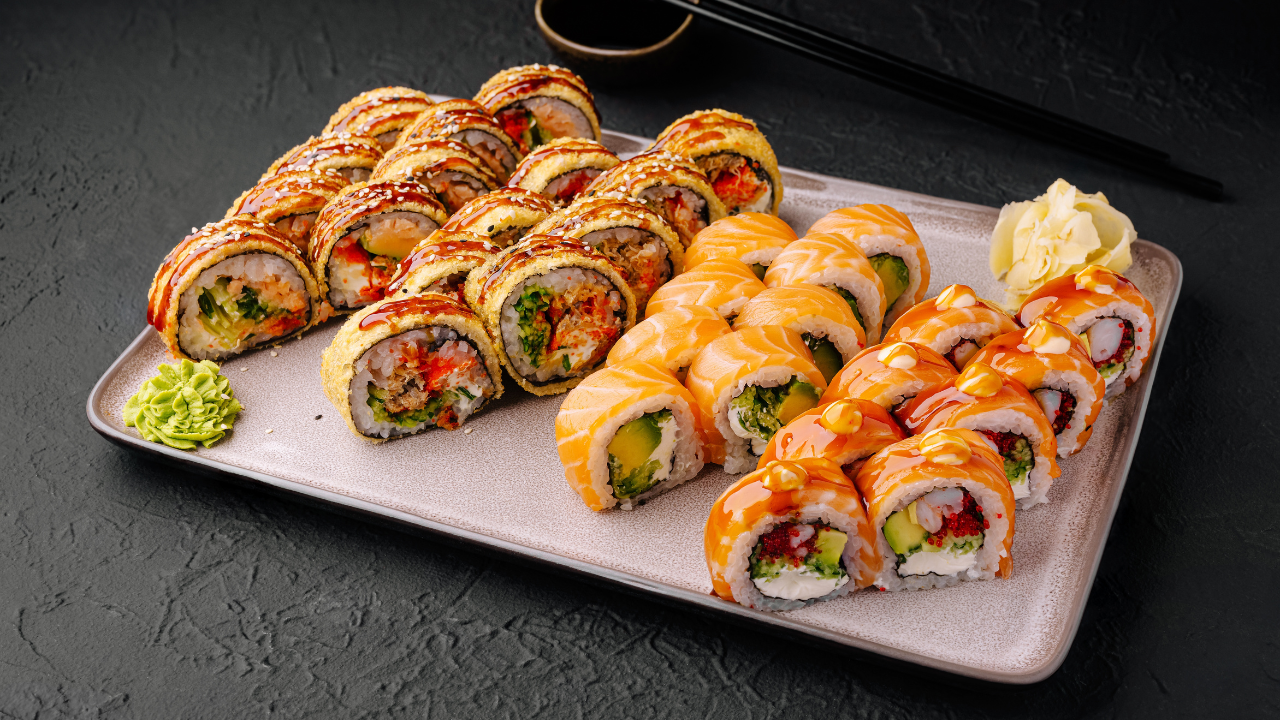
Sushi is often made with raw fish, but the real foundation is vinegared rice. That rice can be paired with seafood, vegetables, egg, or other toppings depending on the style. The dish is clean, balanced, and usually focused on freshness rather than heavy seasoning. Each piece should feel precise, with the rice and topping working together instead of competing. It is simple in appearance, but the skill behind good sushi is what makes it stand out.
Best time to make: Light meals, special dinners, or fresh seafood nights
Difficulty level: Advanced, requires rice control and careful handling
Chef’s tip: Season the rice gently and let it cool before shaping
Must-know: Sushi is defined by the rice, not just the fish
5. Tacos
© Shutterstock / Wirestock Creators
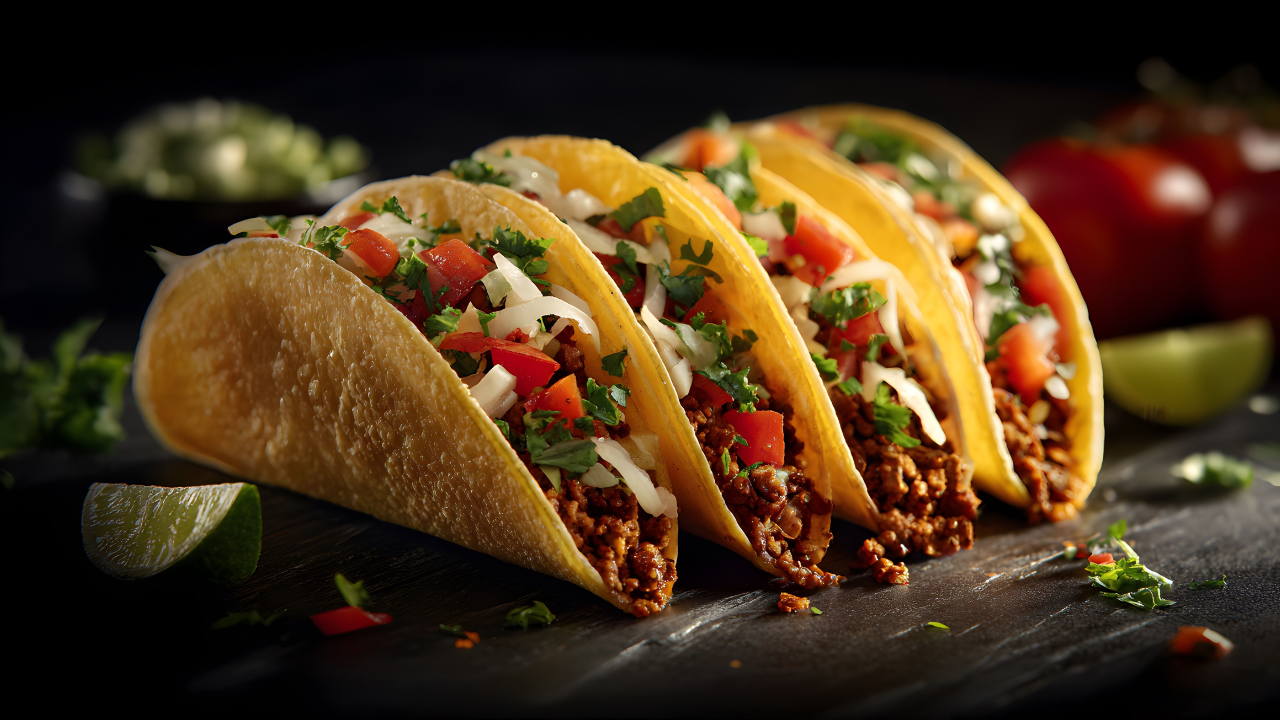
Tacos are small, flexible, and full of flavor. A warm tortilla can hold grilled meat, fish, beans, vegetables, salsa, herbs, or almost anything that fits the mood. Their roots are deeply tied to Mexican food traditions, where practical meals became everyday favorites. The best tacos usually balance heat, freshness, acidity, and texture in just a few bites. They are casual, quick, and satisfying without needing to feel complicated.
Best time to make: Weeknight dinners, parties, or casual lunches
Difficulty level: Beginner, simple assembly with fresh ingredients
Chef’s tip: Warm the tortillas before serving for better texture
Must-know: Salsa and lime can completely brighten the filling
6. Ragù alla bolognese
© Shutterstock / from my point of view
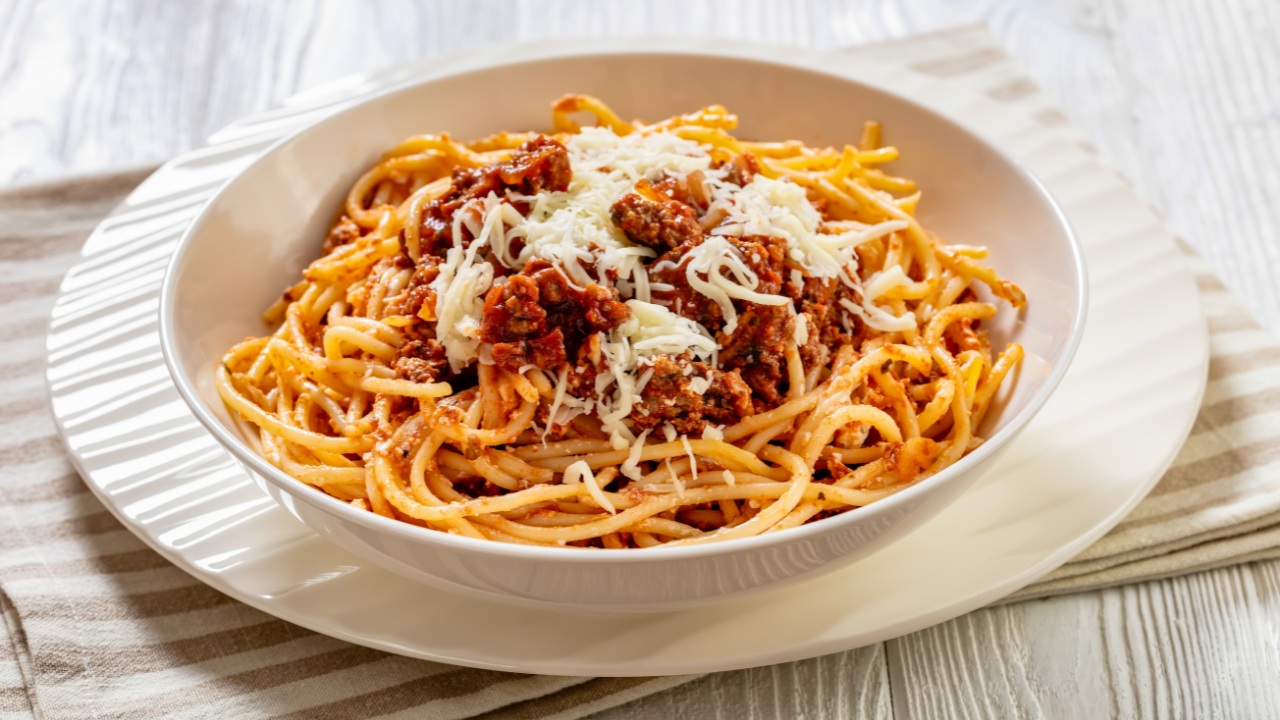
Ragù alla bolognese is a slow-cooked Italian meat sauce from Bologna. It is usually made with beef, pork, tomatoes, and aromatics that cook into a rich, comforting sauce. In Bologna, it is often served with tagliatelle rather than spaghetti because the wide pasta holds the sauce well. The flavor is deep but not flashy. It is the kind of dish that makes a meal feel warm, generous, and grounded.
Best time to make: Slow weekend dinners or family meals
Difficulty level: Intermediate, requires simmering and patience
Chef’s tip: Let the sauce cook slowly so the flavors can settle
Must-know: Tagliatelle is the classic pasta pairing in Bologna
7. Gyoza
© Shutterstock / DronG
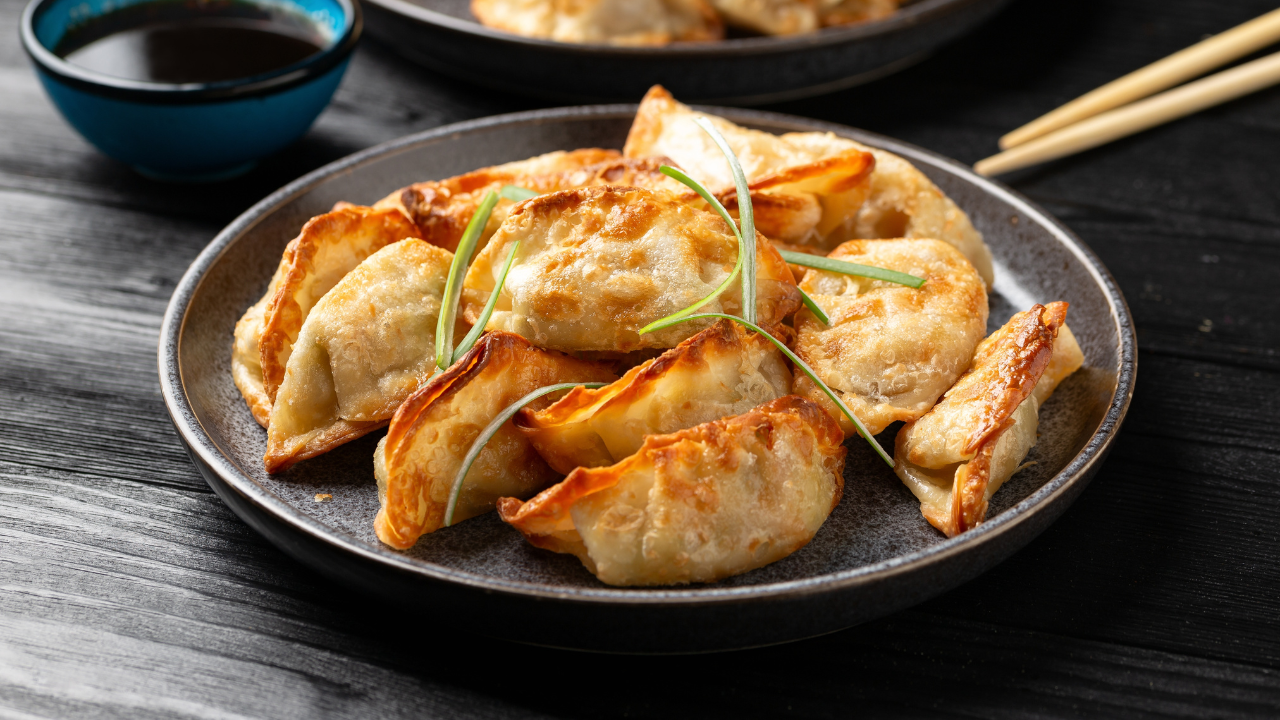
Gyoza are Japanese dumplings inspired by Chinese jiaozi. They are usually filled with meat, vegetables, garlic, and seasonings, then cooked until the bottom turns crisp and the wrapper stays tender. That mix of crunch and softness is a big part of the appeal. Gyoza can work as a starter, snack, or main dish when served with rice or soup. They feel small and simple, but each bite carries plenty of savory flavor.
Best time to make: Appetizers, snack plates, or casual dinners
Difficulty level: Intermediate, requires folding and pan-frying
Chef’s tip: Pan-fry first, then steam briefly for the best texture
Must-know: The crisp bottom is what gives gyoza its signature bite
8. Ceviche
© Shutterstock / Elena Eryomenko
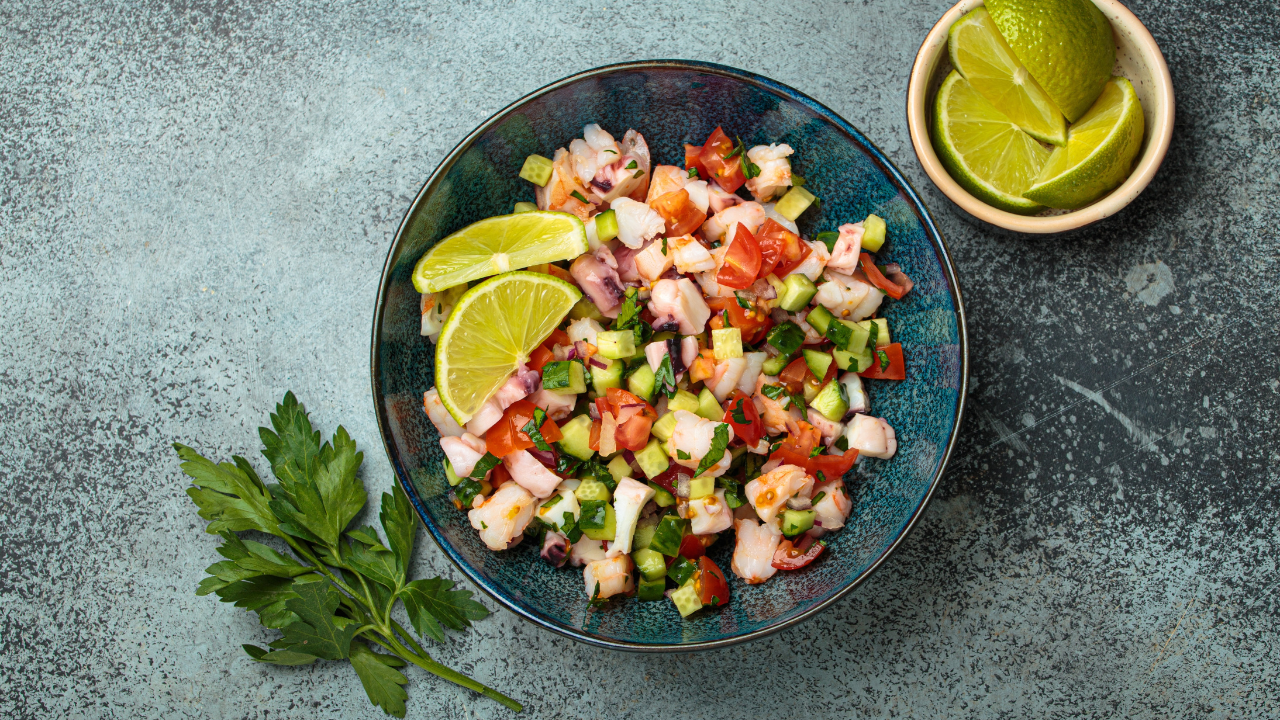
Ceviche is a fresh Peruvian dish built around seafood cured in lime juice. It is usually mixed with salt, onion, chili, and other bright ingredients that keep the dish lively. The citrus gives the seafood a firm texture and a clean, sharp flavor. It is light but still satisfying, especially when served chilled. Ceviche works best when the ingredients are fresh, and the seasoning is kept balanced.
Best time to make: Warm days, seafood lunches, or light dinners
Difficulty level: Beginner to intermediate, depending on seafood quality
Chef’s tip: Use very fresh fish and do not marinate too long
Must-know: Lime juice changes the texture of the seafood quickly
9. Quiche
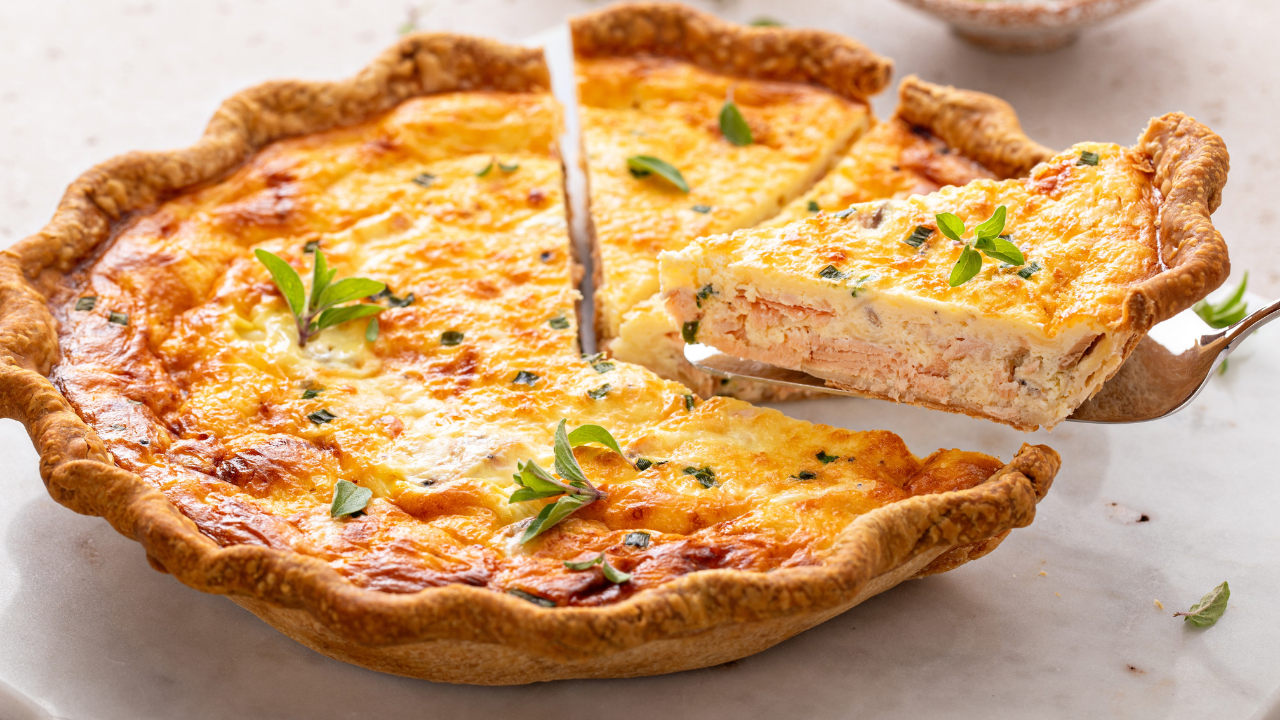
© Shutterstock / Elena Veselova
Quiche is a French savory pie made with eggs, cream, and a flaky crust. Fillings can include cheese, bacon, leeks, spinach, or other vegetables. It feels elegant enough for brunch but simple enough for a weekday meal. A good quiche should be creamy in the center without becoming too heavy. Its flexibility makes it one of those dishes that can move easily from breakfast to dinner.
Best time to make: Brunch, lunch, or light dinners
Difficulty level: Beginner to intermediate, requires careful baking.
Chef’s tip: Blind bake the crust to help prevent sogginess
Must-know: The filling should be just set, not dry
10. Sashimi
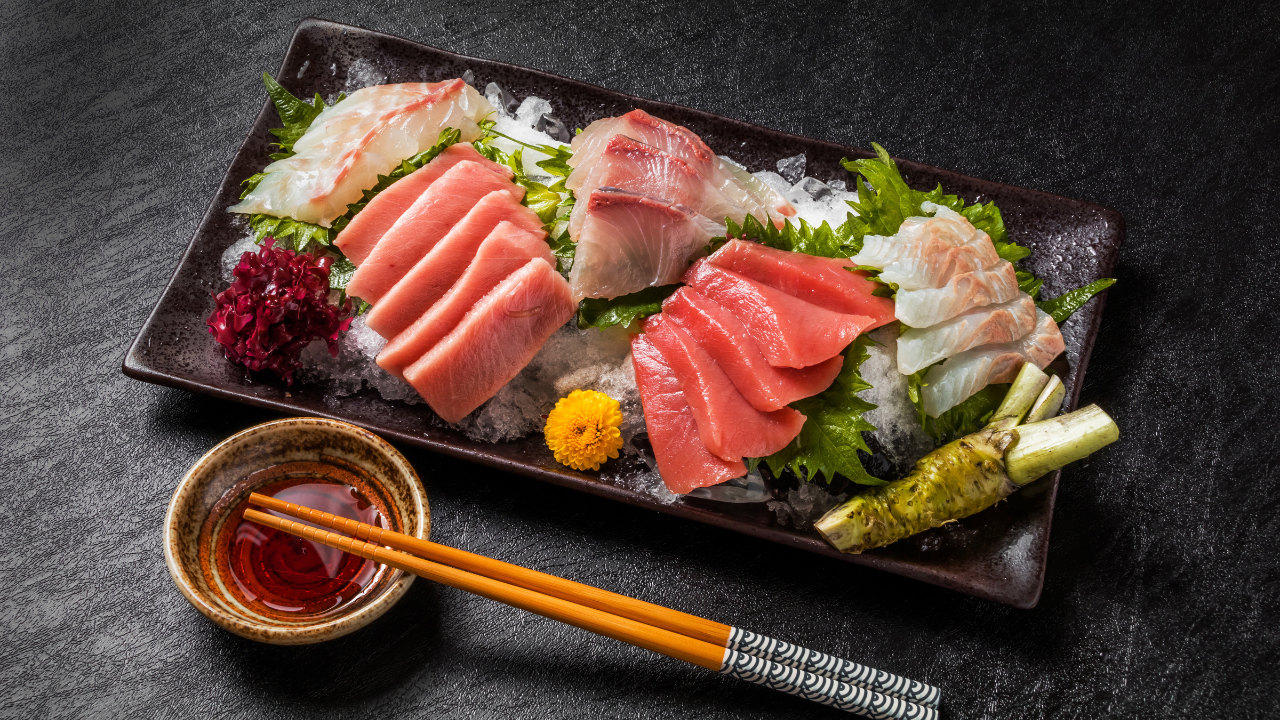
© Shutterstock / norikko
Sashimi is a Japanese dish that focuses on thin slices of fresh fish or meat. It is usually served simply with soy sauce, wasabi, or other light accompaniments. Unlike sushi, it does not include vinegared rice, so the quality of the main ingredient matters even more. The appeal is in the clean flavor and careful slicing. When prepared well, sashimi feels refined without needing much decoration.
Best time to make: Fresh seafood meals or special dining occasions
Difficulty level: Advanced, requires excellent ingredients and knife work
Chef’s tip: Chill the fish properly before slicing
Must-know: Sashimi depends completely on freshness and precision
11. Fish and chips
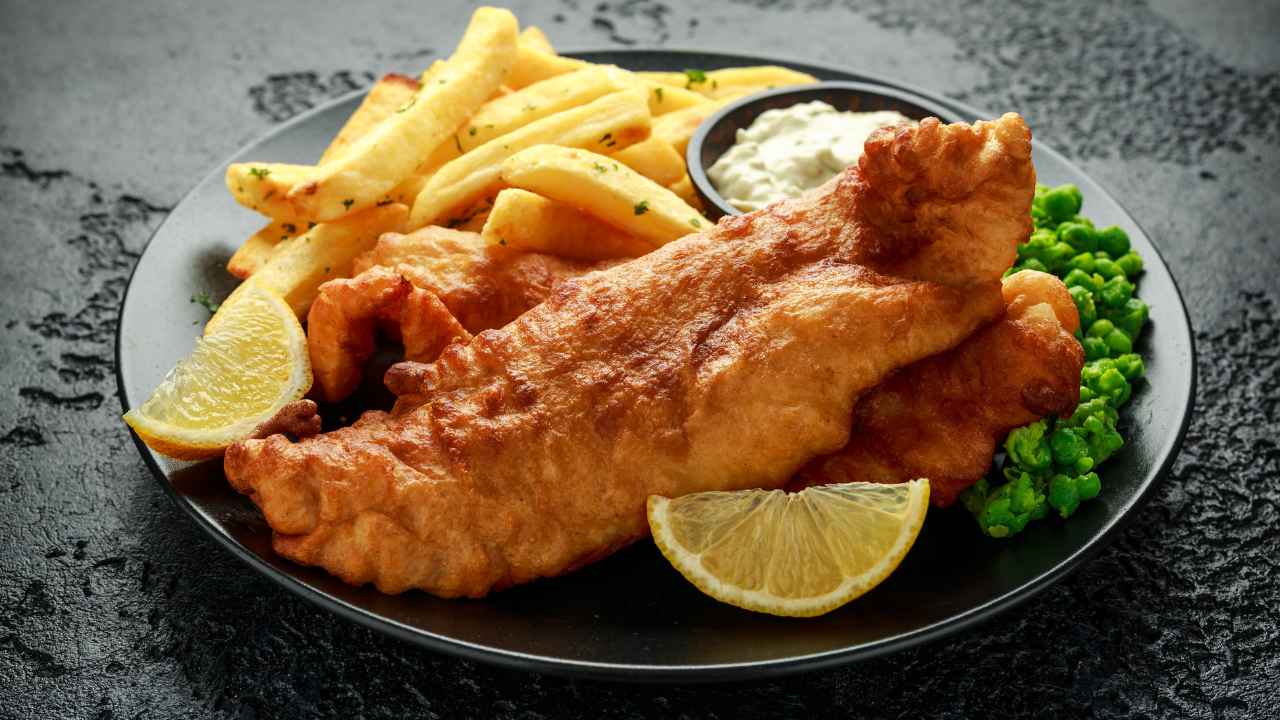
© Shutterstock / DronG
Fish and chips are one of Britain’s most recognizable comfort meals. The dish pairs fried white fish with thick-cut fries, usually served hot with salt, vinegar, or a simple sauce. The best versions have crisp batter around tender fish. It is hearty, familiar, and often connected with seaside meals or local takeaway shops. The combination is simple, but the texture makes it deeply satisfying.
Best time to make: Casual dinners or weekend lunches
Difficulty level: Intermediate, requires frying control
Chef’s tip: Keep the batter cold for a lighter, crisp finish
Must-know: Serve immediately so the coating stays crisp
12. Risotto
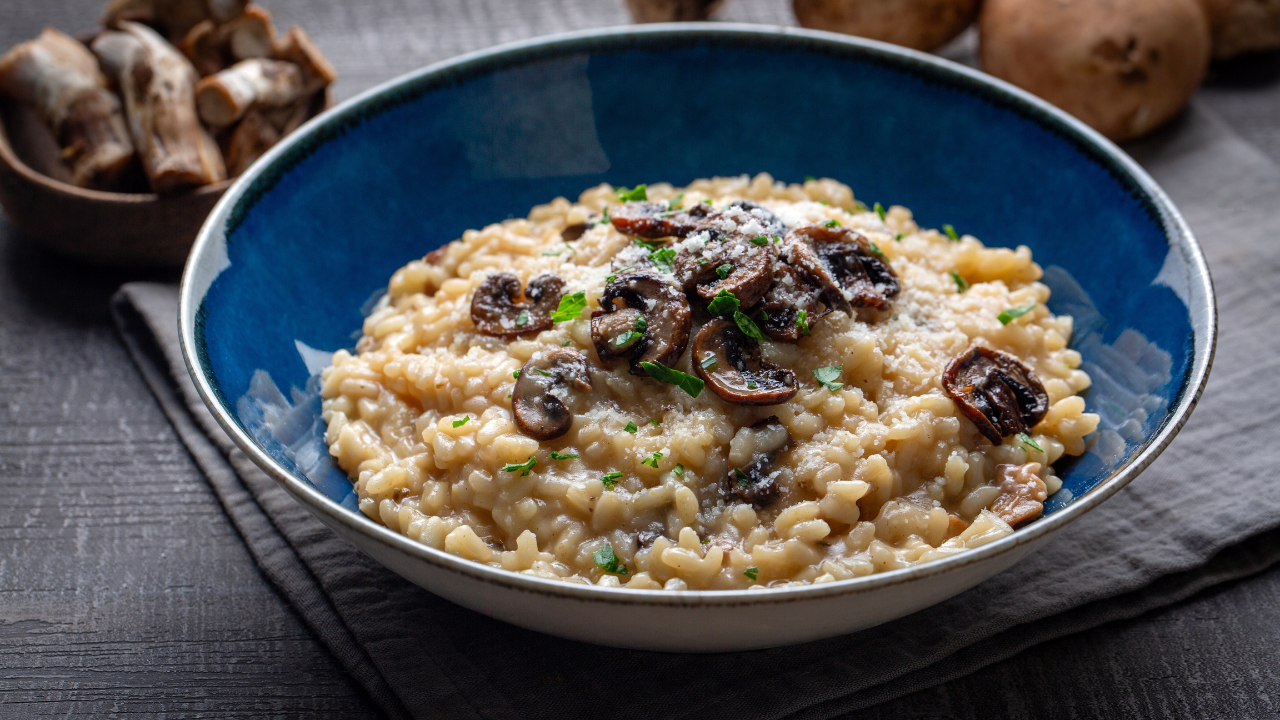
© Shutterstock / Esin Deniz
Risotto is a northern Italian rice dish known for its creamy texture. It is made by slowly adding stock to rice until the grains soften and release starch. Mushrooms, seafood, saffron, cheese, or vegetables can all shape the final flavor. The dish takes attention, but the result feels smooth and comforting. Risotto is popular because it can feel both rustic and refined depending on what goes into it.
Best time to make: Cozy dinners or special home-cooked meals
Difficulty level: Intermediate, requires steady stirring and timing
Chef’s tip: Add warm stock gradually instead of all at once
Must-know: The rice should stay slightly firm in the center
13. Kimchi
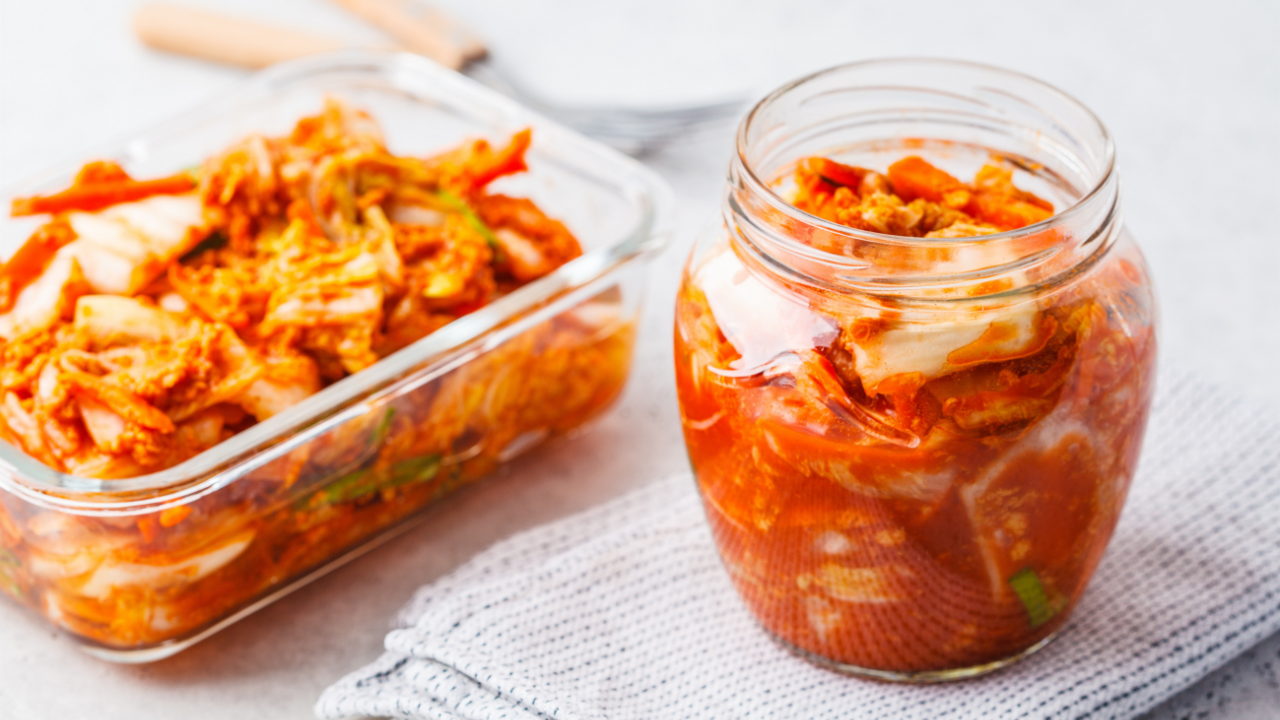
© Shutterstock / Nina Firsova
Kimchi is a Korean staple made with fermented vegetables, often napa cabbage. It is usually seasoned with chili, garlic, ginger, fish sauce, and other bold ingredients. The flavor is tangy, spicy, salty, and deeply layered from fermentation. Kimchi can be served as a side dish or used in stews, rice dishes, pancakes, and noodles. It brings energy to a meal and can make simple food taste much more complete.
Best time to make: Meal prep or as a side for rice and grilled dishes
Difficulty level: Intermediate, requires fermentation time
Chef’s tip: Let it ferment longer for a stronger, deeper flavor
Must-know: Kimchi changes in flavor as it ages
14. Nachos
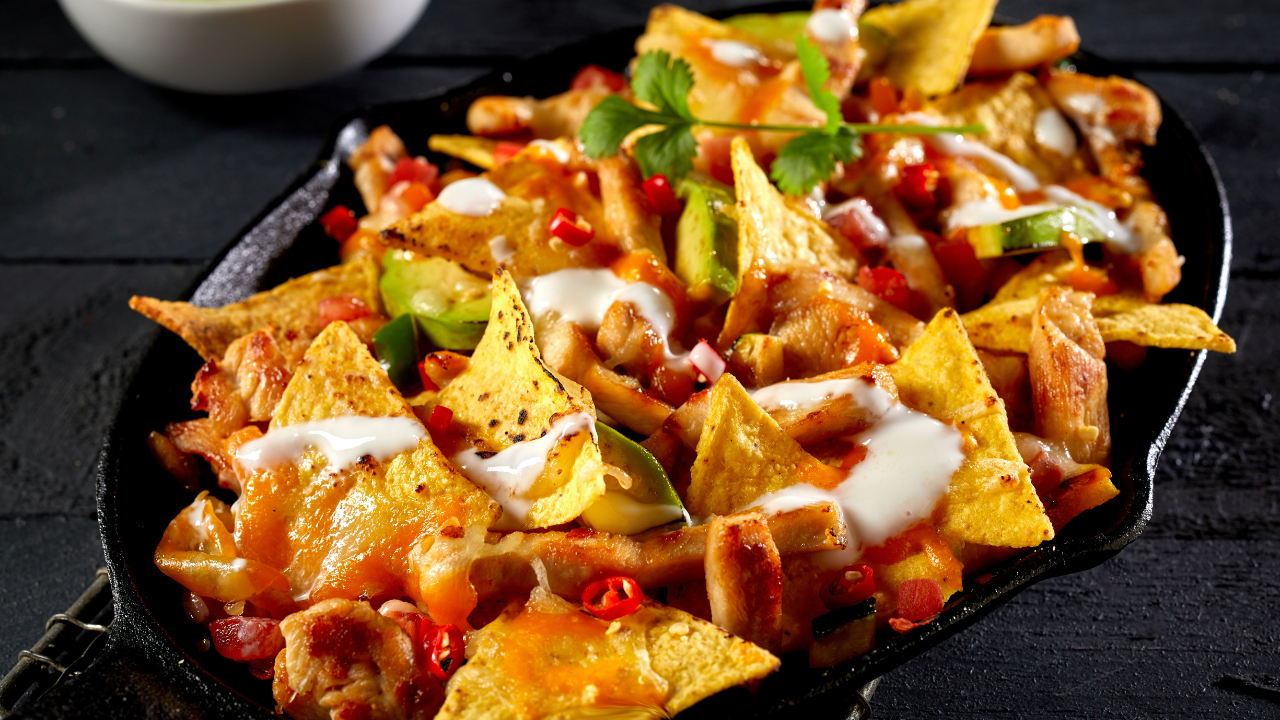
© Shutterstock / stockcreations
Nachos started as a simple combination of tortilla chips, cheese, and jalapeños. Over time, they became a favorite snack loaded with beans, meat, salsa, guacamole, sour cream, and other toppings. The pleasure comes from the mix of crisp chips, melted cheese, and bold toppings. They are casual, shareable, and easy to adjust for different tastes. A good plate of nachos should feel fun without turning soggy too quickly.
Best time to make: Game nights, parties, or casual snacks
Difficulty level: Beginner, simple layering and baking
Chef’s tip: Layer chips and toppings evenly so every bite has flavor.
Must-know: Sturdy chips hold up better under warm toppings
15. Biryani
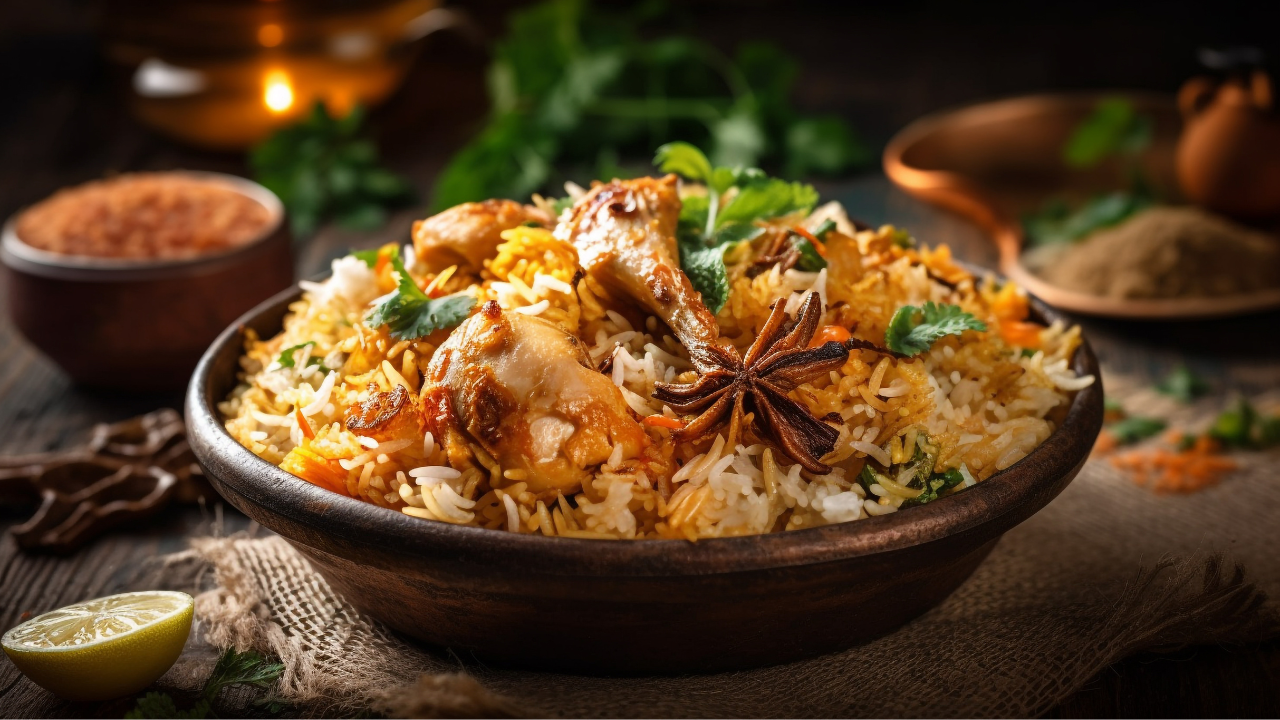
© Magnific / vecstock
Biryani is a fragrant rice dish loved across South Asia and beyond. It is usually made with basmati rice, spices, and meat, seafood, vegetables, or eggs. Many versions include yogurt, fried onions, nuts, or dried fruit for extra depth. The rice stays fluffy while absorbing the aroma of the spices and main ingredients. Biryani feels special because it is layered, generous, and full of warmth.
Best time to make: Celebrations, family meals, or weekend cooking
Difficulty level: Advanced, requires layering and timing
Chef’s tip: Let the rice steam gently after layering
Must-know: The aroma is just as important as the flavor
16. Hamburgers
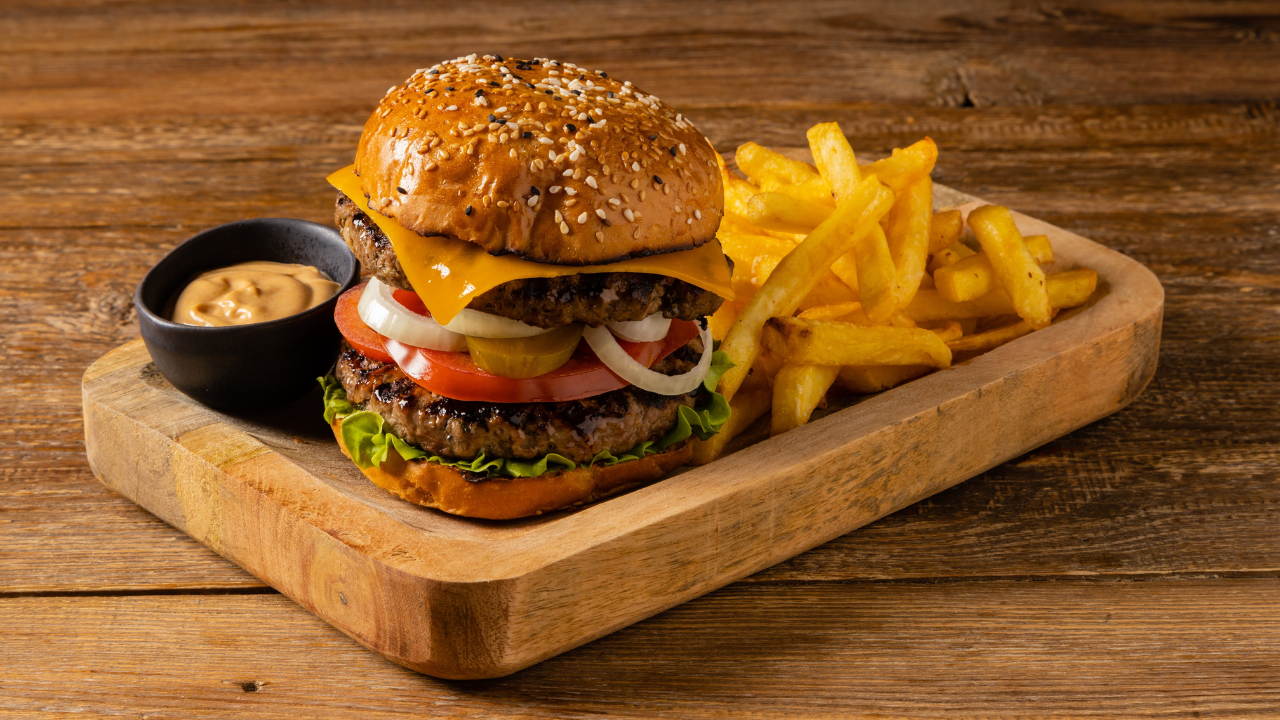
© Shutterstock / gkrphoto
Hamburgers are a familiar American favorite with roots connected to German beefsteak traditions. A good burger brings together a juicy patty, soft bun, fresh toppings, and a sauce or seasoning that ties it together. It can be simple with cheese and pickles, or more layered with vegetables and special sauces. The dish works because it is easy to personalize. Every version still comes back to the same satisfying idea of meat, bread, and balance.
Best time to make: Cookouts, casual dinners, or quick meals
Difficulty level: Beginner to intermediate, depending on the cooking method
Chef’s tip: Avoid pressing the patty while it cooks
Must-know: Resting the burger briefly helps keep it juicy
17. Pasta carbonara
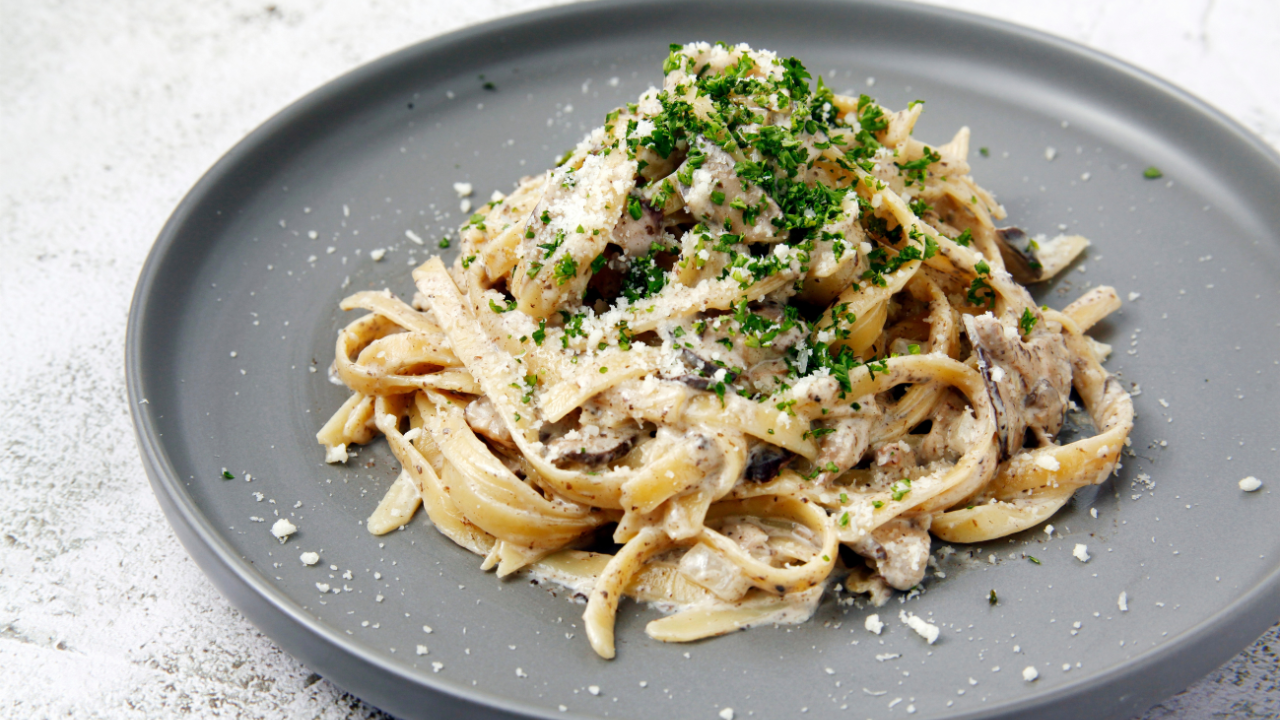
© Shutterstock / junpinzon
Pasta carbonara is a Roman dish built from just a few strong ingredients. It is usually made with pasta, guanciale, egg yolks, Pecorino Romano, and black pepper. The sauce becomes creamy from the eggs and cheese rather than from cream. When made well, it tastes rich, salty, and smooth without being heavy. Carbonara proves that simple ingredients can create a dish with serious character.
Best time to make: Quick dinners or comforting pasta nights
Difficulty level: Intermediate, requires heat control
Chef’s tip: Toss off the heat so the eggs do not scramble
Must-know: Traditional carbonara does not need cream
18. Pho
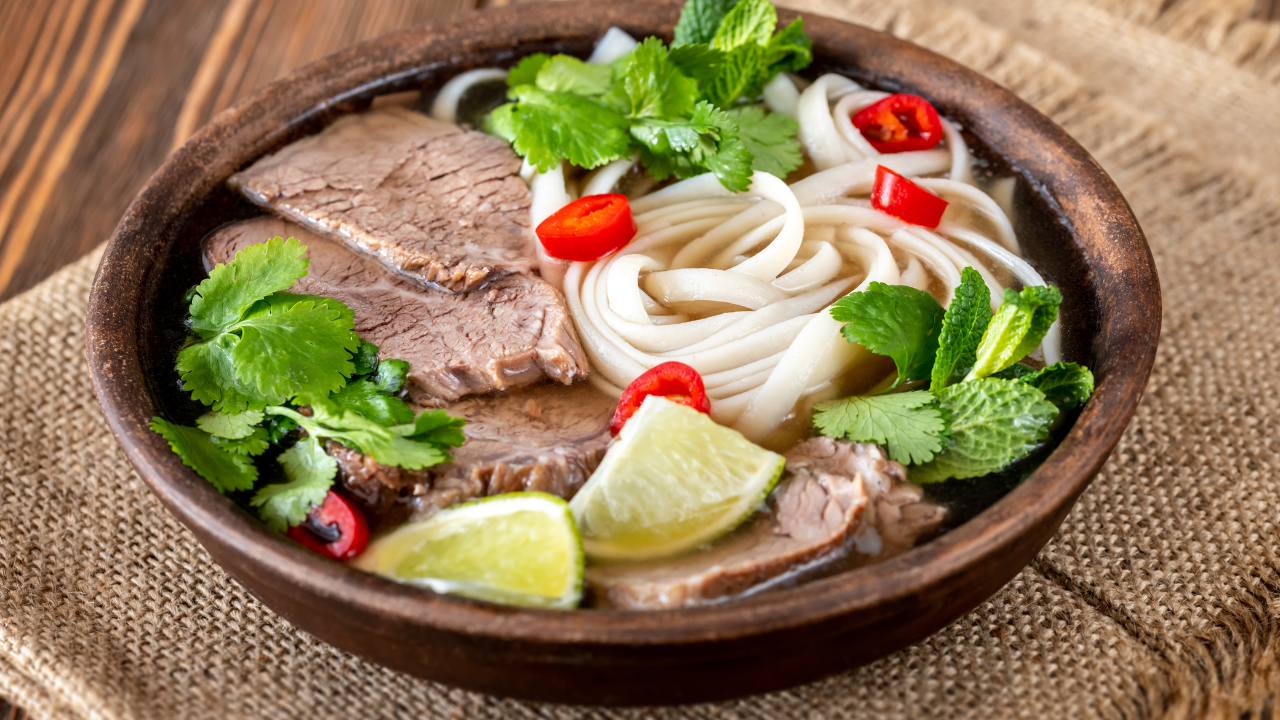
© Shutterstock / Alexander Prokopenko
Pho is Vietnam’s famous noodle soup and one of its most comforting dishes. It is traditionally made with beef or chicken broth, rice noodles, herbs, spices, and slices of meat. Fresh toppings like lime, sprouts, chili, and herbs let each person adjust the bowl. The broth is the heart of the dish, carrying warmth and depth without feeling too heavy. Pho works at almost any time of day because it feels both light and filling.
Best time to make: Breakfast, lunch, dinner, or cold days
Difficulty level: Advanced, requires a well-built broth
Chef’s tip: Toast spices before adding them to the broth
Must-know: A clear, aromatic broth is the key to good pho
19. Gyros
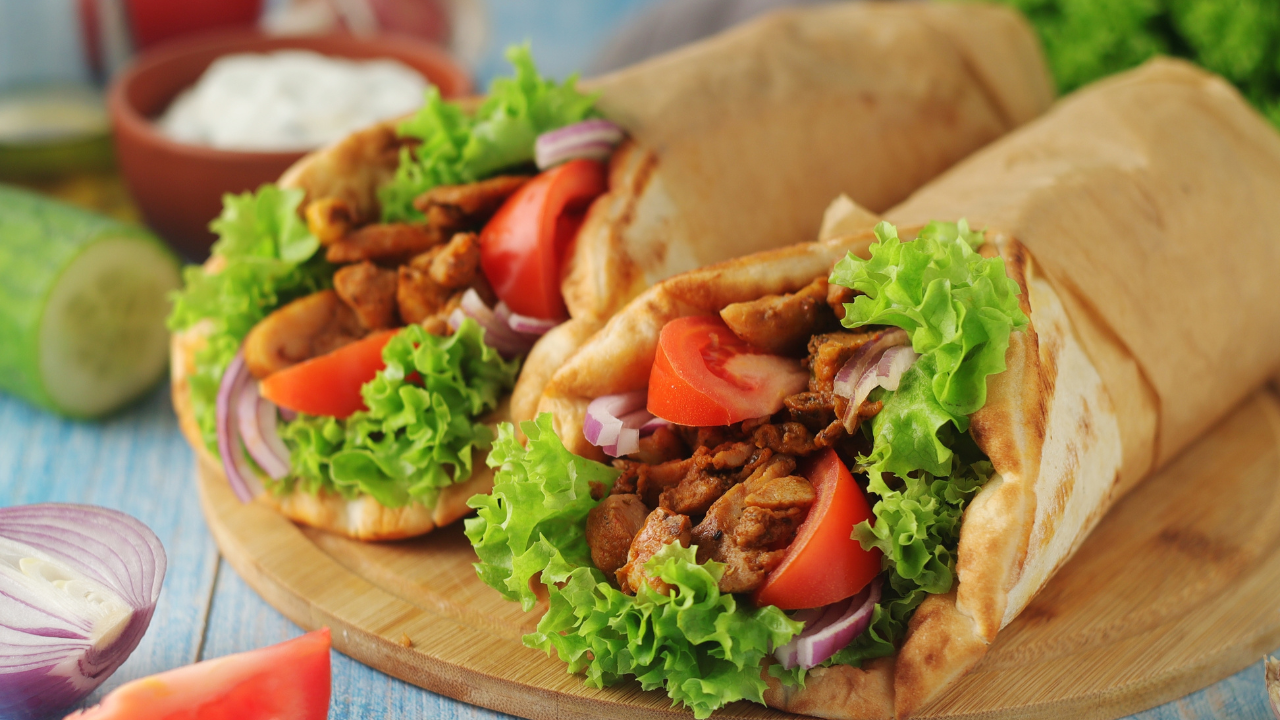
© Shutterstock / Anastasia Kamysheva
Gyros are a popular Greek street food made with seasoned meat tucked into pita bread. The meat is sliced thin and usually served with tzatziki, onions, tomatoes, and other fresh toppings. The warm bread, cool sauce, and savory meat make the dish balanced and satisfying. It is quick to eat but full of flavor. Gyros remain popular because they deliver comfort and freshness in a single meal.
Best time to make: Lunches, casual dinners, or street-food style meals
Difficulty level: Beginner to intermediate, depending on meat preparation
Chef’s tip: Warm the pita before filling it
Must-know: Tzatziki adds freshness and balances the meat
20. Bibimbap
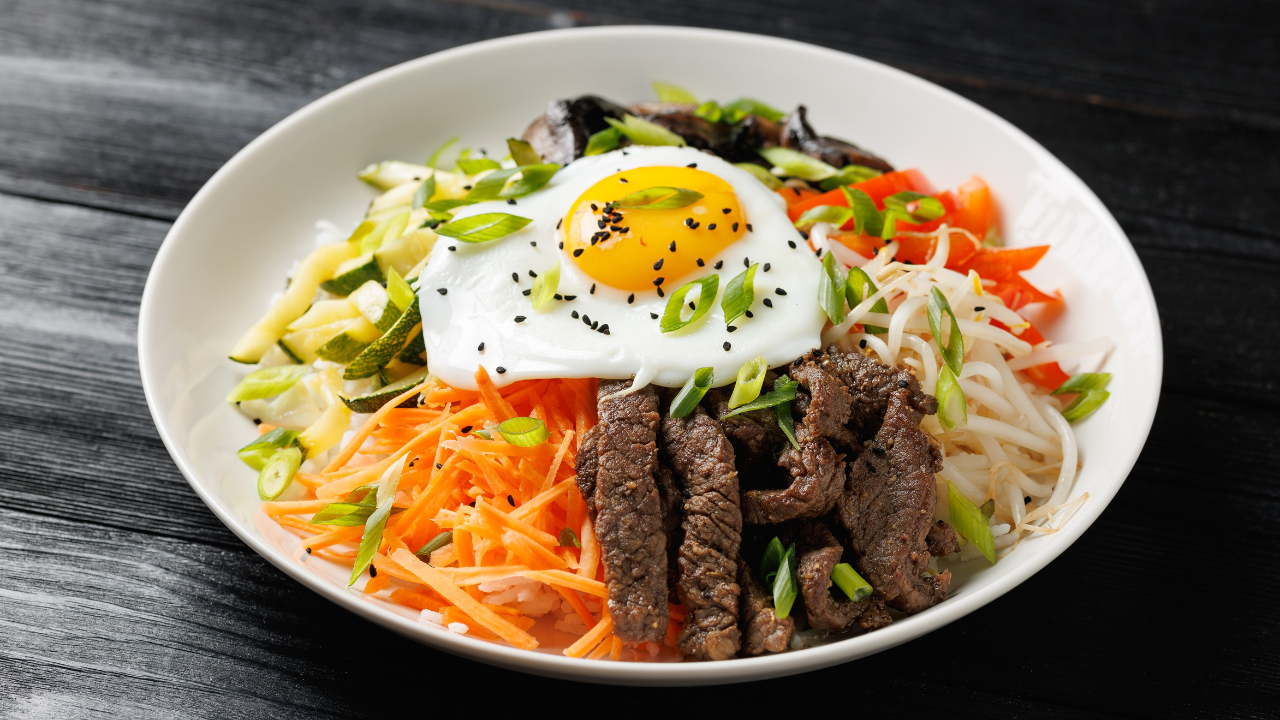
© Shutterstock / DronG
Bibimbap is a Korean rice bowl made with vegetables, rice, sauce, and often beef or egg. The name means mixed rice, and the dish is usually stirred together before eating. Each ingredient adds something different, from crunch and heat to softness and savoriness. Gochujang gives the bowl its signature spicy-sweet depth. Bibimbap feels colorful, filling, and complete without needing much on the side.
Best time to make: Balanced lunches or weeknight dinners
Difficulty level: Intermediate, requires preparing several toppings
Chef’s tip: Arrange toppings separately before mixing for better texture
Must-know: The sauce brings the whole bowl together
21. Churrasco
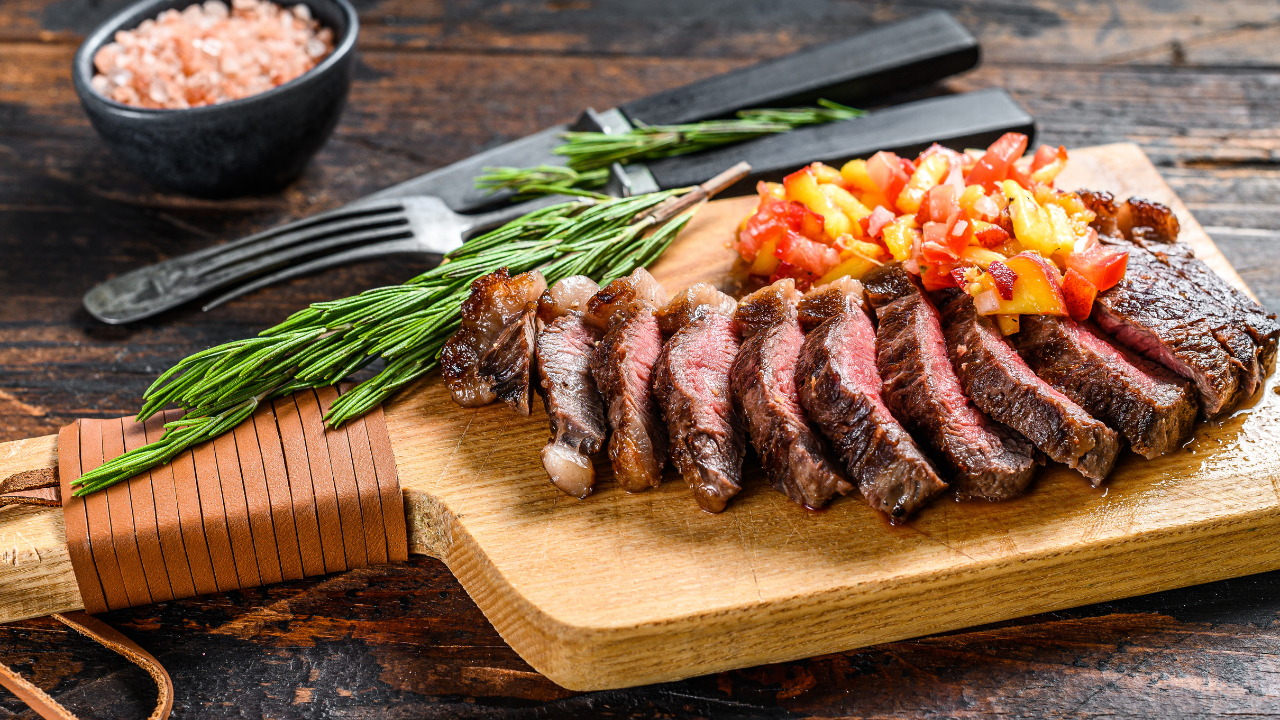
© Shutterstock / Mironov Vladimir
Churrasco is Brazilian-style barbecue made with meat cooked over an open fire. Beef, chicken, pork, lamb, or other cuts can be grilled on skewers until smoky and juicy. The dish is often tied to gatherings, generous portions, and relaxed meals. Its appeal is direct because the flavor comes from the meat, fire, and seasoning. Churrasco feels bold, social, and made for people who enjoy grilled food.
Best time to make: Outdoor gatherings or barbecue meals
Difficulty level: Intermediate, requires grill control
Chef’s tip: Let the meat rest before slicing
Must-know: Fire and timing are central to the flavor
22. Dal
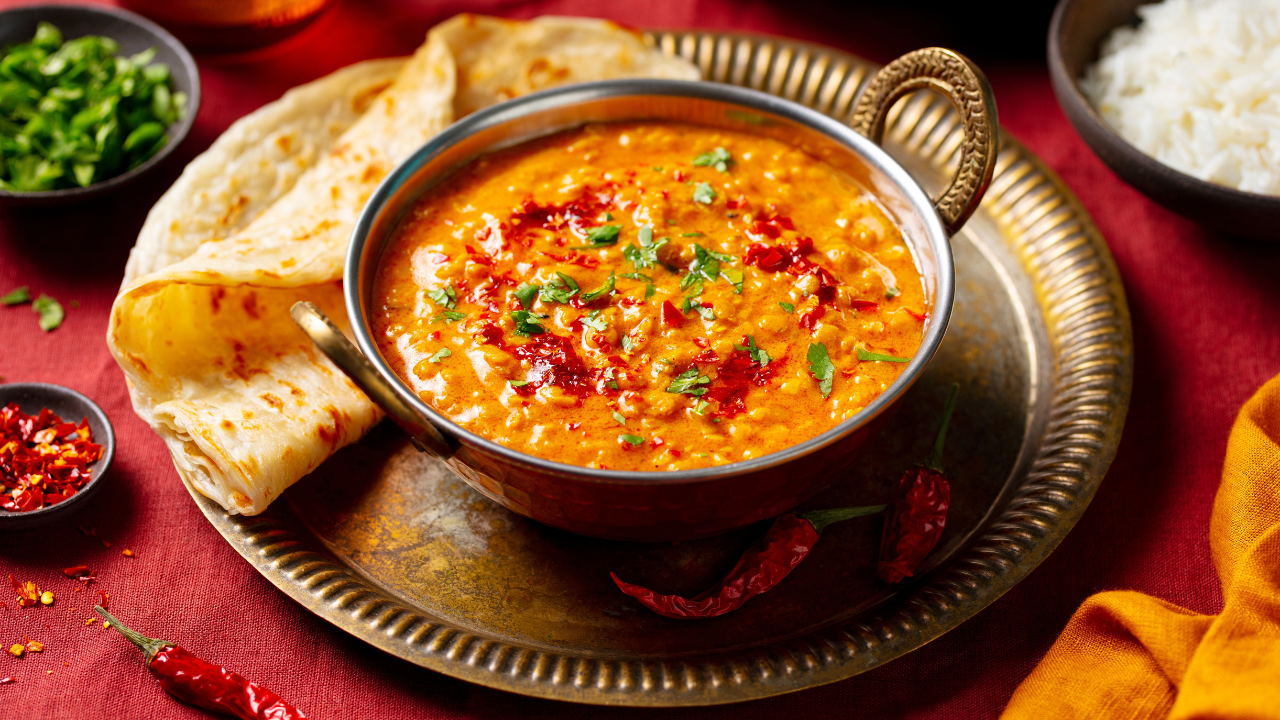
© Shutterstock / Anna_Pustynnikova
Dal is a comforting Indian dish made with lentils or split pulses. It is often cooked with onions, garlic, chilies, ginger, spices, and herbs until warm and soft. The texture can be thick like a stew or a soup, depending on the recipe. Served with rice or flatbread, it becomes a simple but complete meal. Dal is loved because it is nourishing, affordable, and full of flavor.
Best time to make: Every day dinners or comforting lunches
Difficulty level: Beginner, simple simmering and seasoning
Chef’s tip: Bloom spices in oil before adding them to the dal
Must-know: Different lentils create different textures
23. Spring rolls
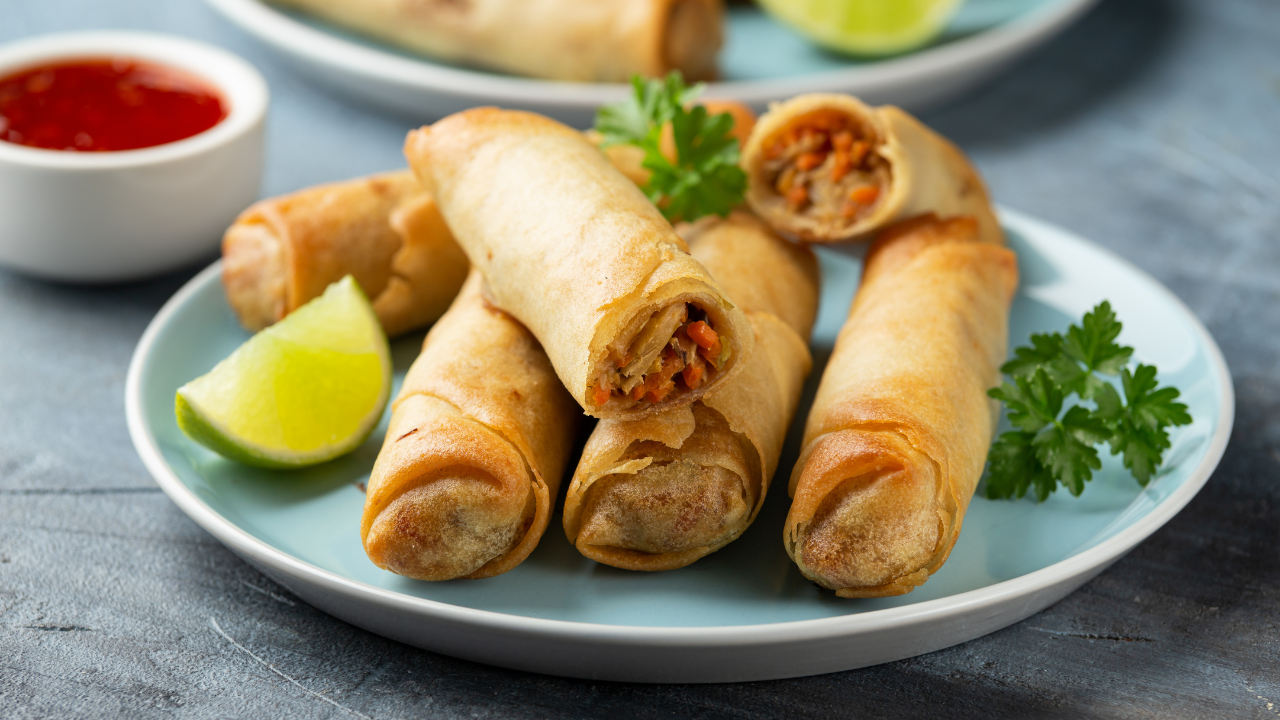
© Shutterstock / DronG
Spring rolls are crisp snacks made with thin wrappers and savory fillings. Traditional Chinese versions can include pork, shrimp, mushrooms, cabbage, or vegetables. Once fried, the wrapper turns golden and crunchy while the inside stays warm. They work well as appetizers, party snacks, or part of a larger meal. Their crisp texture and easy shape make them hard to resist.
Best time to make: Appetizers, parties, or snack plates
Difficulty level: Intermediate, requires wrapping and frying
Chef’s tip: Do not overfill the wrappers
Must-know: A tight roll helps prevent the filling from leaking
24. Fondue
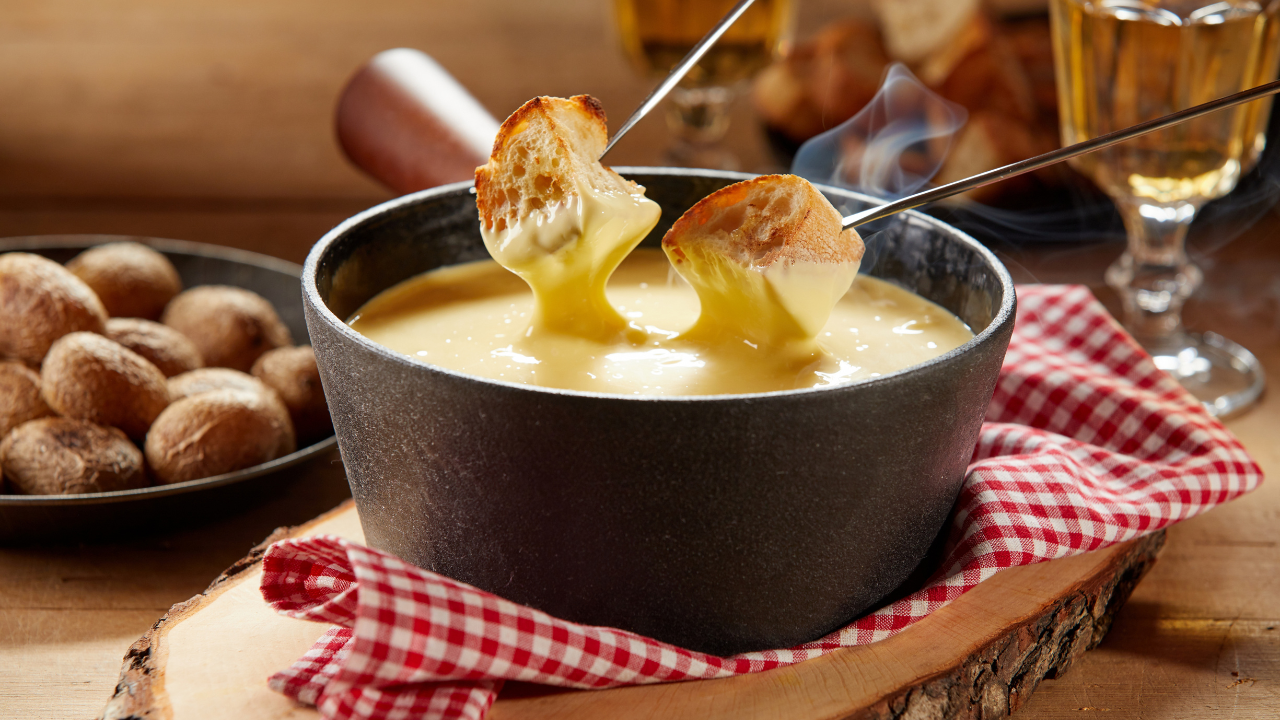
© Shutterstock / stockcreations
Fondue is a Swiss dish that turns melted cheese into a shared meal. The cheese is kept warm over a flame and served with bread or other foods for dipping. Some versions include white wine, cherry brandy, or nutmeg for more flavor. The experience is slow, cozy, and social. Fondue remains popular because it makes eating feel relaxed and communal.
Best time to make: Cold nights, gatherings, or cozy dinners
Difficulty level: Intermediate, requires smooth melting
Chef’s tip: Add cheese gradually and stir gently
Must-know: The cheese should stay warm and smooth while serving
25. Shakshouka
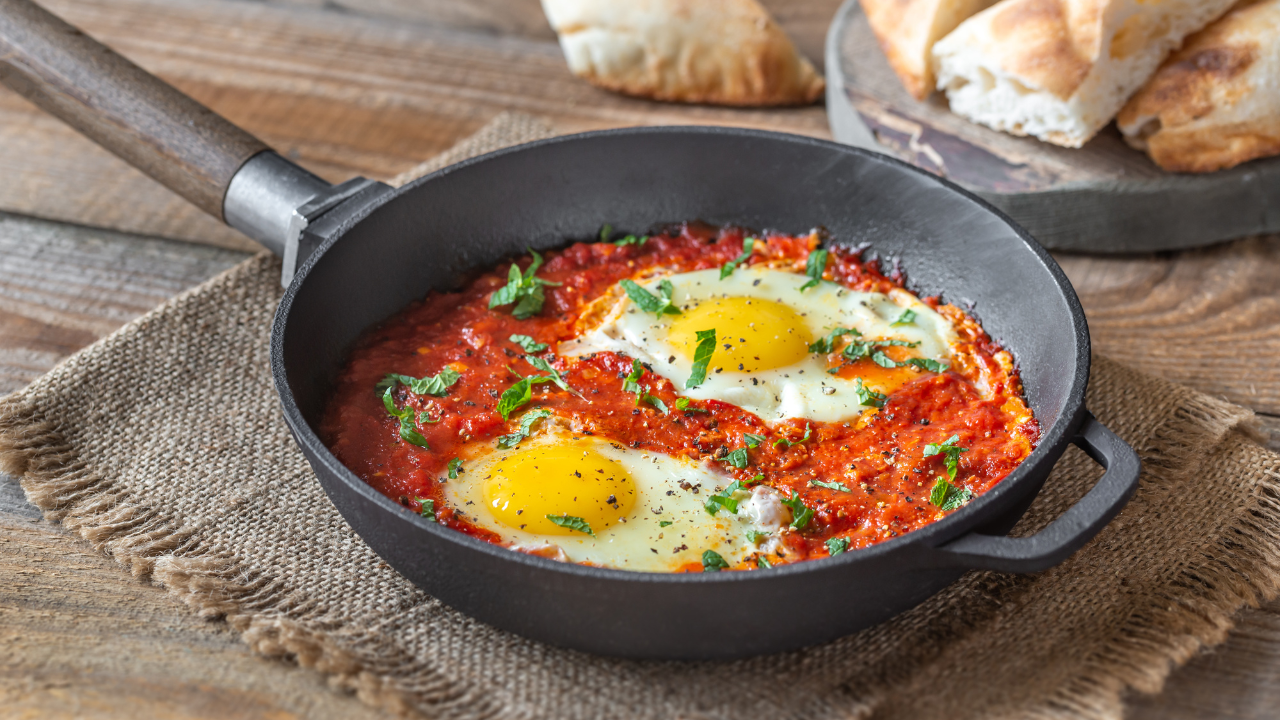
© Shutterstock / Alexander Prokopenko
Shakshouka is a warm dish of eggs poached in a tomato and pepper sauce. It is common in North African and Middle Eastern food traditions. The sauce usually includes olive oil, onions, garlic, and spices such as cumin, paprika, or cayenne. Bread is often served with it to scoop up the sauce. It feels rustic, colorful, and comforting at any time of day.
Best time to make: Breakfast, brunch, or simple dinners
Difficulty level: Beginner, basic simmering and egg cooking
Chef’s tip: Make small wells in the sauce before adding eggs
Must-know: The eggs should be soft but fully set
26. Pad Thai
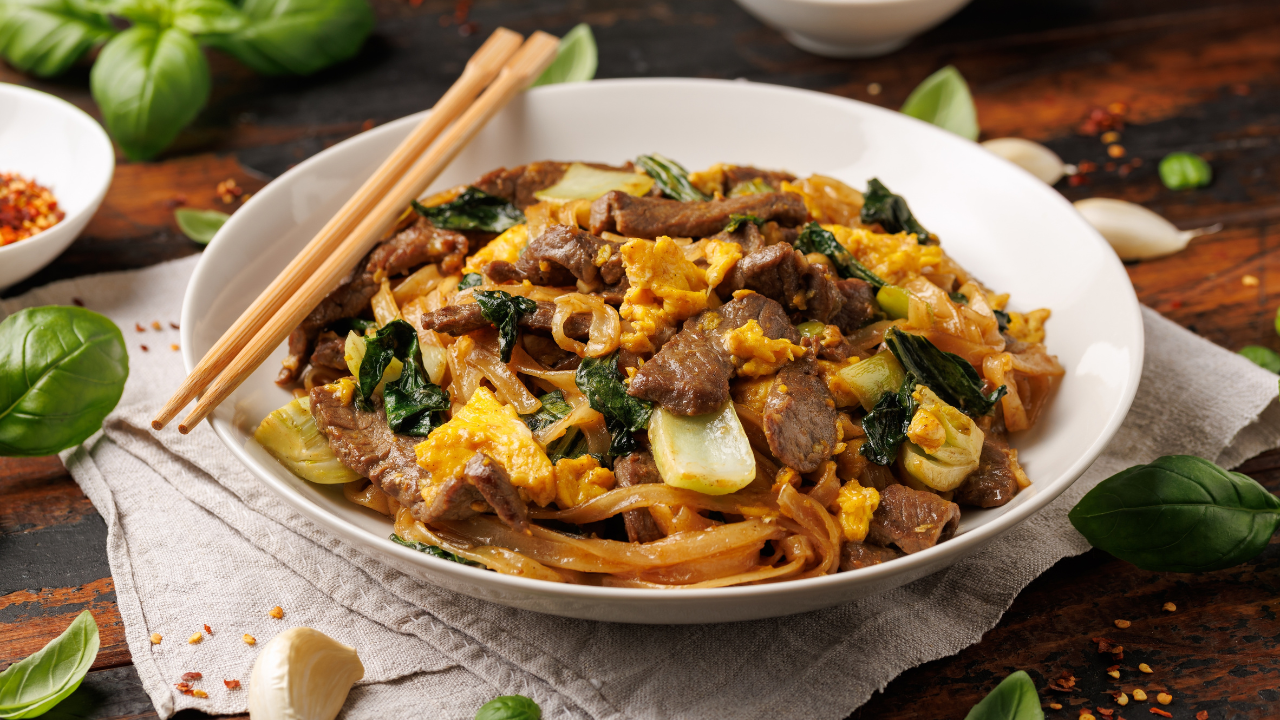
© Shutterstock / DronG
Pad Thai is Thailand’s famous stir-fried noodle dish. It usually includes rice noodles, eggs, tofu, dried shrimp, bean sprouts, and a sauce that balances sweet, sour, salty, and savory flavors. Chicken, pork, or other proteins can also be added. Peanuts and lime bring crunch and brightness at the end. Pad Thai stays popular because every bite feels lively and balanced.
Best time to make: Quick dinners or flavorful lunch meals
Difficulty level: Intermediate, requires fast stir-frying
Chef’s tip: Prepare all ingredients before cooking starts
Must-know: Balance matters more than any single flavor
27. Tandoori chicken
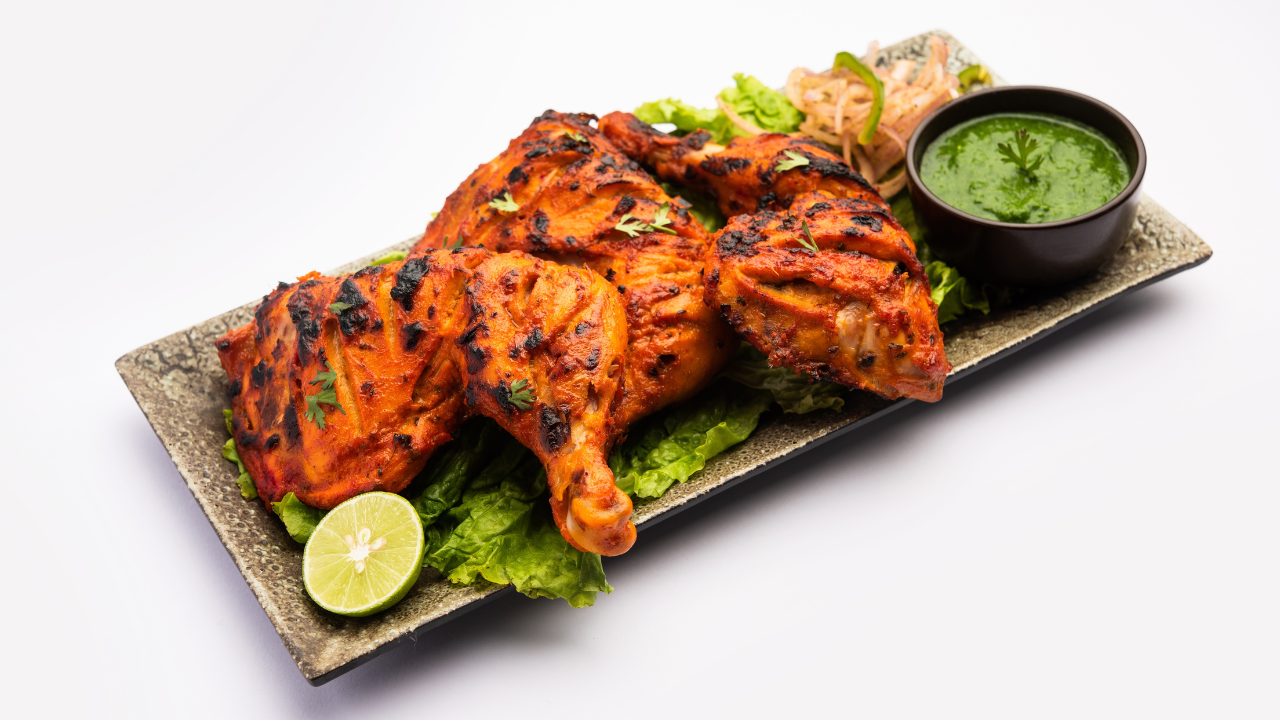
© Shutterstock / Factory
Tandoori chicken is a South Asian dish known for bold spices and smoky flavor. The chicken is marinated in yogurt and spices before being cooked in a hot clay oven called a tandoor. The yogurt helps tenderize the meat while the spices give it color and depth. High heat creates a slightly charred outside while keeping the inside juicy. It is flavorful, aromatic, and satisfying without feeling too heavy.
Best time to make: Dinner, gatherings, or grilled meals
Difficulty level: Intermediate, requires marinating and high heat
Chef’s tip: Marinate the chicken for several hours for a deeper flavor
Must-know: A hot oven or grill helps mimic tandoor-style cooking
28. Crêpes

© Magnific / timolina
Crêpes are thin French pancakes that can be sweet or savory. They originated in Brittany and became widely loved as wheat flour became more available. Sweet versions can hold fruit, chocolate, cream, or sugar, while savory ones can include cheese, eggs, mushrooms, or ham. Their soft texture makes them easy to fold, roll, or layer. Crêpes feel simple, elegant, and playful all at once.
Best time to make: Breakfast, brunch, dessert, or light meals
Difficulty level: Beginner to intermediate, requires thin batter control
Chef’s tip: Let the batter rest before cooking
Must-know: A thin, even layer creates the best texture
29. Lasagna
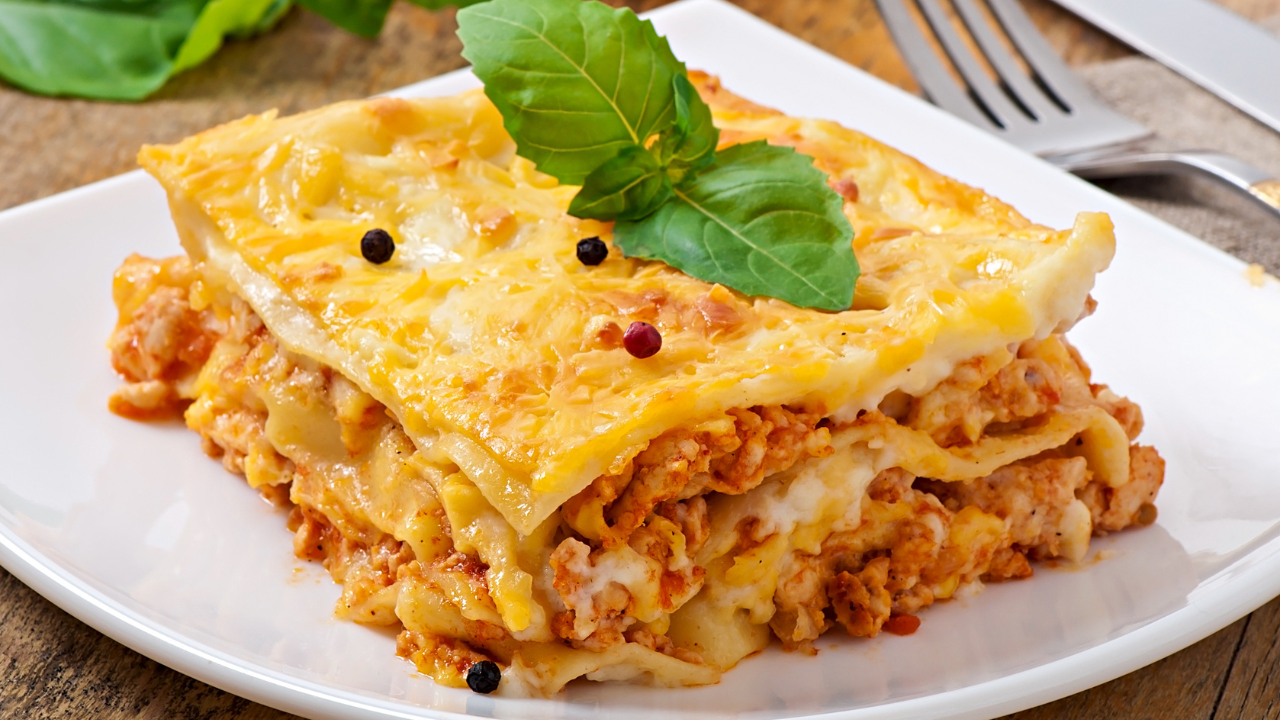
© Magnific / timolina
Lasagna is layered comfort in baked form. Wide pasta sheets hold sauce, cheese, vegetables, meat, or béchamel in a rich stack of flavor. The top turns golden while the inside becomes soft and bubbling. It is one of the oldest pasta dishes and remains one of the most loved. Lasagna feels like the kind of meal made for sharing, leftovers, and long tables.
Best time to make: Family dinners, gatherings, or meal prep
Difficulty level: Intermediate, requires layering and baking
Chef’s tip: Let it rest before slicing so the layers hold
Must-know: Resting time helps each slice stay neat
30. Doner kebab
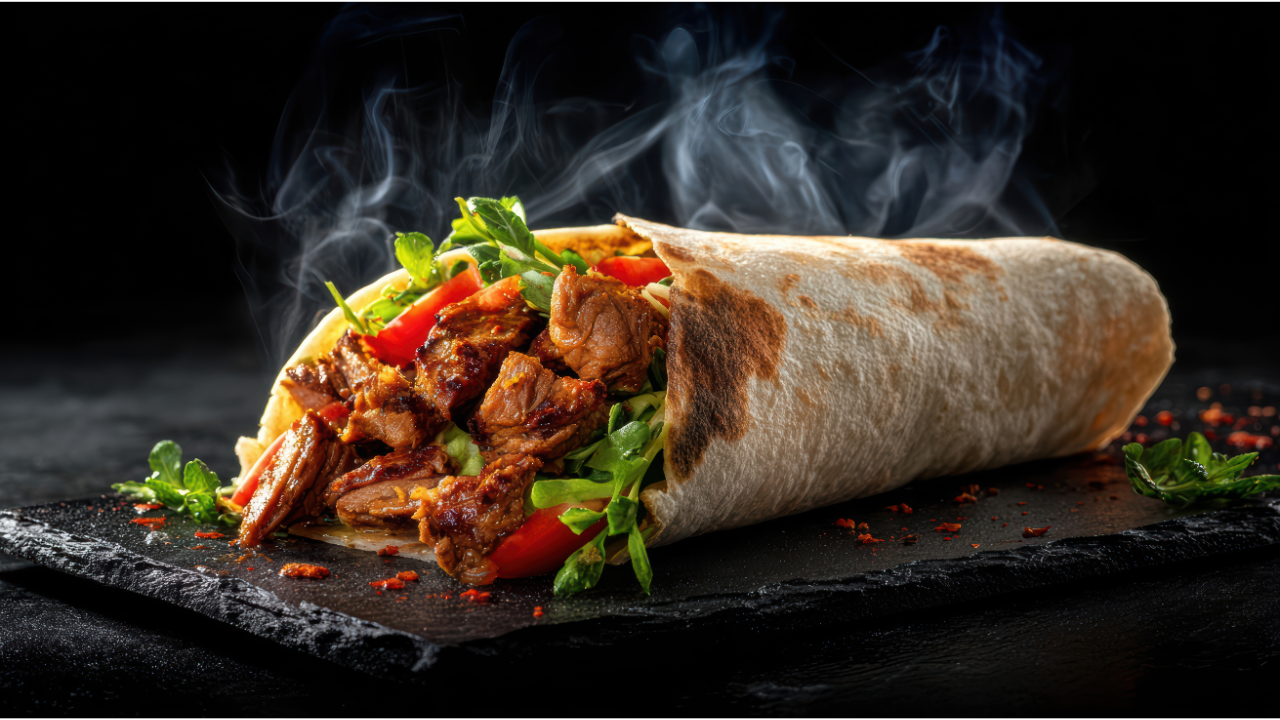
© Magnific / Muhammad Abdullah
Doner kebab is a Turkish dish made with seasoned meat cooked on a vertical spit. The meat is sliced thin and served with bread, vegetables, sauces, or rice. The outside gets crisp as it cooks, while the inside stays tender and flavorful. It is filling, portable, and popular as street food. Doner kebab works because it brings spice, warmth, and convenience into one satisfying meal.
Best time to make: Casual lunches, late dinners, or street-food style meals
Difficulty level: Intermediate, requires seasoned meat and careful slicing
Chef’s tip: Use warm bread and fresh vegetables for balance
Must-know: The slow-roasted meat is the heart of the dish.

Comments (0)
No comments yet. Be the first to share your thoughts!