High-protein, low-carb foods can be helpful when you want meals and snacks that feel filling without relying heavily on bread, pasta, or sugary options. These foods can also bring important nutrients such as fiber, healthy fats, calcium, iron, zinc, and omega-3 fatty acids. The best approach is not to remove entire food groups, but to choose balanced ingredients that support steady energy and satisfying meals. From seafood and dairy to soy foods, seeds, nuts, and lean meats, these options can fit into breakfast, lunch, dinner, or snacks. They are easy to use in everyday cooking and can help make simple meals feel more complete.
1. Sardines
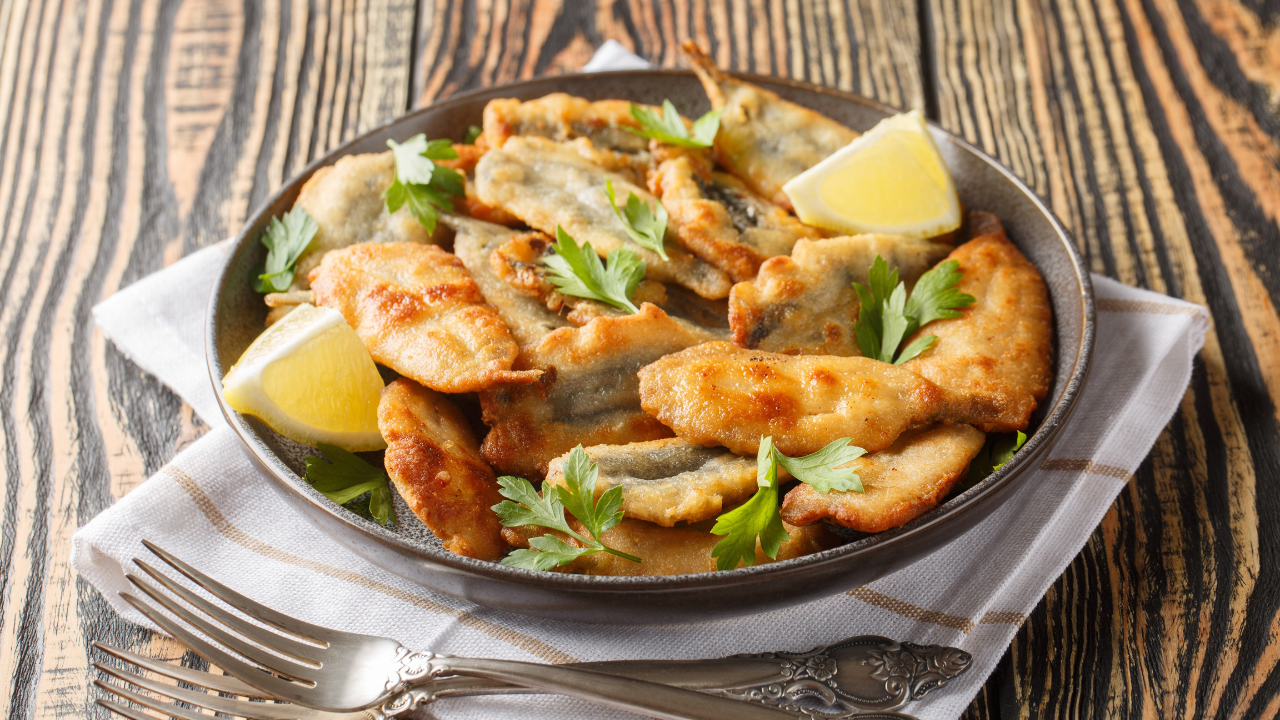
Sardines are a compact source of protein and healthy fats, making them a strong choice for quick meals. A small serving can provide protein along with omega-3 fatty acids, selenium, potassium, and magnesium. They work well on toast, in salads, or mashed into a spread with lemon and herbs. Their flavor is bold, so pairing them with crisp vegetables or something acidic can help balance the richness. Canned sardines are also shelf-stable, which makes them easy to keep on hand for busy days.
2. Ricotta
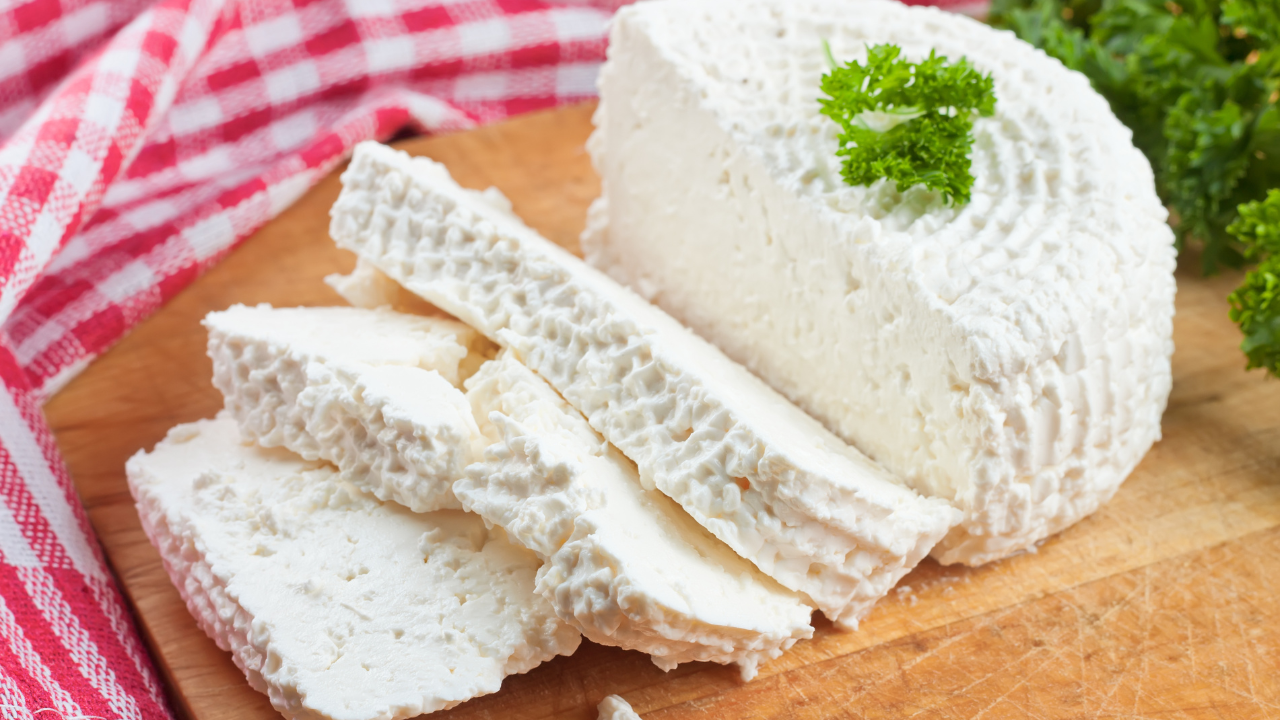
Ricotta is creamy, mild, and easy to use in both sweet and savory dishes. A serving can add protein along with calcium, making it a helpful ingredient for meals that need more substance. It works well on toast, in stuffed vegetables, pasta bakes, pancakes, or simple bowls with fruit. Part-skim ricotta can keep the texture rich without making the dish feel too heavy. Because its flavor is gentle, it pairs well with herbs, tomatoes, berries, honey, or roasted vegetables.
3. Tofu
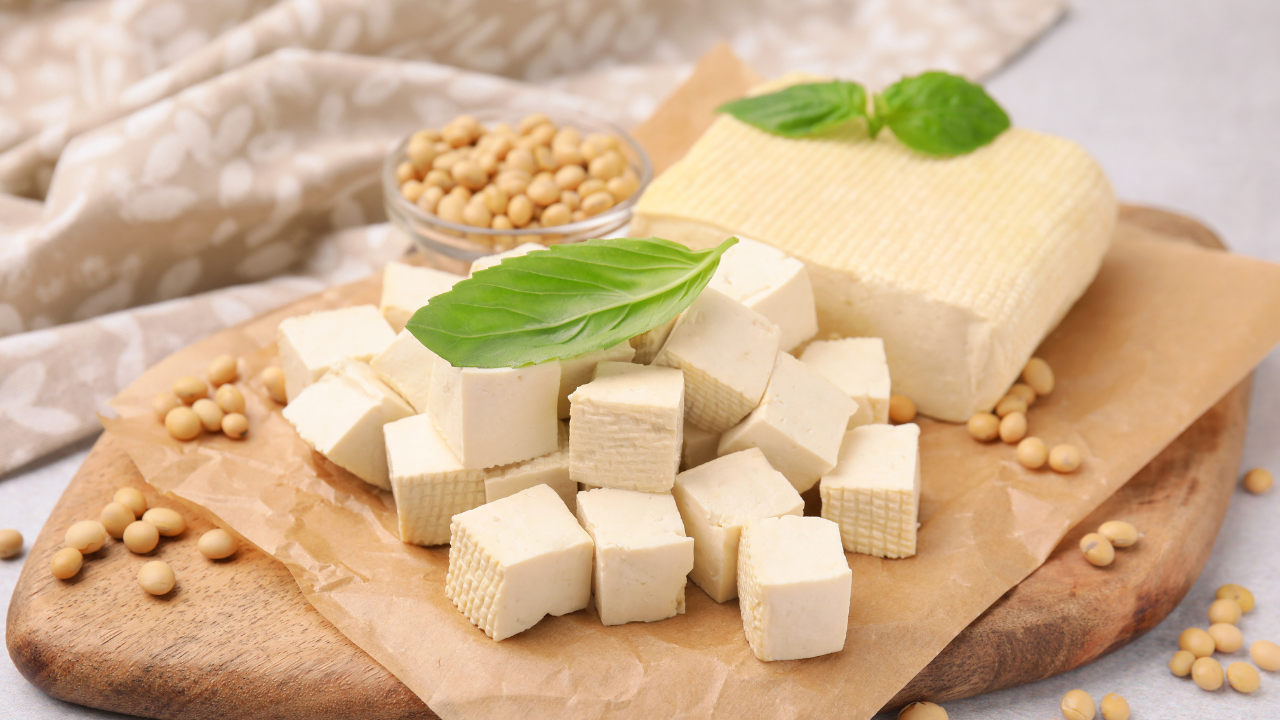
Tofu is a flexible plant-based protein that absorbs the flavors around it. Firm tofu can be sliced, pressed, grilled, baked, sautéed, or added to stir-fries and bowls. It contains all nine essential amino acids, which makes it a complete protein source. Since tofu has a mild taste, marinades and seasonings make a big difference. It works especially well with soy sauce, garlic, ginger, chili, sesame, curry spices, or barbecue-style sauces.
4. Pistachios
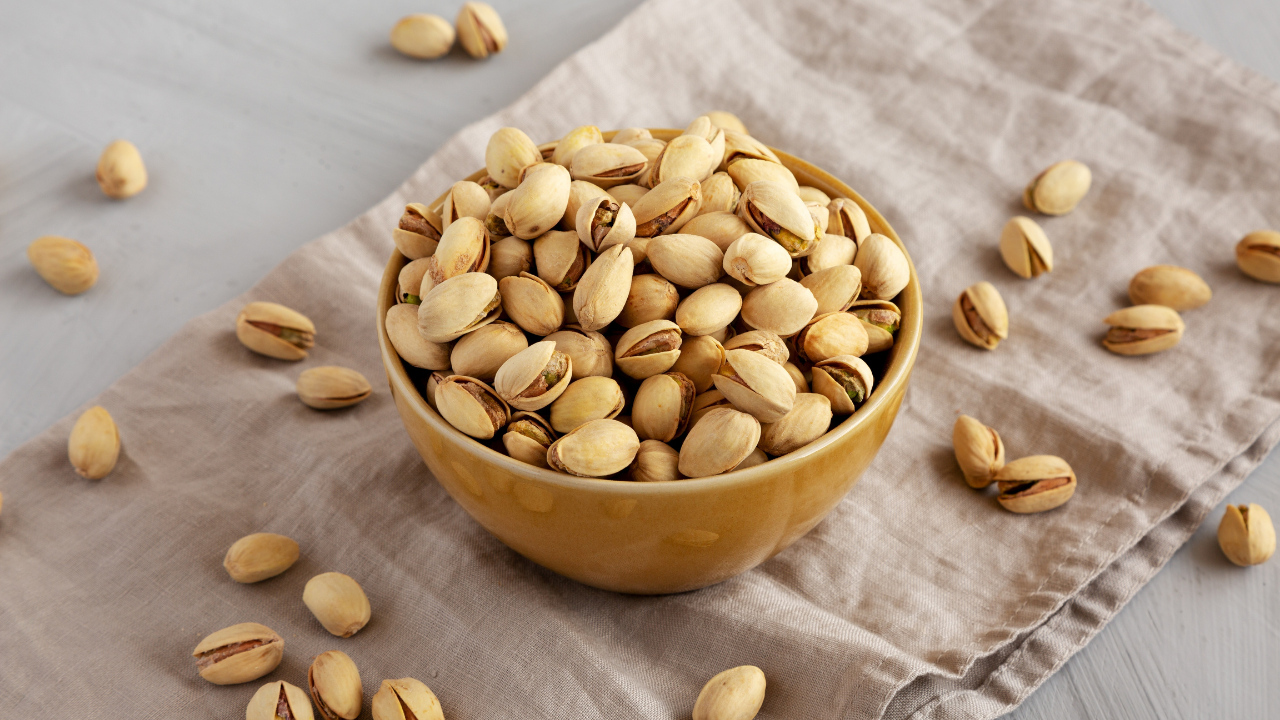
Pistachios offer protein, fiber, and crunch in a small serving. They are easy to enjoy as a snack, but they can also be added to salads, yogurt, roasted vegetables, or baked goods. Shelling pistachios can naturally slow down snacking, which may help with portion control. Their flavor is slightly sweet and nutty, so they work well in both savory and sweet dishes. Choose unsalted or lightly salted versions if you want more control over sodium.
5. Pork tenderloin
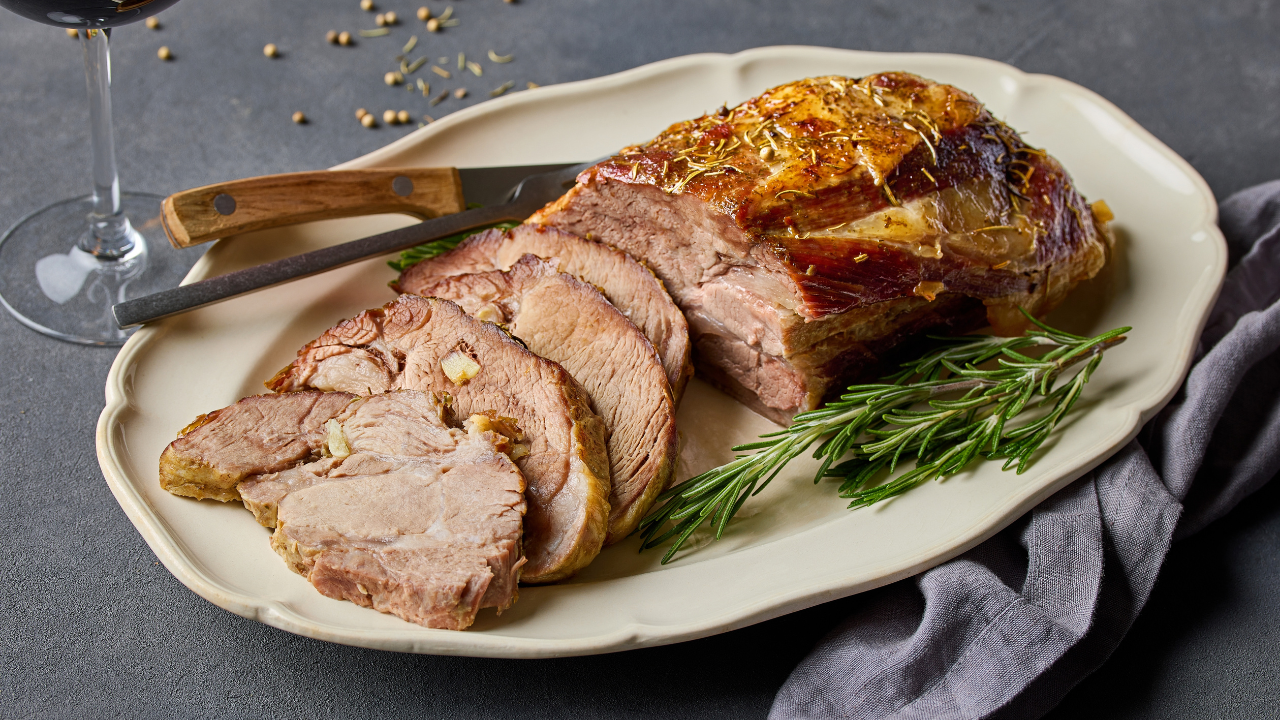
Pork tenderloin is a lean cut that provides a generous amount of protein. It cooks well when roasted, grilled, or sliced into stir-fries. Because it is lean, it is best not to overcook it, or the texture can become dry. Simple seasonings like garlic, herbs, mustard, pepper, or citrus can bring out its flavor. Serve it with roasted vegetables, salad, or cauliflower mash for a filling low-carb meal.
6. Tempeh
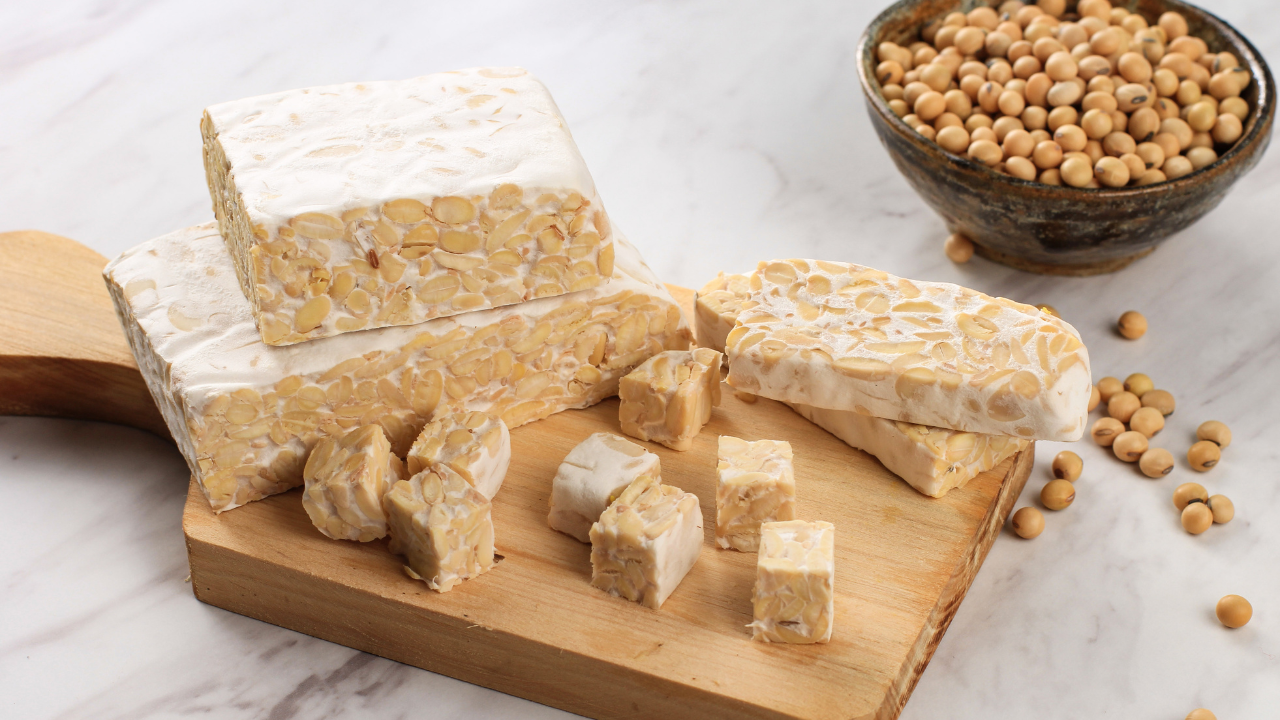
Tempeh is made from fermented soybeans and has a firm texture with a slightly nutty flavor. It is higher in protein than many other plant-based options and works well in savory meals. You can slice it, crumble it, sear it, grill it, or add it to stir-fries and grain bowls. Its firm texture makes it a good choice for meals that need a more filling bite. Tempeh pairs well with marinades because it can hold strong flavors like soy, ginger, garlic, chili, or smoky spices.
7. Shrimp
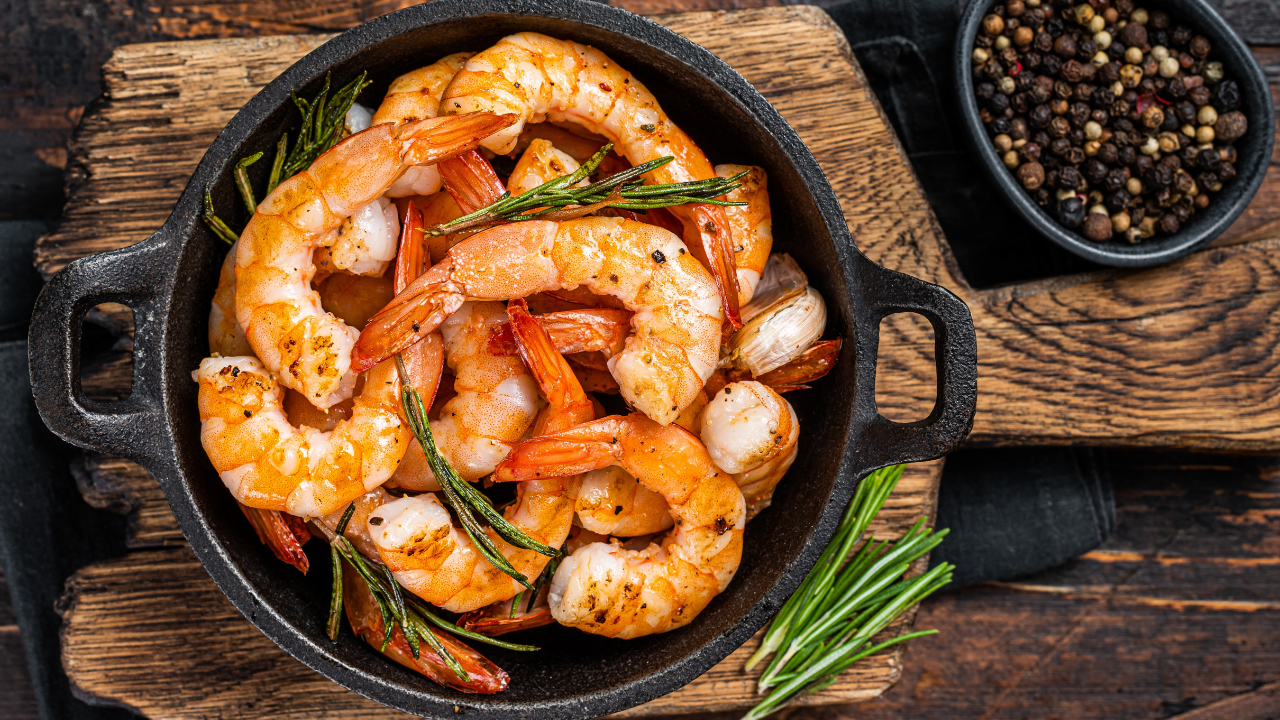
Shrimp is a quick-cooking protein that fits easily into low-carb meals. It is light and works with many flavors, from garlic butter to chili lime or blackened seasoning. Shrimp can be added to salads, tacos, lettuce wraps, stir-fries, skewers, or simple skillet dinners. Since it cooks fast, it is a useful option for busy weeknights. The main thing to watch is cooking time, because shrimp can turn rubbery if left on the heat too long.
8. Kefir
Kefir is a fermented milk drink that provides protein and probiotics. It has a tart flavor and a smooth texture, making it easy to drink on its own or blend into smoothies. Plain kefir is usually the better choice if you want to avoid added sugar. It pairs well with berries, bananas, chia seeds, oats, or nut butter. You can also use it in overnight oats or as a base for creamy dressings and sauces.
9. Edamame
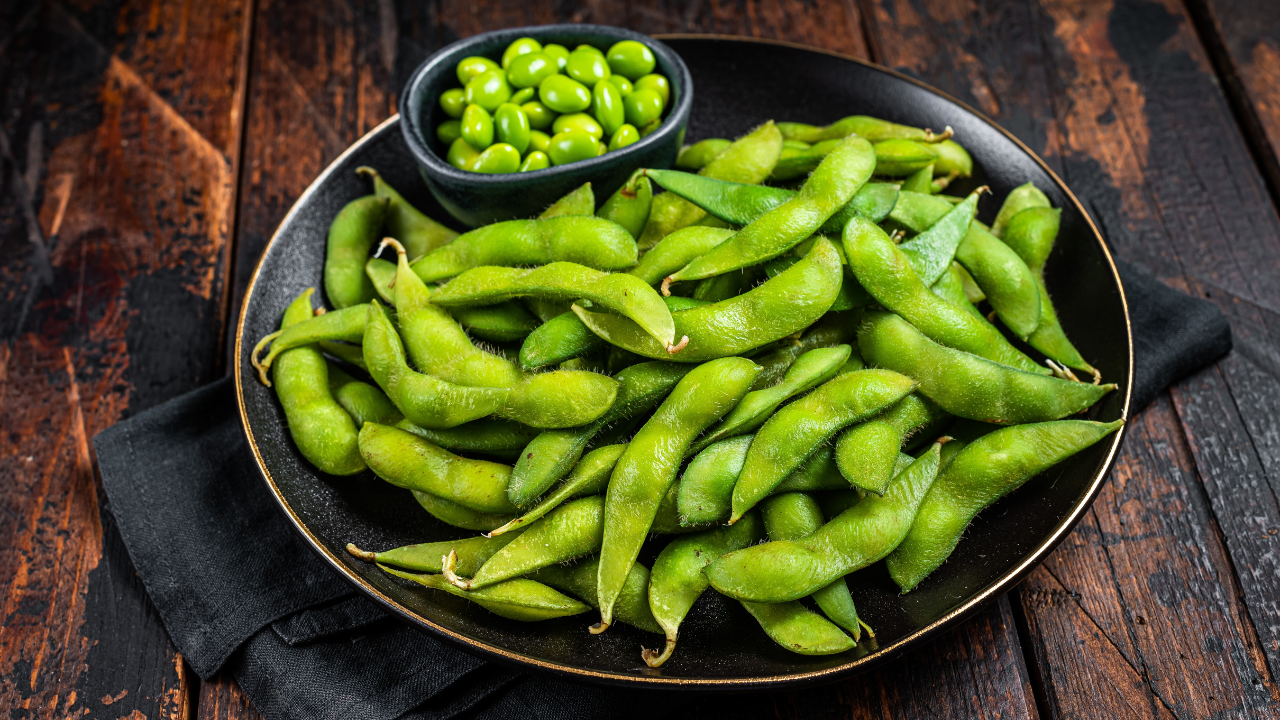
Edamame has both protein and fiber, which makes it especially satisfying. They can be steamed and served with a little salt, or added to salads, rice bowls, and noodle dishes. Their bright green color also makes meals look fresher and more balanced. Edamame has a mild, slightly sweet flavor that works with many seasonings. It is a good plant-based option when you want a snack or a side.
10. Cottage cheese
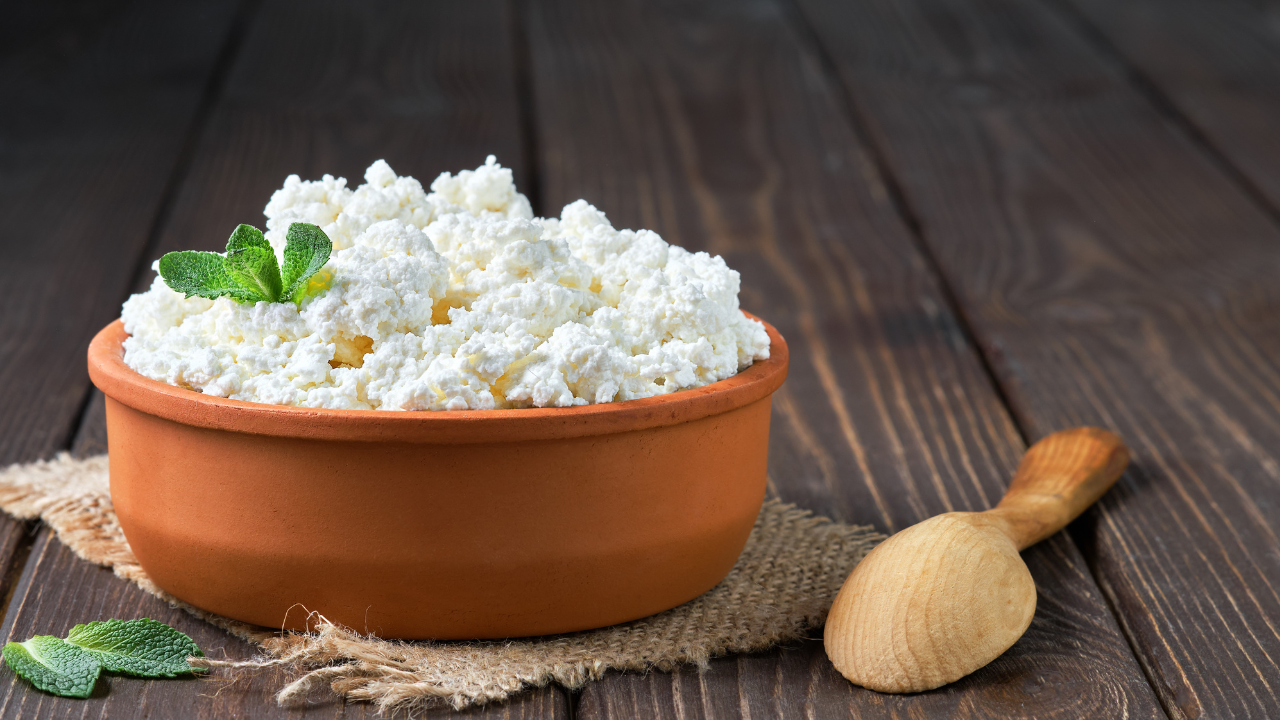
Cottage cheese is a high-protein dairy option that works for breakfast, snacks, or light meals. It can be served with berries, sliced vegetables, toast, pepper, herbs, or a drizzle of olive oil. Some versions include live cultures, which can be helpful for those looking for probiotic foods. Lower-sodium options are a good choice if you are watching salt intake. Cottage cheese also works in recipes like pancakes, dips, lasagna, stuffed peppers, or creamy bowls.
11. Peanuts and peanut butter
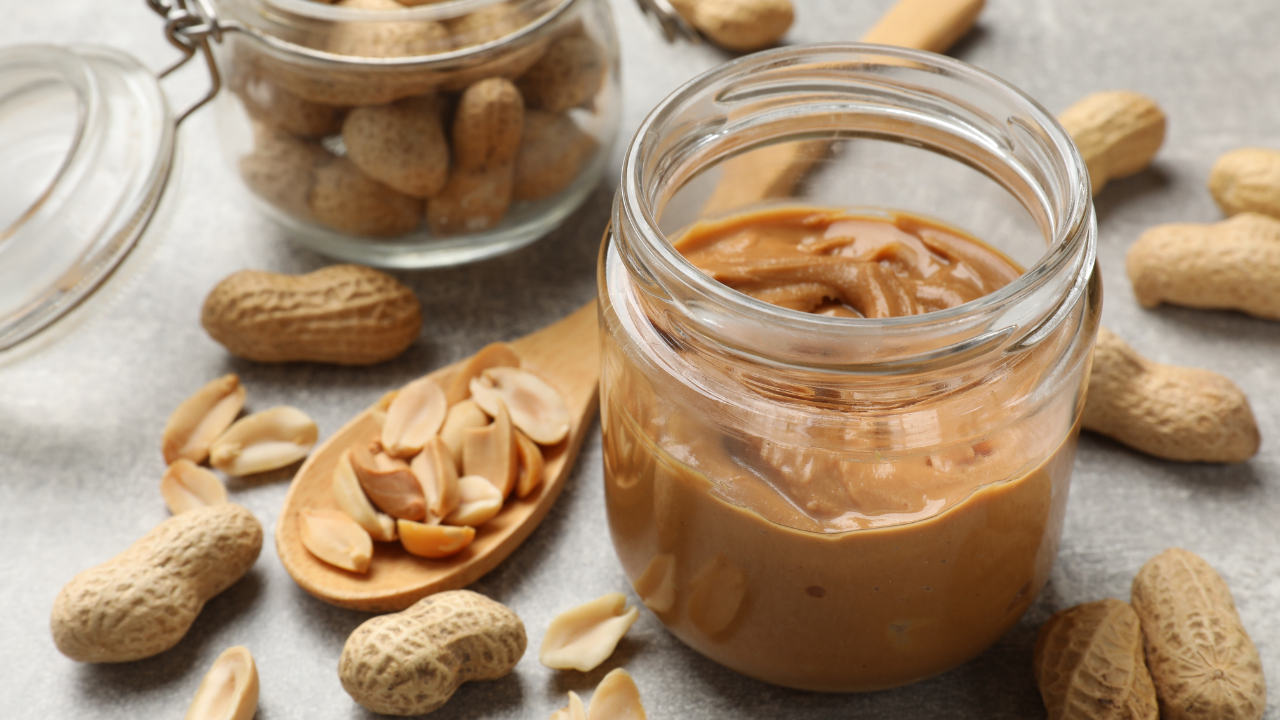
Peanuts and peanut butter provide plant-based protein and healthy fats. Peanut butter works well in smoothies, oatmeal, sauces, snacks, and fruit pairings. Look for versions with simple ingredients, such as peanuts and a small amount of salt. Whole peanuts can be a satisfying snack, especially when paired with fruit or yogurt. Since peanut butter is calorie-dense, a measured spoonful can add richness without taking over the meal.
12. Unsweetened Greek yogurt
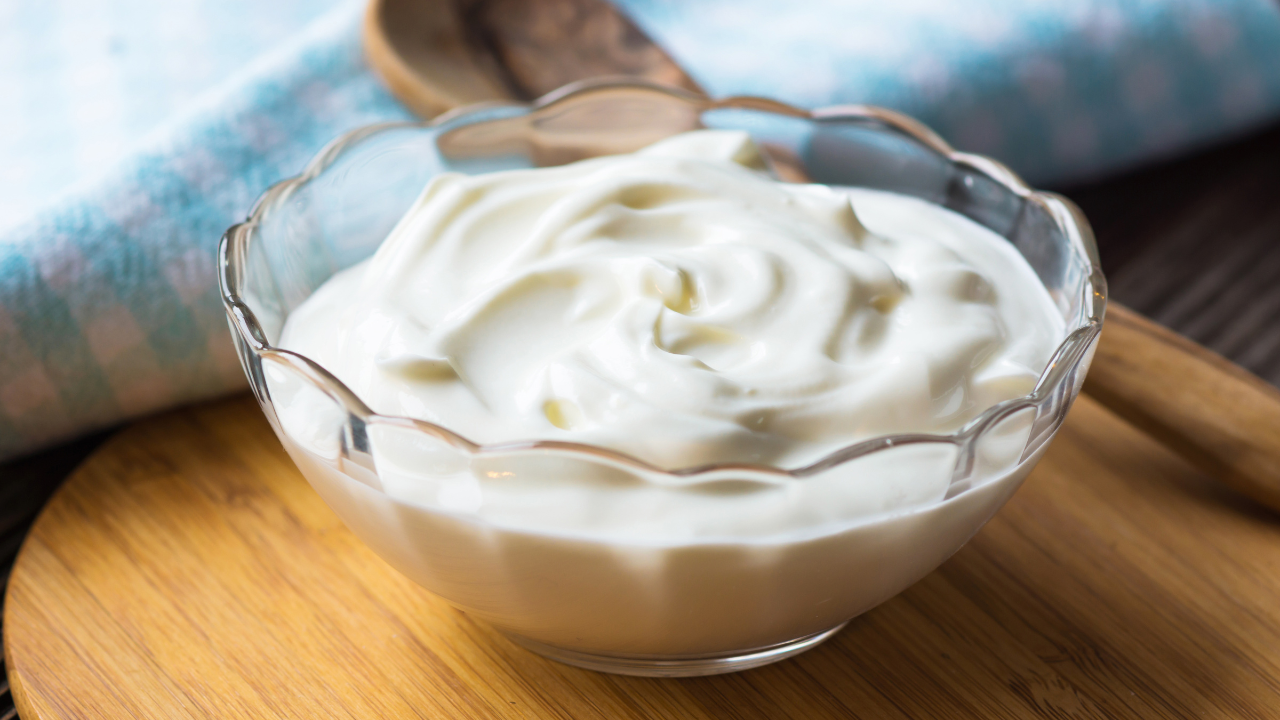
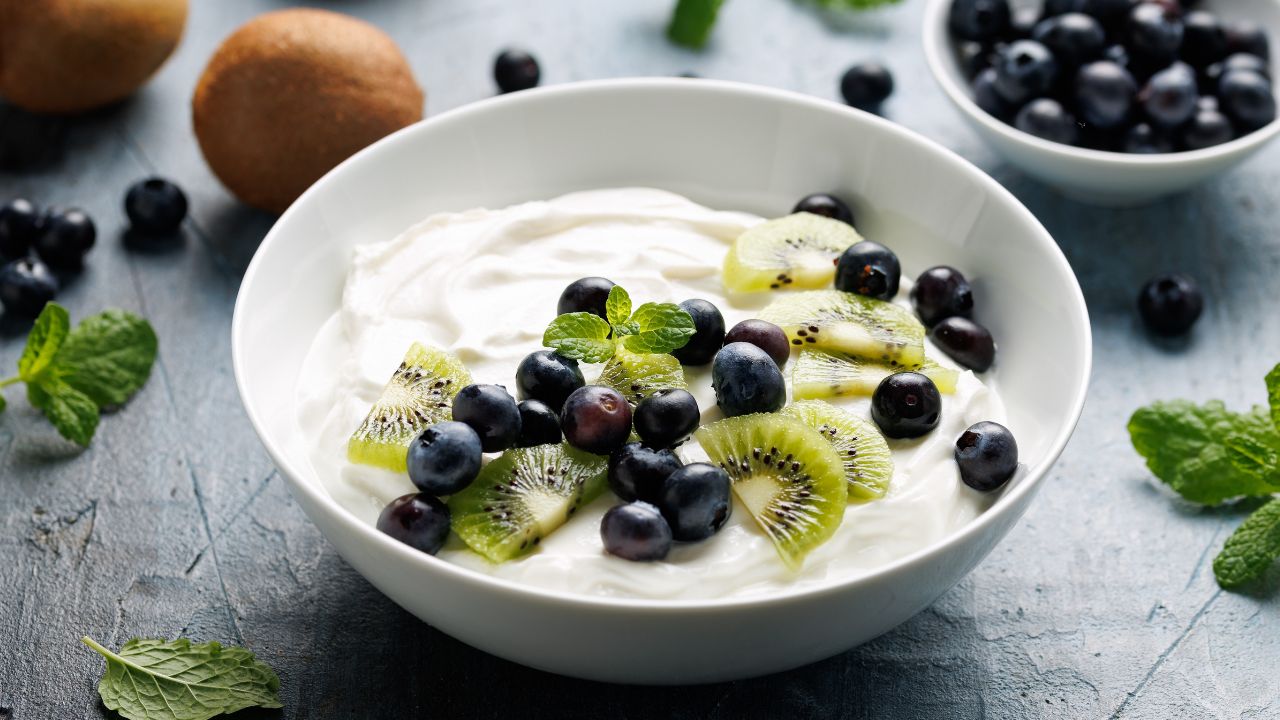
Unsweetened Greek yogurt is thick, creamy, and high in protein. It works well for breakfast bowls, smoothies, dips, dressings, marinades, or as a topping for savory dishes. Choosing plain yogurt helps avoid extra sugar, while fruit or spices can add natural flavor. It also contains probiotics, depending on the brand and live cultures used. Greek yogurt can be a useful swap for sour cream or mayonnaise in some recipes.
13. Plain skyr
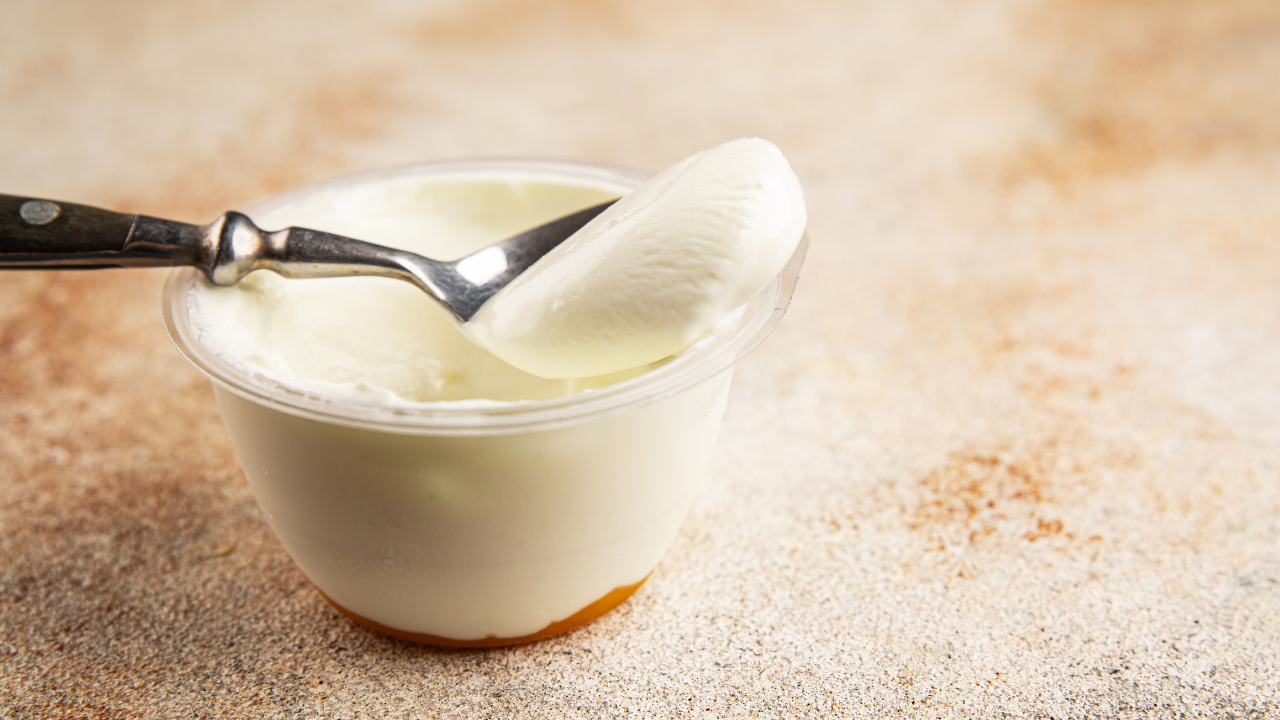
Skyr is an Icelandic-style dairy product that is thick, creamy, and protein-rich. It is similar to Greek yogurt but often has a milder flavor and a denser texture. Plain skyr works well with berries, nuts, seeds, or a small drizzle of honey. It can also be blended into smoothies or used as a creamy base for snacks. Because it is filling, it is a practical option for breakfast or an afternoon bite.
14. Sunflower seeds
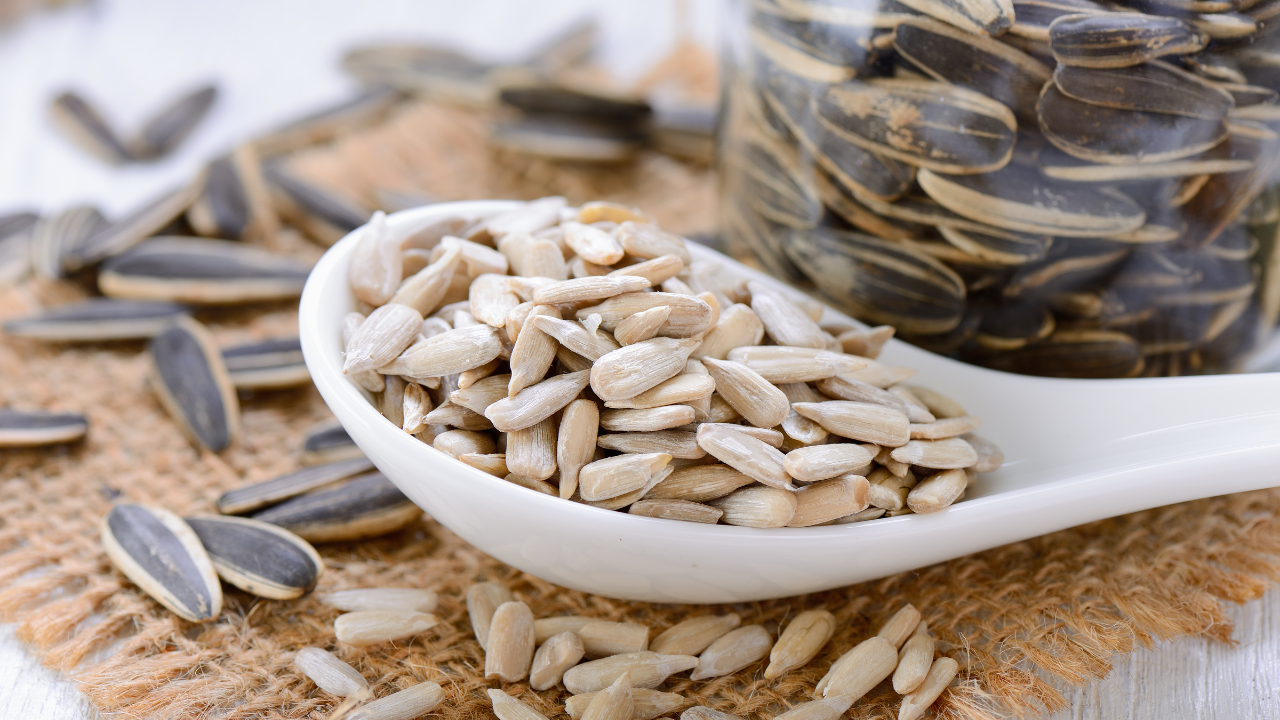
Sunflower seeds add protein, crunch, and antioxidants to meals. They are easy to sprinkle over salads, yogurt, oatmeal, soups, roasted vegetables, or grain bowls. Sunflower seed butter can also work as a nut-free alternative to peanut butter. Unsalted versions are a good choice when you want to manage sodium intake. Their mild, nutty flavor makes them easy to use in both sweet and savory dishes.
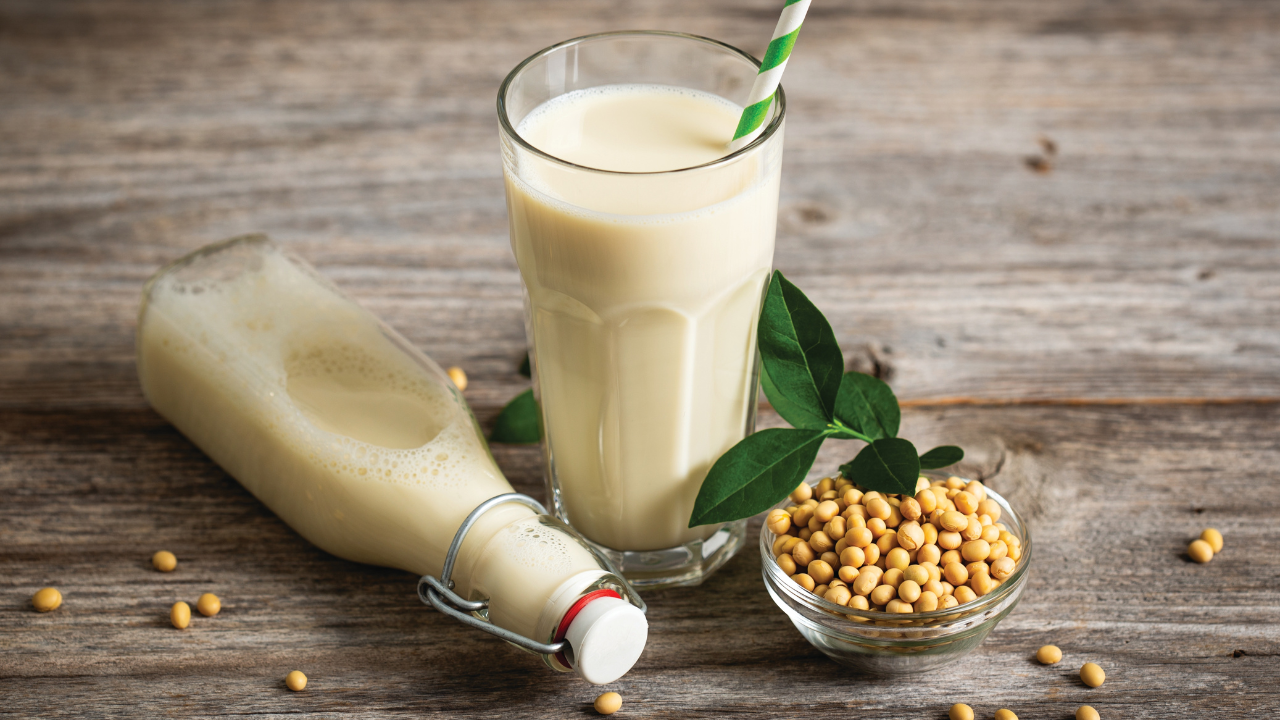
15. Soy milk
Unsweetened soy milk is one of the higher-protein plant-based milk options. It works well in smoothies, cereal, coffee, oatmeal, sauces, or baking. Fortified versions may also provide calcium and vitamin D, depending on the brand. Choosing unsweetened soy milk helps keep added sugar lower. Its neutral flavor makes it easy to use in many everyday meals and drinks.
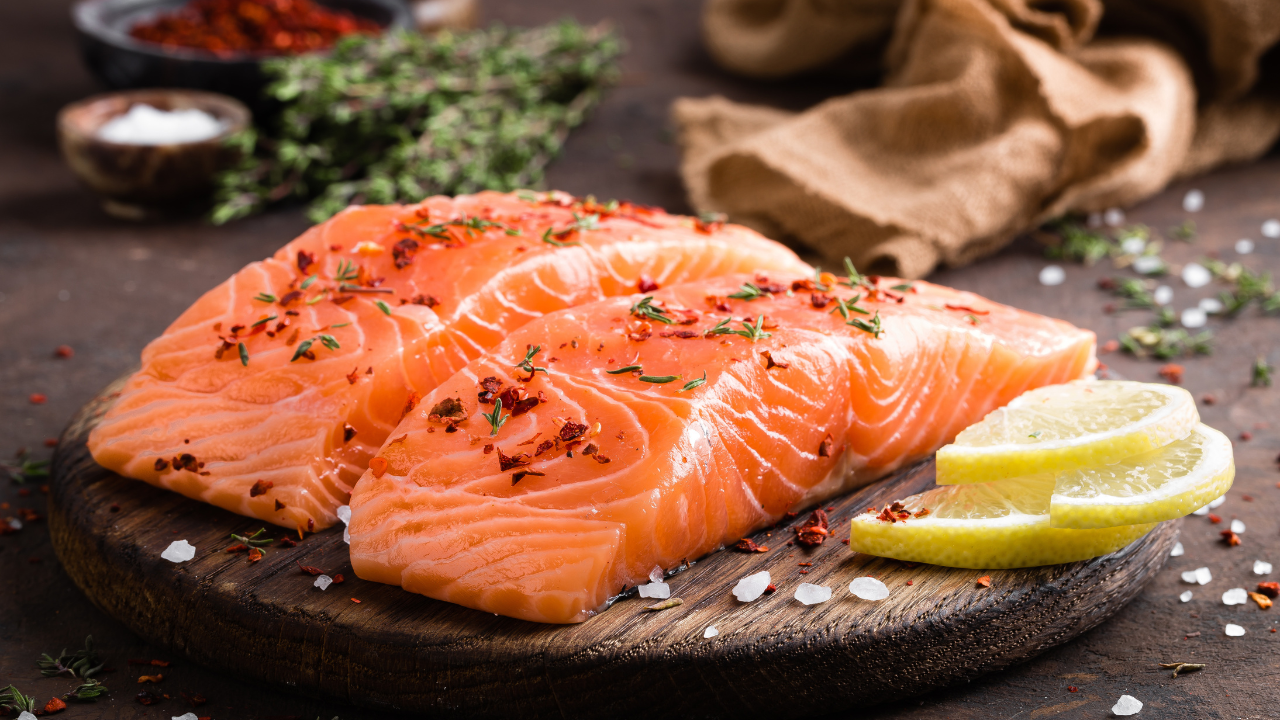
16. Salmon
Salmon is a protein-rich fish that also provides omega-3 fatty acids. It can be baked, grilled, pan-seared, or added to salads and bowls. The flavor is rich enough to stand on its own, but it also pairs well with lemon, herbs, garlic, mustard, or soy-based sauces. Salmon works for quick weeknight meals because it cooks faster than many cuts of meat. Serve it with vegetables, salad, or a simple side for a balanced plate.
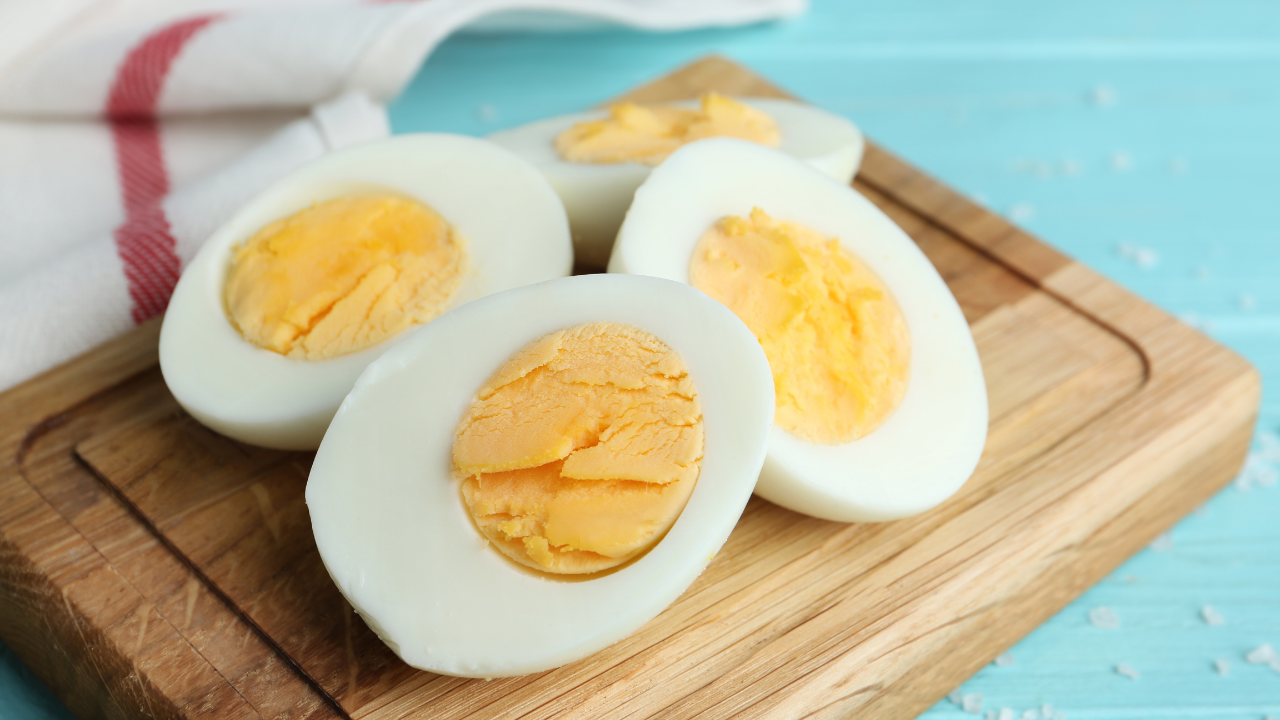
17. Hard-boiled eggs
Hard-boiled eggs are simple, affordable, and easy to prepare. They provide protein along with nutrients such as choline, which supports several body functions. Keep them in the fridge for quick snacks, breakfast plates, lunch boxes, or salad toppings. They can also be sliced onto toast, chopped into egg salad, or served with vegetables. They are portable and filling, and a really good source of high protein.
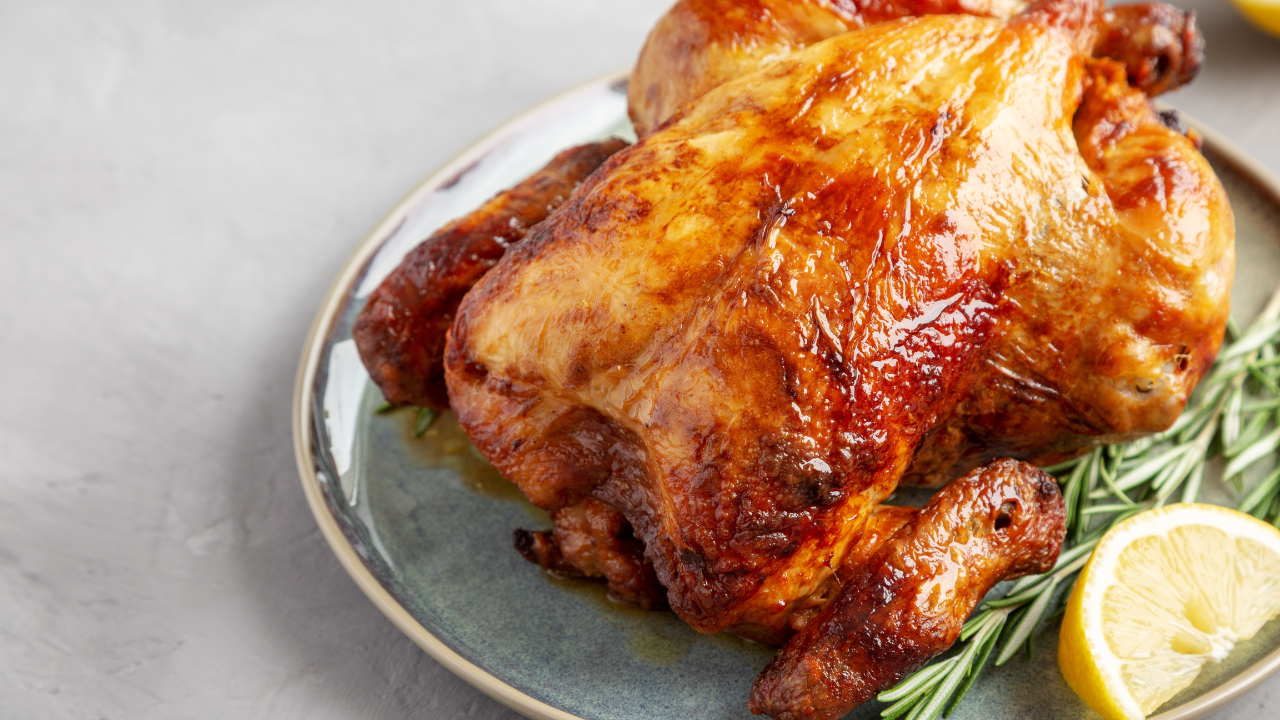
18. Rotisserie chicken
Rotisserie chicken is a convenient protein option for quick meals. It can be shredded or diced into salads, soups, wraps, bowls, casseroles, or lettuce cups. Removing the skin can make it leaner, depending on your preference. It saves time because the cooking is already done, which is useful on busy nights. A single chicken can often stretch across several meals if paired with vegetables, sauces, or simple sides.
19. Hemp seeds
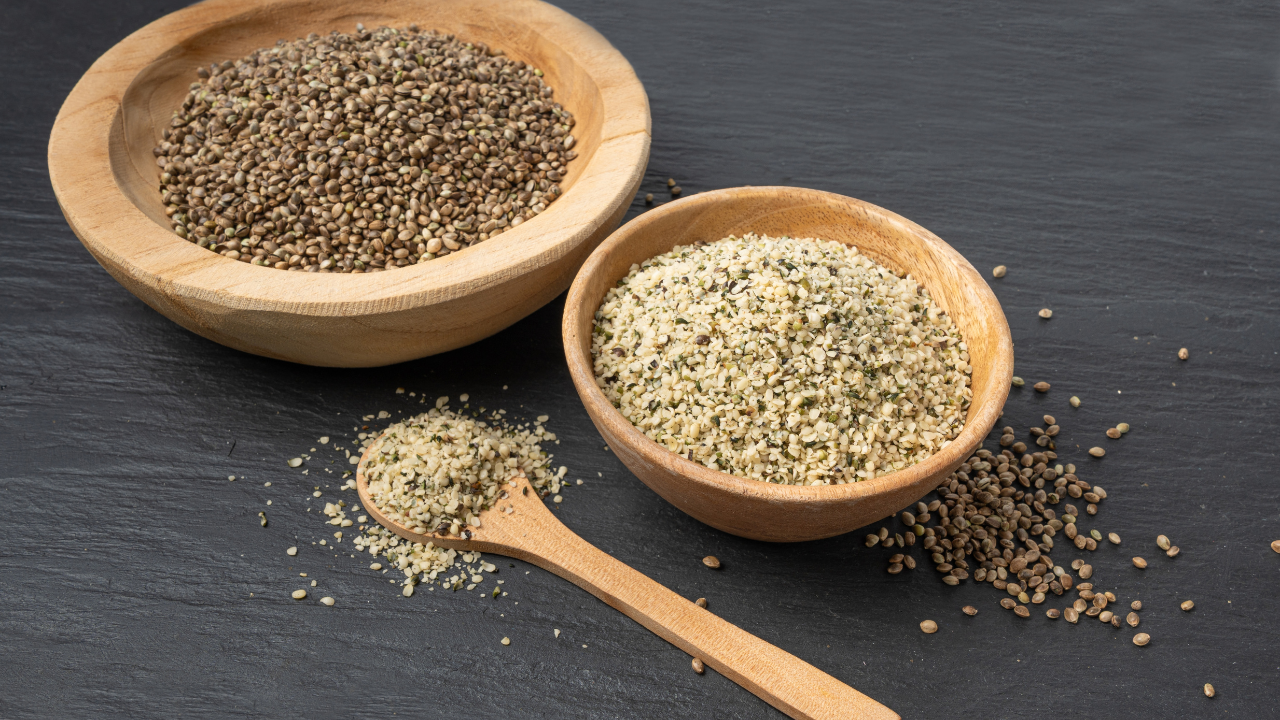
Hemp seeds are small but nutrient-dense, with protein, minerals, and a mild nutty flavor. They can be sprinkled over yogurt, oatmeal, salads, smoothies, soups, or roasted vegetables. They do not need cooking, which makes them easy to add at the last minute. Their soft texture blends well into many foods without changing the dish too much. They are a simple way to add more protein and nutrients to everyday meals.
20. Almonds
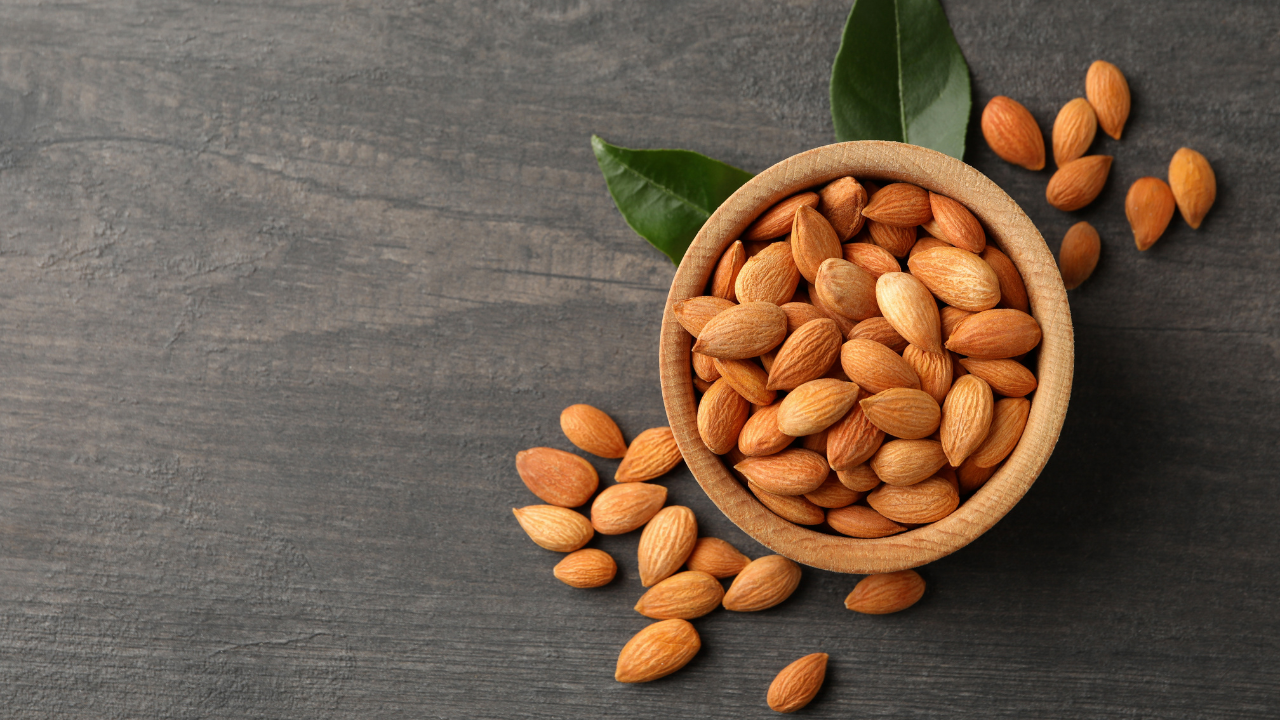
Almonds offer protein, fiber, and healthy fats in a convenient snack. They also provide vitamin E, an antioxidant linked with overall wellness. Almonds can be eaten on their own or added to yogurt, oatmeal, salads, roasted vegetables, or homemade trail mix. Sliced or chopped almonds are especially good when you want crunch without adding a heavy topping. Like other nuts, they are filling, so a small portion can go a long way.
21. Tuna
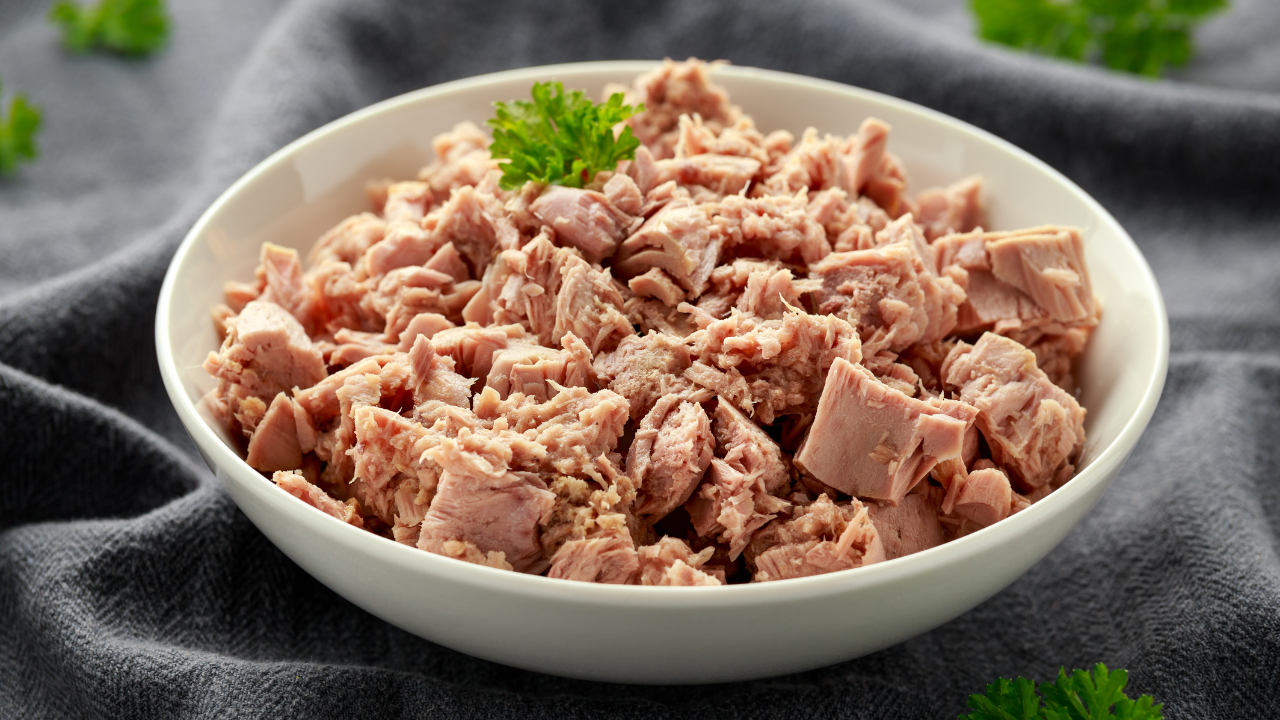
Canned tuna is an easy way to add protein to a quick meal without adding carbs. A 3-ounce serving can provide about 20 grams of protein, making it helpful for lunches, snacks, or simple dinners. It works well in salads, lettuce wraps, sandwiches, or served with crackers and sliced vegetables. For more flavor and creaminess, mix it with olive oil, avocado, or plain Greek yogurt instead of heavy dressing. Tuna pouches can also be convenient when you need a portable option for a busy day.
22. Roasted chickpeas
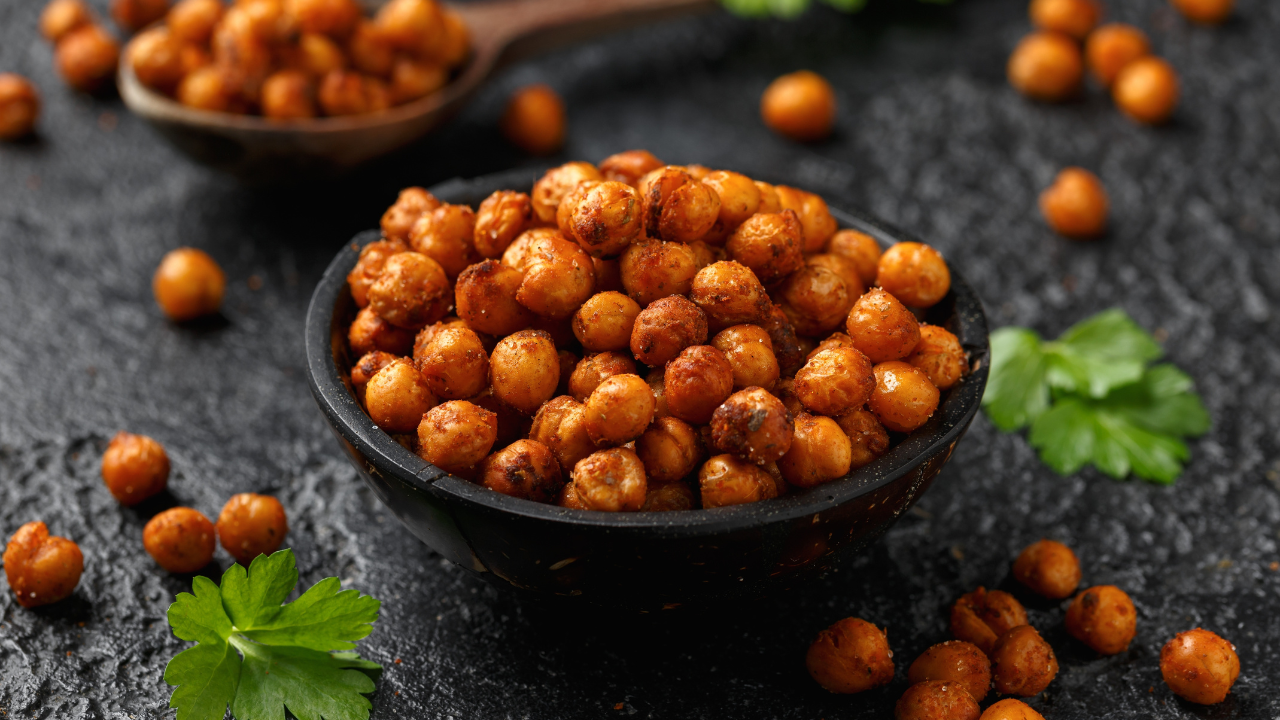
Roasted chickpeas are a crunchy snack that brings both protein and fiber. They are higher in carbs than some other foods on this list, but the fiber helps make them more filling. Chickpeas also contain prebiotic fiber, which supports beneficial gut bacteria as part of a balanced diet. Roast them with spices such as paprika, cumin, garlic powder, or black pepper for more flavor. They can be eaten on their own or added to salads and bowls for extra crunch.
23. Protein bars
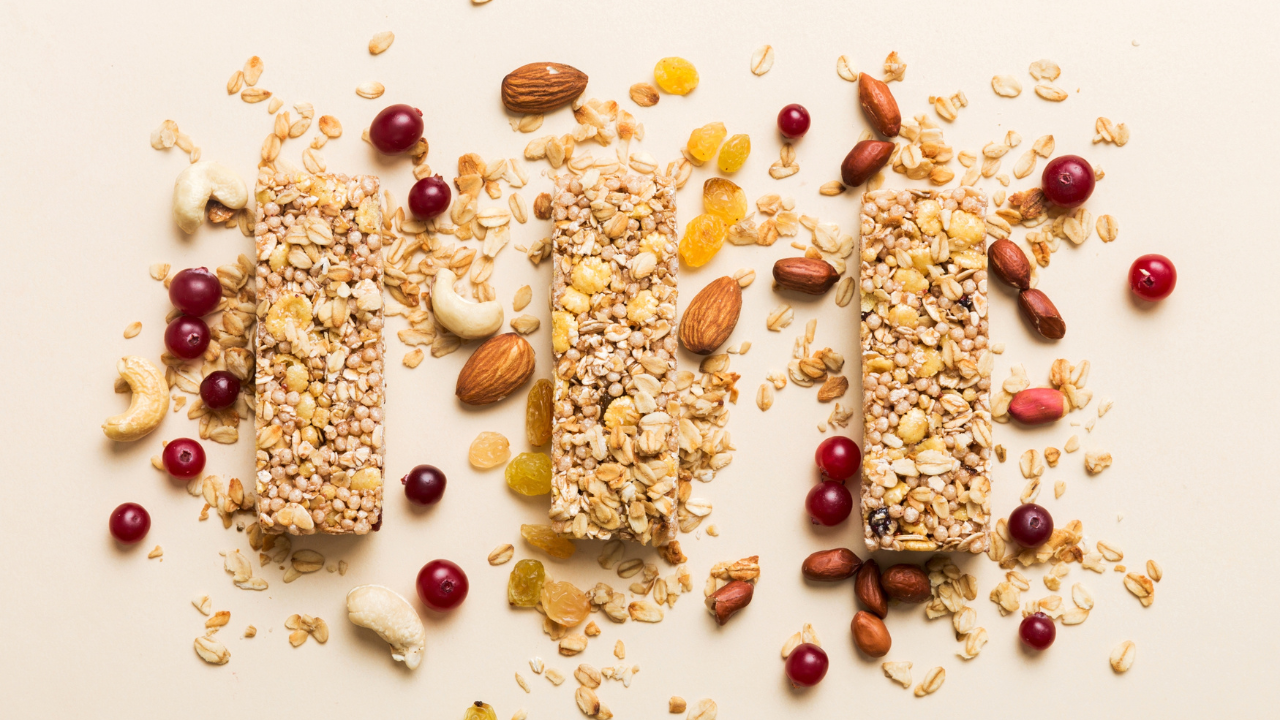
Protein bars can be convenient when you need something quick, but the ingredients matter. Some bars contain a lot of added sugar, so it is worth checking the label before choosing one. Look for options that list nuts, seeds, egg whites, or legume-based flour near the top of the ingredient list. Lower-sugar bars may use sugar alcohols, which can bother digestion for some people. A good protein bar should feel like a practical snack, not a replacement for balanced meals all the time.
24. Part-skim mozzarella cheese
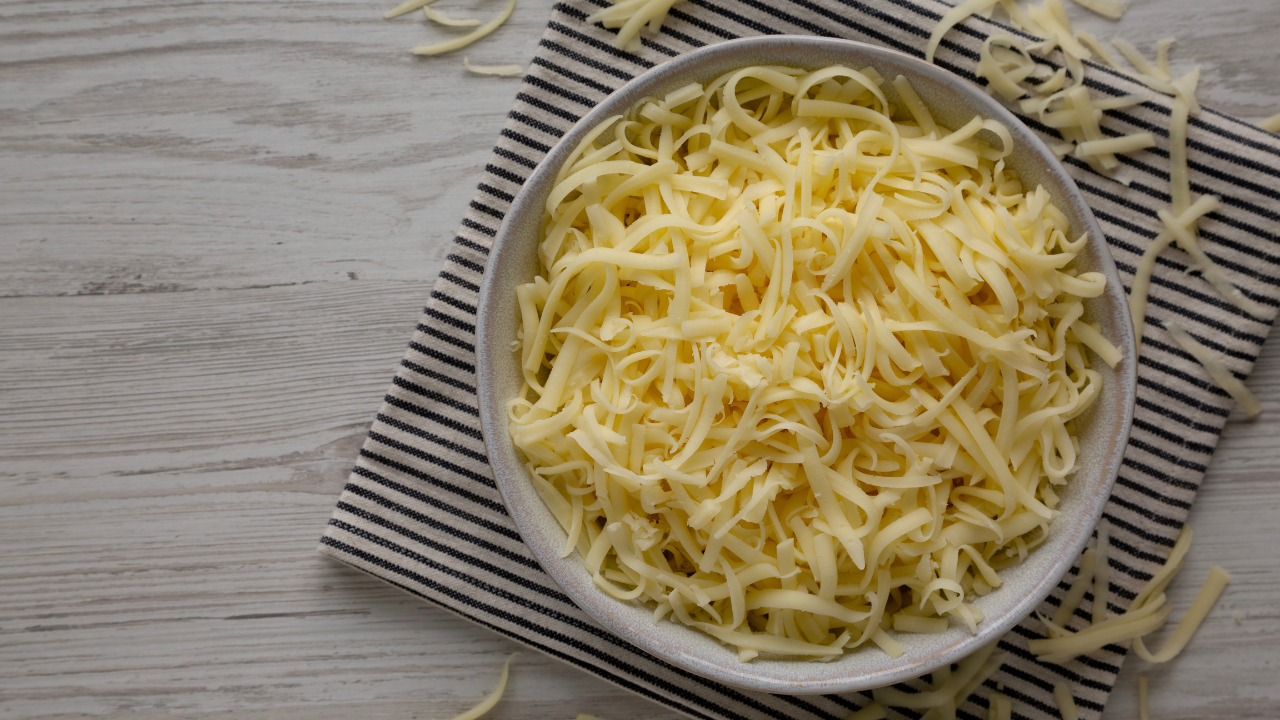
Part-skim mozzarella cheese can add protein, calcium, and creaminess to meals without many carbs. A slice can provide around 5 grams of protein, while larger portions can add more depending on the dish. It works well in omelets, salads, wraps, baked vegetables, or simple snack plates. If cheese is the main protein in the meal, you may need a slightly larger serving than if it is only added for flavor. Its mild taste makes it easy to pair with eggs, tomatoes, herbs, and lean proteins.
25. Pumpkin seeds
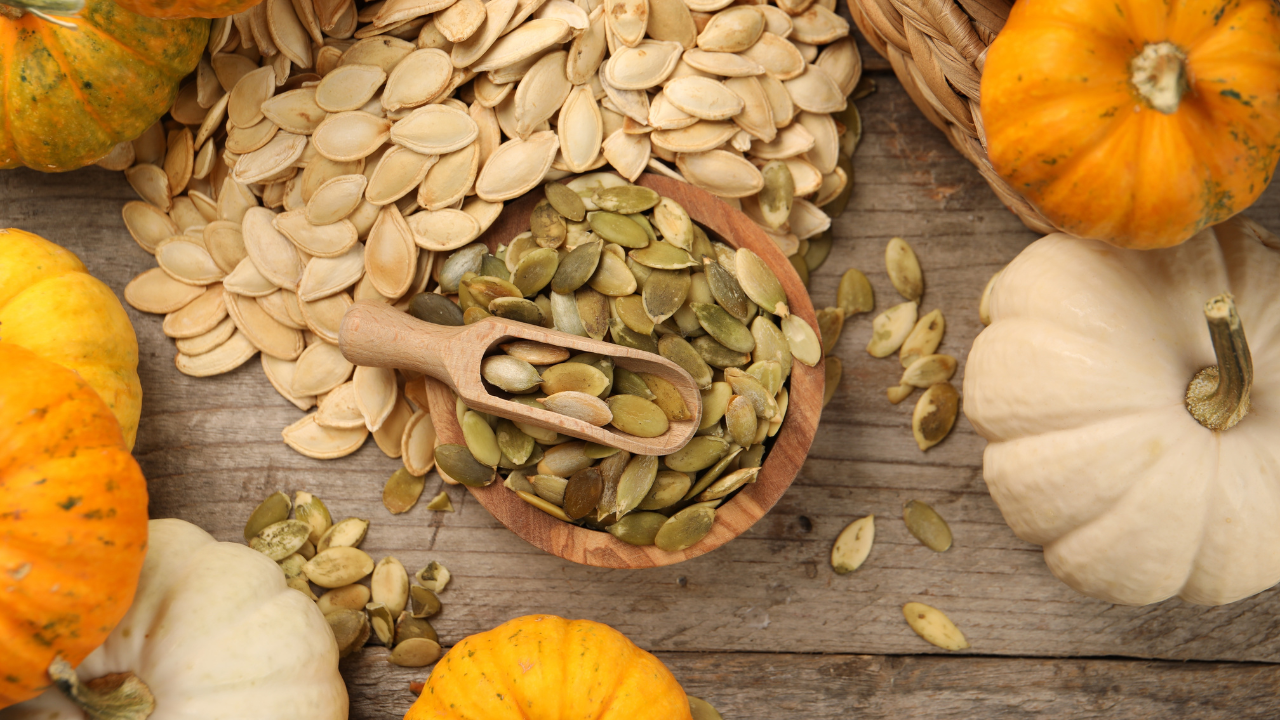
Pumpkin seeds are a nutrient-dense snack with protein, magnesium, zinc, and iron. They can be eaten roasted on their own or sprinkled over salads, soups, yogurt, grain bowls, and baked goods. Toasting them lightly brings out a richer, nuttier flavor. You can season them with spices such as chili powder, cinnamon, paprika, or garlic powder, depending on the dish. They are small but filling, so a measured portion can add crunch and nutrients without much effort.
Comments (0)
No comments yet. Be the first to share your thoughts!