Food habits in the 1950s were shaped by convenience, social norms, limited exposure to global cuisines, and a preference for mild flavors. Many common ingredients today were once seen as unusual, too strong, or difficult to use in everyday home cooking. Some were avoided because families did not know how to prepare them, while others carried cultural associations that made them feel unfamiliar. Over time, immigration, travel, grocery expansion, and changing health trends helped reshape American eating habits. These foods show how quickly tastes can change when people become more familiar with new ingredients and cooking traditions.
1. Garlic
© Shutterstock / New Africa
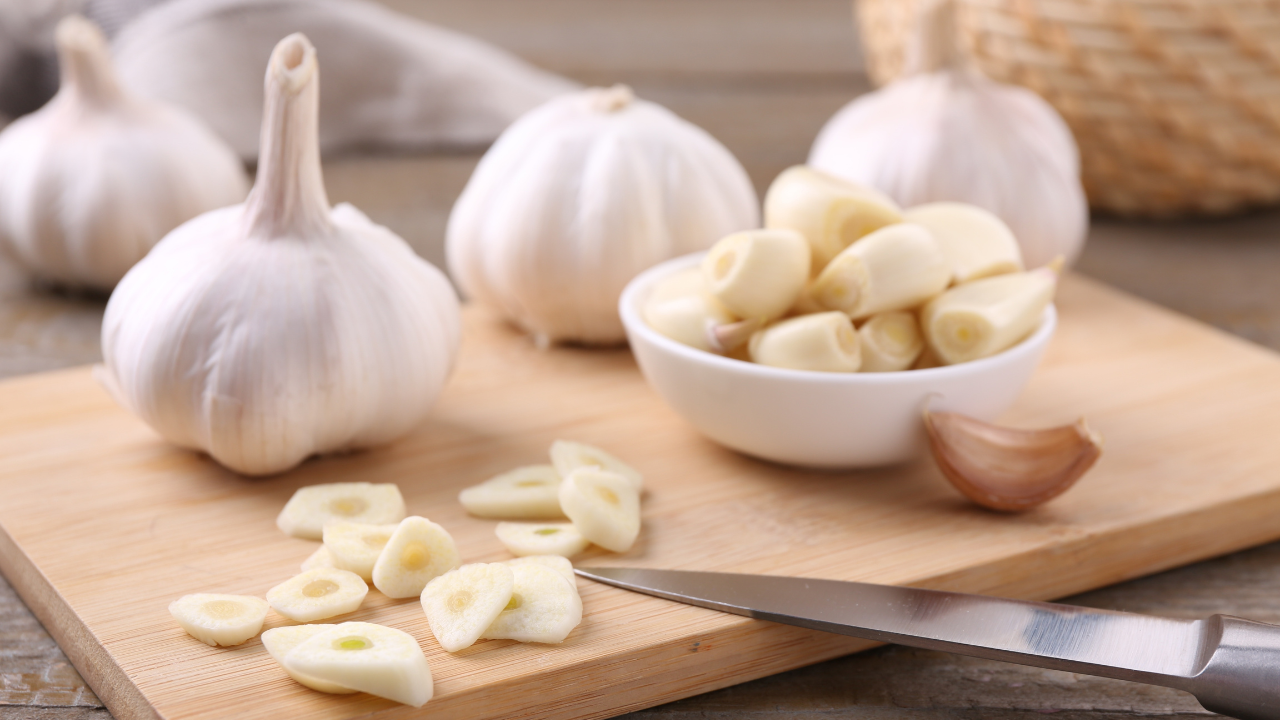
Garlic was often used cautiously in many American homes during the 1950s. Its strong aroma did not always match the milder flavor profile that many families preferred at the time. Some households associated garlic with foreign cooking, which made it seem too bold for ordinary dinners. Cookbooks from the era often leaned toward gentle seasoning instead of strong aromatics. Today, garlic is widely used in sauces, soups, marinades, and roasted dishes, making its earlier reputation seem surprising.
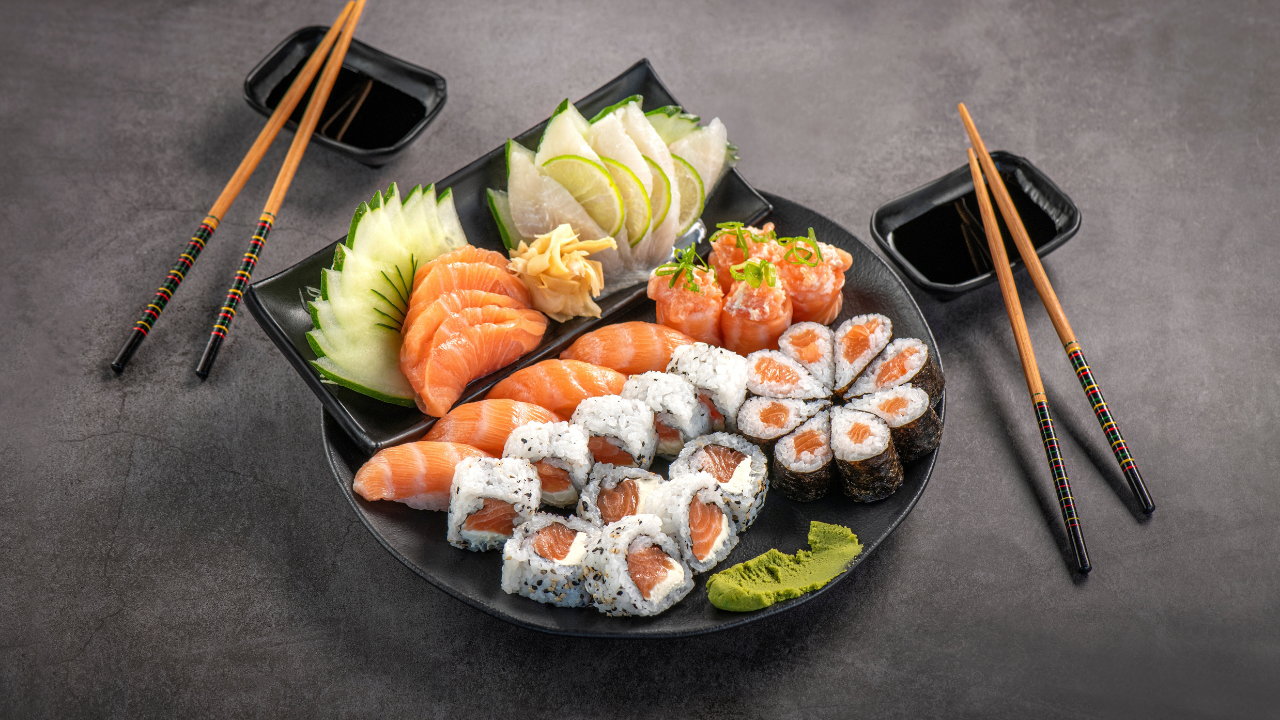
2. Sushi and Raw Fish
© Shutterstock / AntAlexStudio
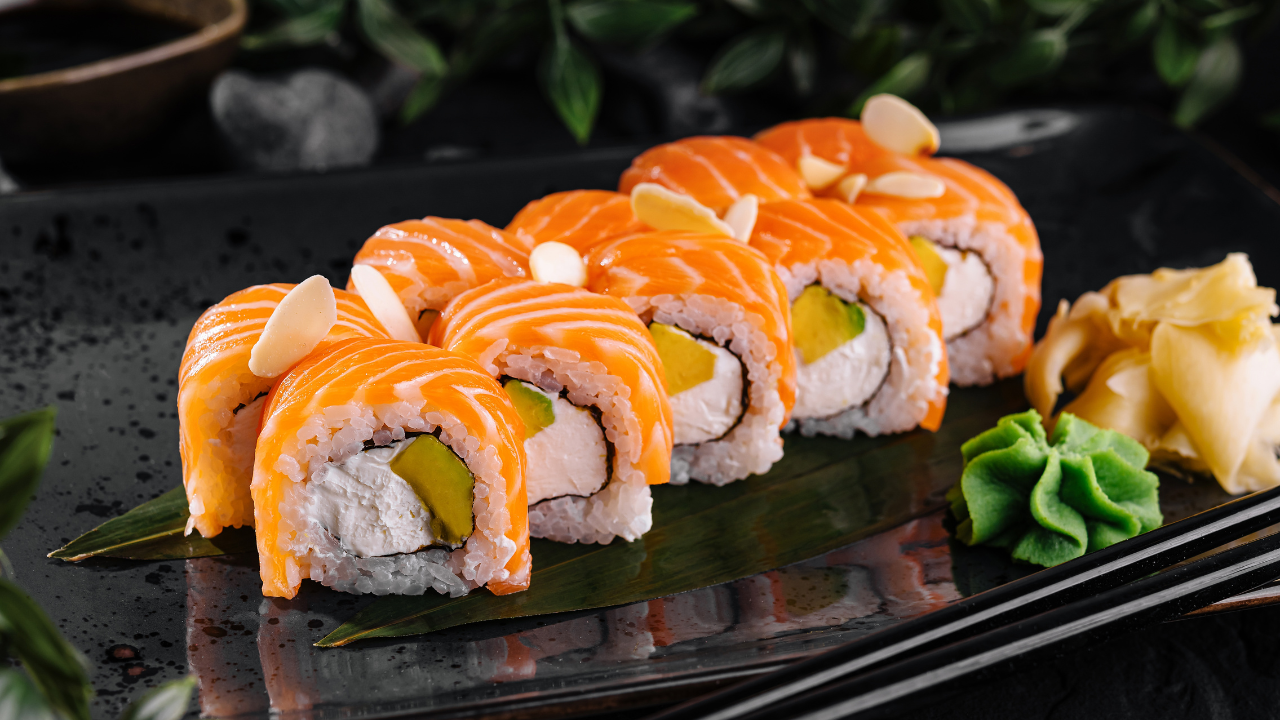
Sushi and raw fish were uncommon in most American homes during the 1950s. Many families were unsure about eating uncooked seafood, especially when refrigeration and food safety concerns were still part of everyday decision-making. Japanese cuisine was also less familiar to many Americans at the time, which added to the hesitation. Cooked and processed foods often felt more dependable. As cultural exchange grew and Japanese restaurants became more common, sushi moved from being unfamiliar to becoming a popular dining choice.
3. Avocados
© Shutterstock / Liudmyla Chuhunova
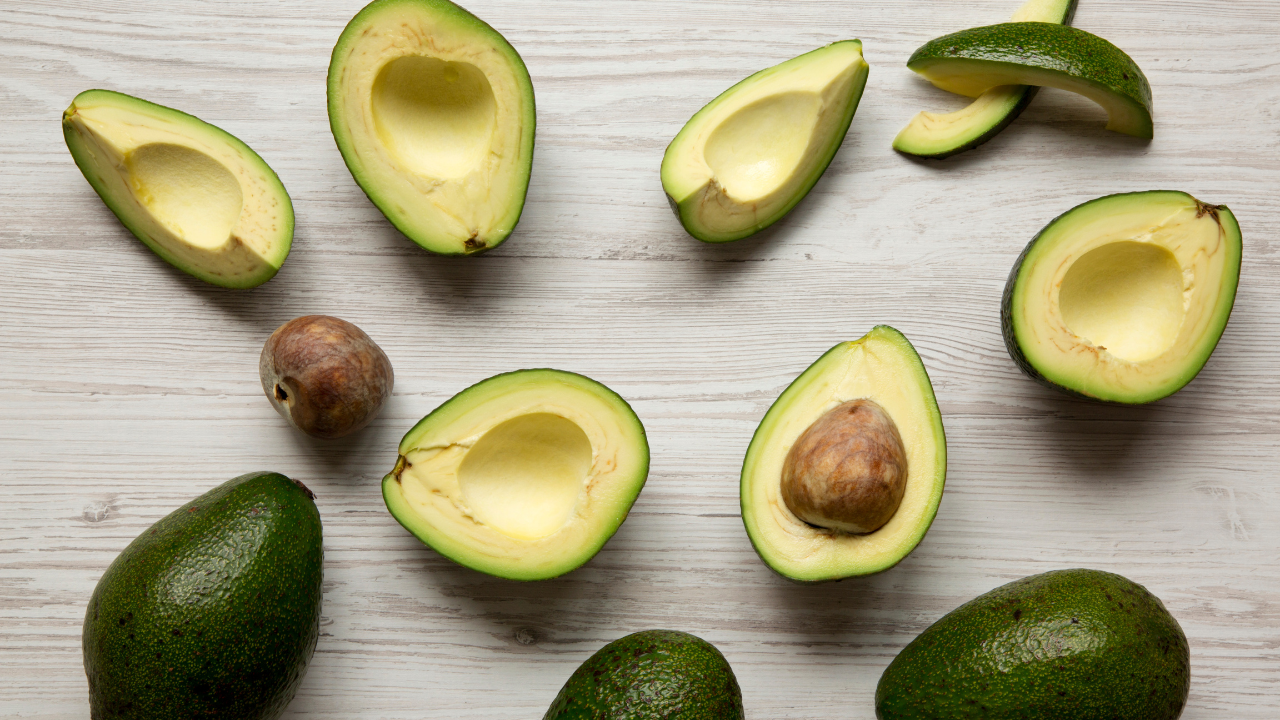
Avocados were not a regular grocery item for many families in the 1950s. Their creamy texture and mild flavor felt unusual to people who were more familiar with potatoes, carrots, canned vegetables, and standard garden produce. Distribution was also more limited, so many households did not see avocados often. Early marketing sometimes had to explain how to use them in meals. Over time, Mexican cuisine, health trends, and modern brunch culture helped avocados become a common ingredient in salads, sandwiches, dips, and toast.
4. Kimchi
© Shutterstock / Natasha Breen
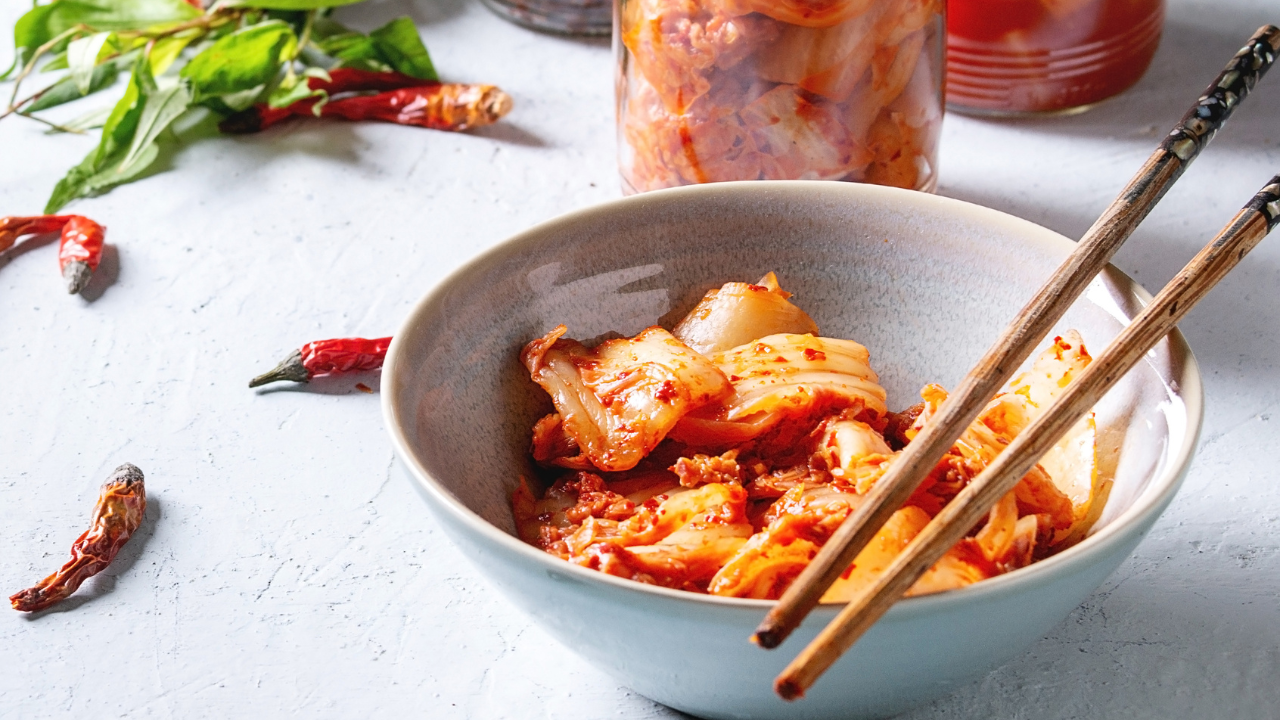
Kimchi and other fermented foods were unfamiliar to many American families during the 1950s. The strong smell, bold flavor, and fermentation process did not fit easily into the mild and predictable food habits of the period. Some people misunderstood fermentation and associated it with spoilage rather than preservation. Limited exposure to Korean food also kept kimchi outside most household routines. Today, it is widely recognized for its flavor, versatility, and role in Korean cuisine, and it appears in everything from traditional meals to fusion dishes.
5. Spicy Foods
© Shutterstock / New Africa
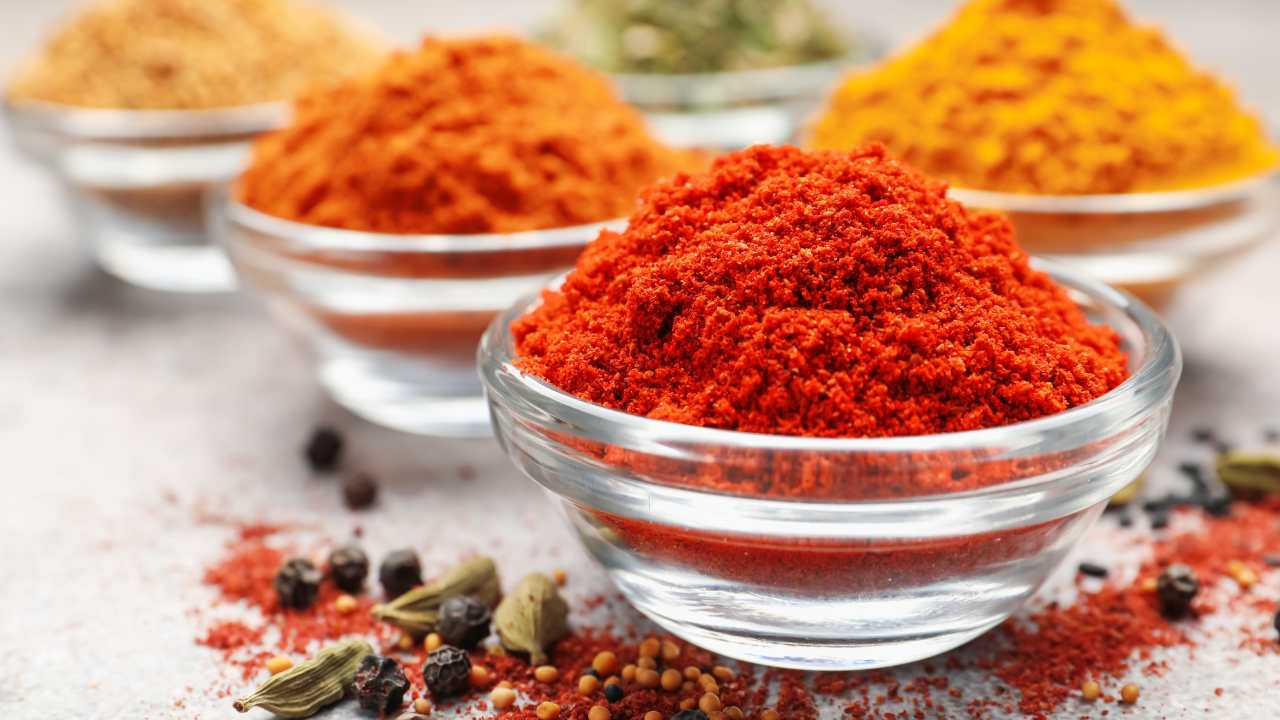
Spicy foods were often avoided in 1950s family meals because many households preferred gentle seasoning. Strong heat from peppers was sometimes linked to unfamiliar cuisines and was not widely accepted in everyday cooking. Many recipes leaned on salt, pepper, butter, and mild herbs rather than bold spice blends. This made spicy dishes feel too intense for some diners. As global cuisines became more accessible, Americans grew more comfortable with heat, and spicy foods became common in restaurants, snacks, sauces, and home kitchens.
6. Mushrooms
© Shutterstock / Erhan Inga
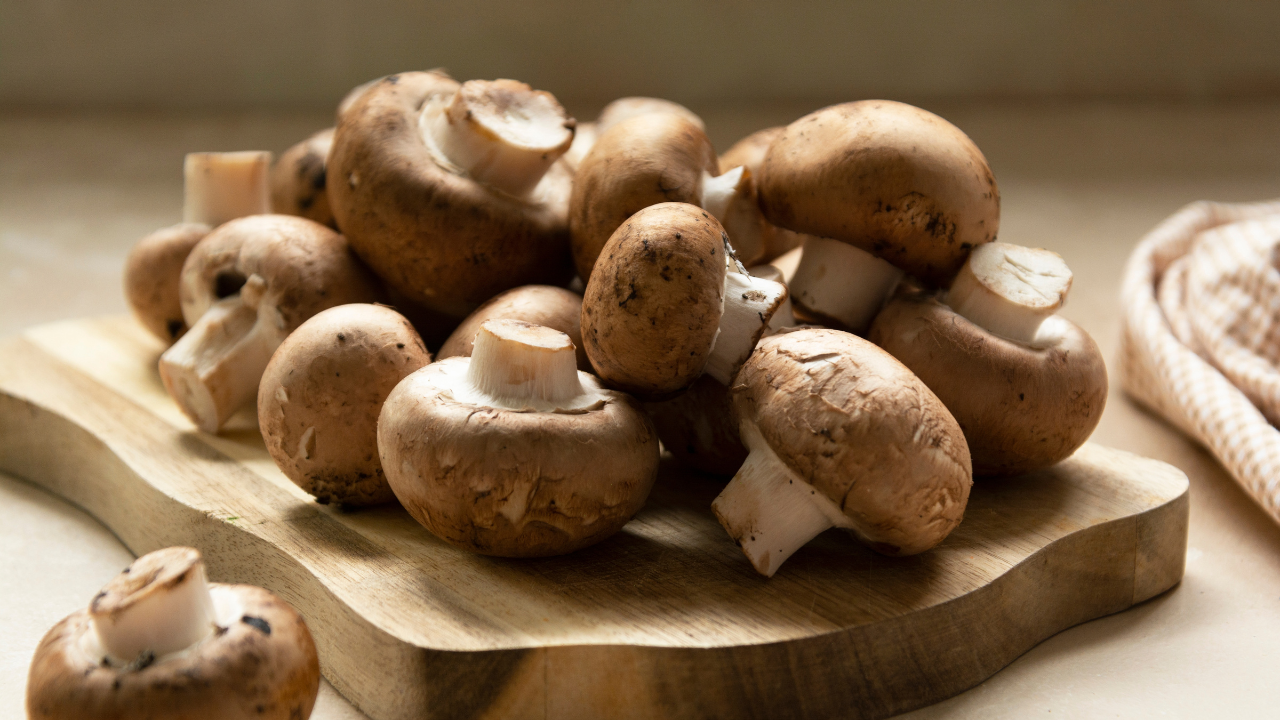
Mushrooms were viewed with uncertainty in some 1950s kitchens. Their appearance, texture, and connection to foraging made certain families cautious, especially if they were unfamiliar with cultivated varieties. Grocery options were also less varied than they are today, which limited regular exposure. Concerns about wild mushrooms added to the hesitation, even when safe grocery mushrooms were available. As supply chains improved and cooking styles expanded, mushrooms became common in soups, sauces, stir-fries, pizzas, and plant-based meals.
7. Yogurt
© Shutterstock / Liudmyla Chuhunova
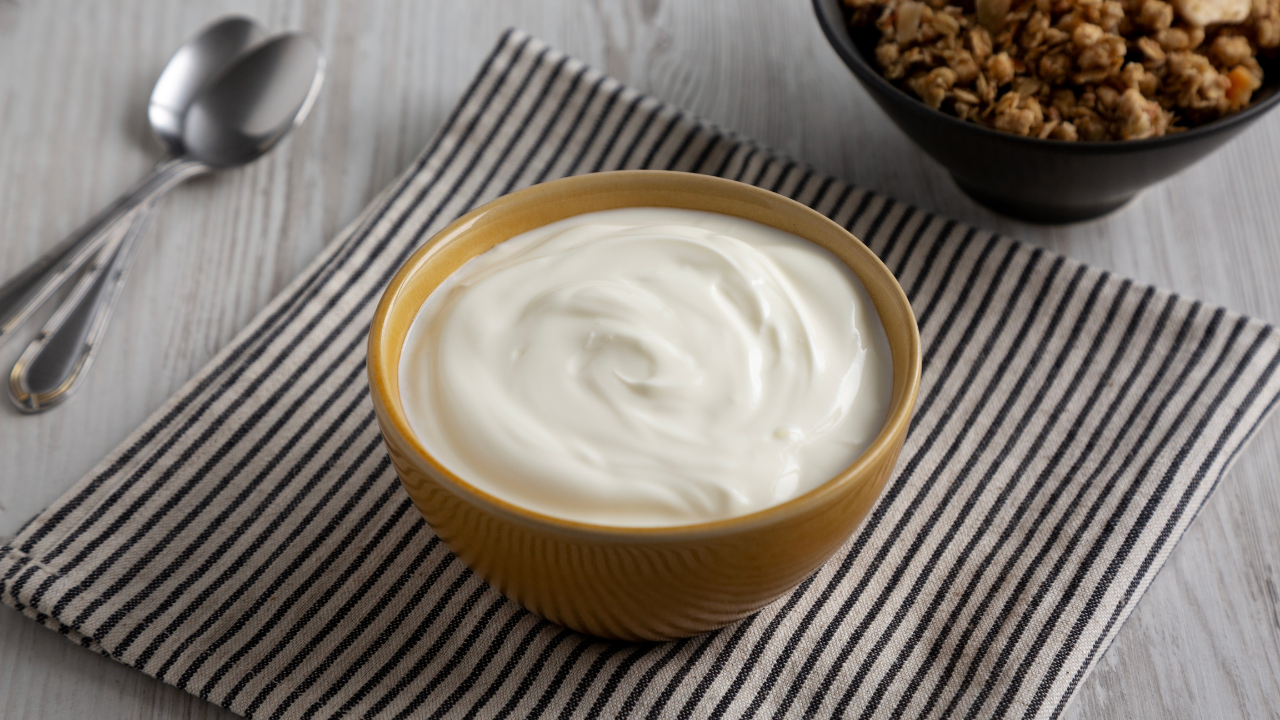
Yogurt was not yet a mainstream snack in many American households during the 1950s. Its tangy flavor and smooth texture were unfamiliar to people who were more used to milk, pudding, ice cream, and sweetened dairy products. It was often viewed as a specialty or ethnic food rather than an everyday item. Limited grocery availability and marketing also slowed its acceptance. Later health trends, fruit-flavored varieties, and interest in probiotics helped yogurt become a common breakfast, snack, and smoothie ingredient.
8. Tofu
© Shutterstock / Mironov Vladimir
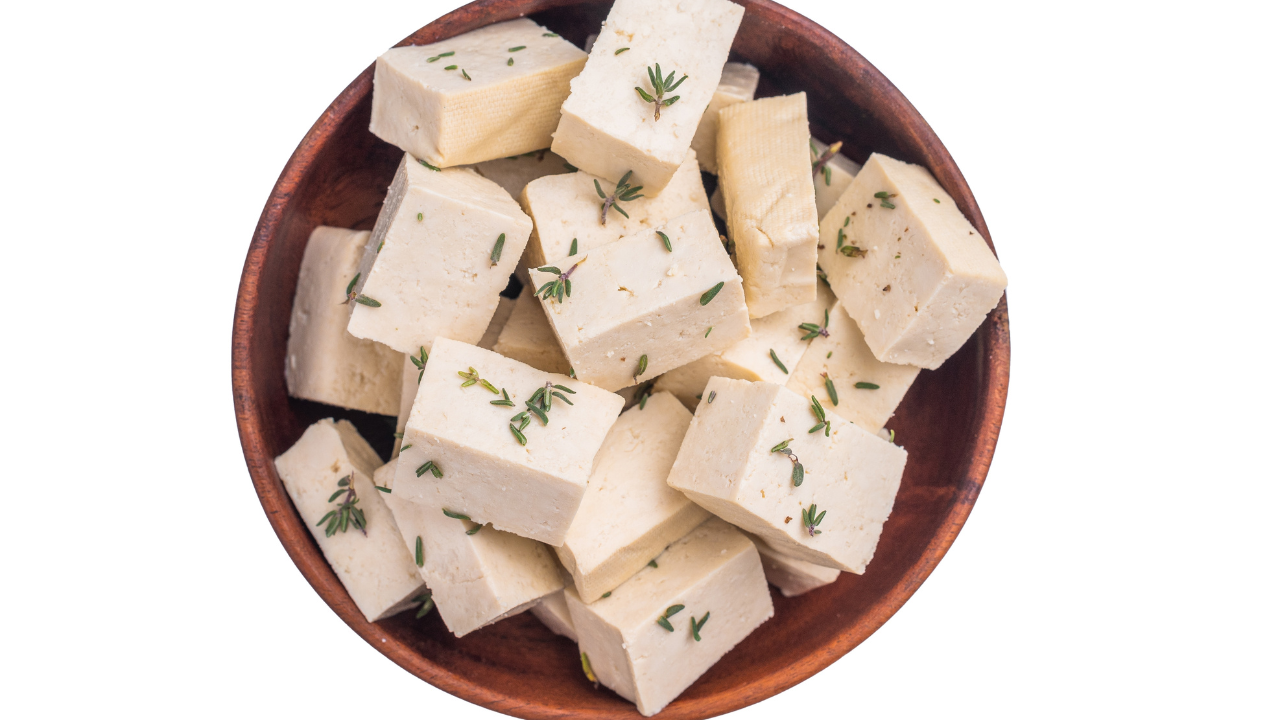
Tofu was rarely used in typical 1950s American cooking. Many families did not know how to prepare it, and its soft texture and neutral flavor made it hard to understand within meat-centered meal habits. Plant-based proteins were not widely discussed in mainstream food culture at the time. Tofu was more likely misunderstood than actively rejected. As Asian cuisines became more familiar and vegetarian cooking grew, tofu gained a stronger place in American kitchens as a flexible ingredient for stir-fries, soups, salads, and meatless meals.
9. Olive Oil
© Shutterstock / sweet marshmallow
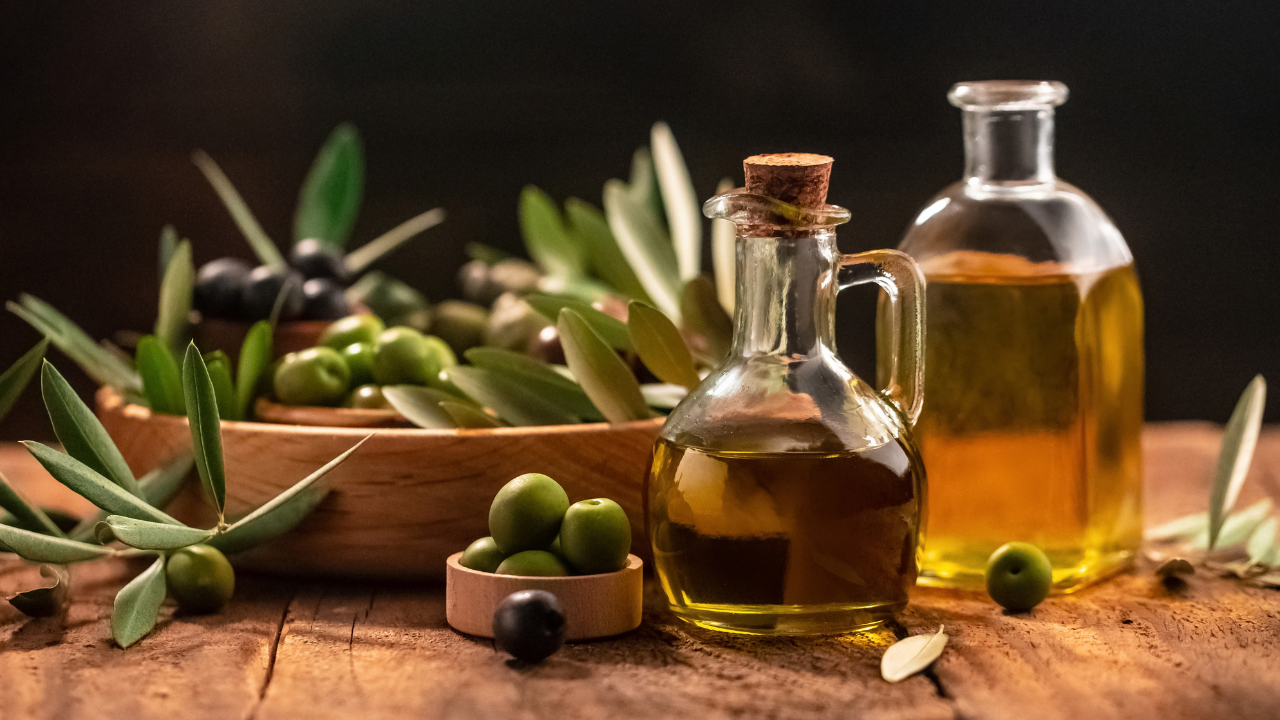
Olive oil was not a standard cooking fat in many 1950s American homes. Butter, shortening, and margarine were more common in everyday cooking and baking. Olive oil was often associated with Mediterranean dishes, which were less familiar to many families at the time. Even when it was available, home cooks did not always know how to use it beyond specific recipes. Later interest in Mediterranean cooking and heart-conscious eating helped olive oil become a regular ingredient for salads, sautéing, roasting, and baking.
10. Raw Salad Greens
© Shutterstock / Mykolal Mykolal
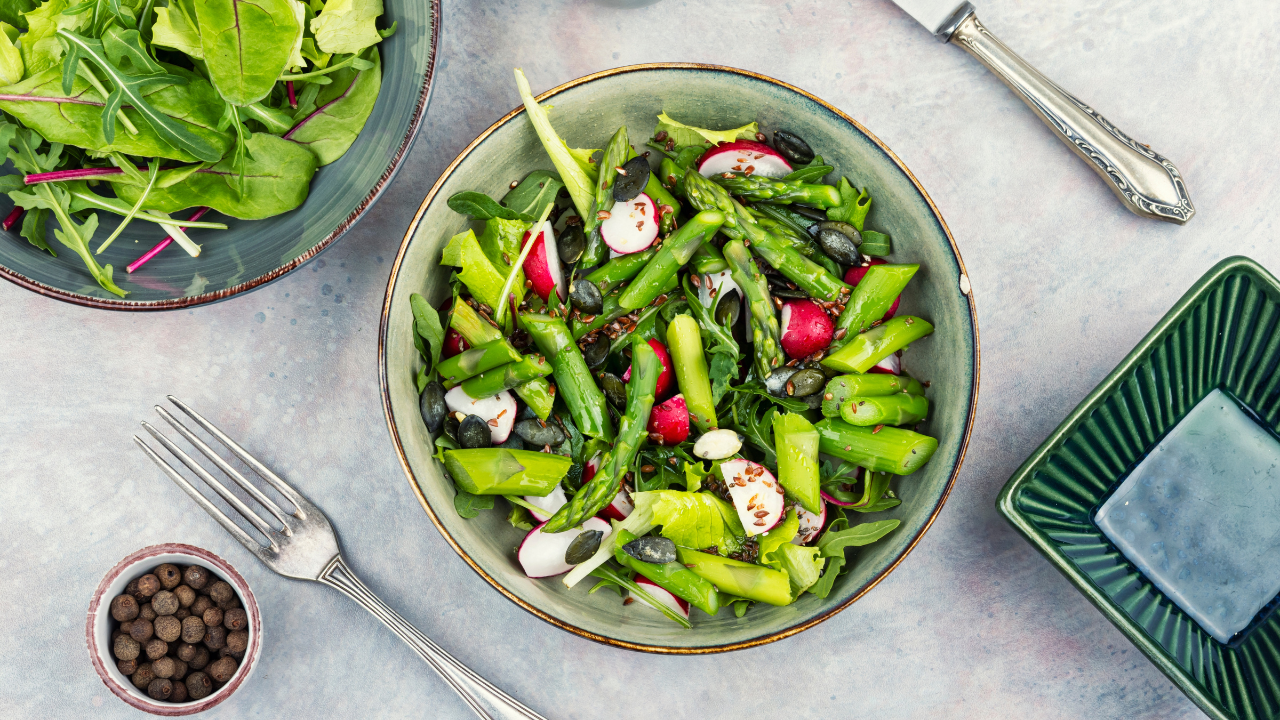
Raw salad greens were not always trusted or widely embraced in 1950s dining. Some families preferred cooked or canned vegetables because they seemed cleaner, easier to store, and more predictable. Fresh produce distribution and storage were still improving, which affected how often raw greens appeared at the table. Concerns about washing and food safety also played a role. As refrigeration improved and nutrition awareness increased, salads became much more common in everyday meals and health-focused eating.
11. Blue Cheese
© Shutterstock / Aeril
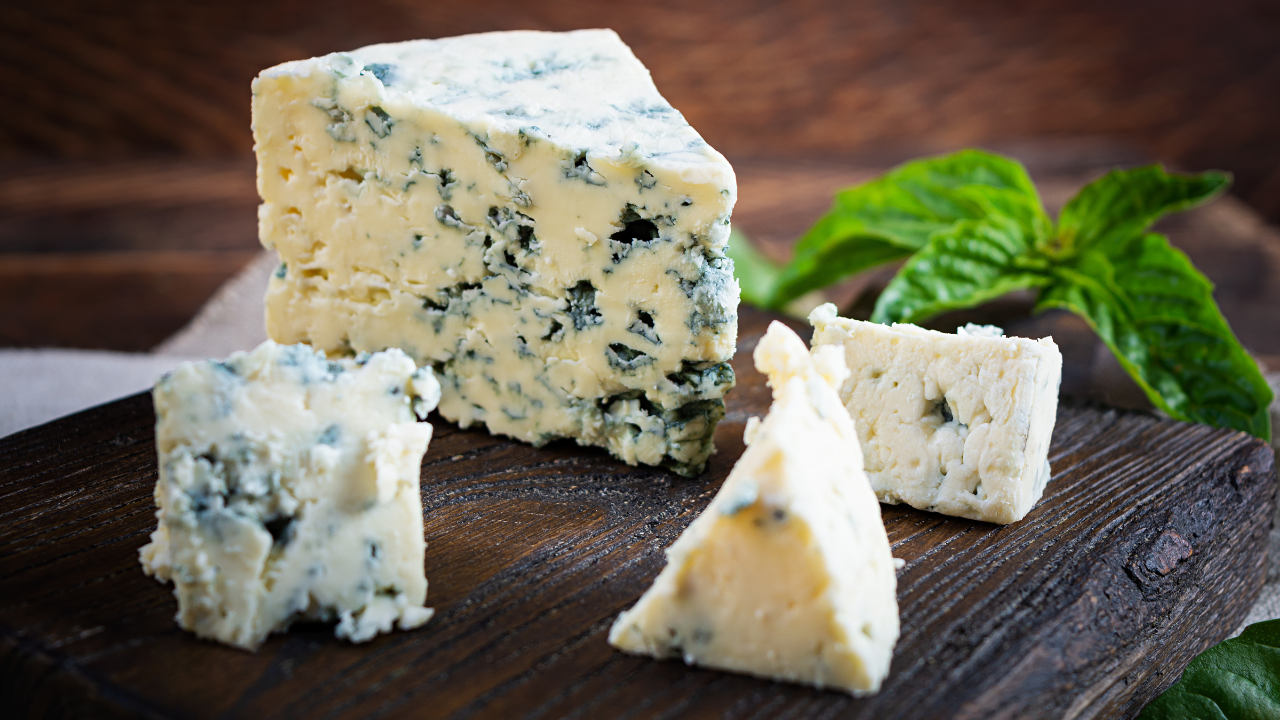
Blue cheese was too strong for many 1950s households that preferred mild and familiar flavors. Its sharp taste and noticeable aroma made it less approachable than processed or mild cheeses. Specialty cheeses were also not as widely available or understood in regular grocery shopping. For many families, uniform texture and predictable taste mattered more than bold flavor. As restaurant dining, wine culture, and international foods became more popular, blue cheese found a wider audience in salads, dressings, sauces, burgers, and appetizer boards.
12. Whole Wheat Bread
© Shutterstock / Ika Rahma H
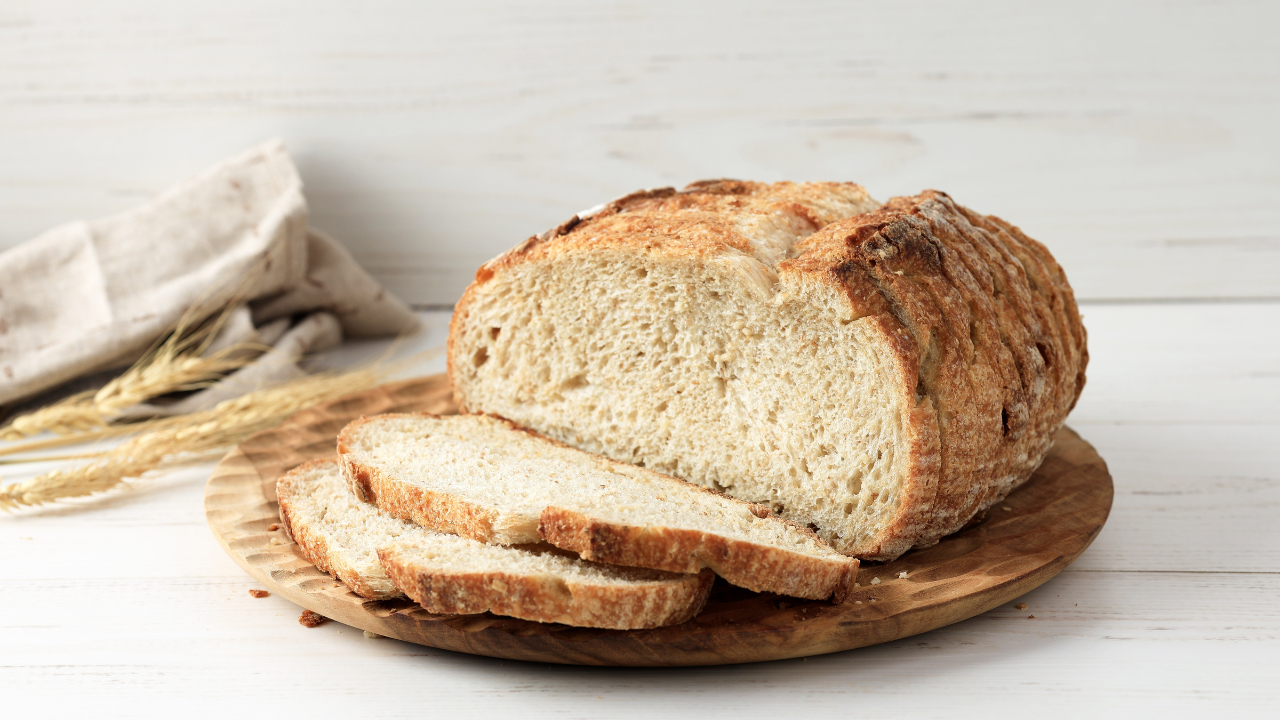
Whole wheat bread was often passed over in favor of soft white bread during the 1950s. White bread was marketed as refined, modern, and convenient, while whole-grain bread could seem old-fashioned or less appealing. Many families valued softness, uniform slices, and a mild flavor over nutritional content. At the time, mainstream nutrition messaging was not as focused on fiber and whole grains as it is today. Whole wheat bread later gained popularity as health awareness grew and shoppers began looking for more nutrient-dense choices.
13. Curry
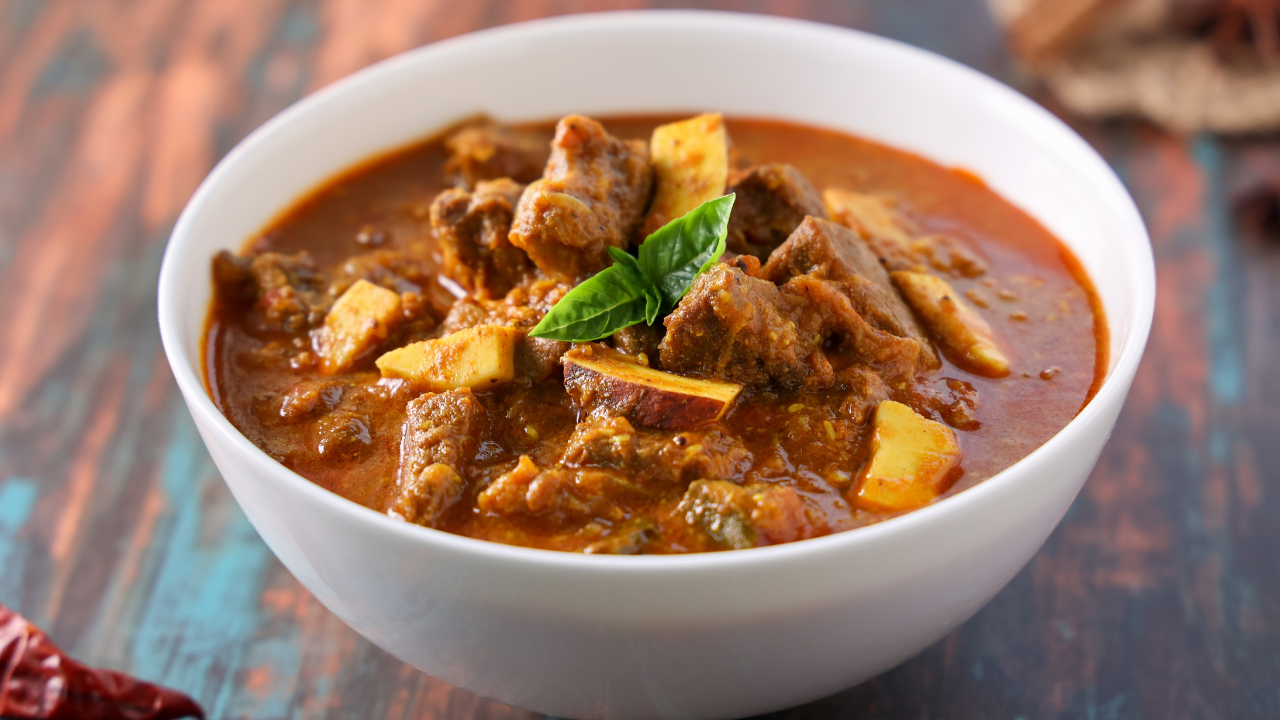
© Shutterstock / Santhosh Varghese
Curry was not a familiar part of many 1950s American home kitchens. The spices, aroma, and preparation styles were outside the comfort zone of households used to milder European-influenced dishes. Many cookbooks did not include much global cooking, which gave home cooks fewer ways to understand or try curry. Immigration and restaurant growth slowly introduced more people to these flavors. Today, curry is widely enjoyed in many forms, reflecting how global food traditions have become part of everyday American dining.
14. Anchovies

© Shutterstock / Esin Deniz
Anchovies were often avoided because of their strong smell and salty taste. While canned foods were common in the 1950s, not every preserved food had the same appeal. Anchovies were often tied to foreign dishes, which made them less familiar for everyday meals. Their bold flavor also made them harder to appreciate for families used to milder proteins. Over time, cooks began using anchovies in sauces, dressings, pizzas, and pasta dishes for the depth and savory flavor they can add in small amounts.

Comments (0)
No comments yet. Be the first to share your thoughts!