Current Date: 9 May, 2026

10 practical cooking tips for easier everyday meals

Small kitchen habits can make cooking feel more organized and less stressful. These tips focus on simple changes that improve texture, flavor, timing, and cleanup without requiring advanced skills or special equipment. From adding flavor to breadcrumbs to peeling tomatoes more easily, each idea is useful in regular home cooking. They can help with baking, meal prep, drinks, and quick weeknight meals while keeping the process straightforward.

1. Flavor Your Breadcrumbs
1. Flavor Your Breadcrumbs
© Shutterstock / Sea Wave

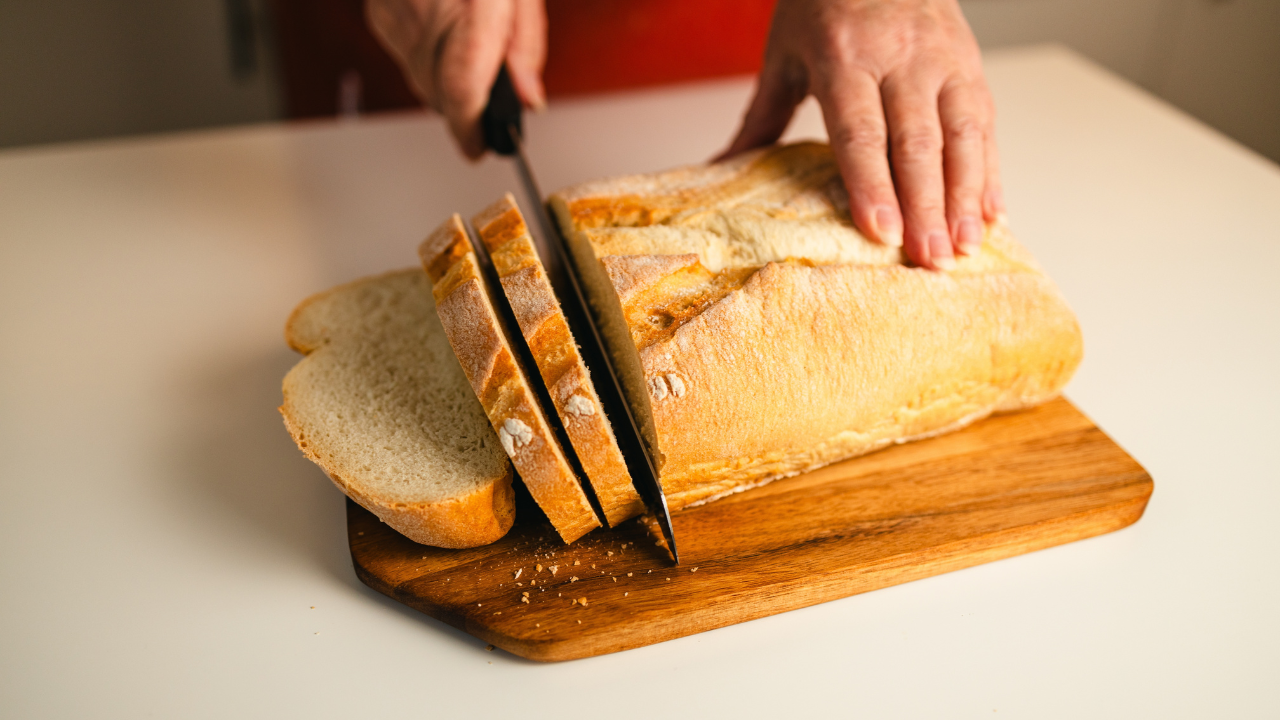
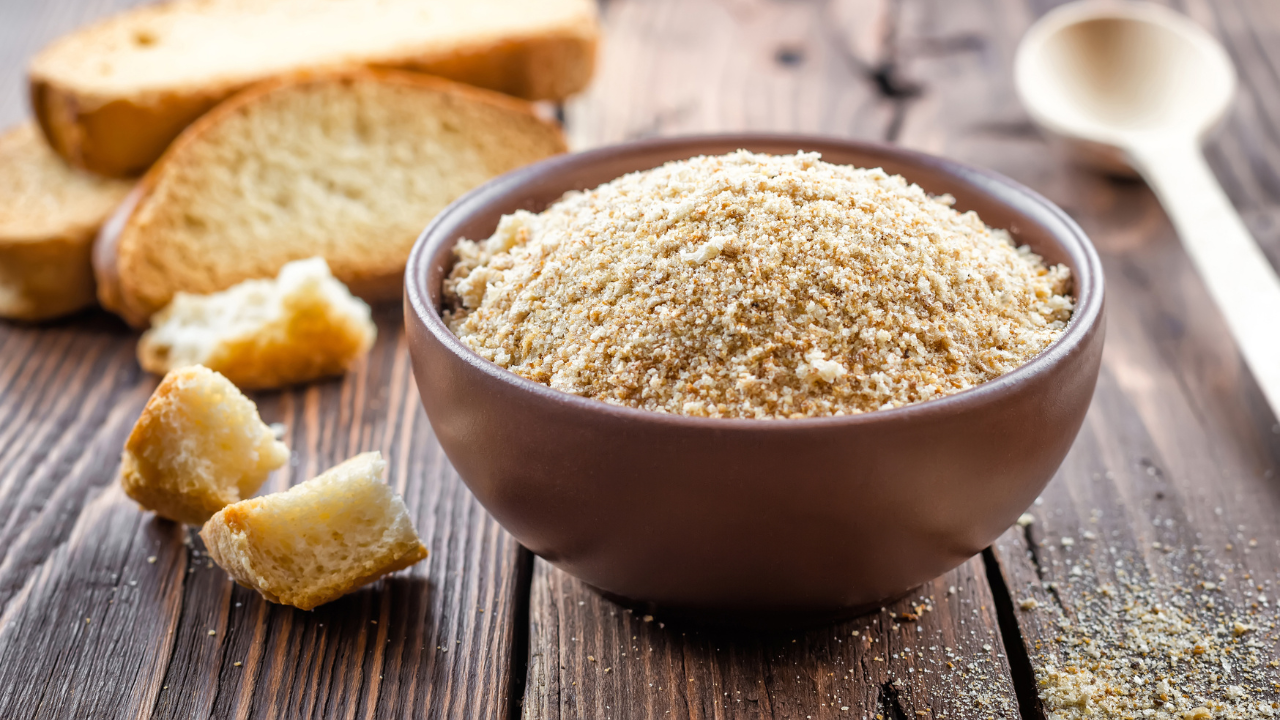
Homemade breadcrumbs can do more than add crunch. Toasting them with garlic, herbs, or a little seasoning gives them more depth before they are added to a dish. This works well for breaded chicken, fish, vegetables, or baked casseroles. Flavored breadcrumbs can also be used as a binder in recipes like meatballs, where they help with texture while adding subtle seasoning. It is a simple way to make a basic ingredient feel more useful.

2. Peel Tomatoes Easily

2. Peel Tomatoes Easily
© Shutterstock / MaraZe

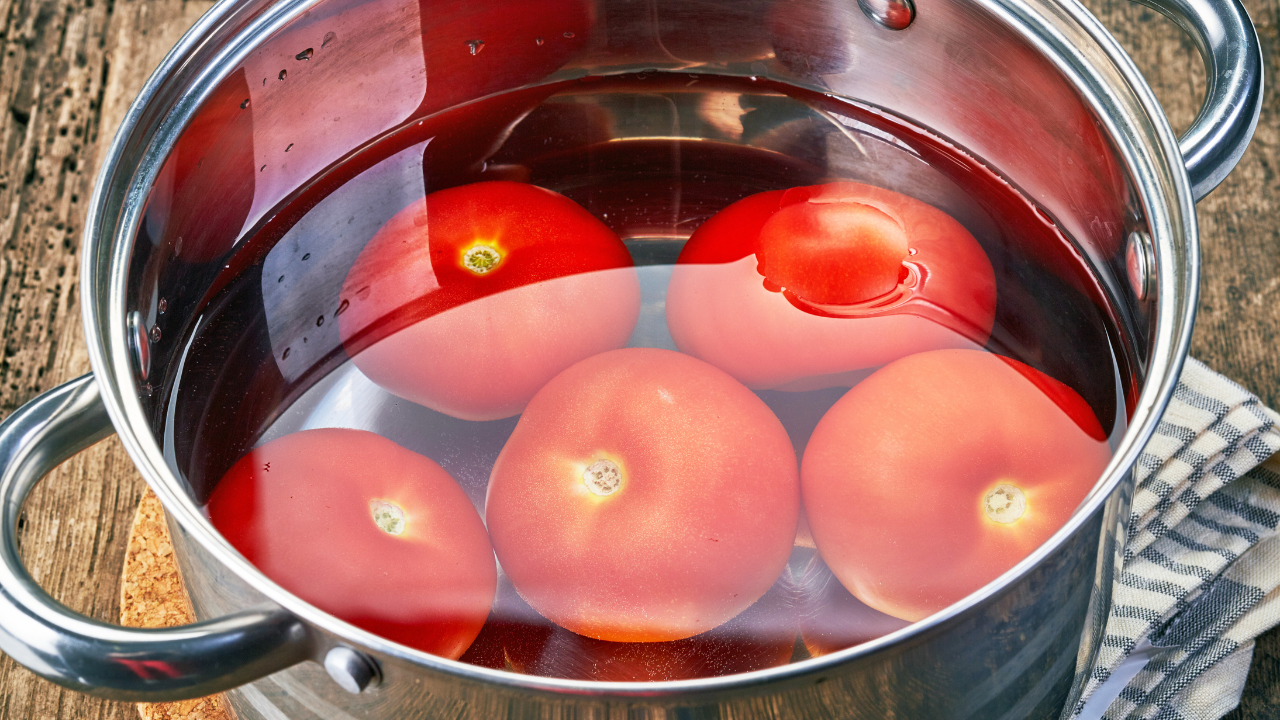
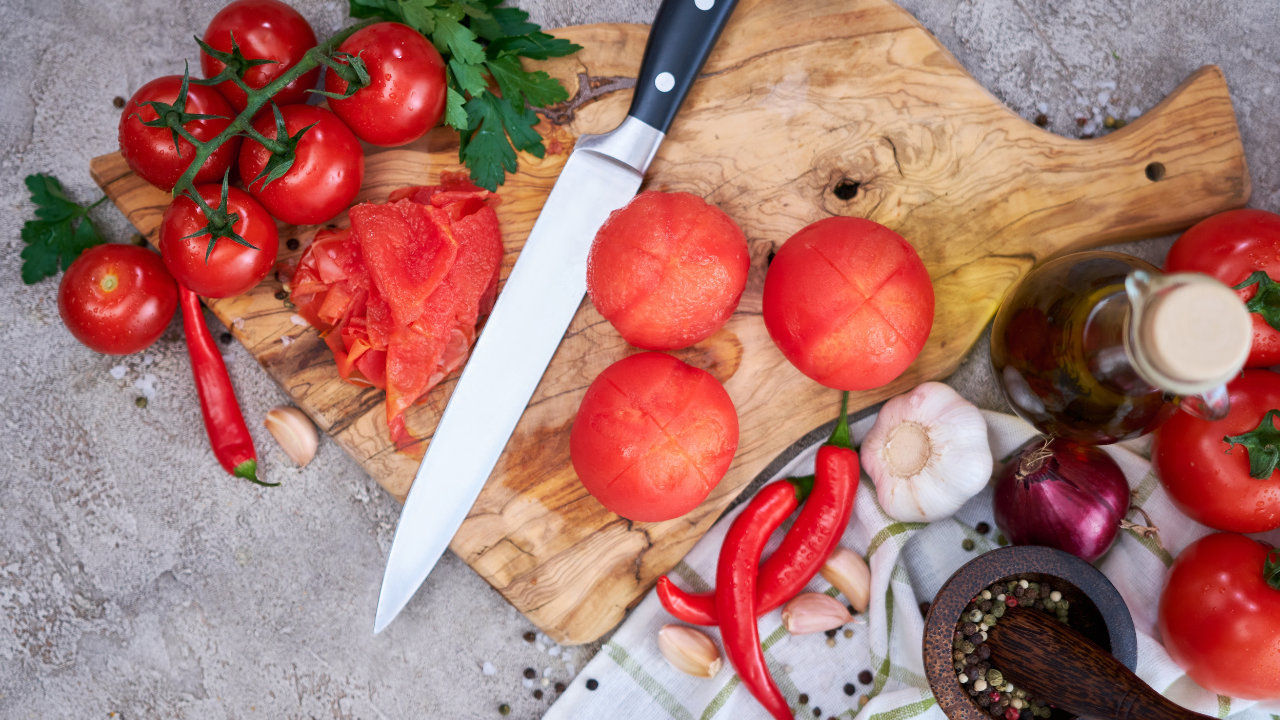
Removing tomato skins can improve the texture of fresh sauces, soups, and salsas. The easiest method is to score a small cross near the stem, briefly place the tomatoes in boiling water, then transfer them to iced water. Once they are cool enough to handle, the skins should loosen and pull away in strips. This keeps the tomato flesh intact while removing the tougher outer layer. It is especially helpful when making smooth tomato sauce or fresh salsa.

3. Warm Your Knife

3. Warm Your Knife
© Shutterstock / Irina Shatilova

A warm knife can help create cleaner slices when cutting chilled desserts. This works especially well for cheesecakes, ice cream cakes, and other firm desserts that can drag or crumble under a cold blade. Run the knife under hot water, dry it carefully, and slice while the blade is still warm. For several slices, wipe and rewarm the knife between cuts to keep the edges neat. This small step can make desserts look cleaner when served.

4. Try Slow Cooker French Toast

4. Try Slow Cooker French Toast
© Shutterstock / Phoenixproduction

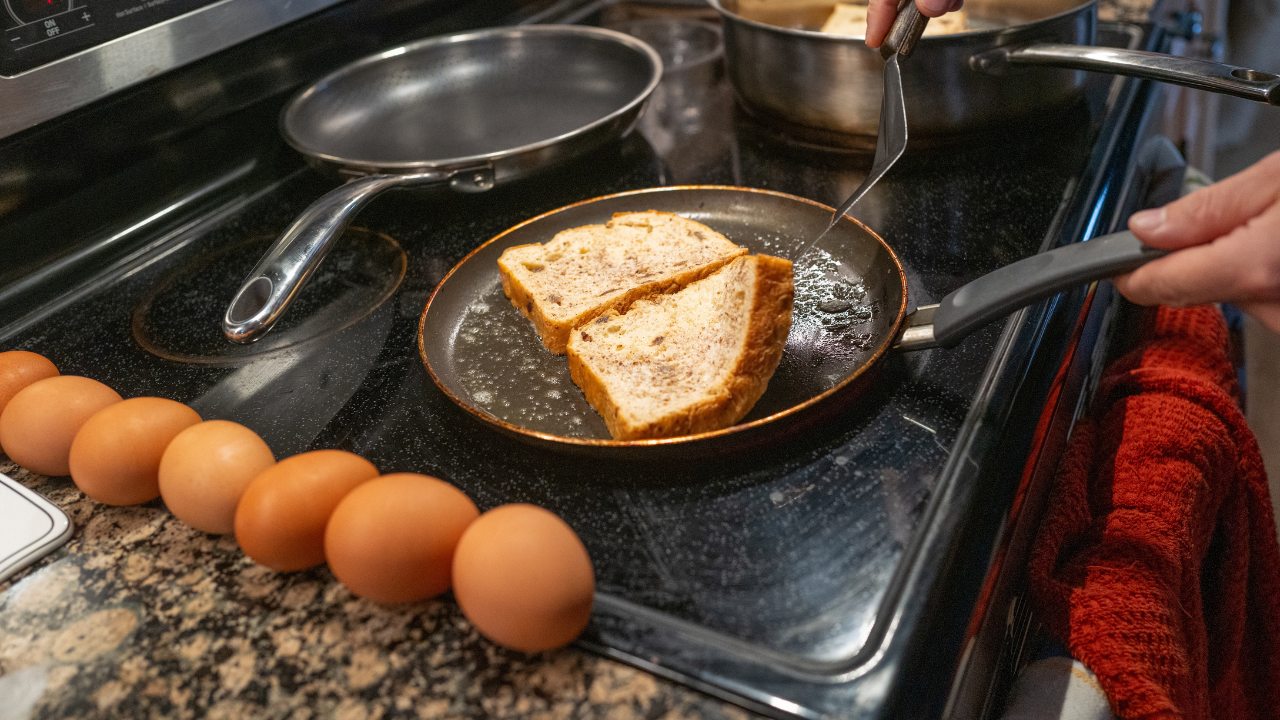
French toast can be made in a slow cooker when you want a hands-off breakfast or brunch dish. A mixture of eggs, milk, cinnamon, and a little sweetener can be poured over layers of bread and cooked slowly until set. This method is helpful when making a larger batch without standing at the stove. It also works well for relaxed mornings when you want something warm with less last-minute effort. The result is soft, comforting, and easy to serve.

5. Shred Meat With a Mixer

5. Shred Meat With a Mixer
© Shutterstock / Arina P Habich

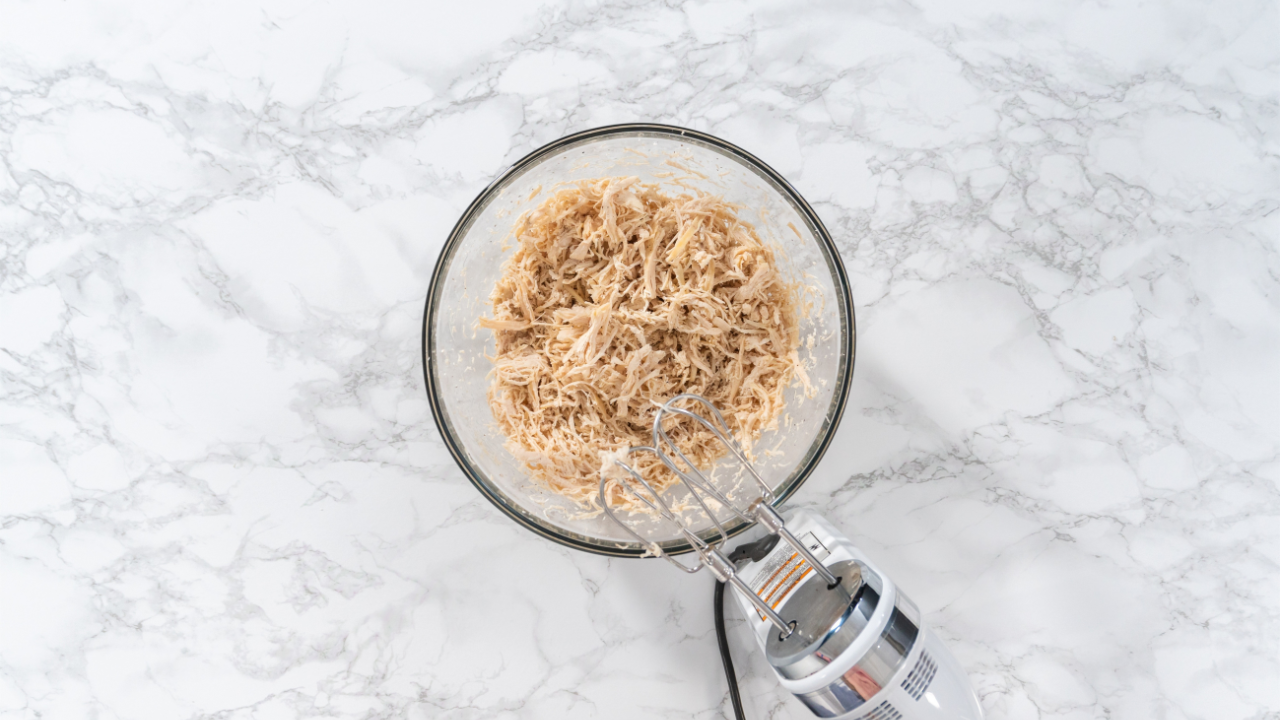
A stand mixer can make shredding cooked meat much faster than pulling it apart by hand. Place warm cooked chicken, turkey, or pork in the bowl, attach the paddle, and mix briefly until the meat separates. This is useful for salads, sandwiches, tacos, soups, or meal prep. It saves time and gives a more even shred, especially when preparing larger portions. Just avoid mixing for too long, or the meat can become too fine.

6. Use Overripe Bananas

6. Use Overripe Bananas
© Shutterstock / Pawel Michalowski

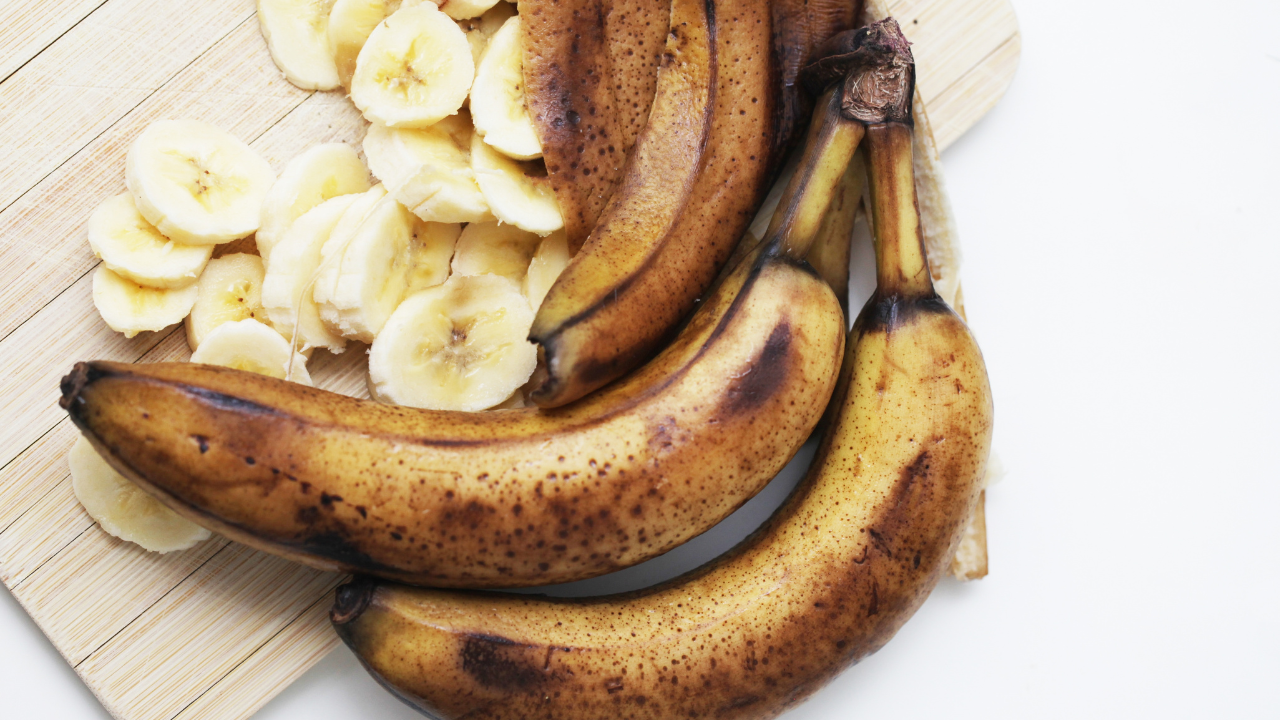
Overripe bananas are ideal for baking because they are sweeter, softer, and easier to mash. Their stronger flavor works especially well in banana bread, muffins, pancakes, and cakes. Brown or spotted bananas may not be ideal for eating plain, but they can add moisture and natural sweetness to batter. Extra ingredients like coffee, nuts, or cocoa nibs can make banana bread more flavorful without much extra work. This is also a useful way to reduce food waste.

7. Soak Brown Rice

7. Soak Brown Rice
© Shutterstock / New Africa

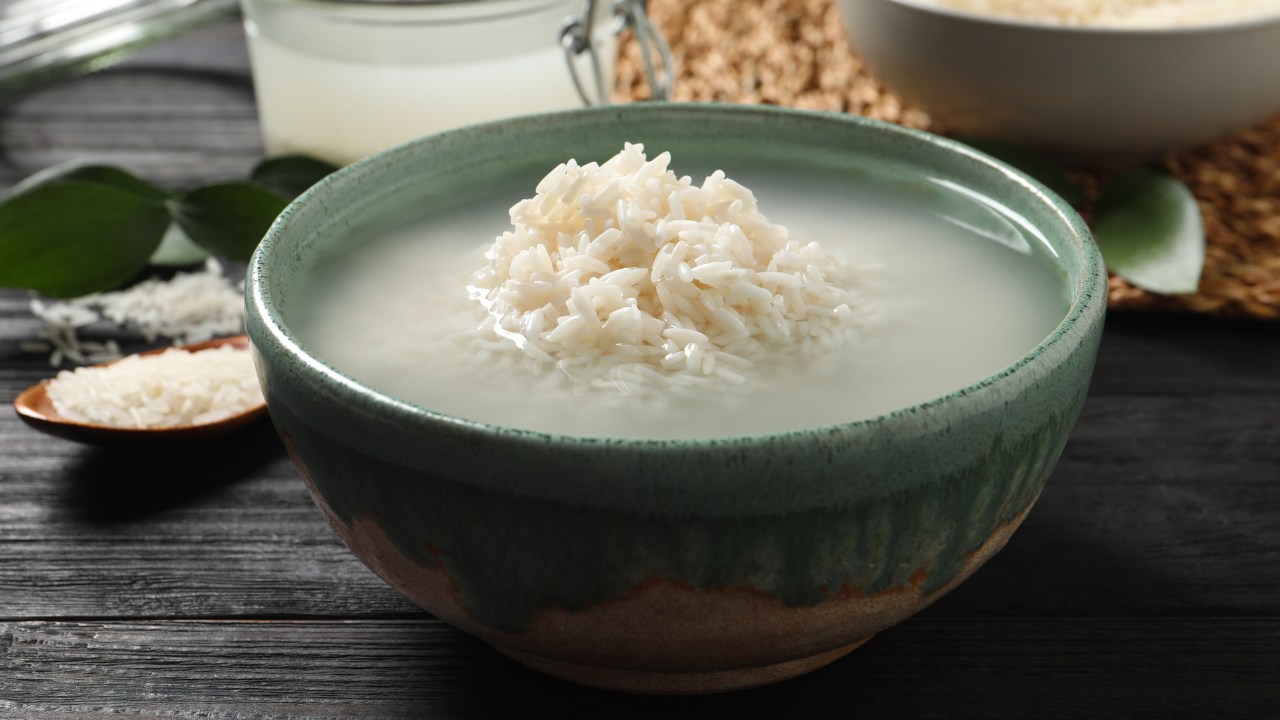
Brown rice can take longer to cook than white rice, but soaking it ahead of time can help reduce the cooking time. Leaving it in water overnight softens the grains and may also make them easier to digest. This is useful for meal prep, grain bowls, stir-fries, and salads. After soaking, drain and cook the rice as usual, adjusting the water and timing as needed. It is a practical habit when you want whole grains without a long wait.

8. Freeze Coffee Cubes

8. Freeze Coffee Cubes
© Shutterstock / New Africa

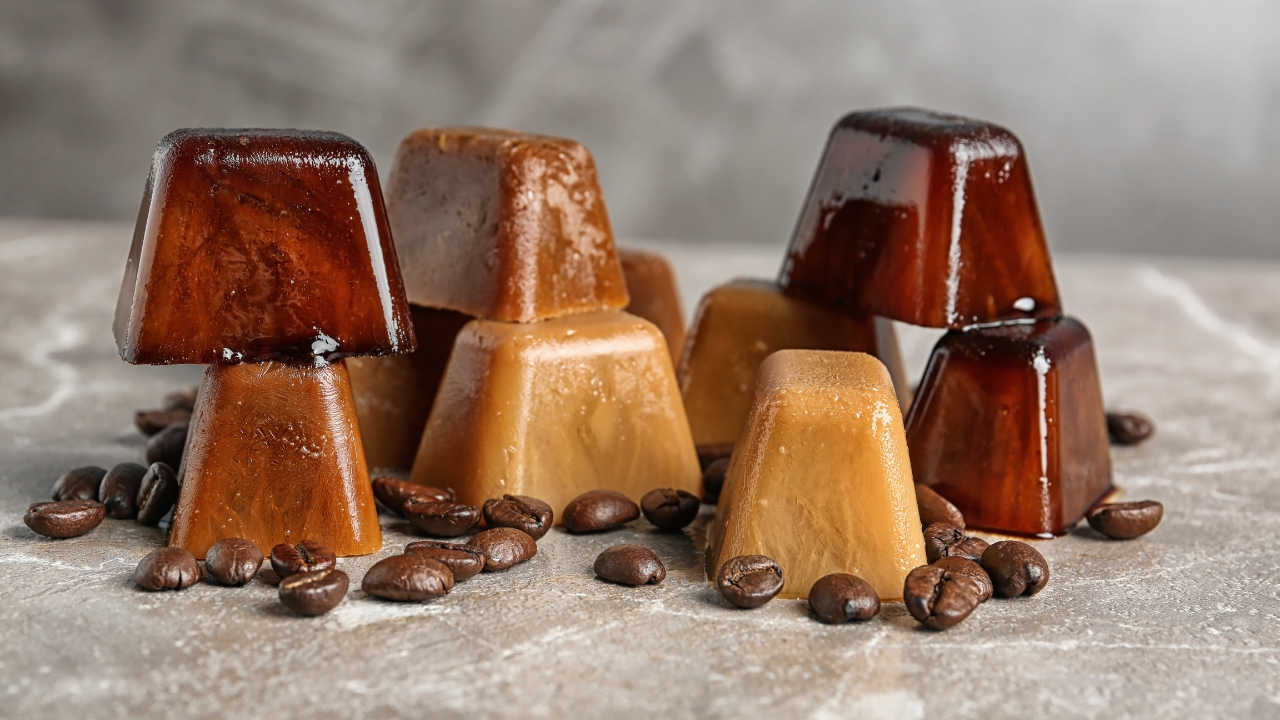
Coffee ice cubes are useful for iced coffee because they keep drinks cold without watering them down. Brew coffee at your preferred strength, pour it into an ice cube tray, and freeze until solid. The cubes can be added to cold brew, iced coffee, or blended drinks. They also work well with milk or plant-based milk when you want a quick iced latte-style drink. This is an easy way to make leftover coffee more useful.

9. Fry Eggs With Steam

9. Fry Eggs With Steam
© Magnific / KamranAydinov

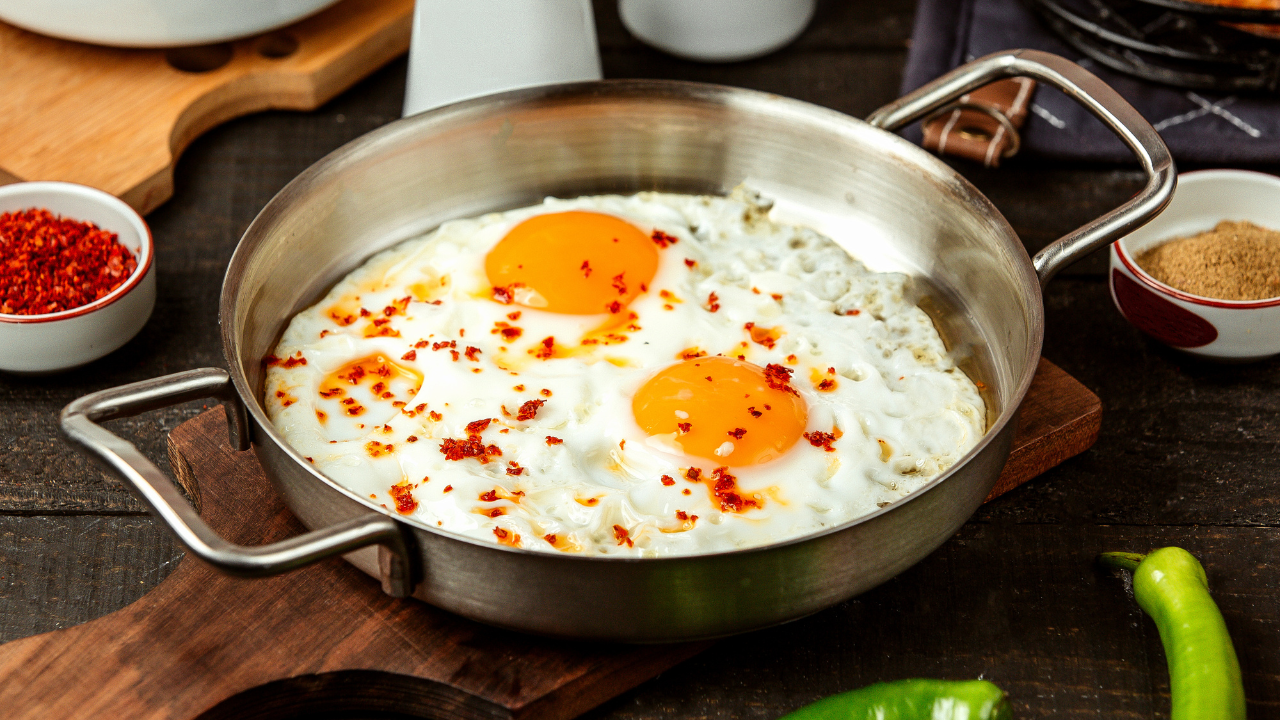
A fried egg can be cooked with a small amount of water instead of relying on extra oil or butter. Start the egg in a lightly coated pan, then add a teaspoon of water near the edge once the whites begin to set. Cover the pan so the steam gently finishes the top of the egg. This method helps cook the whites evenly while keeping the yolk soft, depending on timing. It is a simple option for a lighter, less greasy fried egg.

10. Balance Sweet and Savory

10. Balance Sweet and Savory
© Shutterstock / New Africa

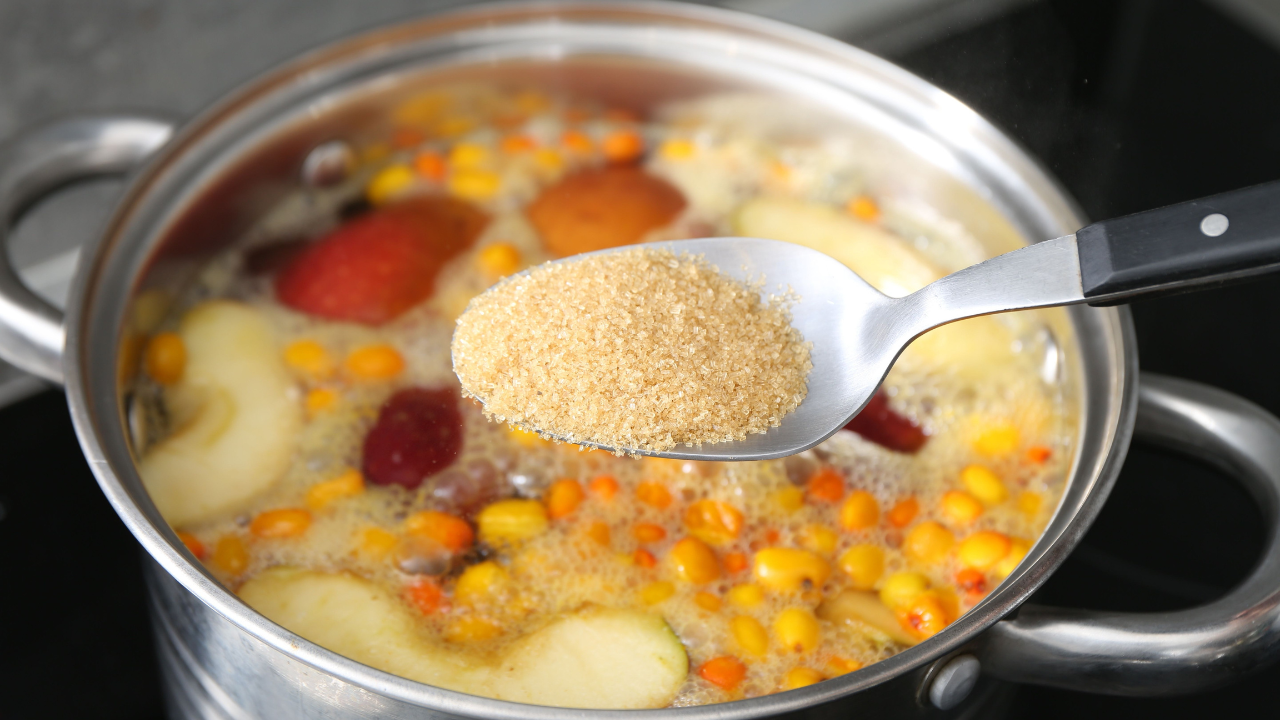
A small amount of sugar can help soften acidity in savory dishes such as tomato sauce, chili, or braised recipes. It should not make the dish taste sweet, but it can round out sharp flavors and make the final result feel more balanced. In baking, a pinch of salt can help bring out sweetness and deepen flavor. Salt also works especially well with caramel, chocolate, and other rich desserts. Used carefully, these small additions can make both sweet and savory dishes taste more complete.

Comments (0)

No comments yet. Be the first to share your thoughts!

Leave a Reply